

Before dawn on Tuesday, sirens and phone alerts woke residents across eight regions of Estonia. A drone had crossed the country’s southeastern frontier, and a second was tracking toward the border city of Narva. On the runway at Ämari Air Base, Turkish F-16s went to full alert — the sharp end of a NATO mission that has quietly become one of the busiest jobs in European air defence.
It was, in the end, a night of nerves rather than gunfire. But it was also the clearest sign yet that Russia’s war on Ukraine keeps spilling, uninvited, into the airspace of the Alliance.
Quick Facts
| Event | Drone crossed Estonia’s southeastern border |
| Date | Tuesday morning, 1 September 2026 |
| Response | Turkish Air Force F-16s scrambled from Ämari Air Base |
| Mission | NATO Baltic Air Defence (formerly Baltic Air Policing) |
| Alerts | Public warnings to 8 regions, ~03:00-04:00; second alert for six southern counties |
| Outcome | No crash on Estonian soil; jets did not open fire; all clear by ~05:30 |
| Context | Coincided with Ukrainian drone strikes into western Russia |
| Source | Estonian Air Force Commander Brig. Gen. Riivo Valge, via ERR |
A night on the border
According to Estonian Air Force Commander Brigadier General Riivo Valge, the trouble began around 02:00, as Ukraine was striking targets in western Russia. About a dozen drones were soon detected near the Estonian border. Roughly an hour later, one turned toward Narva, triggering a public alert and the activation of ground-based air defences.
That first drone stopped short of Estonian airspace and turned back toward Russia. Then, about half an hour later, a second drone crossed the border in the southeast and loitered near the frontier.
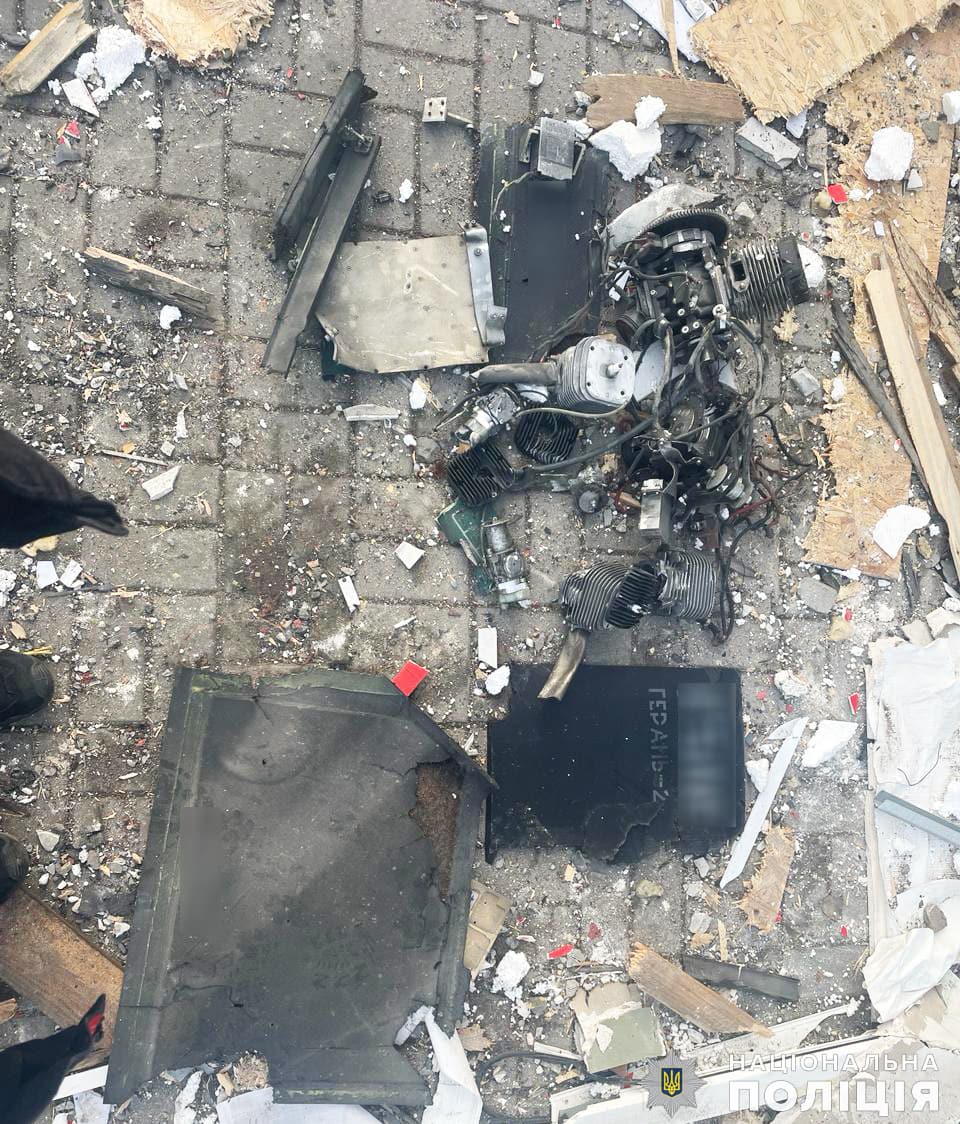
A second warning went out, this time for the southern counties of Tartu, Jõgeva, Viljandi, Valga, Võru and Põlva. The drones did not crash on Estonian soil, Valge said, and the fighters did not open fire. By 05:30 the Defence Forces declared the threat had passed.
Why Turkish jets were on the runway
Estonia, like Latvia and Lithuania, keeps no fast-jet fleet of its own. Since 2004, allied air forces have rotated through the Baltic Air Policing mission — recently rebranded the Baltic Air Defence Mission — to hold quick-reaction alert over the three republics. This autumn the duty belongs to Turkey, whose F-16s deployed to Ämari on 1 August for a four-month rotation, the first time Turkish fighters have stood alert from Estonian soil.
Their job is exactly the scenario that unfolded on Tuesday: get airborne within minutes, identify what is out there, and shadow it. A drone that never enters sovereign airspace, or turns back on its own, is not something a fighter can neatly solve — which is precisely why these incursions are so awkward for the Alliance.
The bigger worry
Nothing was hit, and Estonia was calm again by breakfast. But the pattern is the point. Long-range strike drones do not respect the thin line between a war zone and a NATO member, and each incursion forces expensive fighters into the air to chase cheap machines that may simply wander off. Tuesday’s intruders went home on their own. The next ones may not — and the Alliance is still working out what to do when they don’t.
Sources: ERR News; UA.NEWS; statements by Brig. Gen. Riivo Valge, Estonian Air Force; NATO.


0 Comments