

Two Iranian ballistic missiles came off the rail on Saturday morning and went for a United States aircraft carrier and a guided-missile destroyer. Both missed. Nobody aboard either ship was hurt.
The answer arrived within hours, and it was not aimed at a radar site or a missile battery. A mixed package of US Air Force and US Navy fighters and drones went after three Iranian crude oil carriers. Two were left permanently disabled. The third, running empty, was hit repeatedly until it was gone.
That is a deliberate shift. For most of this war, American aircraft have hit Iranian military hardware. On 5 September 2026 they started hitting Iran’s wallet.
Quick Facts
What: US strikes on three Iranian crude oil carriers
When: Saturday 5 September 2026
Trigger: IRGC ballistic missile attack on a US aircraft carrier and a destroyer; both missed, no US casualties
Aircraft: A mix of US Air Force and US Navy fighters and drones, according to officials cited by Air & Space Forces Magazine
Targets: M/T Downy off Kharg Island and M/T Stark 1 near Jask, both permanently disabled; a third, unladen carrier destroyed in the Gulf of Oman
Warning: CENTCOM says the crew of the third tanker was told to abandon ship before the strike
Context: The war began with US and Israeli strikes on 28 February 2026
Three tankers, three locations
US Central Command named two of the ships. The M/T Downy was struck off Kharg Island, the terminal in the northern Persian Gulf through which Iran exports the large majority of its crude. The M/T Stark 1 was hit near Jask, on the coast east of the Strait of Hormuz. Both were described as permanently disabled rather than sunk.
The third carrier was empty and was hit in the Gulf of Oman. CENTCOM says it was struck in multiple places, rendered inoperable and completely destroyed. In footage released by the command, the vessel is identified as the M/T Kylo. The command also says the Iranian crew was warned to abandon ship before the strike went in.
Iranian state television gave its own version of the Kharg Island attack, reporting that four American missiles hit a tanker roughly ten kilometres from the island.

“Take out three of yours”
Adm. Brad Cooper, the CENTCOM commander, framed the strikes as a straight exchange rate rather than a proportionate military response.
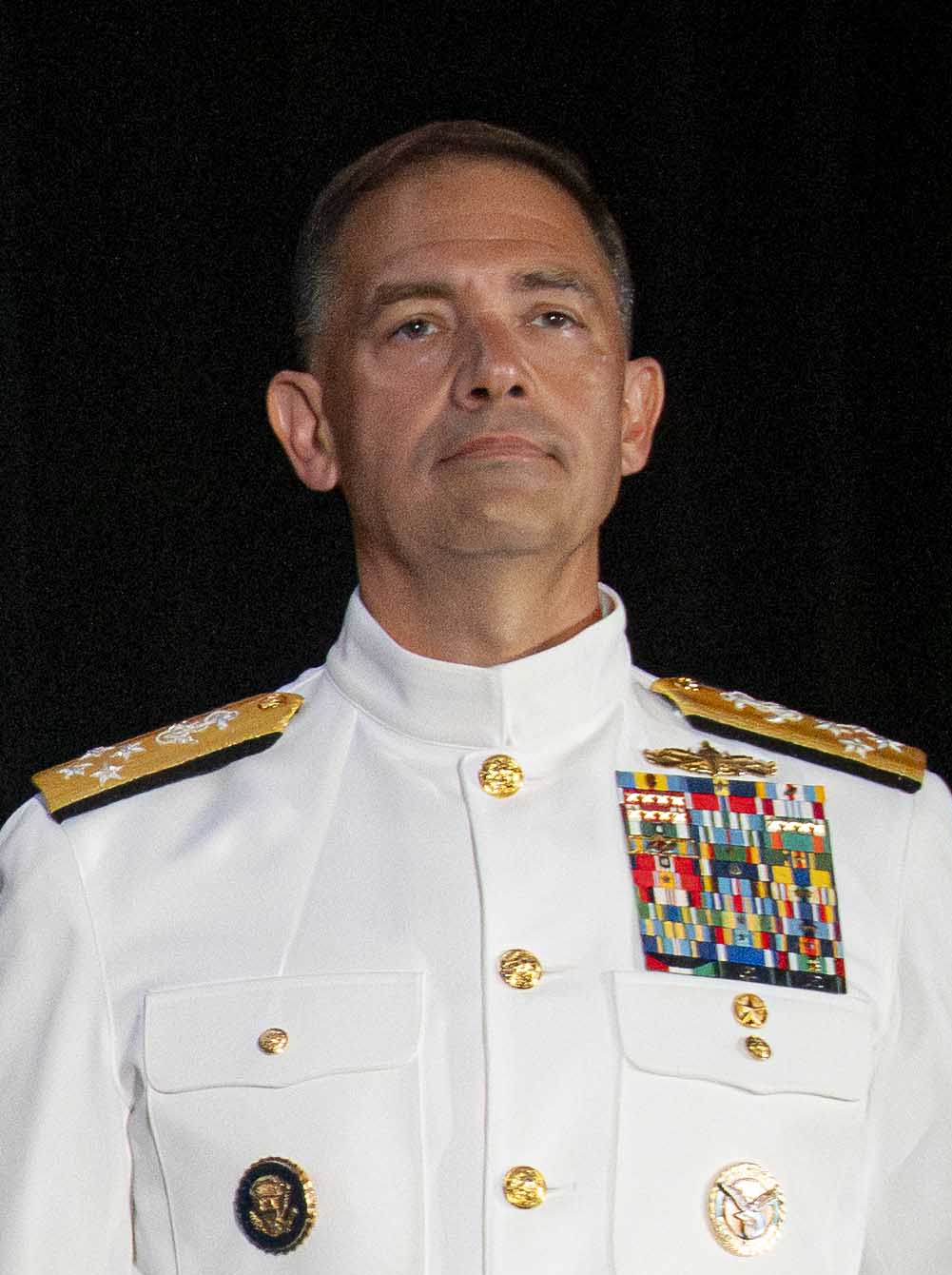
He added that American forces would not hesitate to defend themselves and, if necessary, destroy what he called Iran’s limited and exposed oil fleet. CENTCOM says the tankers form part of a shadow shipping network that funds the Revolutionary Guard and its regional proxies.
Iran’s foreign ministry called the attacks a war crime and part of an economic war on the Iranian homeland. The IRGC said it had responded in kind, claiming attacks on three oil tankers transiting what it described as an unauthorised route through the Strait of Hormuz, plus three vessels it links to the United States elsewhere.
Why this is an air power story
Hitting a moving merchant ship at sea is not trivial. It requires persistent surveillance to find and identify the hull, a weapon that can disable a vessel without necessarily sinking it, and enough loiter time to strike the same target in several places. That combination is exactly what a carrier air wing plus armed unmanned aircraft delivers, and it is why the package was mixed rather than purely fast-jet.

It also fits an uncomfortable pattern from the past six months. The US has already lost a significant share of its MQ-9 Reaper fleet in operations against Iran, and the Air Force said this week it is accelerating a cheaper replacement drone at a target price of around $10 million a copy. Missions like Saturday’s are precisely the sort of work that burns through attritable aircraft.
Where this goes
The wider picture is grim. Fighting resumed about a week ago after roughly a month of relative calm. At least five people were killed earlier in the week in a US bombardment of southern Iran, including a strike that hit a wedding. Negotiations that followed a memorandum of understanding signed in mid-June collapsed soon afterwards.
The Strait of Hormuz, which everyone treated as an international waterway before February, is now the contested object. Tehran is asserting control over who passes; Washington is escorting ships through and, as of Saturday, sinking the vessels that pay for the effort. Traffic through the strait remains far below normal.
A day before the strikes, President Trump described the war with Iran to reporters as “small potatoes”. Saturday suggests otherwise.
Broadcast coverage including the unclassified CENTCOM targeting footage of the three tankers.
Frequently Asked Questions
Why did the US strike Iranian oil tankers on 5 September 2026?
Which Iranian tankers were hit and what happened to them?
What aircraft carried out the strikes on the Iranian tankers?
Was a US aircraft carrier hit by Iranian missiles?
How is this different from previous US strikes on Iran?
When did the 2026 Iran war start?
Sources: US Central Command statements; Air & Space Forces Magazine; Associated Press via NPR; Axios; Iranian state media.


0 Comments