
Nearly everyone was aboard. A hundred and eighty-eight people were flying home to Brussels from the Bulgarian coast, boarding was almost finished, and the last busload of passengers was being driven out to the aircraft.
The bus touched the wing.
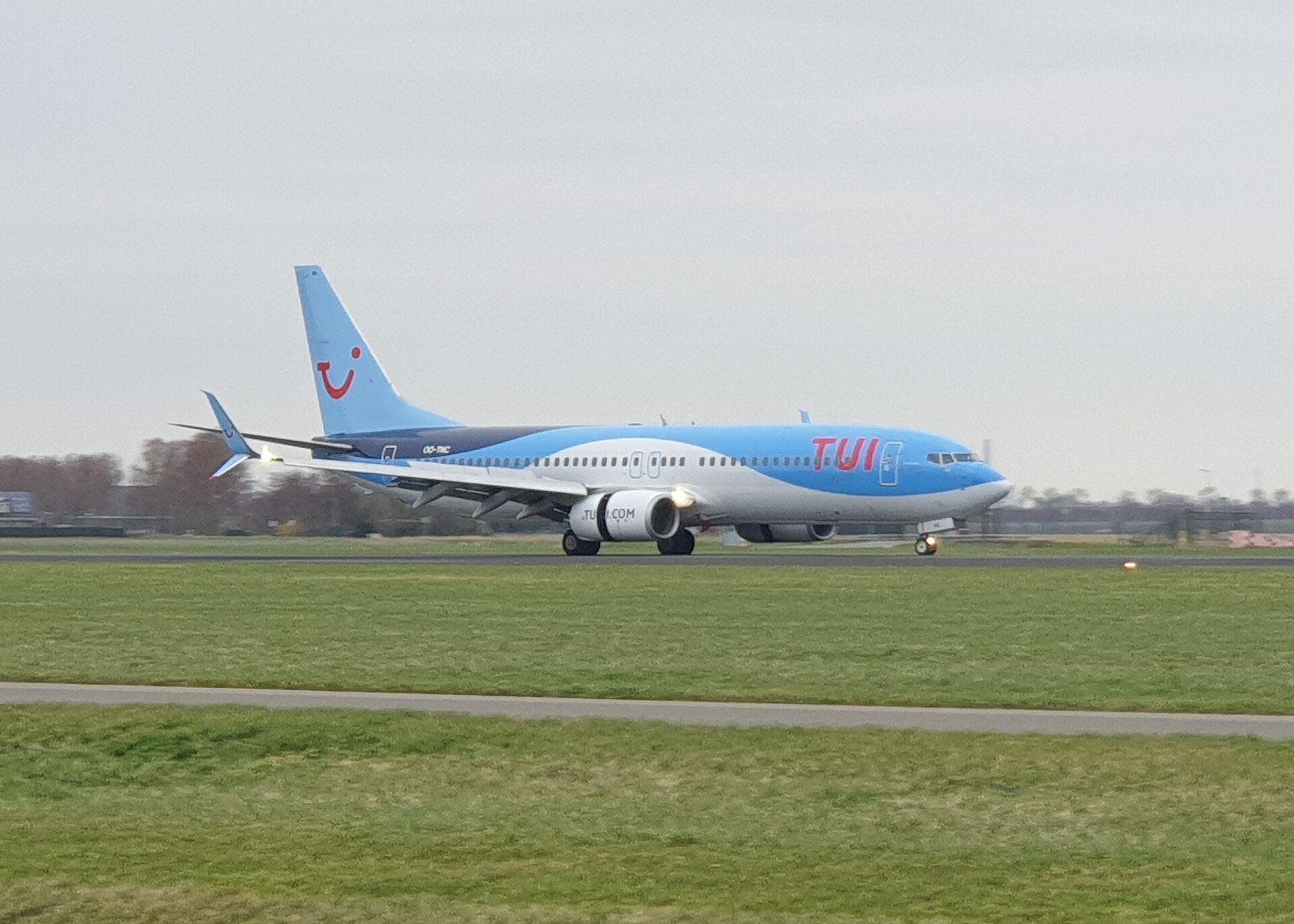
Not fast, not dramatically, nobody hurt. But an aircraft wing is a structure with tolerances, and a bus is nine tonnes of steel, and once the two have met the aeroplane does not go anywhere until an engineer has signed to say it can. The 8 September flight from Varna to Brussels was cancelled, the passengers went to hotels, and the Boeing 737 MAX 8 registered OO-TMT flew them home the following evening after repair.
Quick Facts
| Date | Tuesday 8 September 2026 |
| Airport | Varna, Bulgaria |
| Aircraft | Boeing 737 MAX 8, registration OO-TMT, TUI fly Belgium |
| Inbound routing | Brussels to Burgas, then on to Varna as flight TB2861 |
| What happened | An apron bus carrying the last passengers made low-speed contact with the aircraft’s wing during boarding |
| Injuries | None reported |
| Passengers affected | Around 188 |
| Outcome | Return flight cancelled; passengers hotelled; aircraft repaired and flew to Belgium on Wednesday evening |
The most expensive thing that never makes the news
Ground damage is aviation's quiet, enormous, entirely self-inflicted cost centre. It does not kill people, it rarely produces a photograph worth publishing, and it happens somewhere between several dozen and several hundred times a day across the world's aprons.
IATA estimates the annual bill at roughly $5 billion and has warned it could approach $10 billion by 2035 if nothing changes. That is not the cost of the dent. It is the cost of the cancelled sector, the hotel rooms, the crew that timed out, the aircraft sitting on a stand in Bulgaria instead of earning money, and the engineers who had to be flown in to look at it.
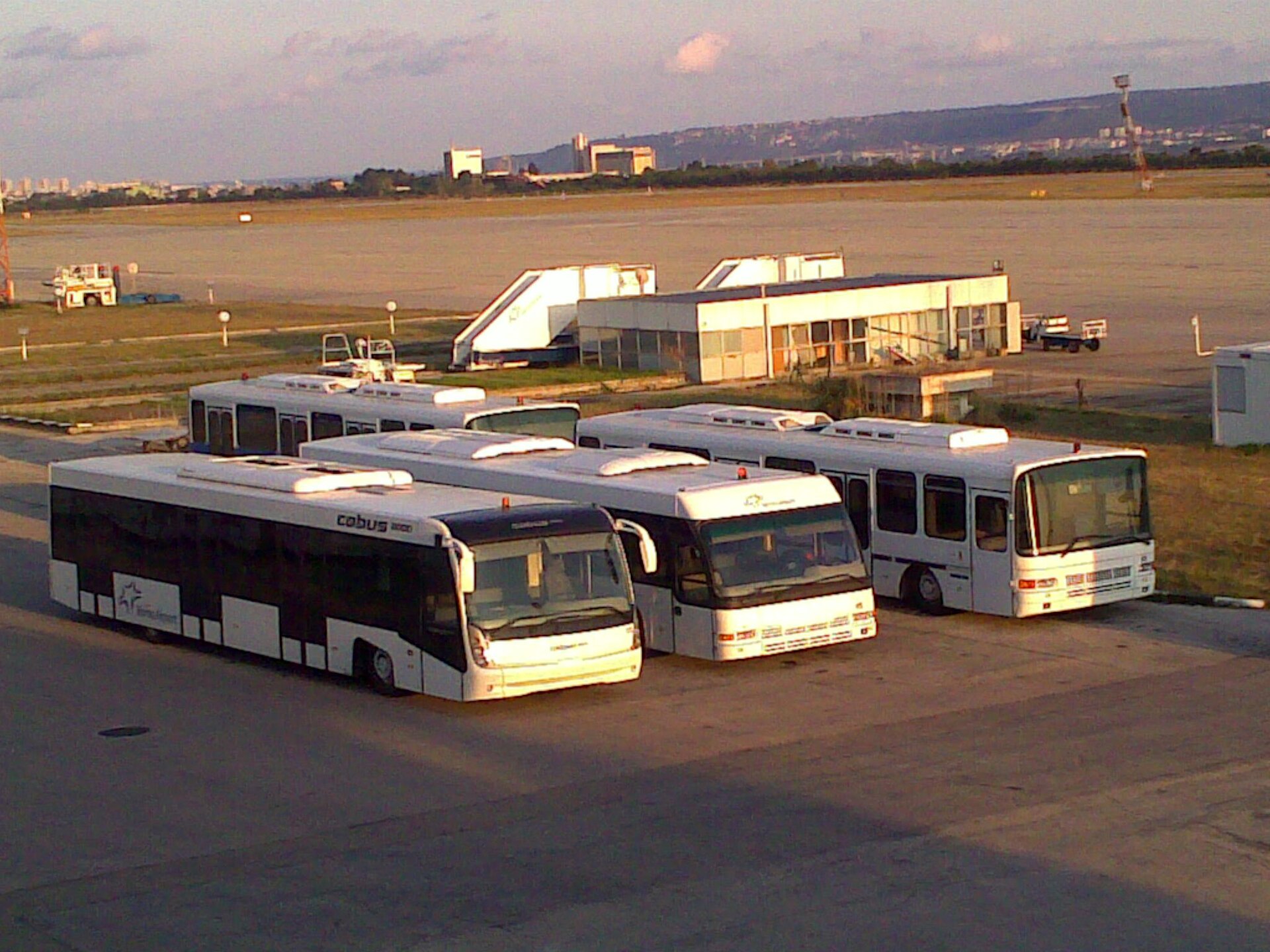
The industry knows precisely where the damage comes from, because it keeps a database. According to IATA's ground damage incident data, belt-loaders, cargo-loaders, passenger stairs and passenger boarding bridges together account for around 40 percent of all incidents. Every one of those is a vehicle or structure that has to be driven up to an aeroplane and stopped very close to it, by a human being, under time pressure, in whatever weather is happening.
The same data throws up a counterintuitive detail: widebody aircraft have a ground damage rate roughly ten times higher than narrowbodies, but regional jets, turboprops and narrowbodies are around 30 percent more prone to severe ground damage when it happens. Big aircraft get hit more often; small aircraft get hurt worse.
The fix exists and is not glamorous
IATA's answer is what it calls Enhanced Ground Support Equipment: vehicles fitted with anti-collision sensors and inching technology that limits creep speed as the vehicle closes on the aircraft. The organisation's own estimate is that converting 75 percent of the global fleet of belt-loaders, cargo-loaders, passenger stairs and boarding bridges would cut the expected ground damage cost per turn by 42 percent.
The catch is that anti-collision technology on a passenger bus is nobody's idea of an exciting capital investment, and the airline that pays for the bus is very often not the airline that pays for the damage. Ground handling is contracted out, margins are thin, and the incentive to spend money preventing a cost that lands somewhere else is weak. That structural mismatch, more than any technical problem, is why the $10 billion projection exists at all.
Why a small bump grounds an aeroplane
Passengers watching from the cabin windows at Varna would have seen almost nothing happen, which makes the cancellation feel disproportionate. It is not.
A wing is a load-bearing structure that flexes in flight, and impact damage to its skin or leading edge can propagate in ways that are not visible from the outside. The manufacturer publishes allowable damage limits, and any contact has to be assessed against them by a licensed engineer, who either signs it off, applies a repair, or grounds the aircraft. There is no category of “probably fine”. The system works precisely because nobody is allowed to make that judgement by eye from a jet bridge.
So 188 people spent a night in Varna, an aeroplane spent a day being inspected and repaired, and the aviation industry added another small entry to a five-billion-dollar annual total that almost nobody outside it has ever heard of.
Frequently Asked Questions
What happened at Varna Airport on 8 September 2026?
Why does a low-speed bump ground an airliner?
How much does aircraft ground damage cost the airline industry?
What causes most aircraft ground damage?
What is Enhanced Ground Support Equipment?
Sources: aeroTELEGRAPH; Aviation24.be; IATA press release and ground damage incident database.

0 Comments