
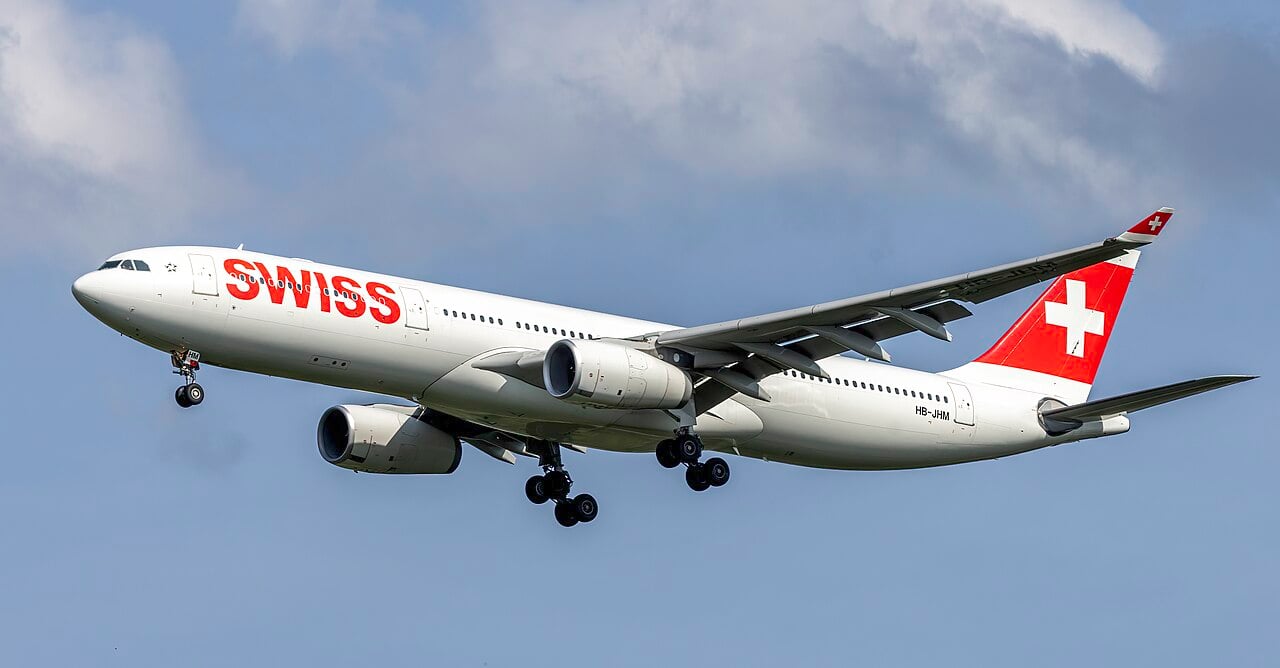
Every civil aircraft in the world carries a registration painted on its tail or fuselage, and the first character or two tells you where it is registered. American aircraft start with N. British with G. German with D. Swiss with HB.
The obvious assumption is that somebody sat down and assigned letters to countries. Nobody did. The system is an inheritance from radio, drawn up before aeroplanes were considered important enough to need one of their own, and the oddities in it are all fossils.
Quick Facts
What it is: a nationality mark identifying the country of registry, followed by a registration mark unique to that aircraft
Origin: radio call sign prefixes agreed at the 1912 London Radiotelegraph Conference, revised by the International Bureau at Berne on 23 April 1913
First applied to aircraft: the Paris Convention of 1919, using the 1913 call sign list
The 1919 format: nationality mark, hyphen, then four letters that had to include a vowel. Y counted as a vowel
Current basis: the International Radiotelegraph Convention, Washington, 25 November 1927, adopted from 1928
Governed by: Article 20 of the 1944 Chicago Convention, with the detail in ICAO Annex 7. Managed by ICAO since 1947
Prefix source: the country’s call sign prefix allocated by the International Telecommunication Union
Examples: N United States, G United Kingdom, D Germany, F France, HB Switzerland, JA Japan, VH Australia
It Was Never About Aeroplanes
In 1912 the problem was radio. Wireless stations were multiplying, they interfered with each other, and there was no way to tell who was transmitting. The London Radiotelegraph Conference solved it by allocating call sign prefixes: large users got a single letter, smaller countries shared a letter and were given exclusive use of the first character of the suffix.
That list was tidied up by the International Bureau at Berne and published on 23 April 1913. It had nothing to do with aviation. Aircraft at the time were fabric-covered novelties, and most of them carried no radio at all.
Then came the war, and after it the Paris Convention of 1919 — the first international treaty to regulate air navigation. It needed a way to identify aircraft crossing borders. Rather than invent one, it simply took the 1913 radio call sign list off the shelf.
Which is why the letters look arbitrary. They are not aviation decisions. They are 1913 radio decisions, and they have been inherited ever since.
The 1919 Rule That Explains the Vowels
The Paris Convention did add one rule of its own, and it is a strange one. The nationality mark was to be followed by a hyphen and then a group of four letters, which had to include a vowel. For the purposes of the convention, Y was considered a vowel.
The reason is pronunciation. A registration is not only painted on an aircraft, it is spoken over a radio, and a four-letter group with no vowel in it is difficult to say and easy to mishear. Someone in 1919 was thinking about what a controller would hear.
That system lasted until 1928. The International Radiotelegraph Convention at Washington in November 1927 revised the whole list of markings, and what was adopted from 1928 is the direct basis of what aircraft carry today. Everything since has been amendment rather than redesign.
Why American Registrations Look Completely Different
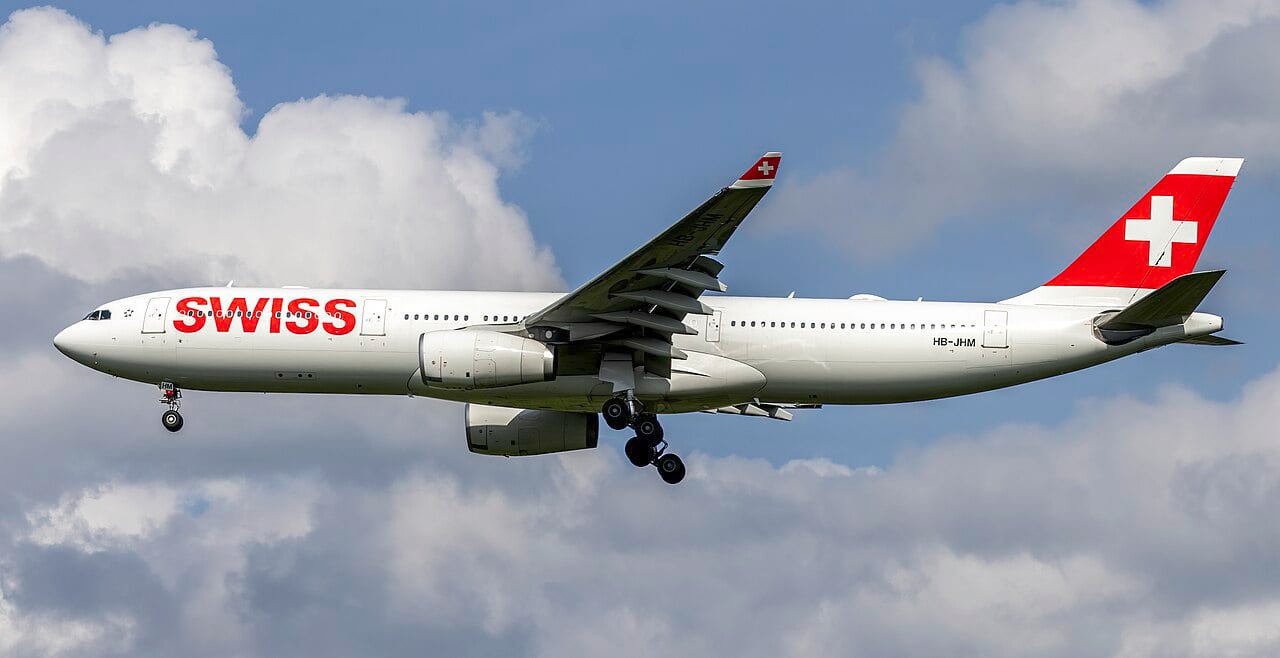
Most countries use letters after the prefix: G-EUUU, D-AIMA, HB-JHM. The United States uses numbers, and the reason is volume.
There are far more aircraft registered in the United States than anywhere else, and a purely alphabetic suffix runs out. So an N-number begins with one or more digits, may end with one or two letters, runs to a maximum of five characters, and cannot start with a zero.
It also cannot contain the letters I or O. Not for any regulatory reason — simply because painted on a fuselage, I looks like 1 and O looks like 0, and reading a registration wrongly is how the wrong aircraft gets cleared onto a runway.
Add up the permutations and the American system yields 915,399 possible registrations. That is the number the FAA has to work with, and it is why N-numbers look like serial numbers while everyone else’s look like words.
The Sub-Registries Nobody Notices
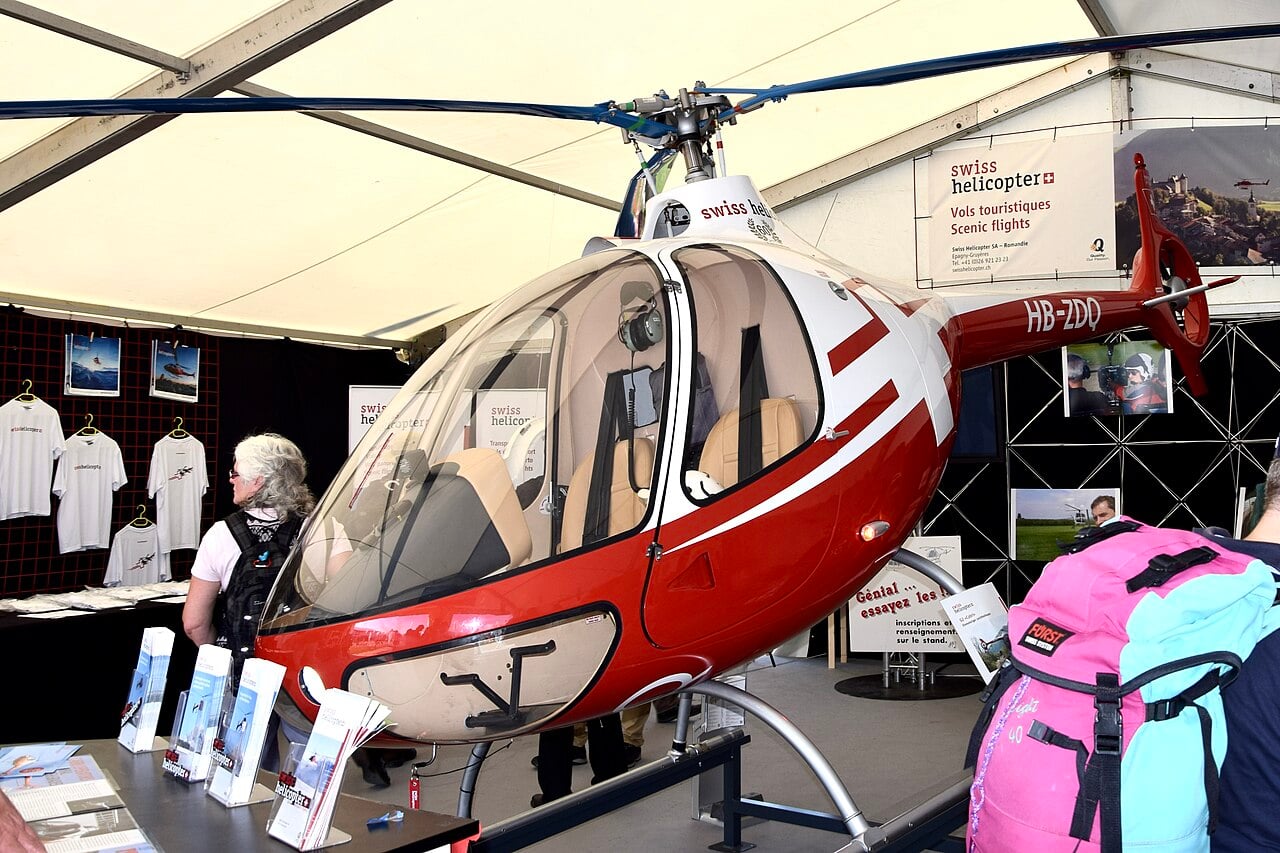
Look closely at any national register and it fragments. Germany and Switzerland both use lettered suffixes for most aircraft — D-xxxx and HB-xxx — but switch to numbers for unpowered gliders, giving D-nnnn and HB-nnn. Read a German registration and the format alone tells you whether the aircraft has an engine.
Other countries do it with a reserved letter instead. Norwegian gliders are LN-Gxx, New Zealand gliders are ZK-Gxx, and the G is doing the same job the numbers do in Switzerland.
There is even an exception to displaying the prefix at all. An aircraft that never leaves its own airspace may be permitted to omit the national prefix, which is why Australian gliders commonly show only three letters with no VH- in front.
If You Want to Read a Tail Properly
The prefix tells you the country of registration, which is not necessarily where the airline is based, where the aircraft was built, or where it usually flies. Aircraft are frequently registered wherever the lease was written.
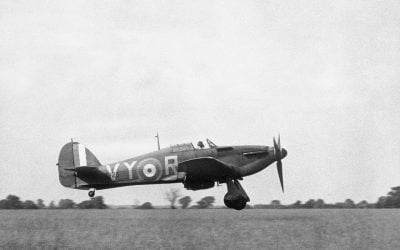
And military aircraft are a different system entirely. They carry serials and tail codes under national military conventions, not ICAO nationality marks — a separate language with its own grammar, which we covered in the guide to air force fin markings and tail codes.
What a civil registration actually gives you is a country, a unique identity, and — if you know where to look — a small piece of a 1913 radio conference still flying around.
Sources: ICAO Annex 7 to the Convention on International Civil Aviation; Convention on International Civil Aviation (Chicago, 1944), Article 20; Paris Convention of 1919; International Radiotelegraph Convention, Washington, 1927; Wikipedia (Aircraft registration).
0 Comments