
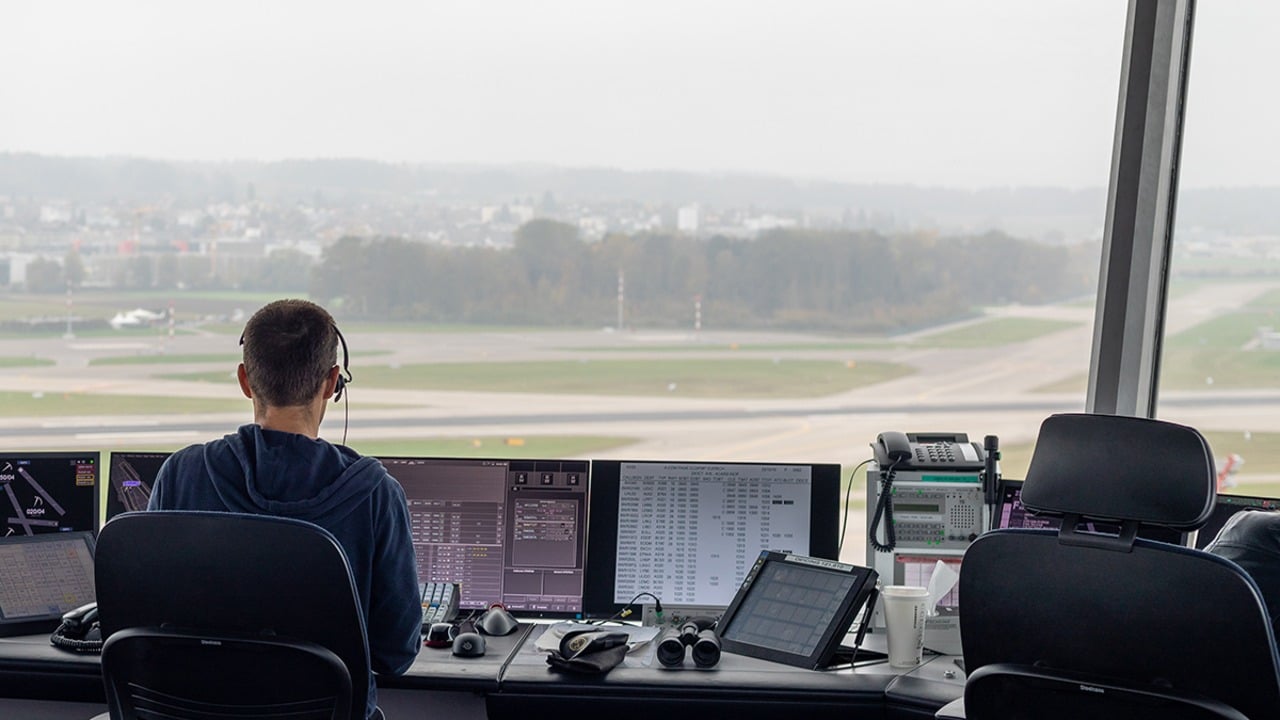
Type “do air traffic controllers make 300k” into Google and you will get a wall of confident yes. It is one of those numbers that circulates because it sounds plausible and nobody checks the source. The source, as it turns out, says something rather specific, and it is printed on the FAA’s own spreadsheet.
Pay in aviation is genuinely confusing, and not by accident. Pilots are not paid for the hours they work. Controllers are paid on a banded system with a legal ceiling most people have never heard of. Military aviators are paid on a table that has not moved since 2017. Every one of those structures produces a headline number that is true and misleading at the same time.
Here is what the primary documents actually say.
Quick Facts
Airline pilots, median: $232,140 (BLS, May 2025)
Airline pilots, range: bottom 10% under $106,710; top 10% over $463,830
Commercial (non-airline) pilots, median: $123,220
Air traffic controllers, median: $148,080, or $71.19 an hour
Controllers, range: bottom 10% under $78,420; top 10% over $215,610
FAA statutory pay cap: $228,000, tied to Executive Schedule Level II
Controller mandatory retirement: age 56
Note: all figures are United States data. No other country publishes comparable detail.
The medians, and why they are not salaries
The Bureau of Labor Statistics publishes the cleanest figures available. In its May 2025 data, the median annual wage for airline pilots, copilots and flight engineers was $232,140. The lowest ten percent earned less than $106,710 and the highest ten percent earned more than $463,830.
Commercial pilots — the non-airline category covering charter, survey, agricultural and air-ambulance flying — had a median of $123,220, with the bottom ten percent under $58,850 and the top ten percent over $266,620. That gap between the two categories is the single most important fact in pilot pay, and it is why “pilot salary” as a phrase is almost meaningless. There are two quite different labour markets wearing the same job title.
Air traffic controllers sat at a median of $148,080, which BLS also expresses as $71.19 an hour. The bottom ten percent earned under $78,420; the top ten percent over $215,610.
Pilots are not paid for the hours they work
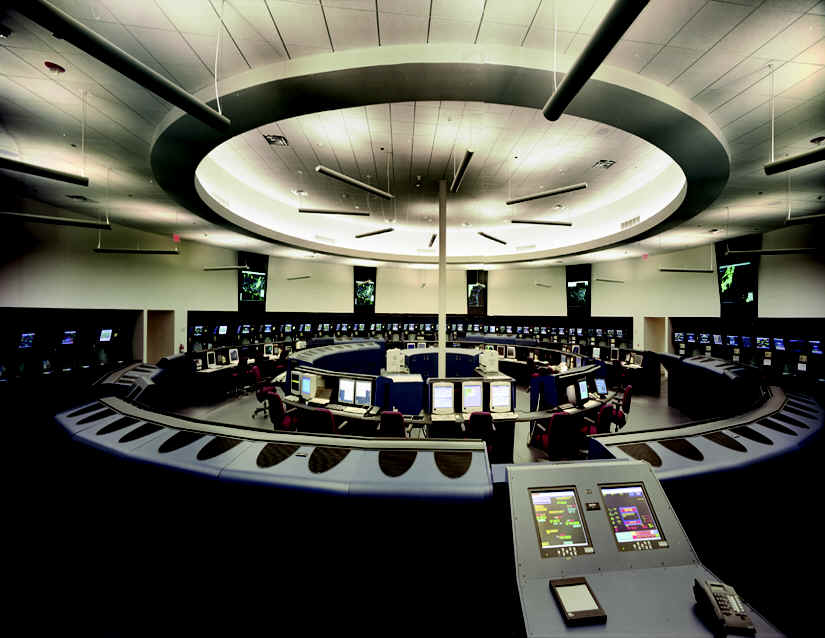
This is the part that breaks every comparison with an ordinary salaried job. Airline pilots are paid for flight hours — block time, engine start to engine shutdown — not for duty hours. Sitting in a crew room for five hours because a connecting aircraft is late is generally not flight time.
The BLS puts the ratio plainly, and the sentence is worth reading twice.
Two hundred and twenty-five hours of work, seventy-five of which generate the hourly rate. Contracts soften this with a monthly guarantee — a floor you are paid whether or not the flying materialises — and with credited hours for training, reserve duty and deadheading. The BLS also notes that pilots receive an expense allowance, or per diem, for every hour they are away from home, and may earn extra pay for international flights.
So the $232,140 median is a real number that does not correspond to any rate you could quote. It is the outcome of a rate, a guarantee, a schedule and a seniority position, and moving one of those moves the total a long way.
Michelle Khare’s run through controller training gives a fair sense of what the job actually demands.
The controller cap nobody mentions
Controllers are paid under the FAA’s Air Traffic Specialized Pay Plan. Base pay depends on the facility level — busier facilities pay more — and then a locality percentage is added on top. In the tables effective 11 January 2026, the certified professional controller band maximum before locality runs from $82,554 at a Level 4 facility to $177,543 at a Level 12. A trainee at the Academy starts at $47,026 before locality anywhere in the country.
Locality is large. San Francisco adds 46.34 percent, New York 37.95 percent, Los Angeles 36.49 percent, and the catch-all Rest of United States rate adds 17.06 percent. Stack the top band on the top locality and the arithmetic sails past $250,000.
Except it does not, because of this.
That figure checks out against the Office of Personnel Management’s own 2026 Executive Schedule table, which puts Level II at exactly $228,000. And the cap is visible in the FAA’s published sheets rather than merely implied: San Francisco prints $228,000 as the controller maximum at facility Levels 10, 11 and 12, and New York prints it at Levels 11 and 12. The number stops climbing because the law stops it.
So, no — air traffic controllers do not make $300,000 in base pay. The legal ceiling on base plus locality is $228,000, the median is $148,080, and even the top decile only begins above $215,610. What sits on top of that is premium pay: overtime, night, Sunday and holiday differentials, earned in facilities that have been chronically short-staffed for years. Those payments are real and at some facilities they are substantial. We could not find a primary source putting a credible figure on typical controller overtime earnings, so we are not going to invent one.
The military comparison that does the work
“How much do B-2 pilots make?” is a popular question with an unsatisfying answer: there is no B-2 salary. There is a rank, a time-in-service figure, and some flight pay.
Under the DFAS tables effective 1 January 2026, an O-4 with over twelve years draws $9,888.30 a month in basic pay — roughly $118,660 a year. Aviation Incentive Pay adds a maximum of $1,000 a month, $12,000 a year, at the twelve-to-twenty-two-year point; those rates have not changed since 2017. On top sit housing and subsistence allowances, which are untaxed and vary enormously by base and by whether the officer has dependants, which is exactly why quoting a single total is dishonest.
The comparison that survives all that hedging is still striking. The median airline pilot, at $232,140, earns roughly double the basic pay of a field-grade officer flying the most expensive aircraft the United States owns.
So who does earn $500,000?
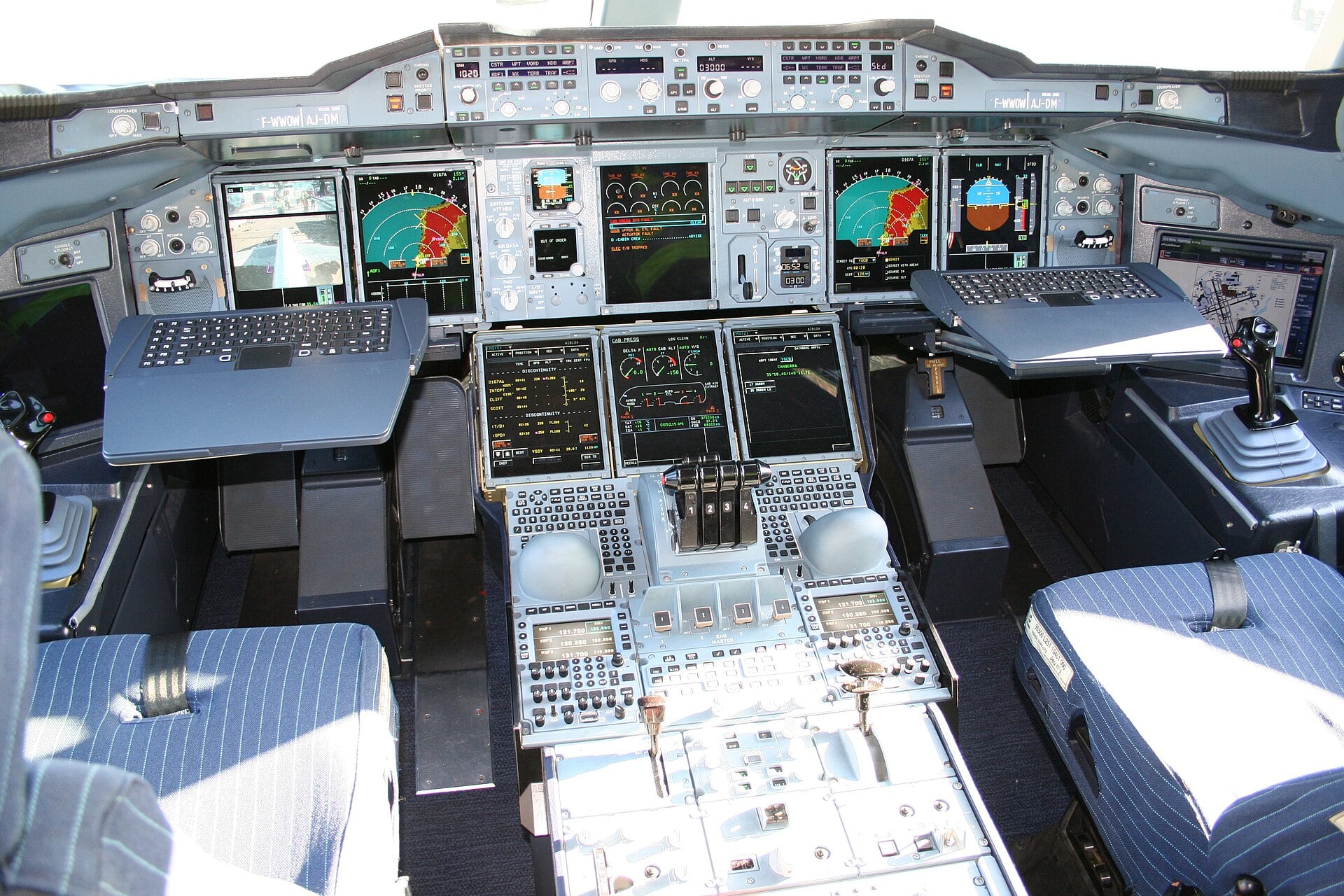
Somebody does, but they are at the far edge of the distribution. BLS puts the ninetieth percentile above $463,830, so $500,000 exists in the tail: senior wide-body captains at a major carrier, flying well above their monthly guarantee, often with international premiums. It is the end state of a thirty-year seniority climb, not a job you are hired into.
The $400,000 question has the same shape — it sits just under the ninetieth percentile. The $200,000 question is much less exotic: with a median of $232,140, roughly half of all airline pilots clear it.
The honest summary is that aviation pay is bimodal and slow. The regional first officer and the wide-body captain appear in the same BLS row and live in different economies, and the distance between them is measured in years on a seniority list. The controller’s path is shorter and harder to enter, better paid at the median, and firmly capped at the top. Neither is the lottery ticket the search results promise.
Inside the FAA academy at Oklahoma City, where every US controller career starts — on $47,026 before locality.
Sources: U.S. Bureau of Labor Statistics, Occupational Outlook Handbook, May 2025 data; FAA Air Traffic Specialized Pay Plan pay tables, effective 11 January 2026; U.S. Office of Personnel Management Salary Table 2026-EX; Defense Finance and Accounting Service basic pay and aviation incentive pay tables; DoD Financial Management Regulation Volume 7A.

0 Comments