
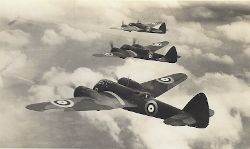
In 1935 a newspaper baron dared British industry to build the fastest civil aircraft in Europe. The result was so quick that when the Royal Air Force turned it into a bomber, it could outrun its own fighters. Two years later that same design flew the RAF's very first sortie of the Second World War. And five years after that, it was being slaughtered in the skies over France. The Bristol Blenheim lived the whole arc of 1930s air power — from world-beater to death trap — in less than a decade.
Informations clés
- Taper: Bristol Blenheim, twin-engine light bomber
- Origine: the private Type 142 "Britain First", first flown 12 April 1935
- Fait d'armes : in 1937, a bomber faster than the RAF's own fighters
- Construit: 4,422
- First shot: flew the RAF's first operational sortie of WWII, 3 September 1939
- Plus tard: obsolescent by 1940, with catastrophic losses in daylight raids
Born from a challenge
The Blenheim did not begin as a warplane. It began as "Britain First," a sleek twin-engine transport commissioned by press baron Lord Rothermere to shame the Air Ministry into modernising. When it flew in April 1935 it was startling: about 30 mph faster than the Gloster Gauntlet biplane that was then a frontline RAF fighter. The Air Ministry took one look and ordered a bomber version.
When the first Blenheim Mk I reached its squadron in March 1937, Bomber Command had something almost unheard of — a bomber that could show its heels to the fighters meant to catch it. For a couple of years, that made it genuinely modern.
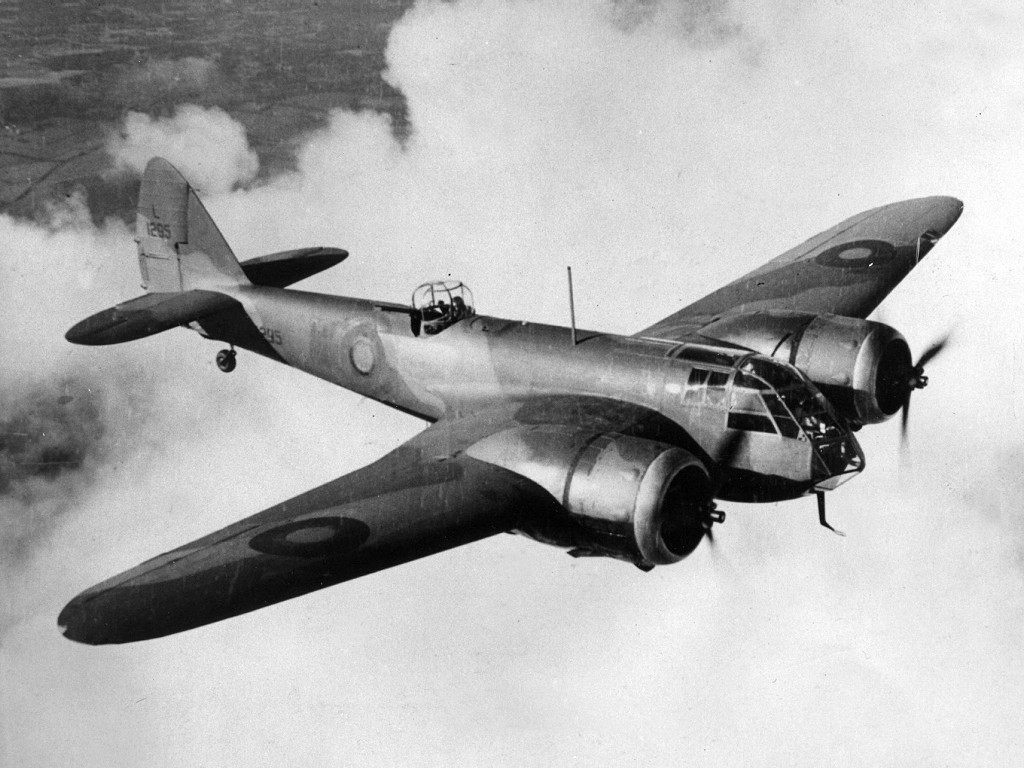
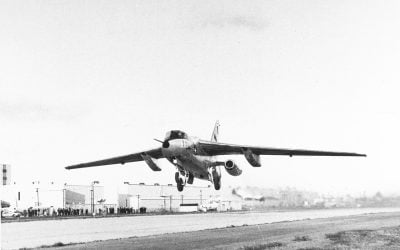
The bomber that could fly faster than contemporary fighters.
First into the war
The Blenheim opened Britain's air war. Just over an hour after the declaration of war on 3 September 1939, a Blenheim of No. 139 Squadron took off from RAF Wyton and flew across the North Sea to photograph the German fleet at Wilhelmshaven — the RAF's first operational sortie of the Second World War. The next day, Blenheims flew the RAF's first bombing raid of the war against the same target.
It was a fighter, too. Fitted with a gun pack and, crucially, early airborne radar, the Blenheim night-fighter variant scored the first RAF kill made using airborne interception radar in the summer of 1940 — a quiet milestone on the road to radar-guided air defence.
Fast, then not fast enough
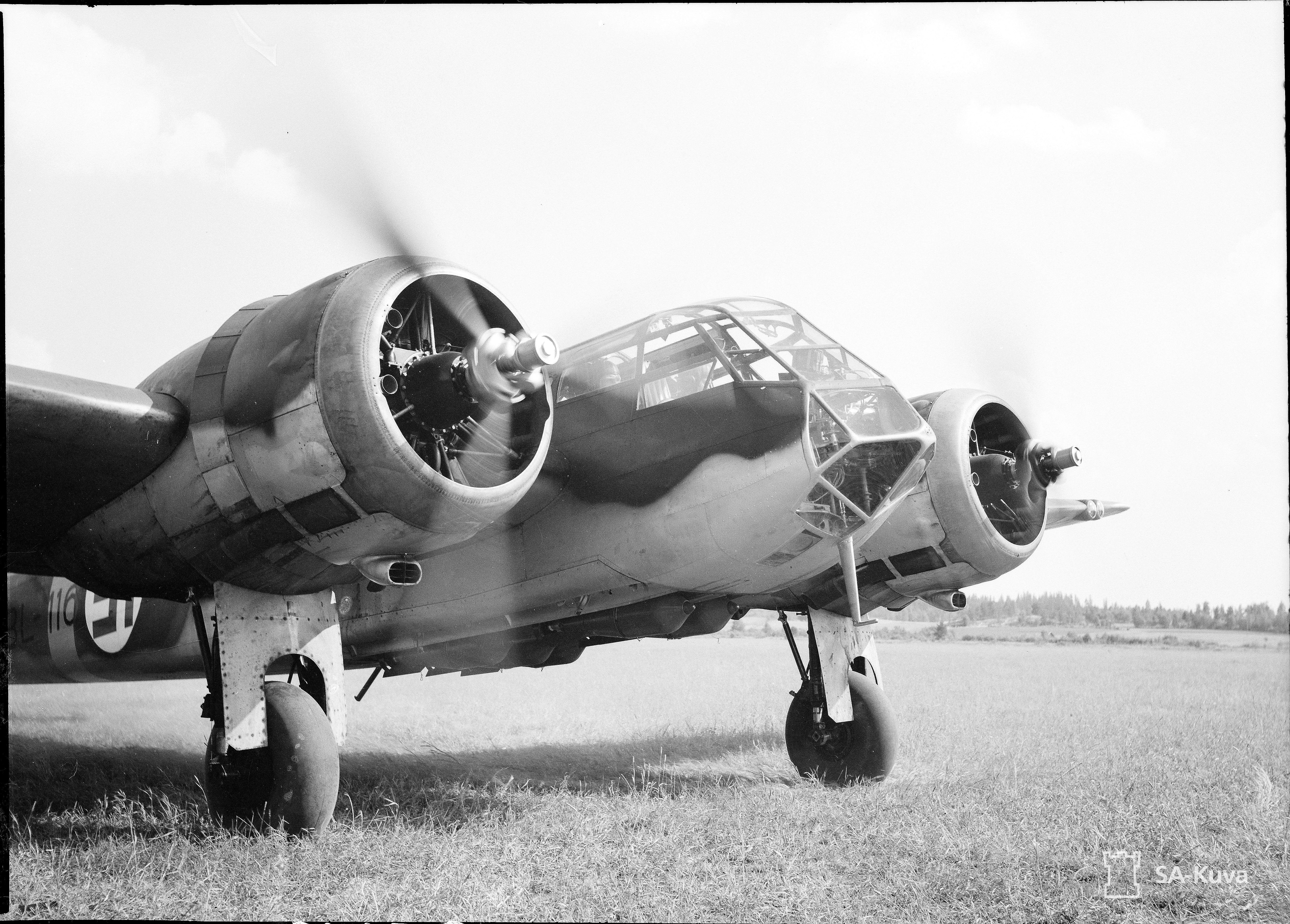
The trouble with being cutting-edge in 1935 is that everyone catches up. By 1940 fighters had leapt ahead, and the Blenheim — lightly armed, thinly armoured — was suddenly desperately vulnerable. In the collapse of France, the RAF flung its Blenheims at German bridgeheads in daylight, and they were shot down in droves.
The crews knew the odds and flew anyway, buying time in the worst weeks of the war. More than 4,400 Blenheims were built, and they soldiered on across every theatre until better aircraft finally replaced them. Today just one flies.
Fast but not fast enough: the full history of the Blenheim.
The Blenheim is a cautionary tale as much as a proud one. It was a brilliant idea that arrived early, served with distinction, and was then asked to keep fighting long after the world had moved past it. That its crews did so, against hopeless odds, is the part worth remembering.
The world's only airworthy Bristol Blenheim.
Sources: Wikipedia (Bristol Blenheim); RAF Museum; Airfix Workbench; Pacific Eagles.
0 Comments