
The most expensive moment in an airliner's day is often not in the air. It is on the ramp, when trucks, tugs, belt loaders and catering lifts crowd around a parked aircraft with minutes to spare.
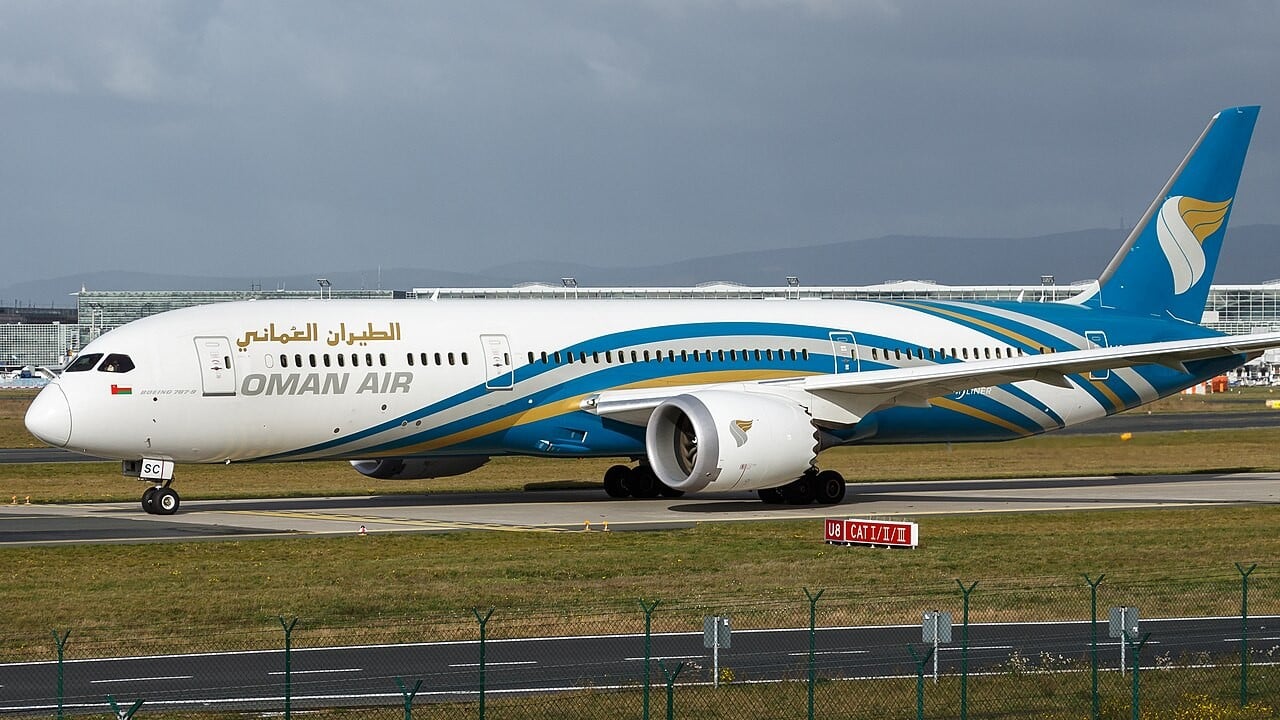
On the evening of Sunday, 11 October, that moment went wrong for Oman Air at Milan Malpensa. While the hold of a Boeing 787-9 was being loaded for flight WY144 to Muscat, a ground vehicle reportedly struck the aircraft's fuselage skin, according to the local news site Malpensa24. The flight, scheduled for 9:50pm, was cancelled. The Dreamliner was declared not airworthy and is grounded in Milan.
Nobody was hurt. The passengers, though, had a long night.
Quick Facts: Oman Air WY144
Date: Evening of 11 October 2026
Aéroport: Milan Malpensa (MXP)
Vol: WY144 to Muscat, scheduled 21:50
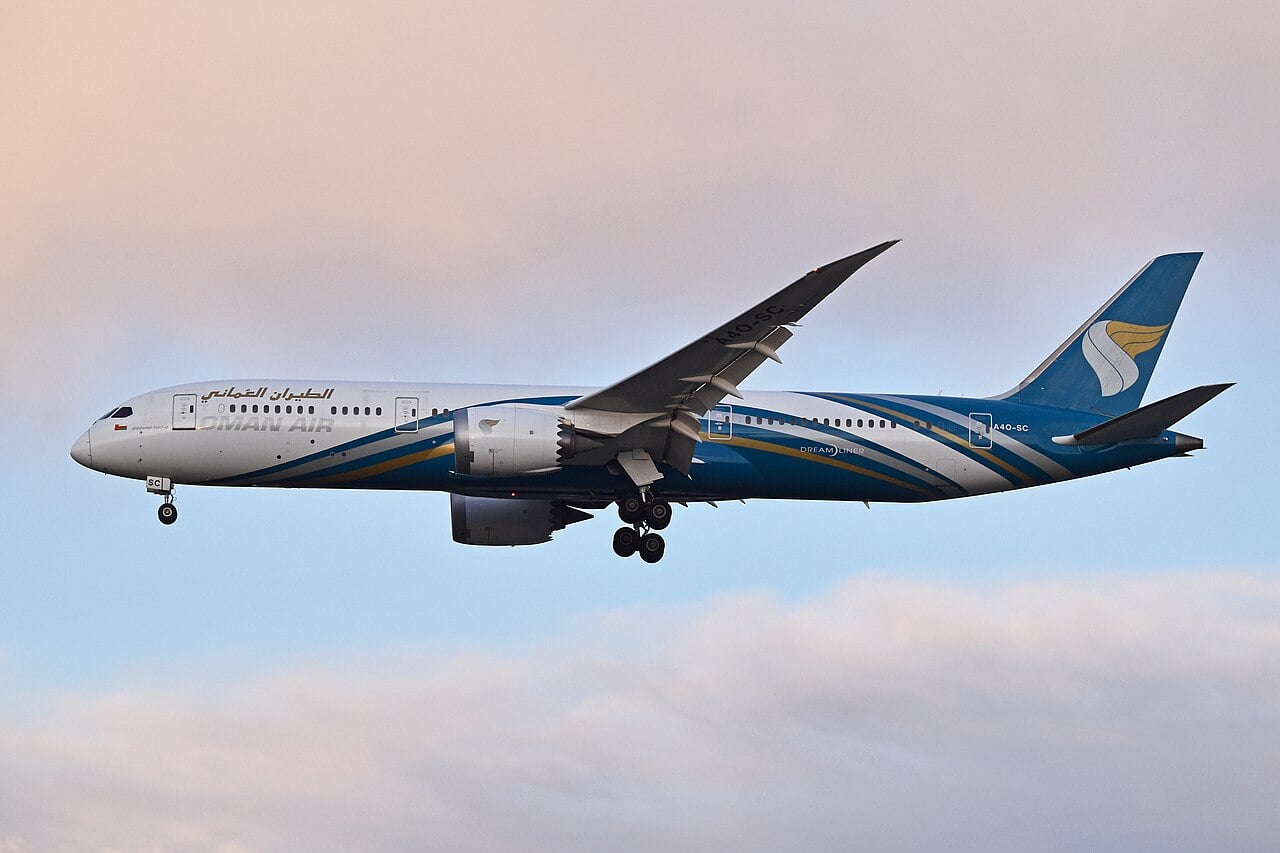
Aéronef: Boeing 787-9, registration A4O-SC (per aeroTELEGRAPH)
Ce qui s'est passé: A ground vehicle reportedly hit the fuselage skin during hold loading
Statut: Declared not airworthy, aircraft on ground (AOG) in Milan
Blessures : Aucun signalement
Repair time: Not disclosed
A Night at Malpensa
Malpensa24 reports that a "technical vehicle" hit the outer skin of the fuselage while the hold was being loaded, making the departure unsafe. Italian aviation site Italiavola, citing the same report, says the aircraft was classified as not airworthy and placed in AOG, aircraft on ground, status. aeroTELEGRAPH identified it as A4O-SC.
Passengers spent hours watching the delays stack up on the departure boards before it became clear, around midnight, that the flight would not leave. One passenger, Daniele Mariani, told Malpensa24 that meal vouchers arrived only after three hours and not everyone got one, that bags came back at 3am, and that some passengers had to take taxis at their own expense to a hotel because the buses were full. His family eventually rebooked themselves on Qatar Airways to continue to Japan.
None of Oman Air, the airport or the ground handler had commented publicly at the time of writing, and the extent of the damage has not been disclosed.
Why a Dent Grounds a Dreamliner
On an aluminium airliner, a minor dent from a ground vehicle can sometimes be assessed, measured against the structural repair manual and fixed with a patch. The Boeing 787 is different. Its fuselage is made of carbon-fibre composite barrel sections, each built in one piece.
Composites do not dent the way metal does. An impact can leave little visible mark on the surface while damaging layers underneath, so engineers have to inspect the area carefully, often with ultrasound, before deciding on a repair. Italiavola notes that because the 787's fuselage is built in one piece, repairs can take longer than on an aircraft with a traditional metal structure.
That is why a ramp incident that would barely make the news for an older jet can ground a Dreamliner for days or more, with a replacement aircraft or a long wait for the passengers who were due to fly on it.
The Hidden Cost of Ramp Rash
Ground damage, known in the industry as ramp rash, is one of aviation's most common and least glamorous problems. Every turnaround packs vehicles and people into a small space around an aircraft worth hundreds of millions, and contact between them is inevitable from time to time. The repair is only part of the bill. Cancelled flights, hotel rooms, rebooked passengers and an aircraft out of service all add up.
Oman Air depends heavily on connecting traffic through Muscat to Asia and beyond, as Italiavola points out, so one cancelled departure from Milan scatters passengers' onward plans across several continents. The Mariani family's trip to Osaka is a small example.
According to the Aviation Safety Network's wikibase, which rates its own confidence in the report as low, the same aircraft, operating the same flight number from Malpensa, turned back in February 2024 after its cockpit windshield cracked. That was a coincidence. This time the damage happened before the aircraft ever moved.
How a one-piece composite fuselage section for the Boeing 787 is built.
Sources: Malpensa24; Italiavola & Travel; aeroTELEGRAPH; Aviation Safety Network.

0 Comments