
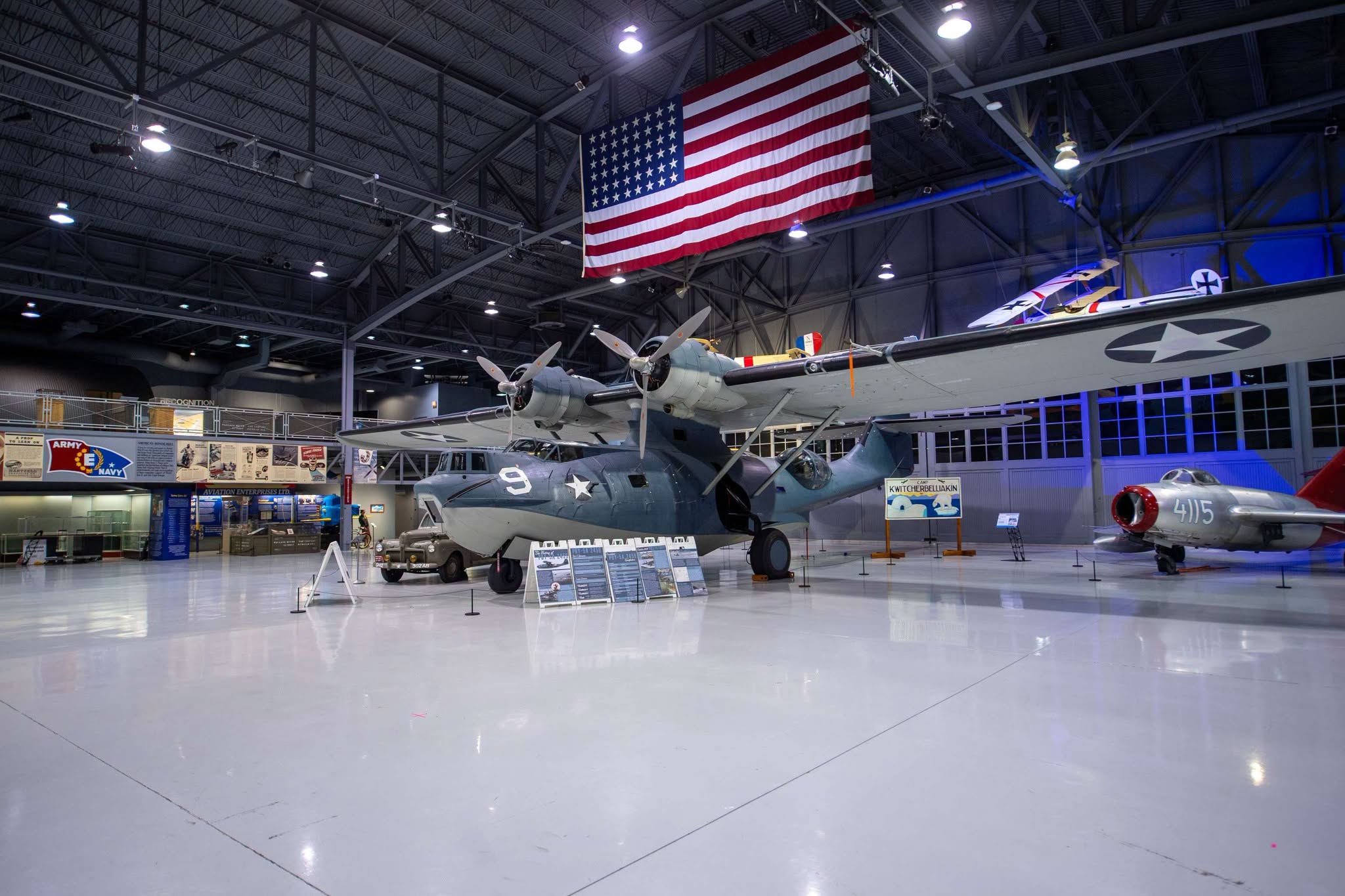
A flying boat that sank U-boats off Iceland. A homebuilt biplane that took one Washington State couple more than a decade. A powered hang glider that lifted off a frozen Wisconsin lake in 1975 and started a movement. They now share a roof in Oshkosh.
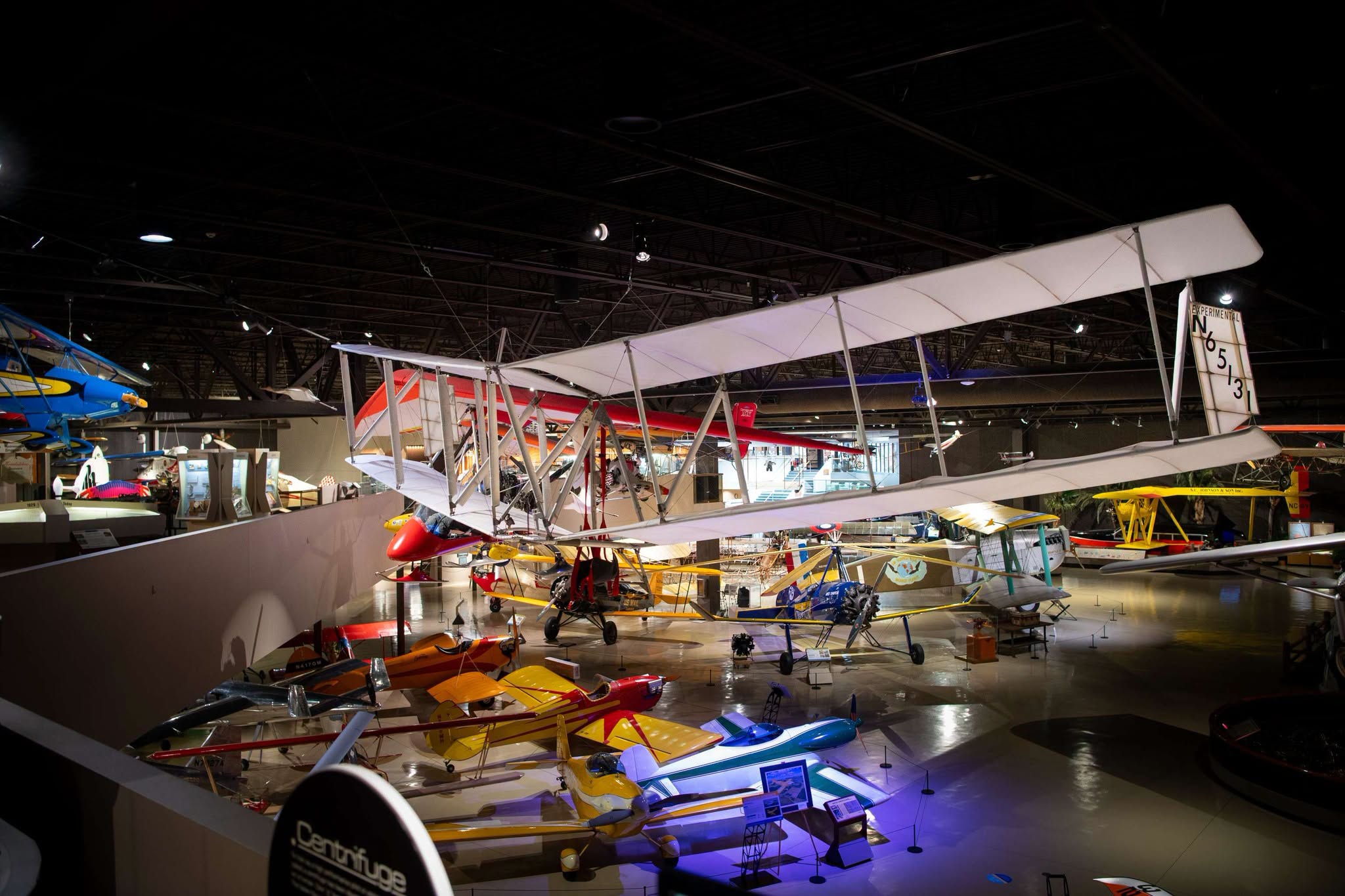
The EAA Aviation Museum has added six aircraft to its displays, the Experimental Aircraft Association announced this week. The list runs from a replica of a 1912 Georgia monoplane to two Second World War fighters, and every one of them comes with a story that fits EAA's world of builders, restorers and dreamers.
Three are replicas or rebuilt homebuilts, two are warbirds on loan from the Frasca Collection, and the sixth is a Catalina with three U-boat kills to its name.
Informations clés
- Museum: EAA Aviation Museum, Oshkosh, Wisconsin
- Annoncé : 15 October 2026 (EAA release)
- Replicas: Douglas World Cruiser “Seattle II” and Epps Monoplane (1912 design)
- Ultralight: John Moody's Icarus II, first flown 15 March 1975
- Warbirds on loan: Curtiss P-40 Warhawk and General Motors-built FM-2 Wildcat, from the Frasca Collection
- Flying boat: PBY-5A Catalina BuNo 2459, from the American Heritage Museum and Collings Foundation
Seattle II: a homebuilt that flies around the world in spirit
The biggest homebuilt in the group is Robert Dempster's full-scale replica of the Douglas World Cruiser, the type that made the first aerial circumnavigation in 1924. EAA describes it as Dempster's first homebuilt project and says he spent 20 years recreating it; Vintage Aviation News dates the construction itself to 2001 to 2014. Named Seattle II and registered N511WC, it honours the original Seattle, the lead aircraft that crashed in Alaska early in that flight.
This is no static model. According to Vintage Aviation News, the replica is powered by an original Liberty V-12 built in 1918 and made its first test hop in December 2014, with its first official flight at Arlington, Washington, in May 2015. The Museum of Flight described it at the time as the world's only flying Douglas World Cruiser replica. After starring in the Vintage area at AirVenture 2026, it is on loan to the museum for at least a year.
EAA's preview of the Seattle II World Cruiser replica ahead of its AirVenture 2026 appearance.
Two homebuilt pioneers: Epps and Moody
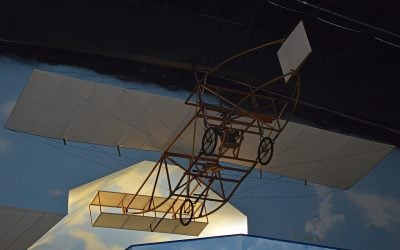
The Epps Monoplane replica recreates the 1912 design of Ben T. Epps, a self-taught mechanic who became Georgia's first aviator. EAA says the original combined scrap timber, cotton covering, bicycle wheels and a low-horsepower engine into an open-cockpit, wire-braced, mid-wing monoplane. Afterburner is publishing a separate story on Epps today.
John Moody, considered the father of ultralight aviation, first flew his Icarus II from a frozen lake at Long Lake, Wisconsin, on 15 March 1975, EAA says. The engine-powered biplane hang glider helped spark the recreational ultralight movement that eventually led to the FAA's Part 103 rules. Moody kept it in his garage rafters for decades before the Michigan Ultralight Association rebuilt it for donation to EAA. His full story also gets its own Afterburner feature today.
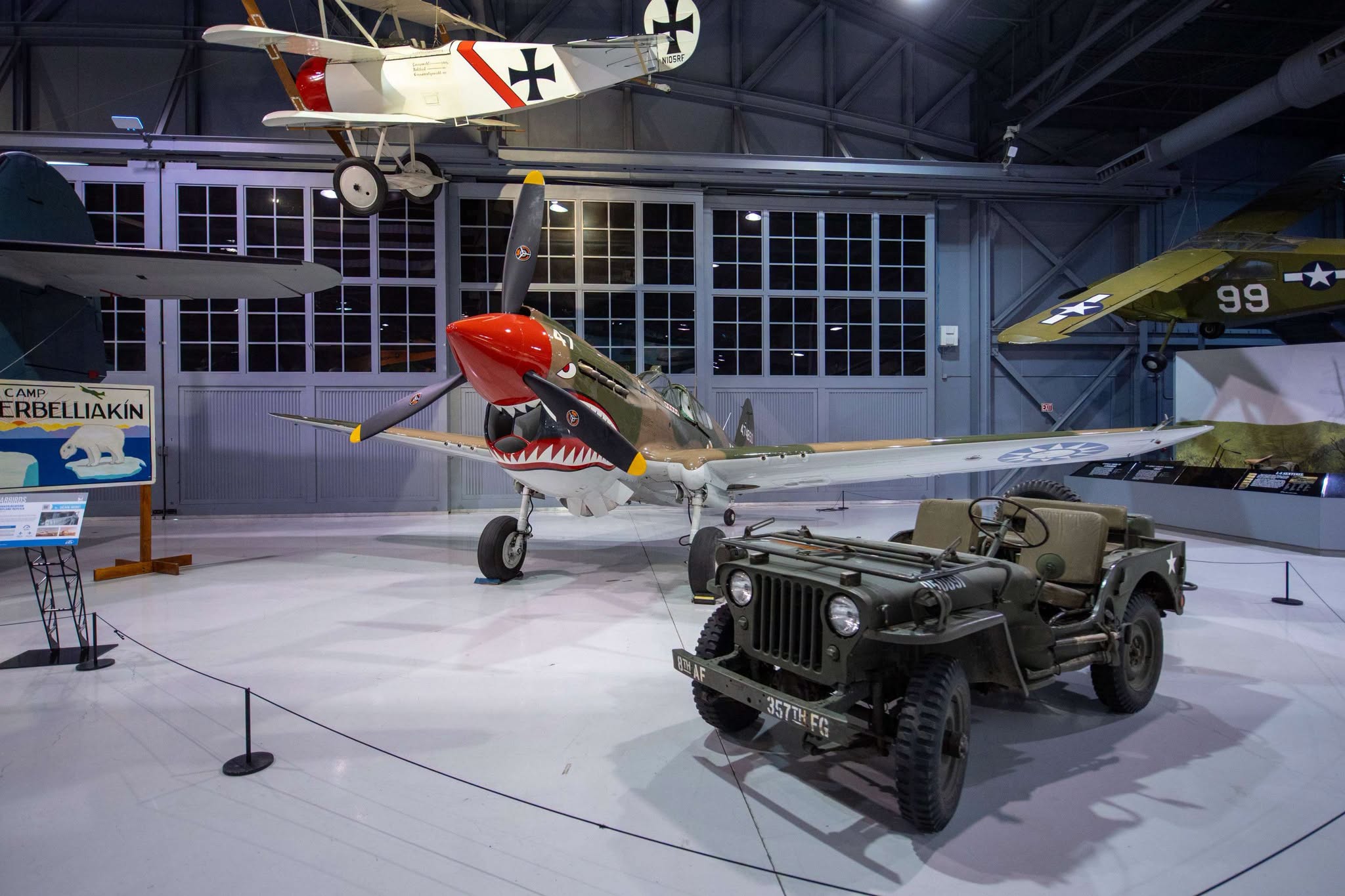
A Warhawk and a Wildcat from the Frasca Collection
Two Second World War fighters arrive on loan from the Frasca Collection. The first is a Curtiss P-40 Warhawk, wearing the shark-mouth nose art that made the type famous. EAA credits the P-40 with enabling more than 200 Allied pilots to become aces in the first part of the war.
The second is a Grumman F4F Wildcat in its FM-2 form, licence-built by General Motors. EAA says the Wildcat compensated for its lack of speed and agility with build quality, armour, firepower and dive speed, and credits it with a seven-to-one win-loss ratio in the Pacific.
PBY-5A 2459: the Catalina that sank three U-boats
The headline arrival is the American Heritage Museum's PBY-5A Catalina, Navy Bureau Number 2459, on loan with the Collings Foundation. According to EAA, this aircraft and its crews were responsible for three confirmed U-boat sinkings and severely damaged a fourth. Vintage Aviation News reports it flew with Marine américaine patrol squadron VP-73 from Iceland and was credited with sinking U-464, U-582 and U-194.
After the war it became a civilian water bomber in Canada, then spent years with a Dutch preservation group before the American Heritage Museum acquired it in 2019. A restoration of about seven years returned it to its 20 August 1942 configuration, the day its crew sank U-464. It flew again on 6 July 2026 and was named World War II Grand Champion at AirVenture 2026, before moving into the museum's Eagle Hangar.
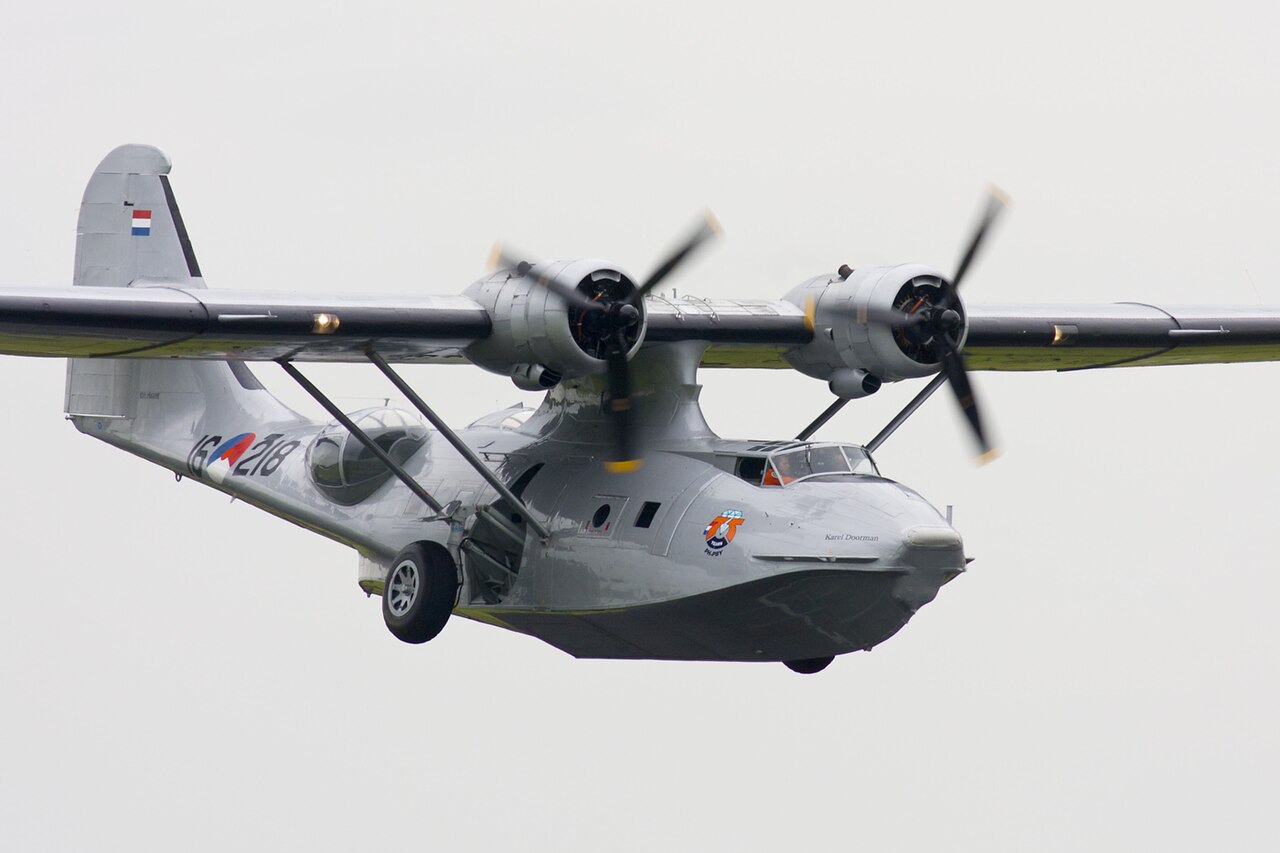
The Catalina was also a lifesaver. As EAA notes, the amphibian could land on the water next to a downed pilot, which made it a key search-and-rescue aircraft as well as a submarine hunter.
The American Heritage Museum tells the wartime and restoration story of PBY-5A BuNo 2459.
Six stories under one roof
Taken together, the six aircraft read like a summary of what EAA stands for. Some were built by individuals with more patience than money, one was rebuilt by a club of volunteers, and three are combat veterans or their sisters kept alive by collectors.
For visitors heading to Oshkosh outside AirVenture week, there is now a replica 1912 monoplane, a 1924 world-flight replica, the first popular ultralight and a U-boat killer all within a short walk. Not a bad afternoon.
Sources: EAA, Vintage Aviation News, Aero-News Network, EAA Hangar Flying, The Museum of Flight, American Heritage Museum
0 Comments