
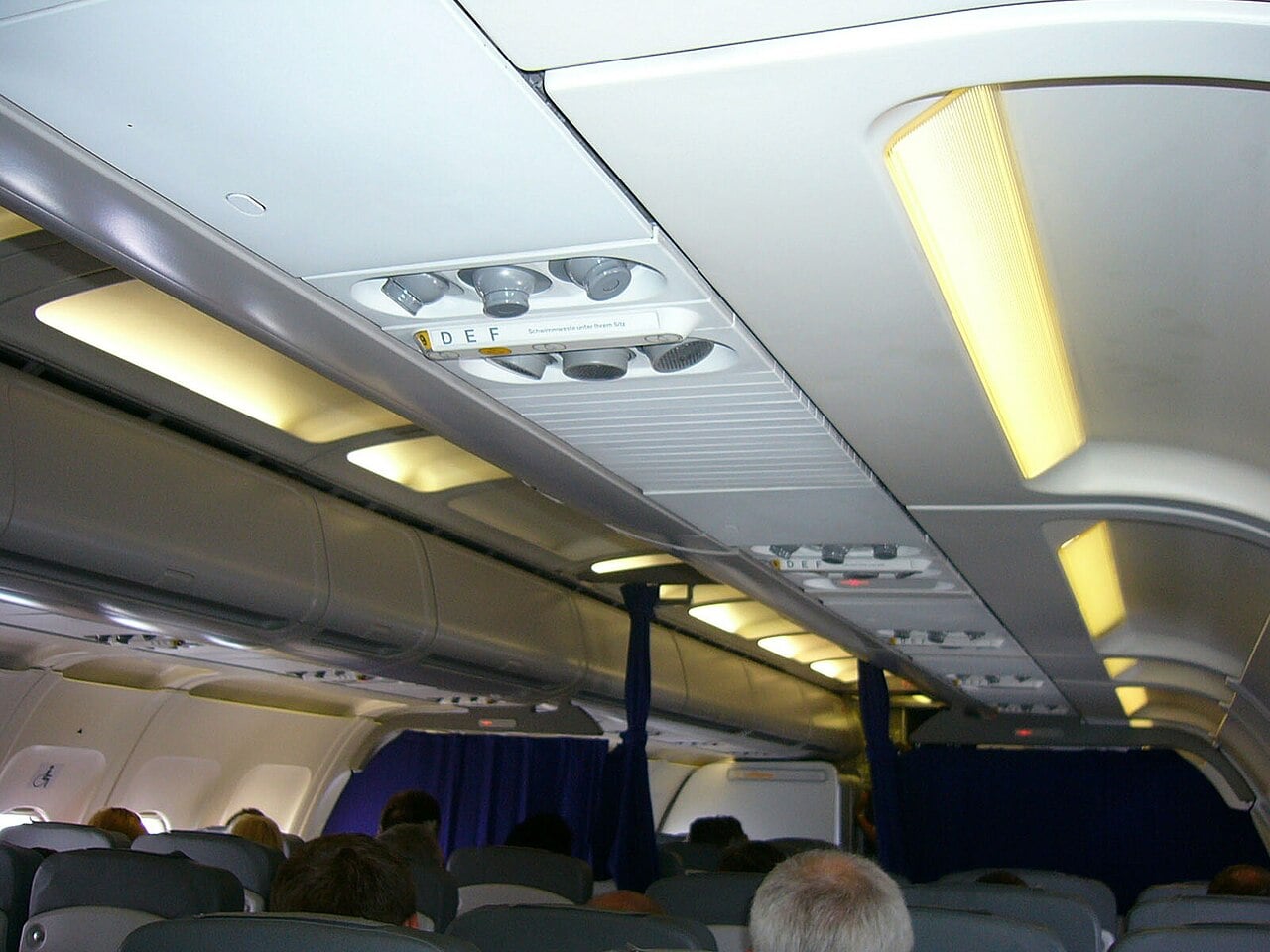
The boarding music is still playing when it drifts down the aisle: a stale, cheesy, slightly chemical smell. Crews have a name for it. They call it “dirty socks”, sometimes “wet dog”. Most passengers wrinkle their noses and forget about it by the time the seatbelt sign goes off.
For the people who work in that tube every day, the smell means something more specific. It can be the first and only sign that engine or APU oil has found its way into the air everyone on board is breathing. That is why a new turbine oil designed to smell less has set off an argument between an American chemical company and a global federation of transport workers' unions.
To understand that fight, you need to know where cabin air comes from, what a “fume event” actually is, and why scientists and unions have been reading the same data and reaching different conclusions for more than 25 years.
Informations clés
- Where cabin air comes from: On most airliners, compressed “bleed air” from the engines or APU
- The exception: The Boeing 787 uses electric compressors instead of bleed air
- Typical warning sign: A “dirty socks” or “wet dog” smell
- FAA estimate (2015): Fewer than 33 cabin air quality events per million departures
- EASA study (2017): 69 measurement flights; no exposure limits exceeded
- The new product: Eastman Turbo Oil 2330, an APU oil with an “inoffensive odor profile”
- The objection: The ITF says less odour does not mean less exposure
Where Your Cabin Air Really Comes From
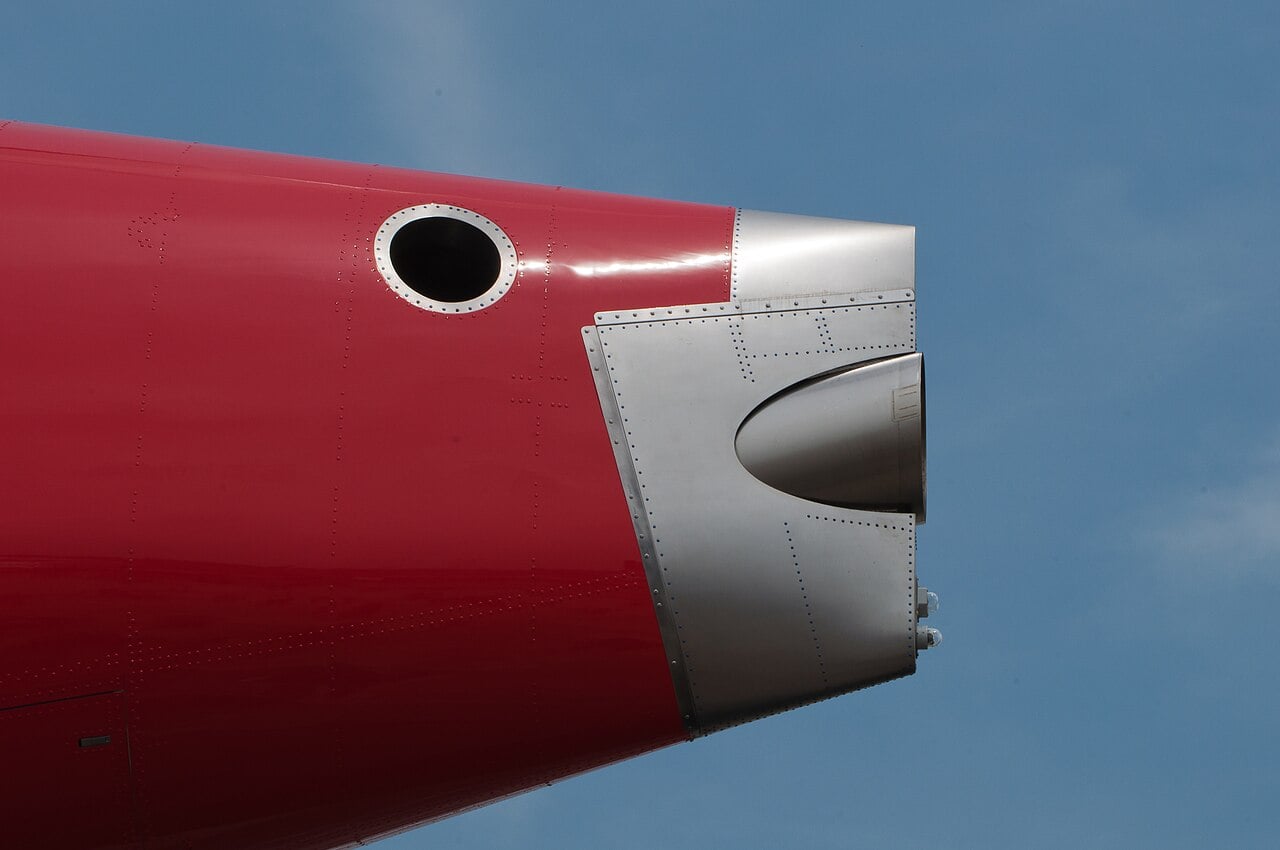
An airliner at 38,000 feet is surrounded by air far too thin to breathe. So the aircraft makes its own. On most jets, a portion of the air already squeezed by the engine compressors, before any fuel is burned, is “bled” off, cooled in the air-conditioning packs and piped into the cabin. On the ground, or when the engines are not supplying it, the auxiliary power unit in the tail can do the same job.
According to the FAA, most large transport aircraft mix that fresh bleed air roughly 50:50 with recirculated cabin air, and most US airliners pass the recirculated half through HEPA filters that remove 99.97 percent of particles. Certification rules require 0.55 pounds of fresh air per occupant per minute. Under normal conditions, the FAA says, studies show cabin air is as good as or better than the air in offices and homes.
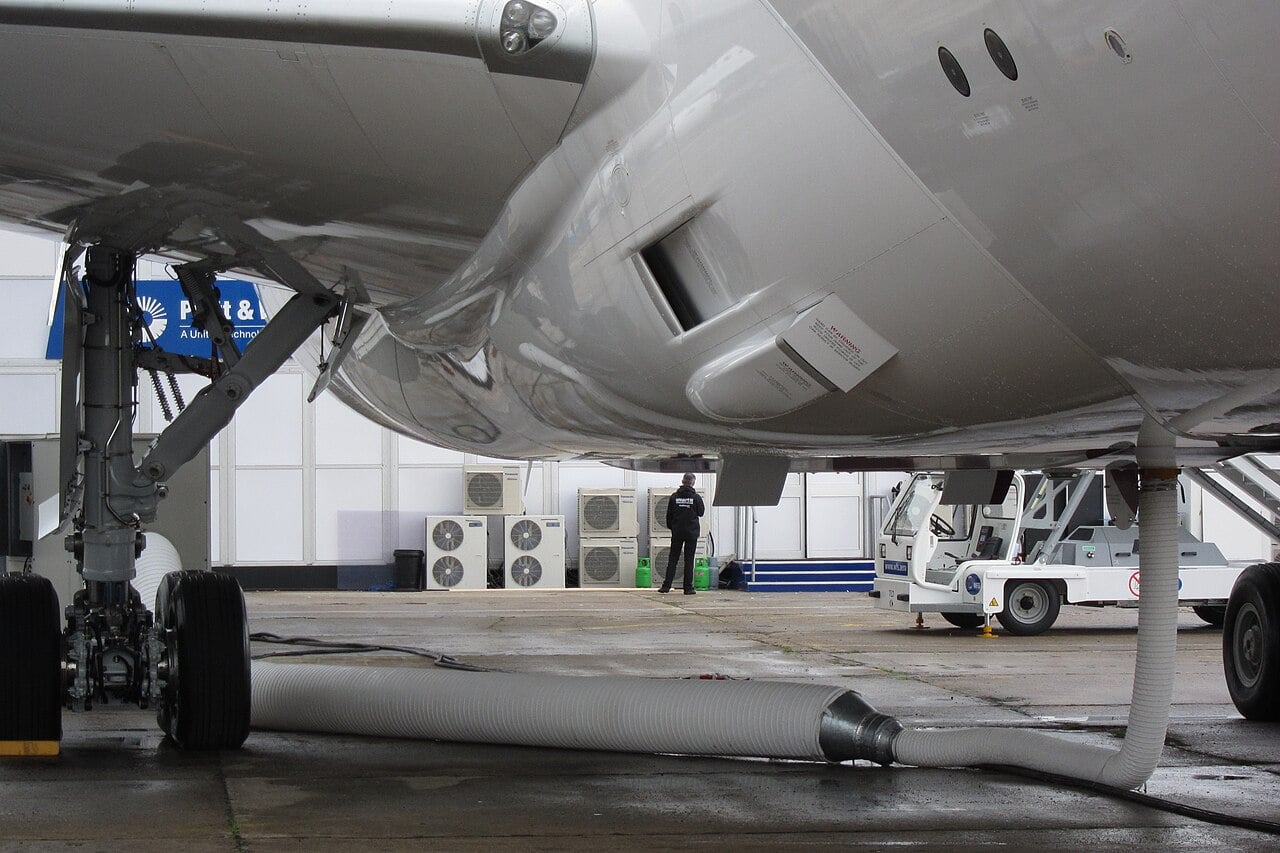
There is one big exception. The Boeing 787 Dreamliner does not use engine bleed air for the cabin at all. It sucks outside air in through its own inlets and compresses it with electric motors. When EASA ran its cabin air measurement campaign, it flew eight of its 69 test flights on 787s precisely because of this “bleed free” design.
How Oil Ends Up in the Air
Jet engines and APUs are full of hot synthetic oil, and the seals that keep it away from the compressed air are not perfect. Even in normal operation, SKYbrary notes, crews are exposed to minimal seal leakage. When a seal wears or fails, much more oil can reach the hot air stream, where it heats up and breaks down.
That is a fume event. SKYbrary describes them as the interaction of incoming air with heated oils or hydraulic fluids from leaking or failed seals in the engine compartment, or from leaks around the APU. The FAA lists failures of an engine oil seal or of recirculation fan bearings among the mechanical issues that can push fumes into the cabin. Eastman itself puts it bluntly on its product page: turbo oil “can leak from equipment and may enter the cabin air system, reacting with heat and water to generate a foul odor in the cabin.”
How often does it happen? Nobody has a perfect number, which is part of the problem. A 2015 FAA review put the rate of cabin air quality events at fewer than 33 per million departures. Australia's expert panel on aircraft air quality said in 2011 that reported fume events were “quite rare”, but also that it could not find consistent reporting systems that would let anyone verify the statistics.
ABC News reports on fumes leaking into airliner cabins and what crews say they experienced.
What Crews Do When They Smell It
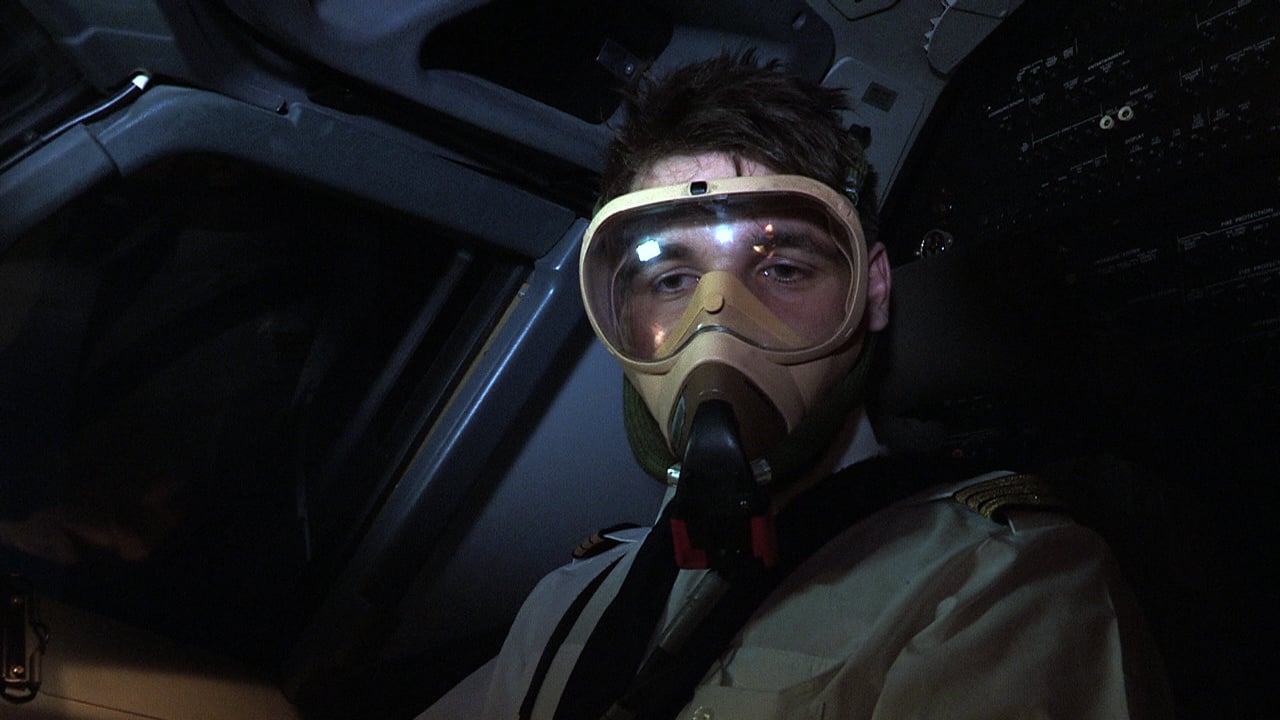
For pilots, the rule is simple. SKYbrary stresses that flight crew should don their oxygen masks immediately at the first sign of smoke or fumes in the flight deck. The masks seal over the face and feed oxygen from the aircraft's own supply, so the pilots stop breathing cabin air altogether while they work through the smoke and fumes procedures in their checklists.
What follows depends on what the crew finds. Some smells fade within minutes, for instance after the APU is shut down or the source system is isolated. Others end in a diversion. SKYbrary's incident files include an A380 that returned to Johannesburg under a MAYDAY in 2023 after an acrid smell filled the flight deck and cabin, later traced to a malfunctioning air cycle machine, and an A320 evacuated at Singapore the same year after an engine oil leak contaminated the bleed air system.
The paperwork matters too. The FAA has no formal definition of a “fume event”, but US airlines must file Service Difficulty Reports whenever smoke, vapour or noxious odours enter the cockpit or cabin. In practice, crews often notice the smell first, and the smell is what turns a hidden seal leak into a maintenance write-up.
What the Research Says
Regulators have spent serious money on this. EASA commissioned two studies, published in March 2017. In the first, the Fraunhofer Institute for Toxicology and Experimental Medicine and Hannover Medical School flew measuring equipment on 69 flights between July 2015 and June 2016, across eight aircraft and engine configurations, paying special attention to tricresyl phosphates (TCP), a marker for engine oil.
The second EASA study, by the Dutch research bodies TNO and RIVM, heated turbine oils and analysed what came off them. It found neuroactive products, but at concentrations it judged too low to be a major concern for neuronal function as long as the lung barrier is intact. It also noted that how much individual people differ in processing such chemicals is still largely unknown.
In the UK, the Committee on Toxicity reviewed the evidence again in 2024 and concluded that the reported levels of the chemicals it examined are “unlikely to cause adverse health effects in aircrew following acute or long-term exposures”. It also pointed out that most measurements capture normal background air rather than actual fume events, and called for real-time monitoring of contaminants on aircraft. In the US, the 2024 FAA Reauthorization Act ordered further cabin air work, and the FAA has signed up the National Academies of Sciences, Engineering, and Medicine for a study.
Simple Flying explains the no-bleed architecture of the Boeing 787 and why Boeing moved away from engine bleed air.
The Aerotoxic Syndrome Debate
Here the consensus ends. In 2000, researchers Chris Winder and Jean-Christophe Balouet coined the term “aerotoxic syndrome” for ill health they attributed to breathing air contaminated by jet engine oil. It is not an established medical diagnosis, and regulators such as the UK CAA say long-term harm from cabin air is understood to be unlikely, although they do not rule it out.
Crew organisations see it differently. IFALPA calls the long-term picture “unclear”, and the Global Cabin Air Quality Executive, which includes pilot and flight attendant unions, lists symptoms such as memory problems, headaches and fatigue among the possible long-term effects. IATA's own guidance says symptoms after an event are usually short-lived but that some crew report ongoing ill health, while research has not established a causal link.
The argument keeps landing in court. In 2020, the Oregon Workers' Compensation Board ruled in favour of a JetBlue captain, Andrew Myers, who linked his neurological problems to contaminated air. And according to aeroTELEGRAPH, an American Airlines flight attendant is now seeking 30 million dollars over a January 2024 incident on an Airbus A319, in which a dirty-socks smell reportedly spread through the cabin after the APU was started. Those claims are being litigated and have not been proven.
Eastman's Low-Odour Oil and the ITF's Alarm
Which brings us to Eastman Turbo Oil 2330. Eastman says it is designed specifically for the APU, and that its “inoffensive odor profile” reduces unscheduled maintenance after odour reports, keeping more aircraft flying. In April 2025 the company announced US Air Force approval to the MIL-PRF-7808 Grade 3 specification, and said civil approvals could come as early as 2026, with Honeywell Aerospace working with it on APU certification.
The International Transport Workers' Federation, together with the European Transport Workers' Federation, launched a campaign against it in August 2026. Its argument is not that the oil is more toxic. It is that the smell is the alarm, and an oil that smells less may simply silence it, so events still happen but get noticed later or not at all. aeroTELEGRAPH also notes that Eastman's page does not say whether anything beyond the odour is reduced.
The union wants national aviation authorities and labour inspectorates to carry out a safety and occupational-health review of the oil, with a specific focus on what reduced odour detectability means for reporting.
How an airliner's bleed air system works, from the engine compressor to the cabin.
So What Should You Make of the Smell?
For a passenger, a brief whiff during engine or APU start is not unusual, and most of the time nothing more comes of it. A persistent smell, visible haze or crew members reaching for oxygen is a different matter, and that is exactly what crews are trained to report.
The deeper point of the ETO 2330 row is that aviation still leans on the human nose as a sensor. Regulators, researchers and unions all agree on one thing: better real-time monitoring would settle a lot of arguments. Until those sensors arrive, the dirty-socks smell remains one of the only alarms in the cabin, and the question is whether anyone should make it quieter.
Sources: aeroTELEGRAPH, ITF Global, Eastman, EASA, FAA, SKYbrary, UK Committee on Toxicity, Wikipedia (Aerotoxic syndrome), ABC News
0 Comments