
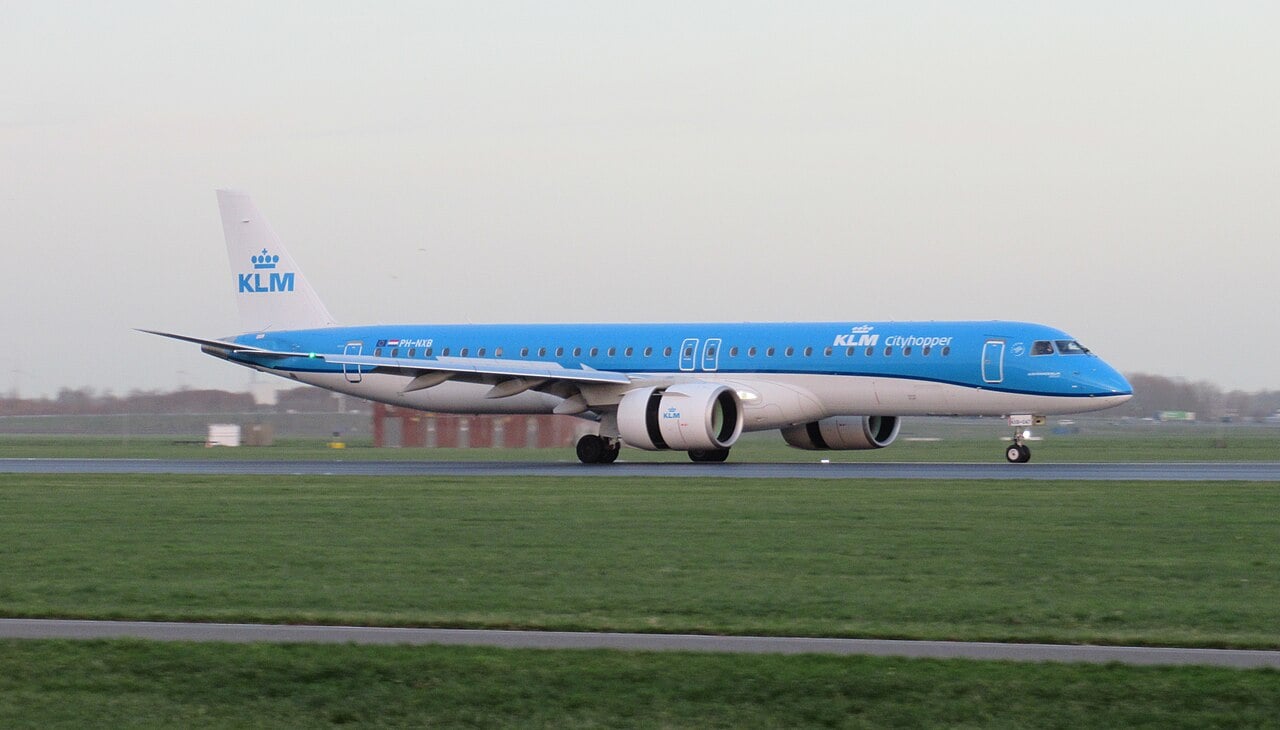
KLM is shrinking to survive. On Thursday, 5 November 2026, the Dutch flag carrier announced a sweeping restructuring that will cut its workforce by almost 15 percent, hand large parts of its ground operation to outside companies, and rewrite its European fleet plan: the Airbus A320neo is out, and more of KLM Cityhopper’s smaller Embraer E195-E2s are coming in.
The timing is pointed. On the same morning, parent group Air France-KLM reported a stronger third quarter. KLM’s own numbers improved too, but not nearly enough for its management, which says the airline must lift its annual result by around a billion euros to pay for new aircraft.
Informations clés
- Compagnie aérienne: KLM Royal Dutch Airlines, part of Air France-KLM
- Annoncé : 5 November 2026, alongside third-quarter results
- Jobs: Workforce to fall by almost 15%; about 5,000 jobs reorganised, outsourced or moved to Air France-KLM; about 1,000 jobs to disappear through productivity gains
- Workforce today: About 31,000 people (aeroTELEGRAPH)
- European fleet: A321neo stays; Embraer E195-E2s replace the planned A320s; Boeing 737 and Embraer E190 to be phased out
- Taille de la flotte : 185 Airbus, Boeing and Embraer aircraft (KLM)
- Financial goal: Raise the annual result by about €1 billion, to €1.4 billion
Smaller Jets for Europe
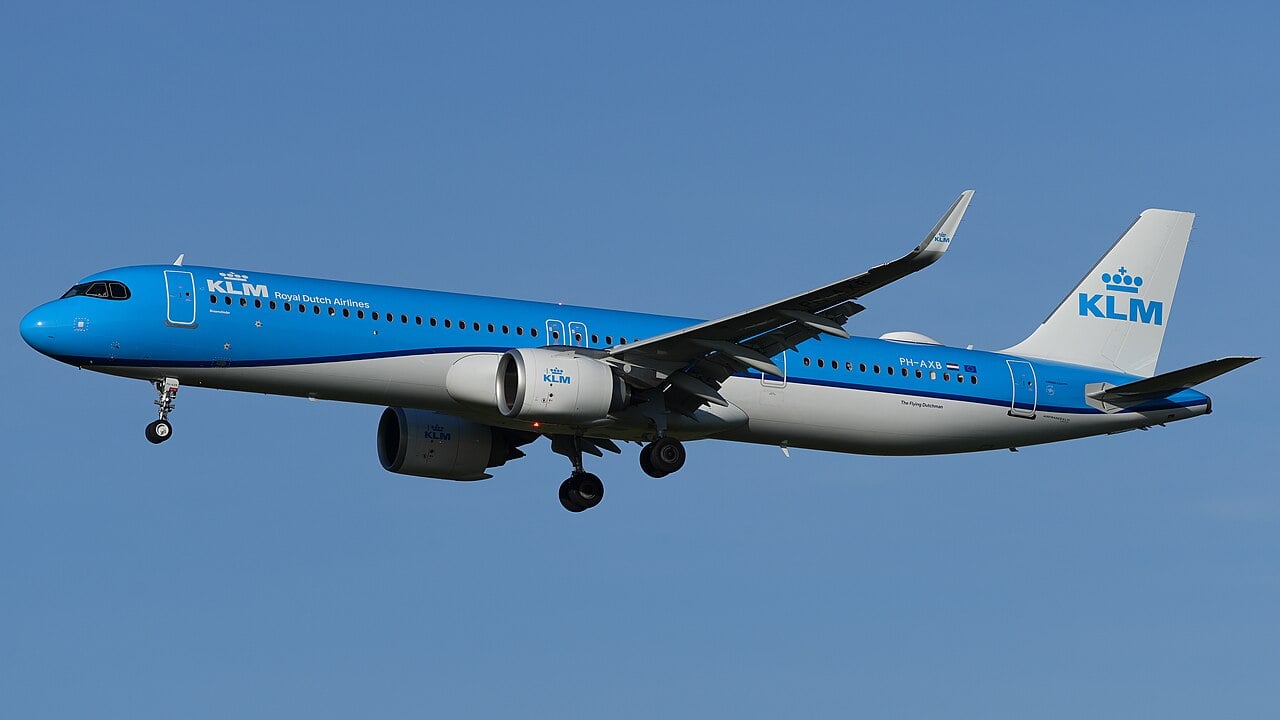
The fleet change is the headline for anyone who watches Schiphol. KLM says it will use a different mix of large and small aircraft in Europe. The A321neo, which KLM already flies, stays. But instead of the A320s it had planned to add, it will take more Embraer E195-E2s, which are flown by its regional subsidiary KLM Cityhopper.
The logic is simple: with more small jets, KLM can match seats to demand route by route, instead of putting bigger jets on thinner routes. The Boeing 737 and the Embraer E190 will leave the fleet over the coming years, leaving a simpler European line-up of A321neos and E195-E2s.
Where the 5,000 Jobs Go
KLM’s own breakdown is more nuanced than the “5,000 jobs” headlines suggest. About 5,000 roles have been, or will be, organised differently. Of those, 1,250 catering jobs have been run with gategroup since this spring, around 800 ground services jobs will move to an external company, and about 2,000 jobs, including 1,500 at the Cygnific customer contact centre, will move to Air France-KLM.
The roughly 1,000 jobs that remain are the ones that simply go, through higher productivity. KLM says it hopes to limit the impact through natural turnover, voluntary measures and transfers. Apron services for European flights at KLM Cityhopper and baggage handling in the east hall at Schiphol will be handed to specialist outside partners.
Good Numbers, Not Good Enough
On paper, KLM is doing better. According to aeroTELEGRAPH, its operating profit for the first nine months of 2026 rose from €328 million to €526 million. But that is an operating margin of about 4.8 percent, against a management target of 8 percent. An earlier savings programme has already delivered more than €750 million of structural improvement, KLM says.
The wider group is in better shape. Air France-KLM lifted its adjusted operating profit in the third quarter by €126 million to €1.35 billion, on revenue of €9.9 billion, as passenger and cargo income more than offset higher fuel costs.
Above: KLM’s own Cockpit Tales film about ferrying one of its new Embraer E195-E2s home, the type that now takes a bigger role in Europe.
What It Means for Passengers
KLM says it will keep investing in the network, with around 160 direct destinations from Schiphol, and in the product: newer aircraft, free fast Wi-Fi on intercontinental flights and a bigger meal offer in Europe. The planned addition of SAS to the Air France-KLM group, now before the European Commission, should create more room for shared work across the group.
For a 107-year-old airline, it is an unusually blunt message: the new Airbus and Embraer jets KLM wants will only arrive if it gets much smaller and much cheaper on the ground first. Rintel added that further changes to the organisation, working conditions and jobs could still come if needed.
Sources: KLM, Air France-KLM, aeroTELEGRAPH, AeroTime, FlightGlobal


0 Comments