
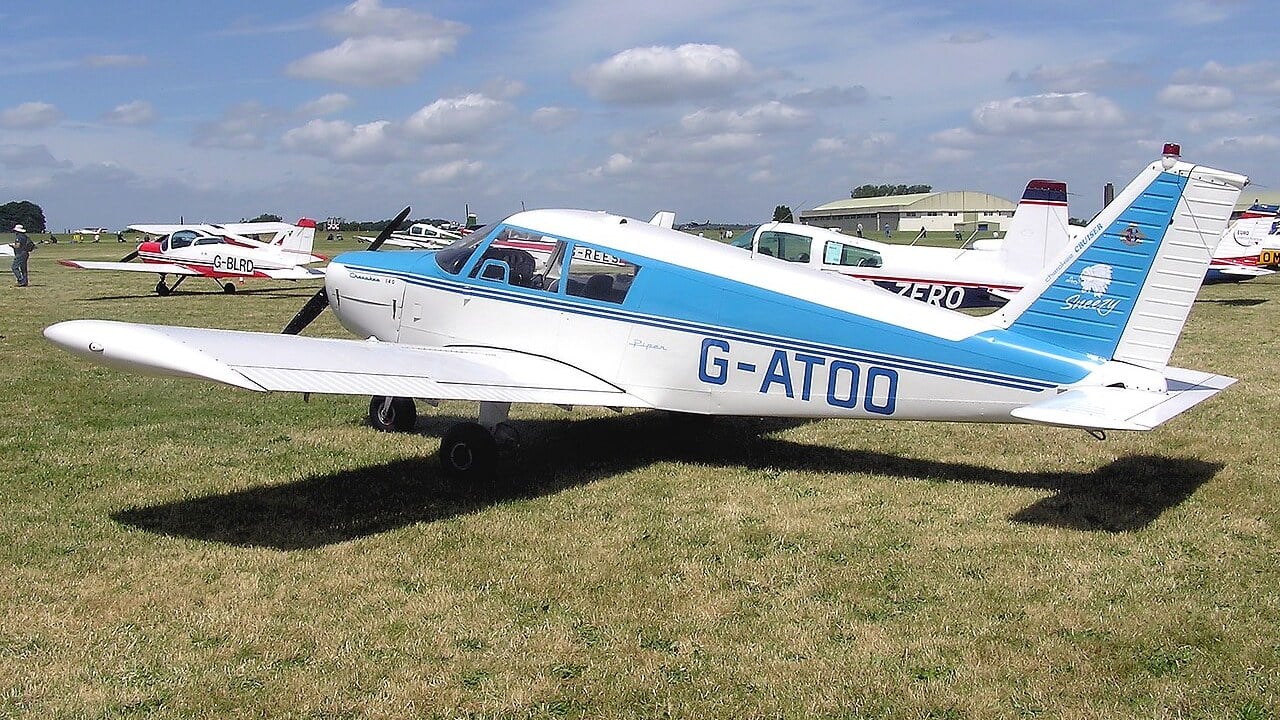
Walk along the flight line of almost any flying school and sooner or later you will meet one: a low-wing, all-metal four-seater with a single door on the right, reached by stepping up onto the wing. Students climb in, strap in and, a few dozen hours later, climb out as pilots. Some go on to fly airliners. Many remember this aircraft fondly for the rest of their lives.
It is the Piper PA-28 Cherokee, and in one form or another it has been doing this job since 1960. The early Cherokee 140 trainer, today’s Archer TX and the Pilot 100i are all members of the same family, built on the same basic airframe that Piper set out to make cheaper and simpler than anything else in its range.
Informations clés
- Taper: Piper PA-28 Cherokee family: single piston engine, low wing, all-metal, two or four seats
- Concepteurs : Fred Weick, Karl Bergey and John Thorp
- FAA type certificate: 1960; production of the Cherokee 150 and 160 began in 1961
- Moteurs : 140 to 300 hp across the extended family; 180 hp Lycoming O-360 in the Cherokee 180 and Archer
- Trainer models: Cherokee 140 (1964), Warrior, Archer, Pilot 100i
- Aile: Constant-chord Hershey Bar wing on early models; semi-tapered wing introduced on the Warrior in 1974 and later on the Archer
- Statut: Still in production at Vero Beach, Florida, as the Archer TX/LX, Archer DX/DLX and Pilot 100i
Piper calls Fred Weick
In the mid-1950s Piper had a problem. Its fast, all-metal Comanche was a step up, but in the lower market it was still selling fabric-covered Pacers and Tri-Pacers, clear descendants of the Cub, against Cessna’s more modern all-metal machines. According to Plane & Pilot, Howard “Pug” Piper reached out in November 1956 to Fred Weick.
Weick was already a legend. At the NACA, the forerunner of NASA, he had won the 1929 Collier Trophy for the NACA cowling, and he had designed the Ercoupe, a two-seater built to be almost impossible to spin. He joined Piper in 1957 and, with Karl Bergey and John Thorp, designed the Cherokee as a cheaper alternative to the Comanche.
Simplicity drove every decision. Weick brought over the Ercoupe’s constant-chord wing, nicknamed the “Hershey Bar” for its resemblance to the chocolate bar, partly because it is easy to build. Compound curves in metal were kept to a minimum. Plane & Pilot reports that Piper claimed the Cherokee used 400 fewer parts than the similarly sized Tri-Pacer.
Piper Aircraft’s own film marking the 50th anniversary of the Cherokee.
The tail was different too. Instead of a fixed stabiliser and a hinged elevator, the Cherokee uses an all-moving stabilator, an idea Plane & Pilot credits largely to Thorp, whose own Sky Scooter used one. Ask any Cherokee student about the stabilator’s anti-servo trim tab and you will probably get a knowing smile.
1960: the 28th design takes off
The PA-28 designation simply means it was Piper’s 28th design. The first PA-28 received its FAA type certificate in 1960, and production of the Cherokee 150 and 160 started the following year. Sales took off immediately.
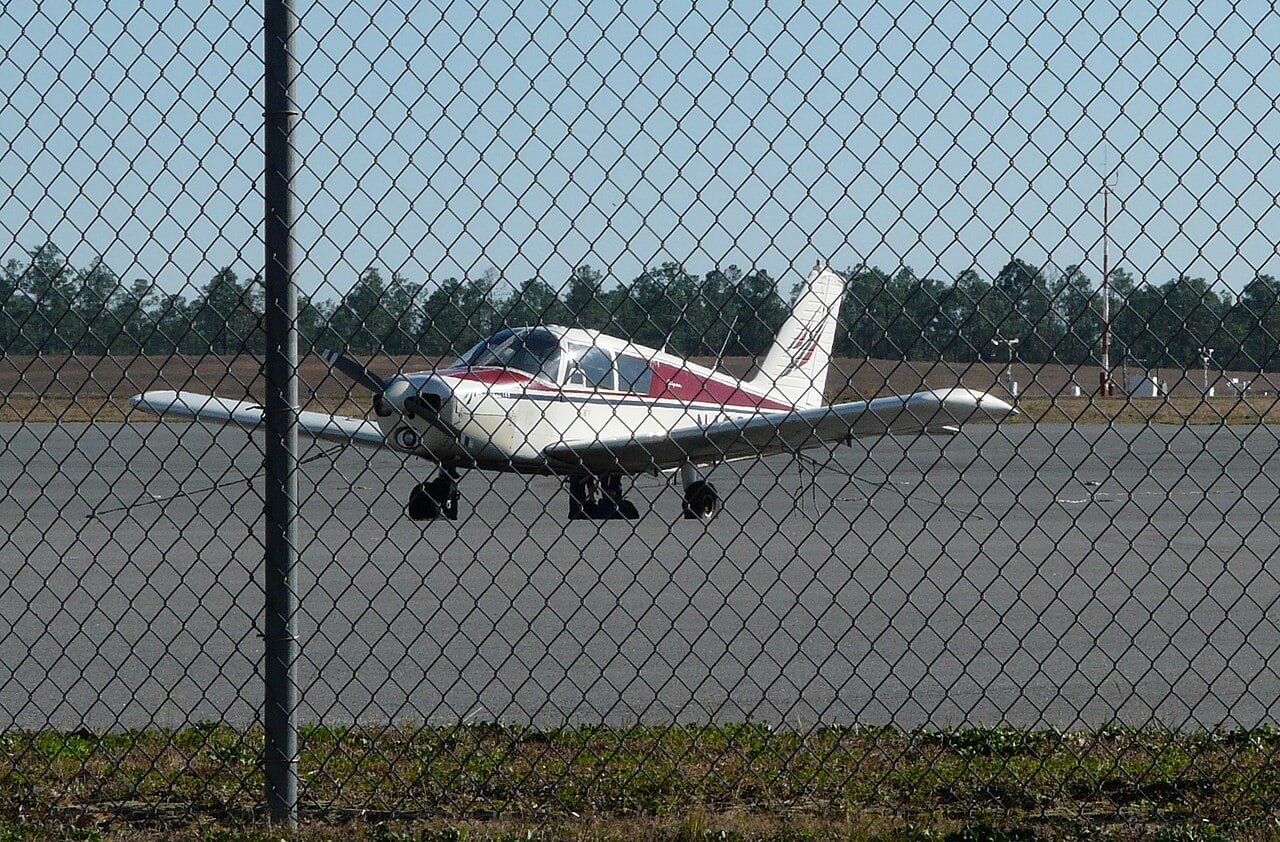
Piper then pushed the design in both directions. For the 1963 model year the Cherokee 180 brought a 180 hp Lycoming O-360, at a time when, as Plane & Pilot notes, the Cessna 172 still had 145 hp. In 1964 Piper filled the bottom of the range with the Cherokee 140, a stripped-down trainer that initially had only two seats; it was soon offered with four. Production records and Plane & Pilot both put the number of 140s built in that first year at 655.
More power, retractable gear and stretched fuselages followed: the Cherokee 235, the retractable Arrow, and the six-seat Cherokee Six, which became the separate PA-32 line.
Warrior and Archer: new names, new wing
In the 1970s the family changed its look. In 1974 the Cherokee 180, by then called the Challenger, was renamed Archer, and Piper reintroduced a 150 hp model as the Cherokee Warrior with a new semi-tapered wing. The Archer later gained it too. The upgraded Warrior II and Archer II became familiar sights on flight school ramps.
Pilots still argue about which wing is better. Fans of the original Hershey Bar wing praise its gentle stall and crosswind manners; FLYING describes it as renowned for its stability and docile handling. Weick himself said the semi-tapered wing was introduced to improve stall characteristics and increase wingspan.
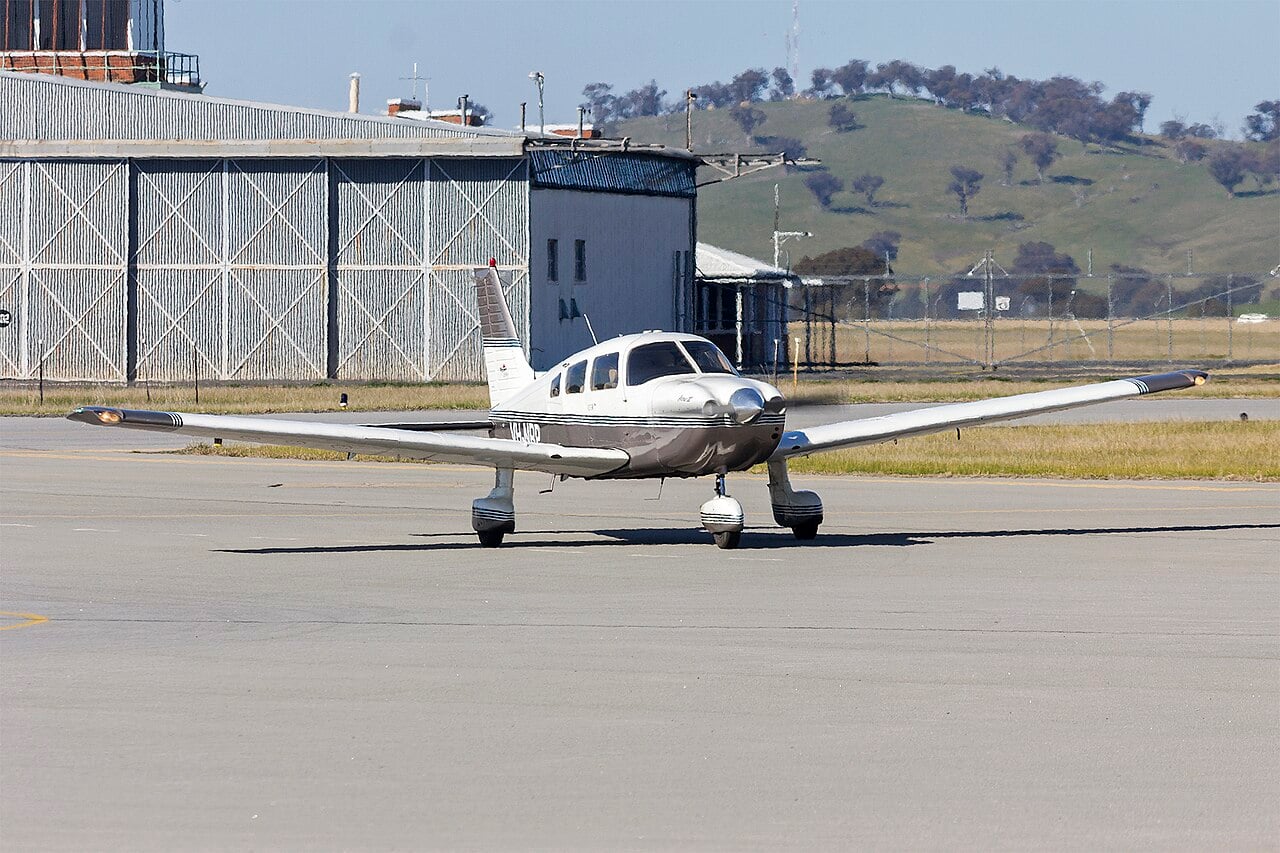
For many pilots, the attraction is simply the way it flies. Oregon pilot Randy Widell, who now co-owns a 1972 Cherokee 180, told Plane & Pilot that he got hooked during his instrument training.
Still in production, still in the schools
More than six decades after certification, the PA-28 is still being built at Vero Beach, Florida. Piper’s current line-up includes the Archer TX and LX with a 180 hp Lycoming, the diesel Archer DX and DLX, and the Pilot 100i, a training version with Garmin G3X Touch avionics. Piper markets it directly to flight schools.
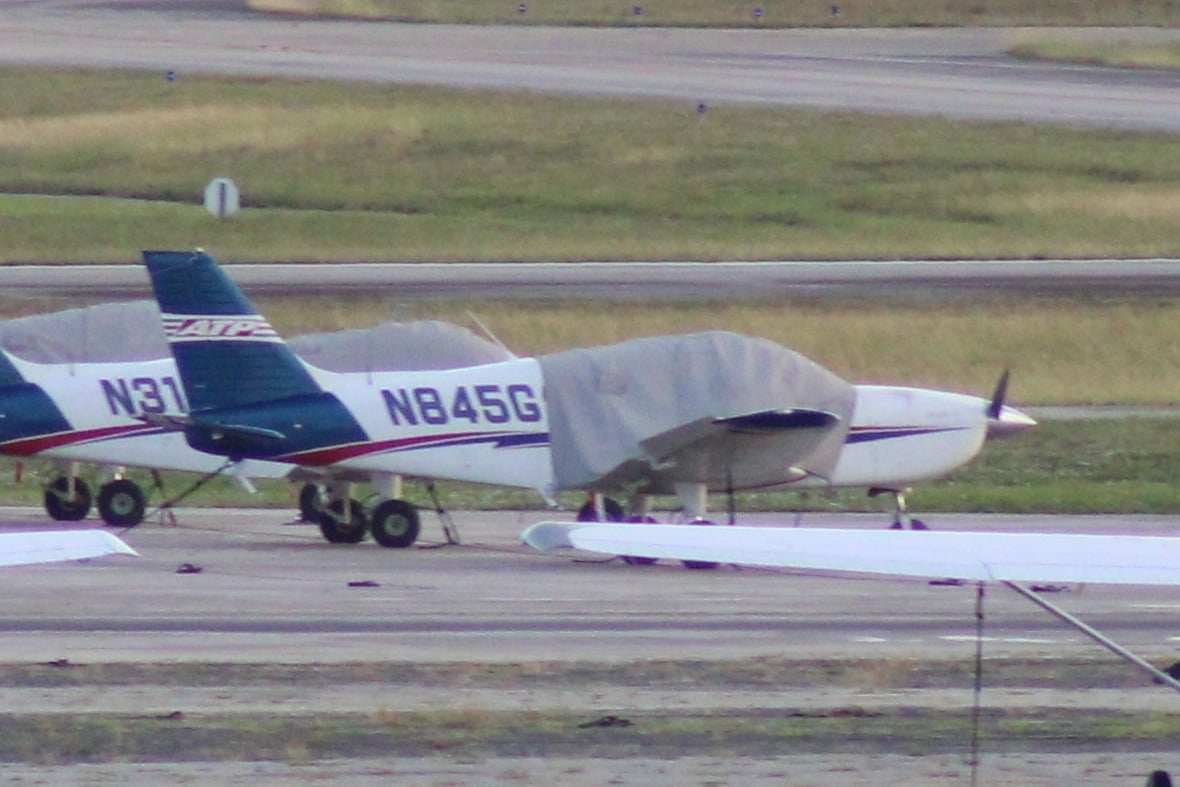
The schools keep buying. At EAA AirVenture Oshkosh in July 2026, ATP Flight School, one of the largest Piper training fleet operators, placed a firm order for six new training aircraft, including three Archer TX, with options on 25 more, FLYING reported.
Owners love the type too. Every summer, a group called Cherokees to Oshkosh trains pilots in formation flying so that dozens of PA-28s can arrive at AirVenture together in a mass arrival. Pilots must complete at least one formation mini-clinic before they can take part.
EAA footage of the Cherokee mass arrival at EAA AirVenture Oshkosh 2026.
In 2018, AOPA technical editor Jill W. Tallman joined the group flying a Cherokee 140, and AOPA wrote that the group was welcoming and safety-minded and quickly became like a family. Its organisers are clear about what they are not doing.
The Cherokee was never a glamorous aeroplane. It was designed to be simple to build, easy to fly and affordable to own, and that is exactly why it has lasted.
Spartan College of Aeronautics and Technology explains why it trains pilots on the Piper Archer TX.
For countless pilots, the first take-off they ever made in command began with a step up onto a Cherokee’s wing.
Sources: Plane & Pilot (Approachable Excellence, 2025), FLYING Magazine, AOPA, Piper Aircraft, EAA
Header photo: Adrian Pingstone / Wikimedia Commons, public domain

0 Comments