
Congress put $12.5 billion into rebuilding American air traffic control in 2025. On Tuesday the Transportation Secretary told a Washington audience that the real number is $42.5 billion.
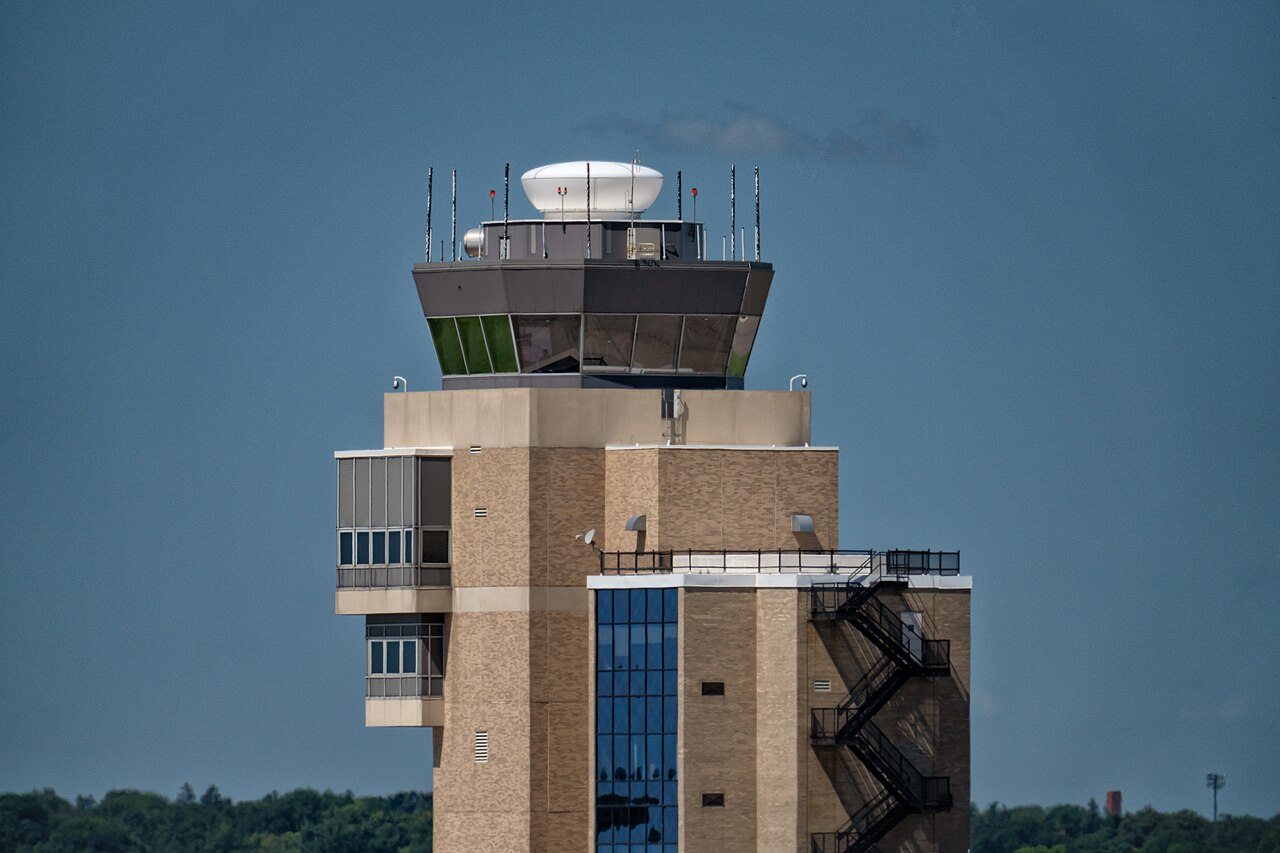
Sean Duffy said the administration will ask Congress for another $30 billion: roughly $10 billion to replace ageing control towers, $10 billion for telecommunications and air traffic technology, and $10 billion for airports. It is more than officials had previously said they would seek, and it arrives while the first phase of the programme is already over budget.
The programme has a name that tells you how the last one went. It is called the Brand New ATC System.
Informazioni rapide
| Annunciato | Tuesday 22 September 2026, in a speech in Washington |
| Chi | US Transportation Secretary Sean Duffy |
| New request | $30 billion from Congress |
| Already allocated | $12.5 billion over five years, approved in 2025 |
| Proposed total | $42.5 billion |
| Split | About $10 billion each for towers, ATC technology and telecoms, and airports |
| Programma | Brand New ATC System (BNATCS) |
| Phase one estimate | $16 billion, according to FAA Administrator Bryan Bedford |
| Telecoms line item | Now projected at $5.91 billion, up from $4.75 billion |
| Contesto | A software-based flight management system went live on 21 September |
What the Money Is For
The request breaks into three roughly equal parts, and the first is the least glamorous and the most overdue: replacing control towers that are decades past the point where anyone would design them that way. The second funds telecommunications and air traffic technology, including expansion of the new software-based flight management system that started operating on Monday. The third is airport infrastructure.
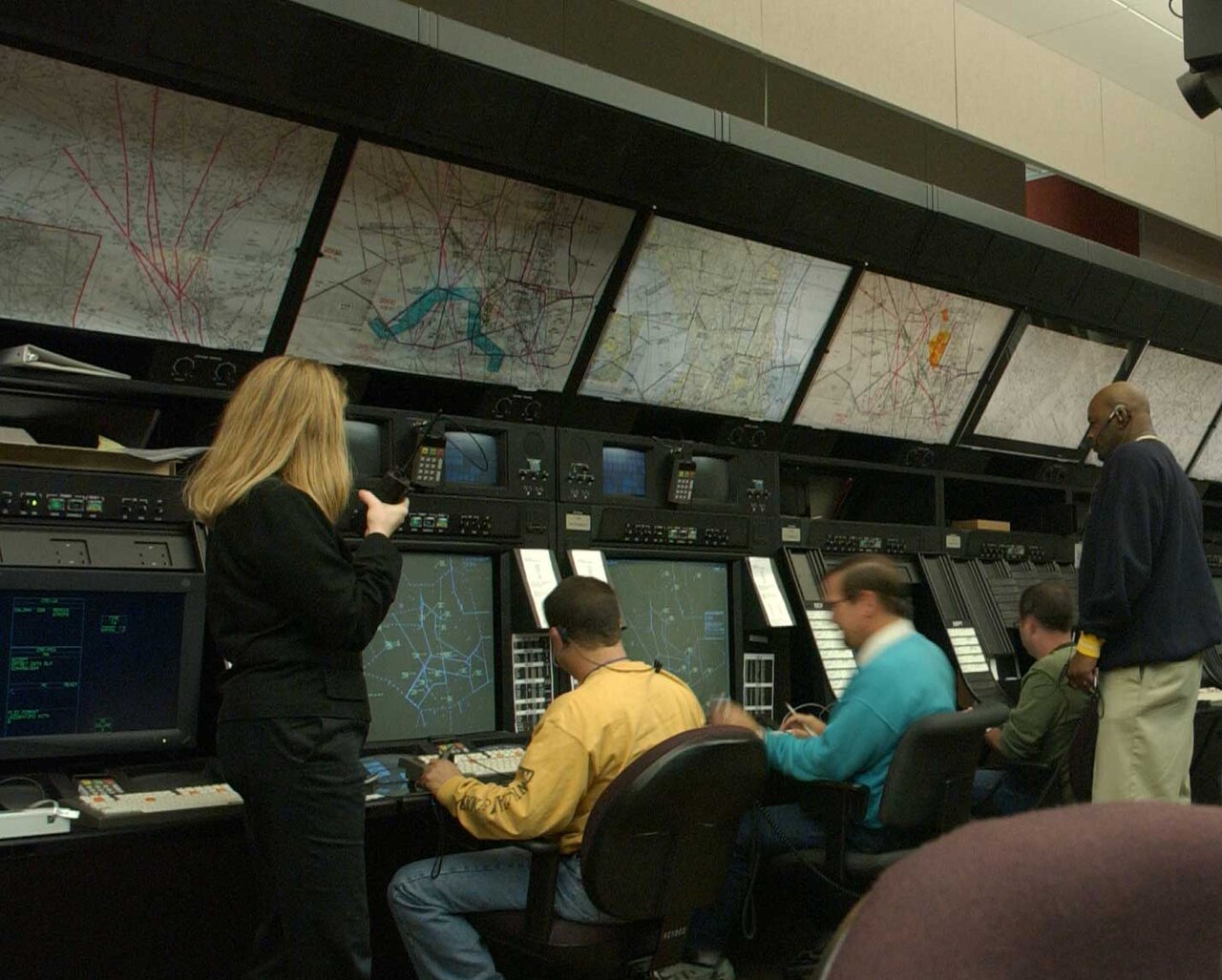
A substantial share of the current budget is not buying anything new at all — it is keeping legacy systems alive while their replacements are built. That is normal for an infrastructure programme of this size, and it is also how programmes of this size quietly consume their own funding.
The Numbers Are Already Moving
FAA Administrator Bryan Bedford said last week that phase one alone is expected to cost $16 billion — $3.5 billion more than Congress has appropriated for the entire five-year effort. The FAA intends to cover that gap out of its existing facilities and equipment budget, which is another way of saying it will come from somewhere else in the same agency. Bedford has also said he wants at least another $10 billion for a second phase.
Individual line items are inflating too. Telecommunications upgrades are now projected at $5.91 billion, up from an earlier $4.75 billion estimate — a rise of roughly a quarter on one component, before the bulk of the work has started.
Duffy’s remarks as the FAA rolled out its new AI-assisted air traffic tool on 21 September 2026. Via The Hill.
Why a Budget Line Is Worth Reading
Because the system keeps failing in public. This month a severed cable at the Philadelphia TRACON produced a ground stop at Newark, and the resilience of the national airspace system has become a recurring news story rather than an engineering footnote. Officials have been explicit that under-investment means more delays and a more fragile network.
The uncomfortable comparison is NextGen, the previous modernisation programme, which ran for years and delivered less than promised at more than it was meant to cost. Everyone involved in the Brand New ATC System knows that comparison is coming, which is part of why this request is being made loudly and early rather than absorbed quietly.
Congress now has to decide whether $42.5 billion is the price of a working air traffic control system or the opening bid on something that will cost more again. On the evidence so far, both can be true.
Sources: Reuters; FLYING Magazine; AVweb; Forbes; NBAA.

0 Comments