
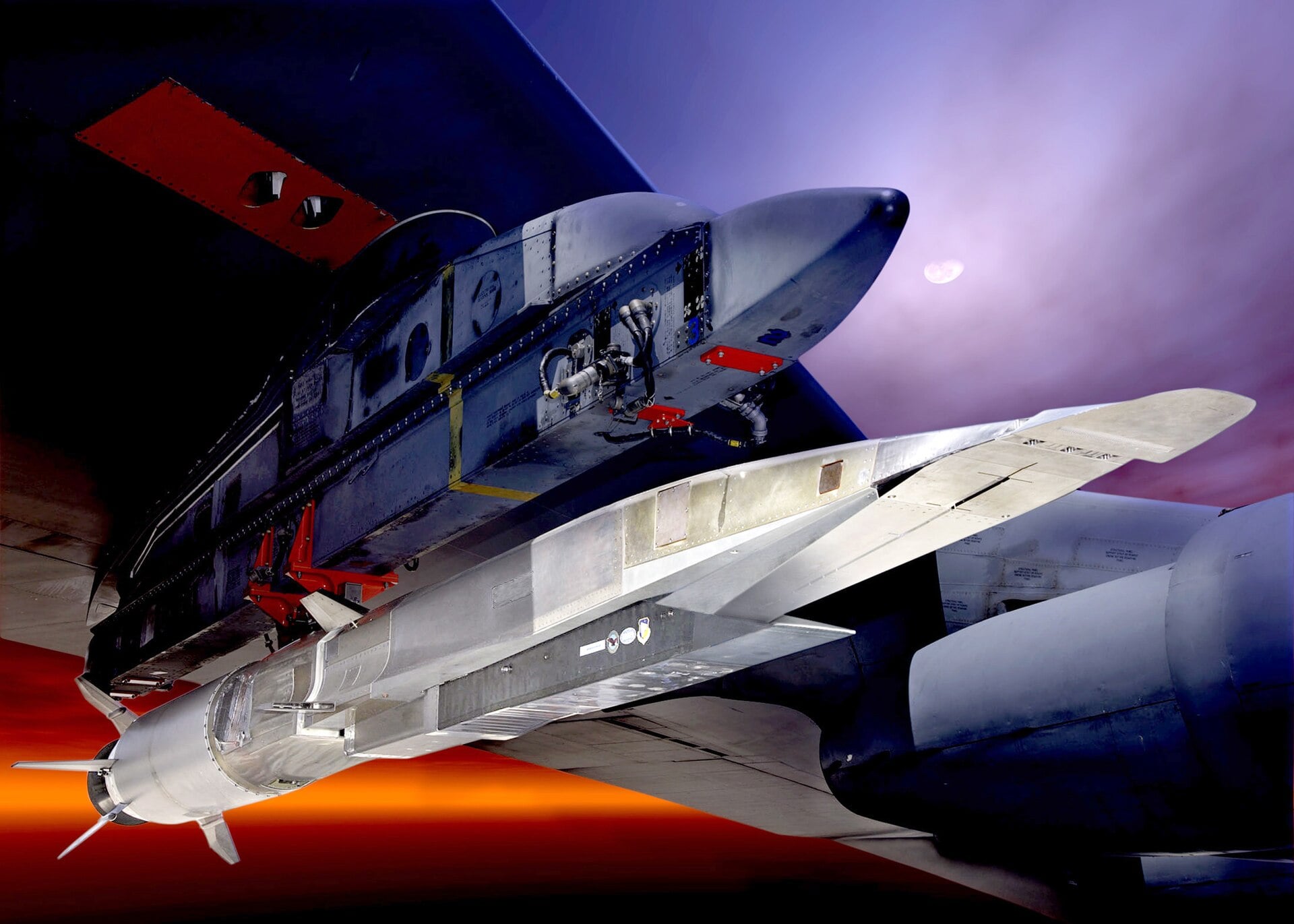
The X-43A proved a scramjet could work for ten seconds. The question the US Air Force asked next was harder: could one keep working for minutes, burning the kind of fuel a real aircraft could carry? On 1 May 2013, over the Pacific, the Boeing X-51A Waverider answered it, flying for 210 seconds on scramjet power and reaching Mach 5.1.
It was the longest air-breathing hypersonic flight on record at the time, and it is the direct ancestor of the hypersonic cruise missiles now entering flight test.
Informazioni rapide
- Veicolo: Boeing X-51A Waverider, unpiloted
- Motore: Pratt & Whitney Rocketdyne SJY61 scramjet burning JP-7 jet fuel
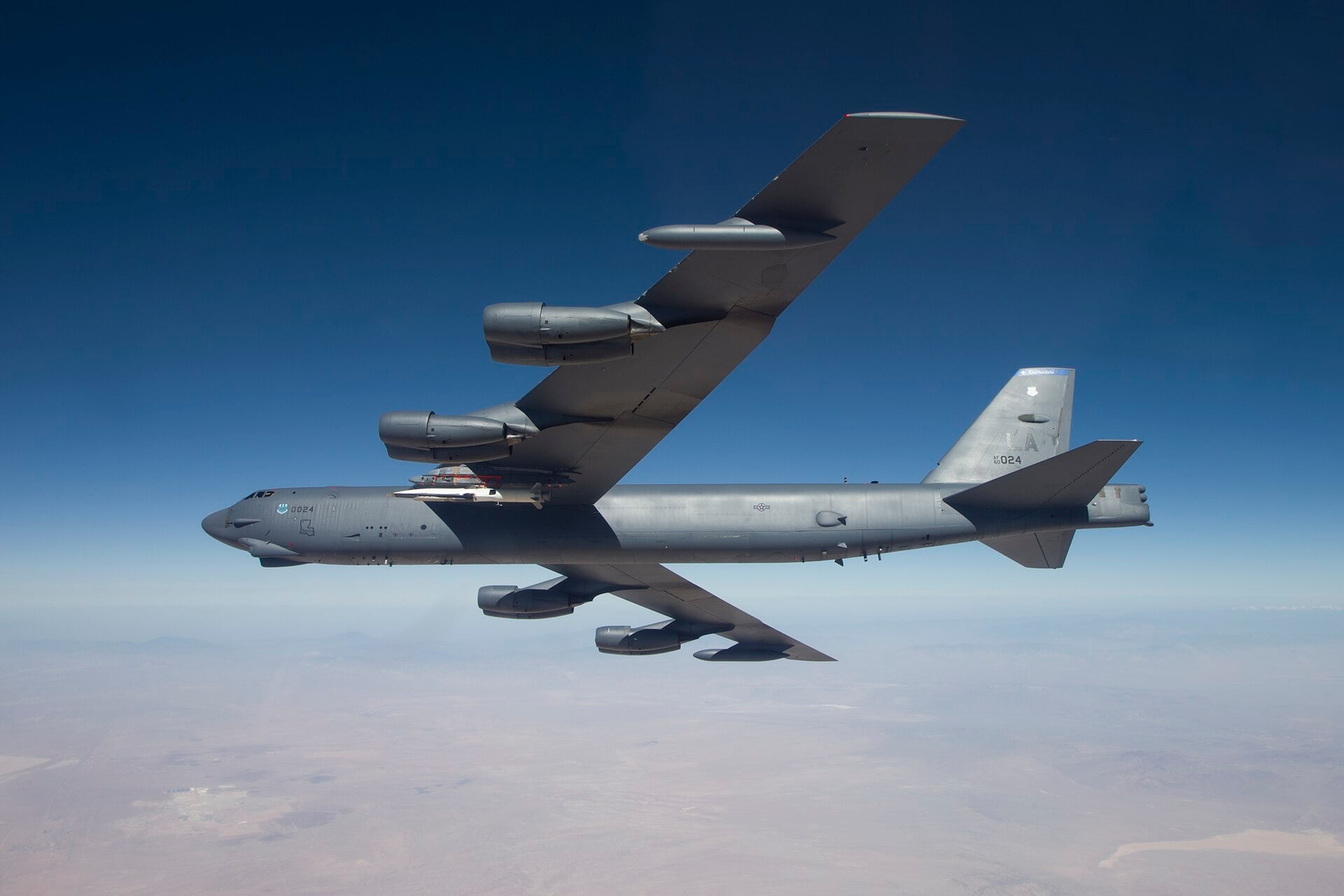
- Lancio: Dropped from a B-52H at about 50,000 ft, boosted by a solid rocket
- Record flight: 1 May 2013: Mach 5.1, 210 seconds of powered flight, over 230 nautical miles
- Voli: Four vehicles, two successes (May 2010, May 2013)
- Programma: 2004 to 2013, about $300 million
Why Hydrocarbon Fuel Was the Big Deal
IL X-43A burned hydrogen, which ignites easily and burns fast, ideal for a scramjet but awkward to store and handle in an operational aircraft or missile. The X-51A used JP-7, the same kind of hydrocarbon jet fuel that powered the SR-71. Hydrocarbon fuel is denser and practical, but much harder to light and keep burning in a supersonic airstream.
The X-51A’s engine solved that partly by using its fuel as coolant. JP-7 flowed through the engine walls before being burned, absorbing heat that would otherwise have damaged the structure. Air Force Research Laboratory managed the programme with DARPA, NASA, Boeing and Pratt & Whitney Rocketdyne.
Four Vehicles, Two Successes
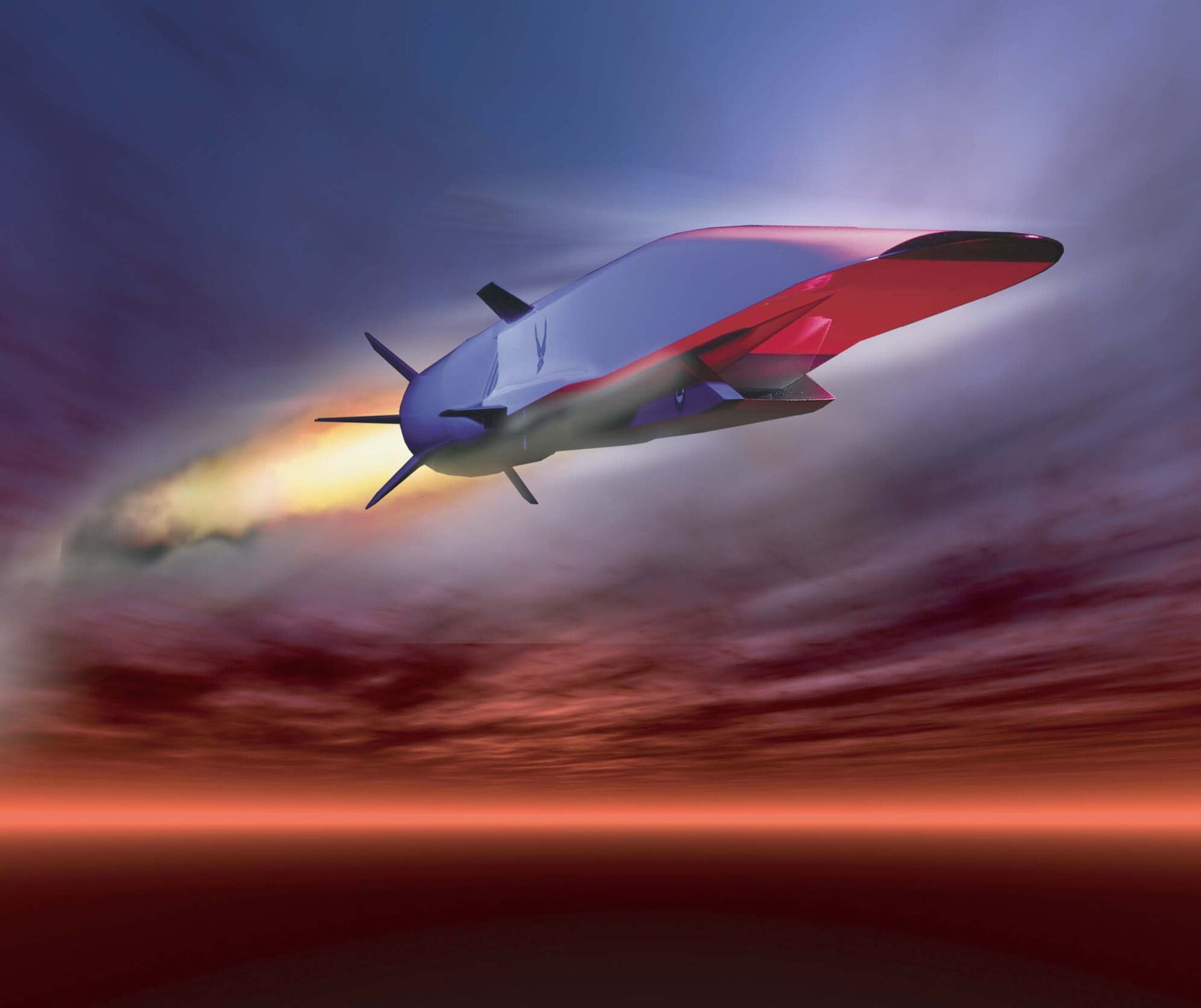
The first flight, on 26 May 2010, was a partial success: the scramjet burned for about 140 seconds, far longer than anything before it, though short of the planned duration. The second, in June 2011, failed when the engine did not transition properly to its main fuel. The third, in August 2012, was lost shortly after separating from its booster when a control fin failed.
That left one vehicle. On 1 May 2013, a B-52H carried it to about 50,000 feet off the California coast and released it. The solid rocket booster pushed the X-51A to about Mach 4.8 in 26 seconds, then fell away. The scramjet lit, the vehicle climbed to 60,000 feet and accelerated to Mach 5.1, and it kept going until it ran out of fuel, after about 240 seconds of engine operation.
The X-51A sent back 370 seconds of data and covered more than 230 nautical miles before plunging into the Pacific over the Point Mugu sea range, as planned. None of the four vehicles was designed to be recovered.
The Bedrock for Hypersonic Weapons
The X-51A never carried a warhead and was never meant to be a weapon. But its success gave the Air Force confidence that a hydrocarbon-fuelled scramjet could be built small enough for a missile and run long enough to matter. That line of work leads directly to the Hypersonic Attack Cruise Missile, whose first flight test was confirmed this week.
How the X-51A’s scramjet works, explained:
Footage of the X-51A WaveRider scramjet demonstrator:
Sources: US Air Force (Wright-Patterson AFB), Space.com, Wikipedia

0 Comments