

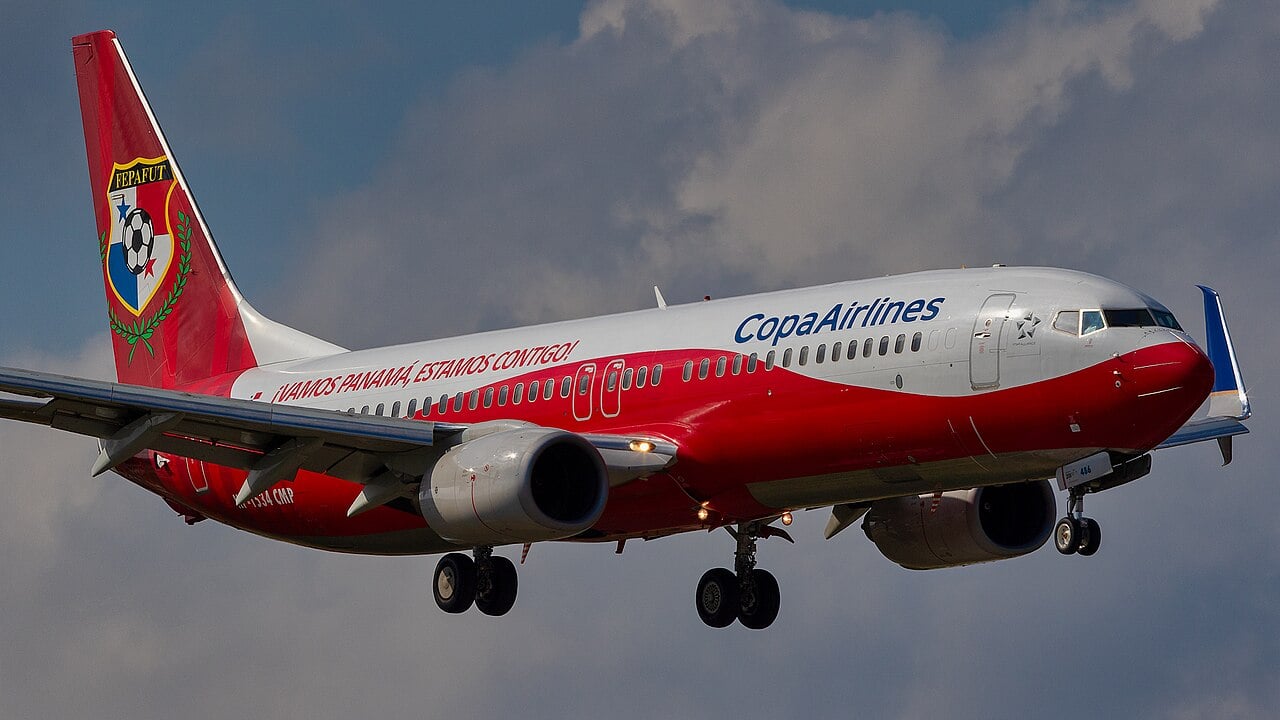
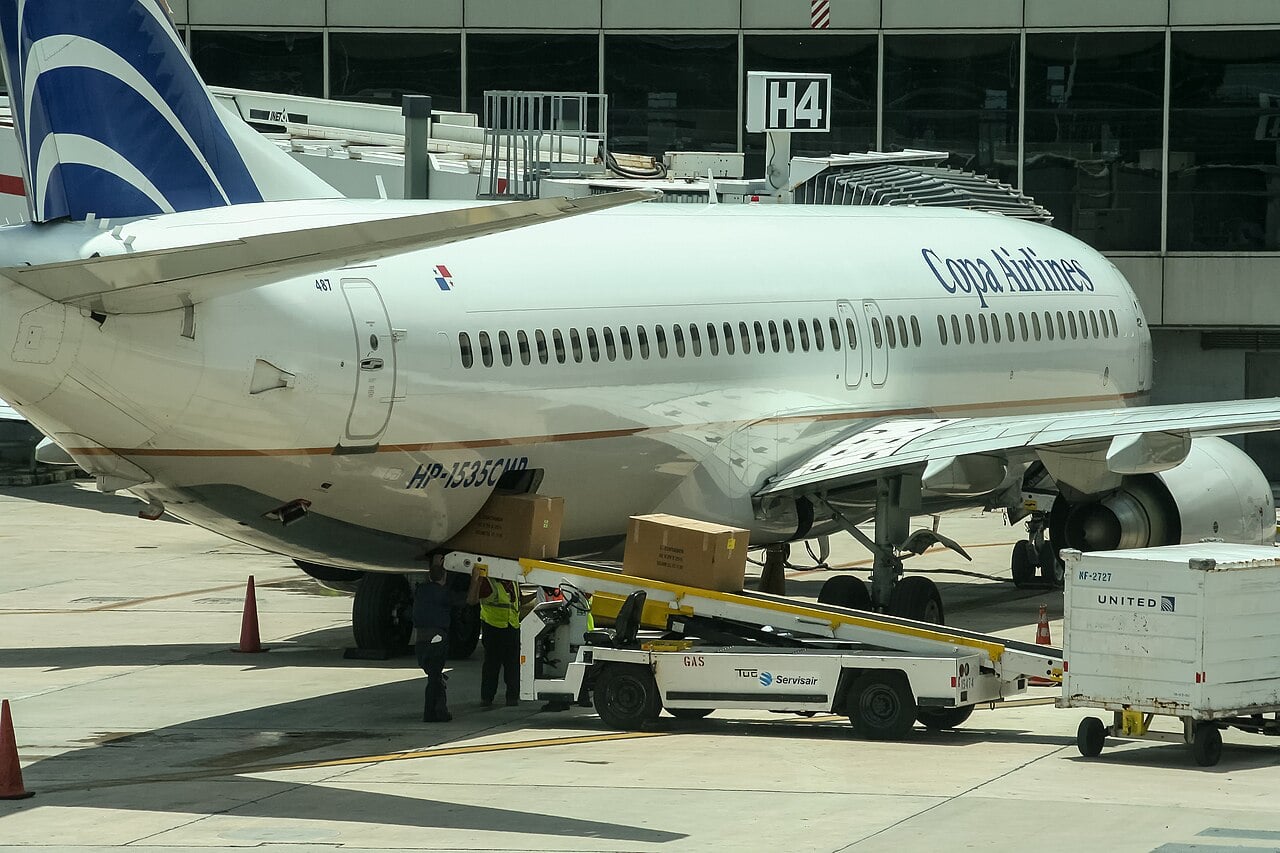
It was about 9:15 on Saturday evening, 14 November 2026, and Copa Airlines flight 427 had nearly finished its trip. The Boeing 737-800 had landed at Miami International Airport from Panama City and was taxiing towards the terminal with 166 passengers and six crew aboard. Then, at the intersection of two taxiways, its left wingtip met the nose of a UPS Boeing 767 freighter heading out for Bogotá.
Nobody was seriously hurt. Two Copa passengers were checked by airport paramedics for what the airline called apparent minor injuries, and neither needed to go to hospital. But photos taken afterwards showed a badly damaged nose on the freighter, and air traffic control audio from the moment the two jets touched is already going round the internet.
Informazioni rapide
- Data: Saturday 14 November 2026, about 9:15 pm local time
- Place: Intersection of two taxiways, Miami International Airport
- Aeromobili: Copa Airlines Boeing 737-800 (flight 427 from Panama City) and UPS Boeing 767 freighter (flight 358 to Bogotá)
- Aboard Copa 427: 166 passengers and 6 crew
- Contact: Copa 737 left wingtip and UPS 767 nose, according to the FAA
- Infortuni: Two passengers checked for minor injuries; no hospital transport
- Indagine: FAA investigating; cause not yet determined
What the FAA says happened
According to a statement from the Federal Aviation Administration reported by ABC News, the wingtip of the Copa 737, which was taxiing to the gate, struck the nose of the UPS 767, which was taxiing for departure to Bogotá, Colombia. The FAA said controllers had told the UPS crew to give way to the Copa flight, and that it is investigating.
The freighter was UPS flight 358. On the recording, one pilot can be heard telling the controller, “Somebody hit us,” ABC News reported. AeroTime, which also reviewed the audio, says the 767 appears to have moved too far forward, so that its nose entered the space the 737 was passing through. Why that happened is the question investigators will have to answer.
Copa’s own first account, issued the same night, was cautious about who touched whom. It said only that a cargo aircraft and its 737’s left wingtip had come into contact while both were taxiing.
Passengers safe, airport running
The 737 still made it to the terminal, and every passenger got off. Copa said the rest of the passengers and crew were in good condition. Miami-Dade Fire Rescue confirmed the two aircraft types involved, a UPS Boeing 767 and a Copa Boeing 737-800.
Miami International’s communications director, Greg Chin, told CBS News Miami that an arriving aircraft and a departing aircraft had made contact at the intersection of two taxiways, and that flights were being sent onto other taxiways. Airport operations, he said, were not affected.
UPS kept its comment short. In a statement quoted by ABC News, the company said it was aware of an incident involving one of its aircraft on the ground in Miami.
A bad week for American air traffic
The timing could hardly have been worse. The collision came a day after a rare nationwide ground stop on Friday 13 November, which federal officials linked to ageing air traffic control equipment, including switches and routers that became overloaded with data. Airlines spent Saturday moving aircraft and crews back into position, and Miami was still dealing with delays and cancellations when the two jets met.
FAA Administrator Bryan Bedford said on Saturday that he expected US flight schedules to be back to normal by the end of Sunday. Nobody has suggested that the outage had anything to do with the Miami collision, and the FAA has not given a cause.
CBS News Miami’s report on the collision between the UPS 767 and the Copa 737 on a Miami International taxiway.
Small speeds, big repair bills
Ground collisions like this one happen at walking pace, but they are rarely cheap. Wingtips and noses contain light structure, sensors and, on the 767, the weather radar under the radome. Each airframe will need an inspection before it flies again, and a freighter with a damaged nose stays out of service until engineers sign off the repair.
They also happen in the busiest, most crowded part of any airport. At a hub like Miami, arrivals and departures cross each other’s paths on the taxiways all evening, and the whole system relies on crews following instructions to hold short or give way. The investigators will want to know how far the 767 moved, what its crew understood the instruction to be, and what they could see from the cockpit at night.
For the 172 people aboard flight 427, it was a jolt at the end of a routine trip from Panama. For UPS, it means a 767 grounded and a lot of questions. And for the FAA, already under pressure after Friday’s outage, it is one more incident on a Miami taxiway to explain.
Sources: ABC News, CBS News Miami, AeroTime, Copa Airlines, UPS, Federal Aviation Administration, Miami International Airport
Header photo: Sunnya343 / Wikimedia Commons, CC BY-SA 4.0

0 Comments