
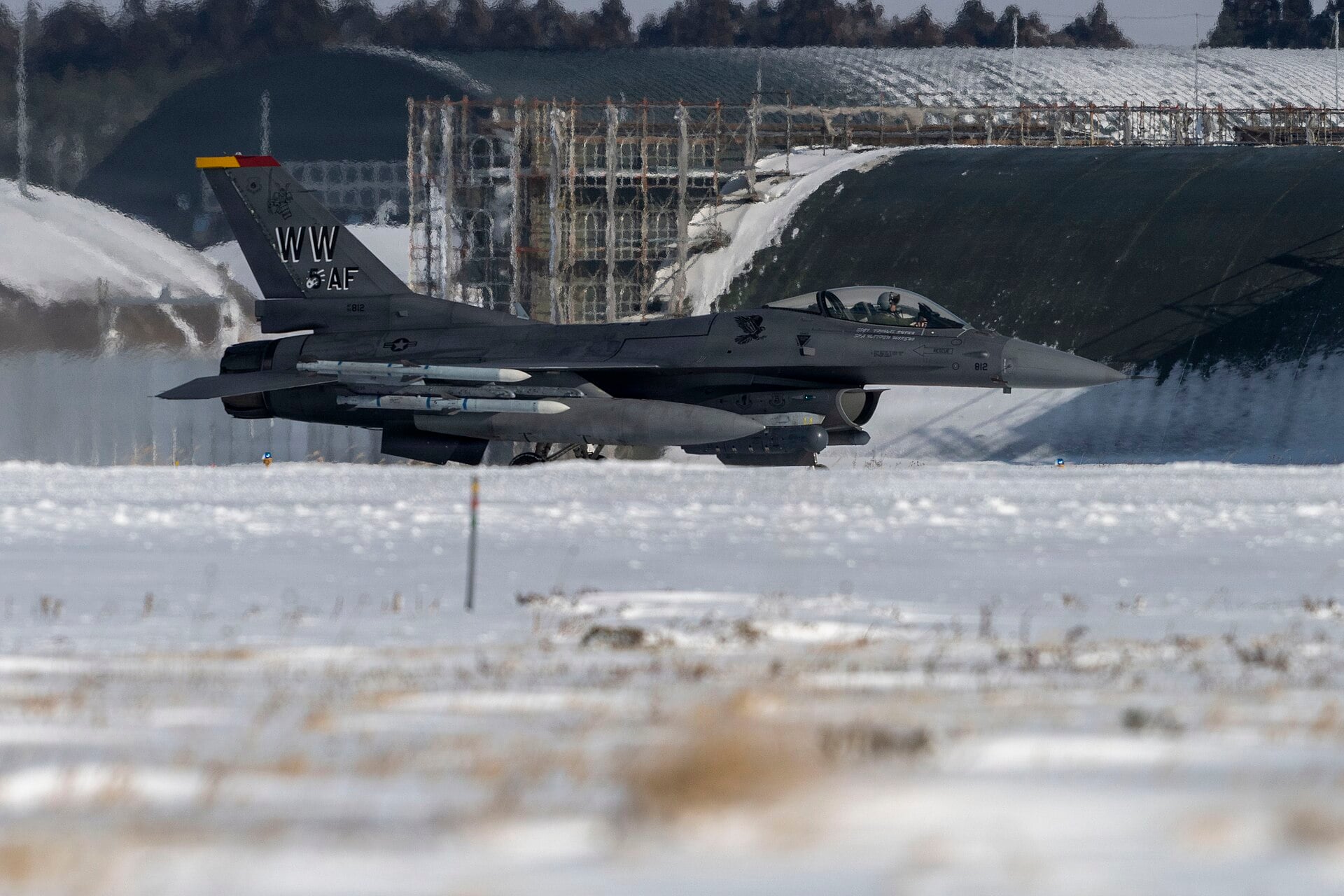
The Department of the Air Force spent roughly $243.5 billion running itself in fiscal 2026. It cannot prove where all of it went, and this year it did not even file its own homework.
The Pentagon published its department-wide financial report on 16 November. For the ninth consecutive year, the independent auditors issued a disclaimer of opinion, which is the accounting profession’s way of saying they could not get enough information to form a view at all. The Air Force failed along with everyone else. That part is routine by now.
What is not routine is the second half. For the first time in at least two decades, the Department of the Air Force did not publish a separate agency financial report of its own. Those documents normally run to hundreds of pages. This year there is nothing.
Informazioni rapide
- Quello che è successo: the Department of the Air Force failed its fiscal 2026 financial audit, as did the Pentagon as a whole
- Audit opinion: disclaimer of opinion, the ninth consecutive year for the Pentagon
- Report released: 16 November 2026, department-wide
- The unusual part: no standalone Department of the Air Force financial report for the first time in at least twenty years; the department says it will resume in 2027
- Who audits the Air Force: Ernst & Young
- Clean audits so far: none for either the General Fund or the Working Capital Fund since 2008
- Scadenza fissata dal Congresso: a clean audit by the end of 2028
- Air Force cost of operations: $261.2 billion gross, $243.5 billion net after $17.7 billion earned revenue — more than 24 per cent of the military’s roughly $1 trillion total
- The aviation line in the report: the Air Force “under-executed programmed flying hours” and has not consistently met minimum aircrew readiness requirements
Ninth year, same answer
A disclaimer of opinion is not a failing grade in the ordinary sense. It is worse and stranger than that. An auditor who issues a disclaimer is saying they could not gather enough reliable evidence to express any opinion on the financial statements — not that the numbers are wrong, but that the numbers cannot be checked.
The Pentagon has now collected nine of these in a row. Congress has set the end of 2028 as the deadline for a clean opinion, and the department insists the trajectory is improving. Jay “Jules” Hurst III, the Pentagon’s comptroller, said in a statement on 18 November that for the first time more than half of the department’s assets, and more than 90 per cent of its liabilities, either already carry clean audit opinions or will by February 2027.
That is real progress, and it is also a reminder of where the baseline sits. Half.
The report that did not appear
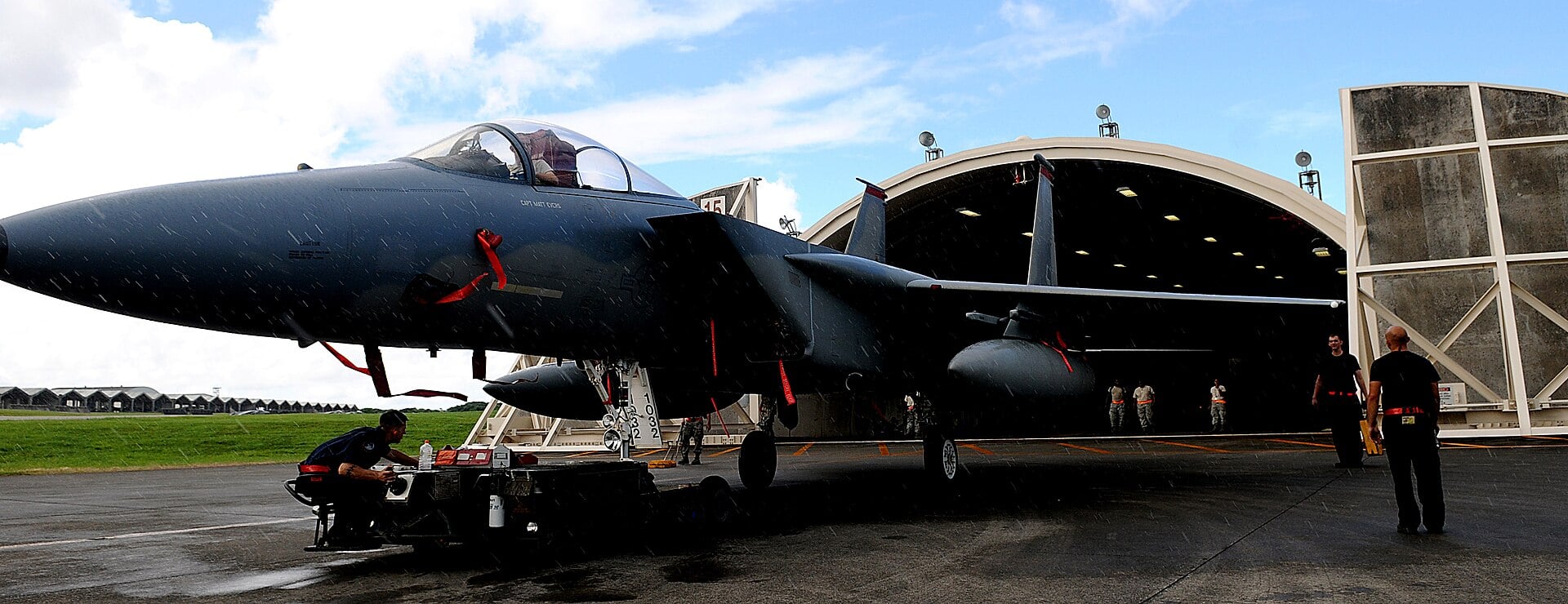
Every year the Department of the Air Force publishes its own agency financial report, laying out the state of two separate pots of money. The General Fund pays for the core mission: operations, personnel, the flying. The Working Capital Fund is the revolving account that supplies maintenance services, weapon system parts, and base and medical supplies — in other words, the shelves the Air Force reaches into every day.
This year the department folded its figures into the Pentagon-wide document instead and published nothing of its own. Asked why, an Air Force spokesperson gave Air & Space Forces Magazine an answer that is at least candid about the trade-off being made.
Read plainly: the people who would have written the report were put to work trying to pass next year’s audit instead. Whether that is pragmatism or a quiet admission that the department is short of the staff to do both is a matter of taste.
What the auditors could not do
The specific findings are more interesting than the headline, because they are about physical things rather than ledgers.
On the Working Capital Fund, the Pentagon report found that the Air Force “lacked effective design and control activities to prevent and detect material misstatements” and “did not have a plan or policy to value its inventory.” The consequence, in the report’s own words, is that the net inventory balances “may be inaccurate, unsupported, and incomplete.” The Army and the Defense Logistics Agency drew the same finding.
Put in plainer language: the Air Force holds an enormous quantity of spare parts, and it does not have an agreed method for saying what they are worth. Not that it counted them and got the wrong answer. That it has no policy for the valuation step at all.
On the General Fund, management could not properly support its opening balances and lacked controls to ensure that operating material and supply records were complete, accurate and reconciled. The Army and the Navy were written up for the same thing. The Pentagon has launched a Joint Task Force-Audit to coordinate the work, and the report recommends using it to get those Working Capital Fund inventory transactions recorded and tracked properly.
Hurst said Ernst & Young, which audits the Department of the Air Force, appeared “optimistic about the Air Force’s progress” at a recent meeting, and that the department hopes to post clean opinions on both funds in fiscal 2027. That would be a year early for the Working Capital Fund and a year late for the General Fund, which the Air Force had originally meant to clear in 2026. He was careful not to promise it: they may not get it in 2027, he said, but they are likely to learn enough to set themselves up for 2028.
The line that should worry aircrew
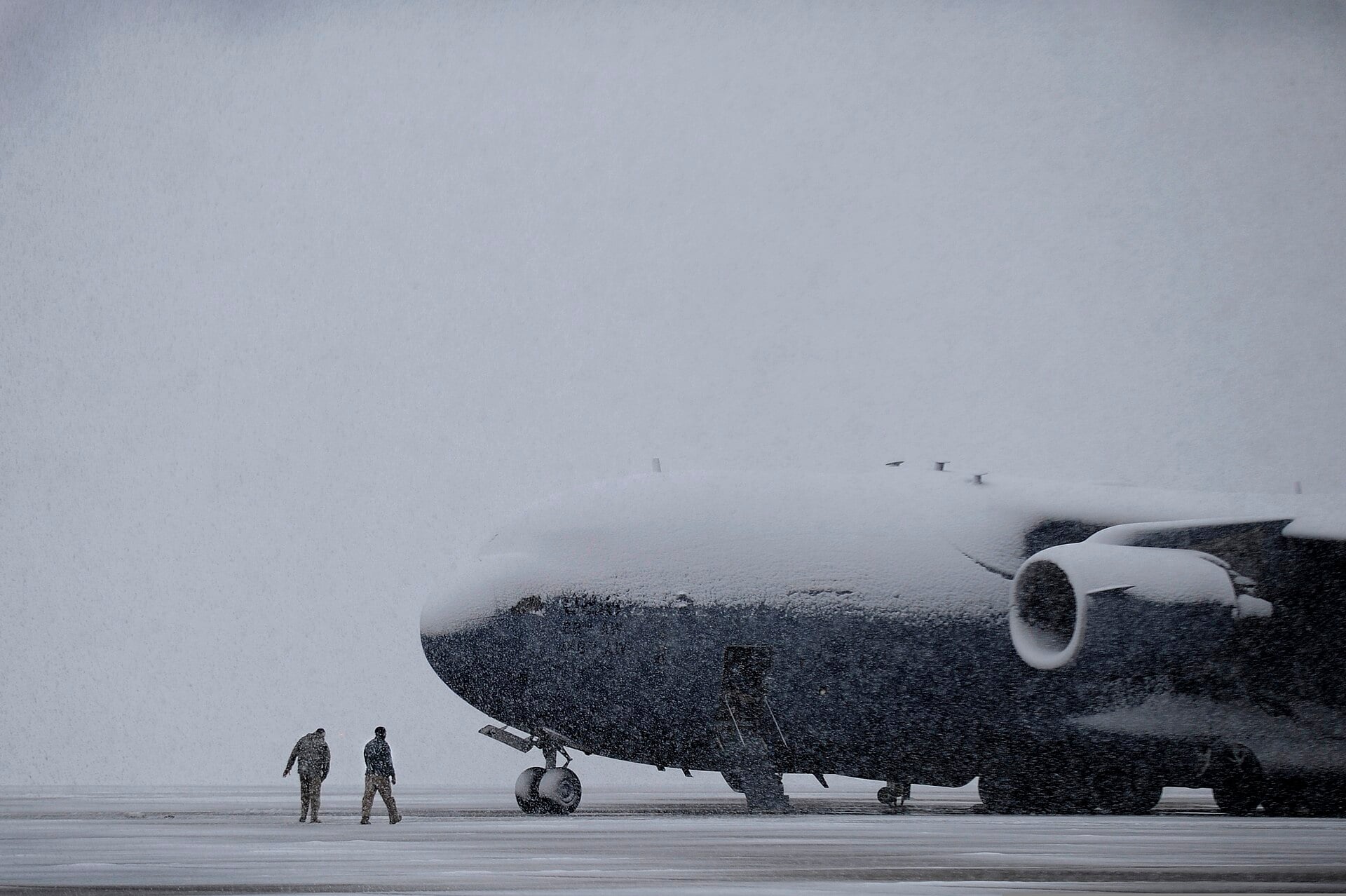
Buried in an accounting document is the sentence that actually matters to anyone who flies. The report states that the Air Force has “under-executed programmed flying hours” and has not consistently met its minimum aircrew readiness requirements, and names recovering that readiness as a top priority.
Flying hours are the currency of a combat air force. Programmed hours are what the service planned and budgeted to fly; under-executing them means crews are getting less time in the air than the plan called for, which shows up first as currency lapses and lost proficiency and eventually as a force that is technically equipped and practically rusty. It is also, awkwardly, downstream of the inventory problem. Aircraft that are waiting on parts do not fly.
The report does pair that with commitments. The Air Force says it will fund 93 per cent of its weapon system sustainment requirements across 110 fielded weapon systems, worth $22.6 billion, and that it is on track to fully fund its executable flying hour programme. The word doing the work there is “executable”.
The metric they stopped counting
One more change is worth flagging, because it will make year-on-year comparison harder. Air Force financial statements have historically listed “material weaknesses”, the significant problems identified by the auditors. The fiscal 2025 report, which is now the most recent one published, listed thirteen of them. The Pentagon is moving away from the measure.
Hurst’s argument is that once a clean opinion lands, the department will return to fixing material weaknesses through controls and modernised systems. The counter-argument writes itself: for the next two years the public loses the clearest published measure of how bad the problem is, during precisely the period in which the department is asking to be judged on improvement.
Nine disclaimers in, with a 2028 deadline and no standalone Air Force report to read, the honest summary is that the service is probably getting better at this and that nobody outside it can currently tell by how much.
Sources: Air & Space Forces Magazine (Stephen Losey, 19 November 2026); Department of War consolidated financial report, released 16 November 2026; statements by Under Secretary of Defense (Comptroller) Jay “Jules” Hurst III of 12 and 18 November 2026; Reuters; Inkstick Media; U.S. Air Force and Department of Defense imagery via Wikimedia Commons.


0 Comments