
For two years, the math of drone warfare has been an embarrassment. A $400 quadcopter floats over the front line; a $4 million interceptor missile streaks up to kill it. Win the engagement, lose the war chest. On 8 June, the U.S. Army handed a New York startup up to $150 million to fix exactly that.
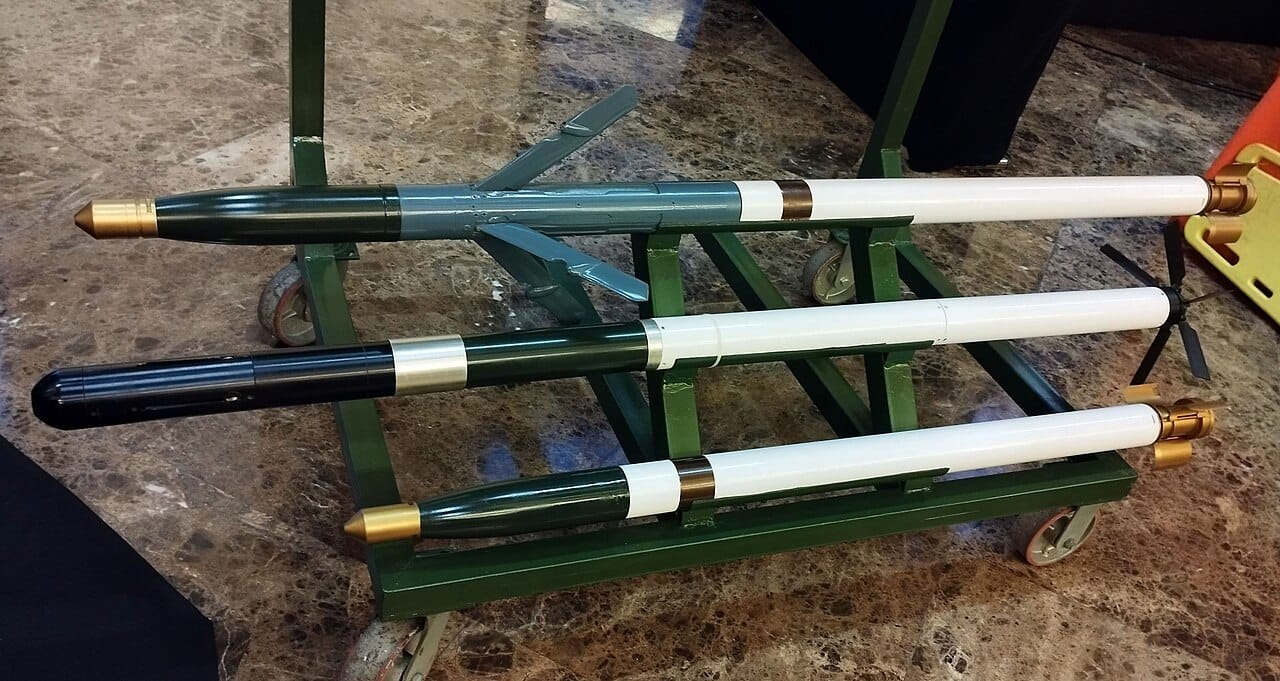
The company is Innovative Rocket Technologies — iRocket — and the idea is almost insultingly simple: take the 70mm Hydra rocket the Army has fired by the millions since Vietnam, bolt on a laser-guidance kit, and turn a dumb, dirt-cheap rocket into a smart drone-killer. No new launcher. No exotic missile. Just a very old rocket that suddenly knows where it’s going.
• Who: Innovative Rocket Technologies (iRocket), via Army PEO Fires
• Value: $30 million to $150 million
• What: Guidance kits that convert 70mm Hydra-70 rockets into precision drone interceptors
• Demonstrator: The iRX-100 — roughly Mach 2, about 6 km range, fired from an existing Arnold Defense launcher
• Why it matters: A scalable, low-cost answer to cheap mass-produced drones
The cheapest smart rocket in the arsenal
The Hydra-70 is one of the most-produced munitions in the Western world. Unguided, it’s a 1940s idea: point the pod, fire a swarm, hope. The Army already buys a laser-guided version — APKWS — but iRocket’s pitch is a counter-drone-specific variant designed from the start to chase down small, fast, jinking targets in the last seconds of flight.
The demonstrator, the iRX-100, has already flown. It hit roughly Mach 2, travelled about six kilometres, and launched from an off-the-shelf Arnold Defense rail — the same kind of launcher bolted to vehicles and ships all over the force. That last detail is the whole point: nothing new to build, nothing new to train on, nothing new to wait three years for.
Winning the cost curve
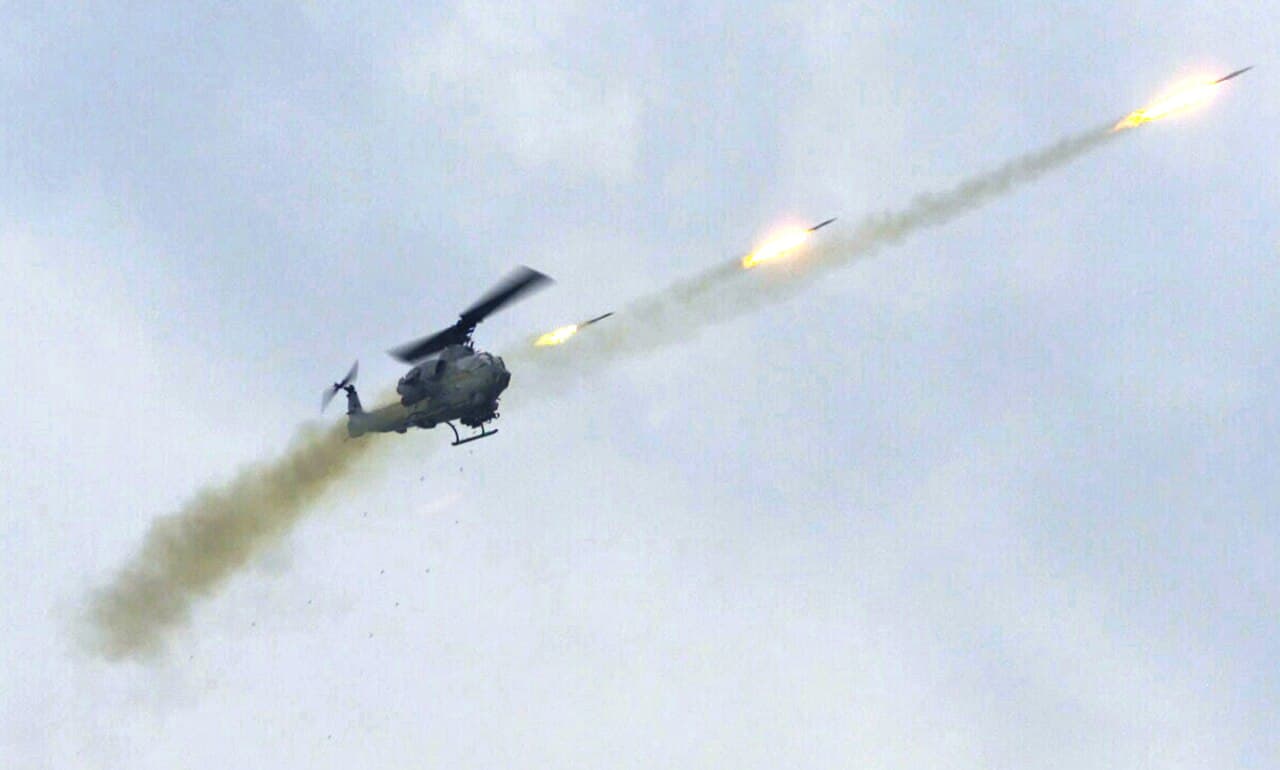
Air defenders talk about the “cost curve” the way accountants talk about a death spiral. Every Patriot or AMRAAM-class round spent on a disposable drone is a round not available for a real aircraft — and a budget line that can never keep up with a factory stamping out drones by the thousand. A guided 70mm rocket flips the equation: cheap enough to fire freely, accurate enough to actually hit.
It won’t replace the big interceptors for the big threats. It doesn’t need to. The job is the swarming low end — the Shahed-style loitering munitions and commercial quadcopters that have made the modern battlefield so lethal and so cheap to flood.
From demo to deployment
A contract ceiling of $150 million is a serious vote of confidence for a counter-drone idea that, on paper, is just a guidance kit. But the Army is betting that the future of air defence isn’t one perfect missile — it’s thousands of good-enough ones. The cheapest smart rocket in the inventory may turn out to be exactly that.
Sources: U.S. Department of War contract announcements (8 June 2026), Army Recognition, The Defense Watch, ClearanceJobs.

 English
0 Comments