
A modern air-defense network is only as good as its eyes. Blind the radars and the missiles behind them are firing at ghosts. On 2 August 2026, Ukraine set out to do exactly that — not at the front line, but more than 270 kilometres behind it, deep inside southern Russia.
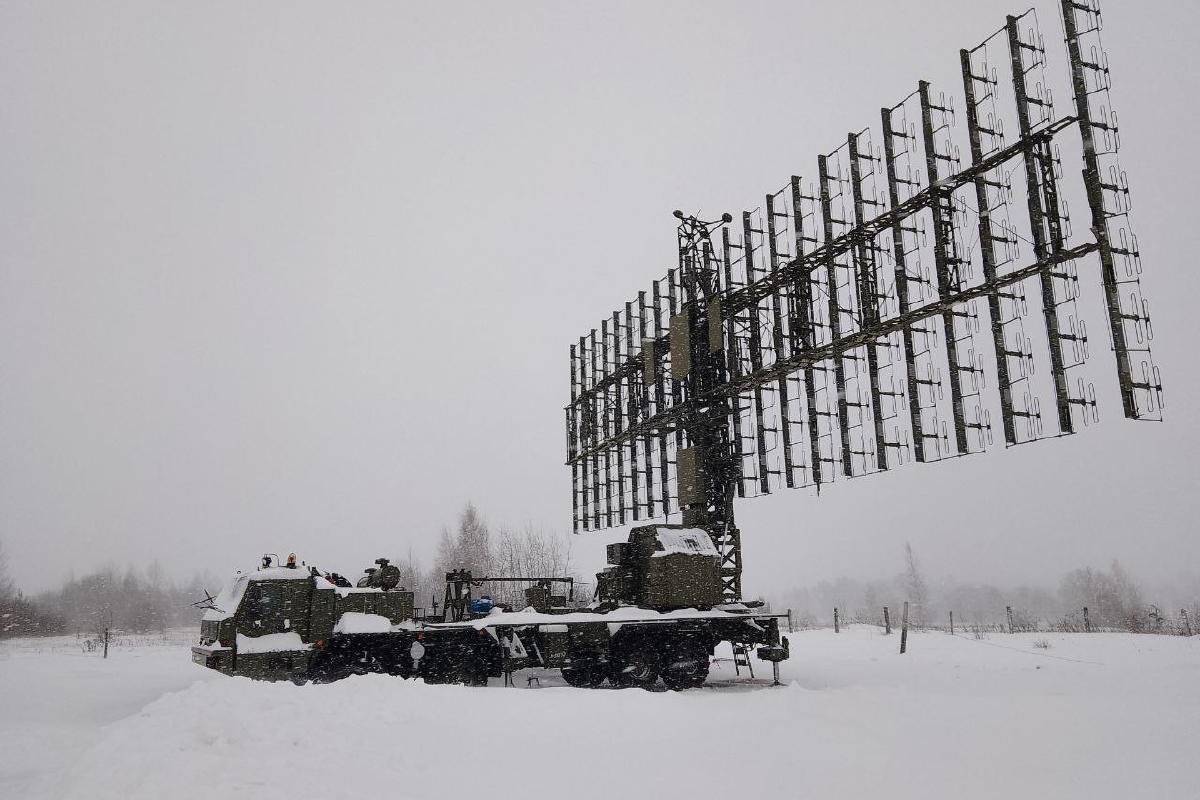
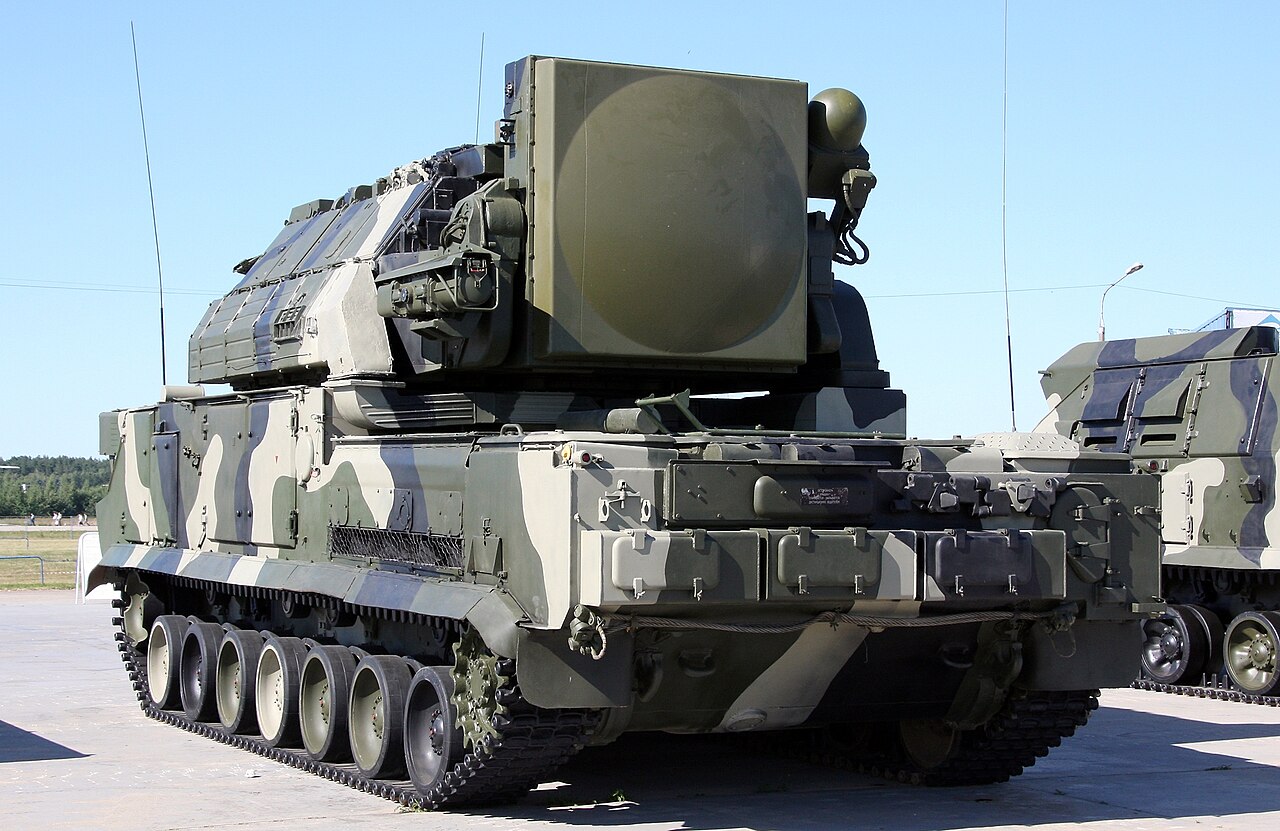
In a single coordinated sweep across the Krasnodar region, Ukraine's Unmanned Systems Forces say they struck eight of the most important pieces of Russia's early-warning and air-defense architecture: one Tor-M2 missile system and seven radar stations. If the claims hold, it is one of the sharpest single blows yet against the sensors that keep Russia's southern skies watched.
Russia has not confirmed the losses. But the target list Ukraine published is unusually specific — and unusually revealing about how this war is now being fought.
Date: 2 August 2026
Attacker: Ukraine's Unmanned Systems Forces (1st Separate Center)
Where: Krasnodar Krai, southern Russia
Depth: More than 270 km (about 168 miles) behind the front
Claimed hits: One Tor-M2 SAM system + seven radars (Nebo-S, Nebo-U, Nebo-SV, Gamma-S1M, two Kasta-2E2, 37T)
Status: Ukrainian claim; Russia did not confirm the losses
A methodical blinding
This was not a scattershot barrage. Ukraine's 1st Separate Center of the Unmanned Systems Forces named each target and where it stood. Around Yeysk alone, the unit reported destroying a Tor-M2 air-defense system alongside three radars — a Nebo-S, a Gamma-S1M and a Nebo-SV. Further along the coast, a Nebo-U radar near Primorsko-Akhtarsk, two Kasta-2E2 stations at Kamyshevatskaya and Shabelskoye, and a 37T radar near Prigibsky.
Each of those radars does a different job. The Nebo family are metre-wave early-warning sets prized for their ability to spot low-observable targets; the Kasta-2E2 watches low-altitude threats like cruise missiles and drones; the mobile 37T fills in the gaps. Take enough of them offline at once and you do not just lose coverage — you tear a hole in the layered picture the whole system depends on.
Why Krasnodar
The choice of ground is the point. Krasnodar is not a quiet backwater. Primorsko-Akhtarsk has been repeatedly identified by Ukrainian officials as a launch site for the Iranian-designed Shahed attack drones that hammer Ukrainian cities night after night. The radars and missiles hit here were the umbrella protecting those launch sites and the military airfields around them.
Strip that umbrella away, Ukraine argues, and two things follow. Russian airfields in the south become easier to reach, and the Shahed launch crews lose some of the warning and protection they have relied on. The Unmanned Systems Forces framed the operation precisely in those terms — a deliberate effort to make the defense of Russia's southern military infrastructure harder.
The long-range drone war
What makes the strike remarkable is not a new weapon but a new reach. Ukraine's long-range unmanned systems now let it prosecute pinpoint attacks on individual radar sets hundreds of kilometres from the contact line — the kind of deep suppression-of-enemy-air-defenses mission that, in another era, would have demanded a squadron of manned strike jets and a great deal of luck.
The same week brought reported Ukrainian strikes on the Saratov oil refinery and logistics hubs deep inside Russia, part of a widening campaign against the infrastructure that feeds the Russian war effort. The radar sweep in Krasnodar is the air-defense chapter of that same story.
Footage compiled from the strike, which Ukraine's Unmanned Systems Forces released alongside its target list.
None of this ends the war, and Russia will replace hardware it can afford to lose. But the pattern is unmistakable: the side without a modern air force is systematically dismantling the eyes of the side that has one, one radar at a time.
Sources: Ukraine's Unmanned Systems Forces (1st Separate Center) via Ukrinform, Ukrainska Pravda, UNITED24 Media and AeroTime; claims not independently confirmed by Russia.

0 Comments