
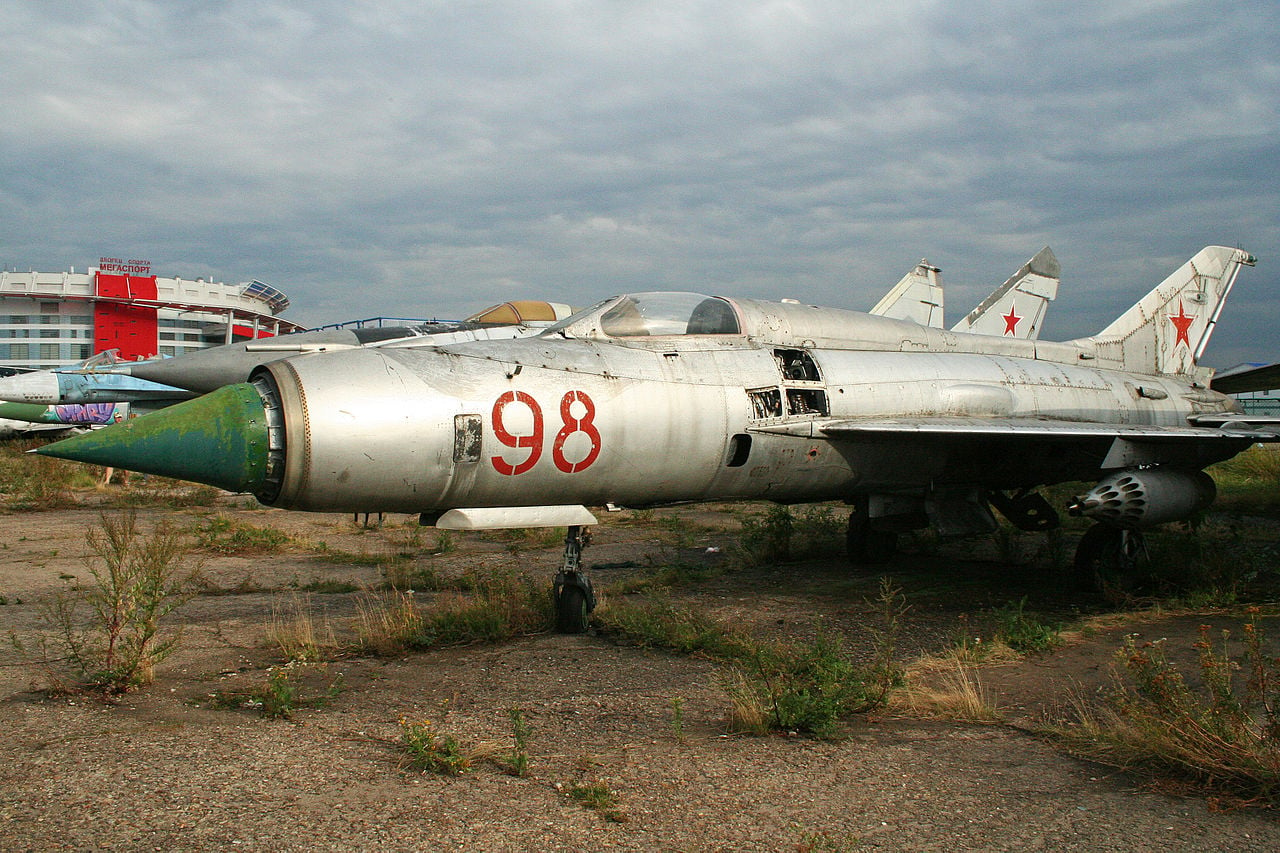
There is an aviation business that never appears at Farnborough. It buys fighter aircraft that no air force wants any more, from countries that need the money, and sells them to countries that are not allowed to buy weapons at all.
On Wednesday a British businessman was jailed for sixteen years for running one.
David Greenhalgh, 68, of Croydon in south London, helped broker the supply of ex-Soviet combat aircraft, surface-to-air missile systems, anti-tank missiles and thousands of assault rifles between 2009 and 2016, destined for Sudan, South Sudan and Libya. None of it was licensed. His business partner, the Greek national Christos Farmakis, 48, was sentenced to sixteen years as well — in his absence.
Quick Facts
| Sentenced | Wednesday 23 September 2026 |
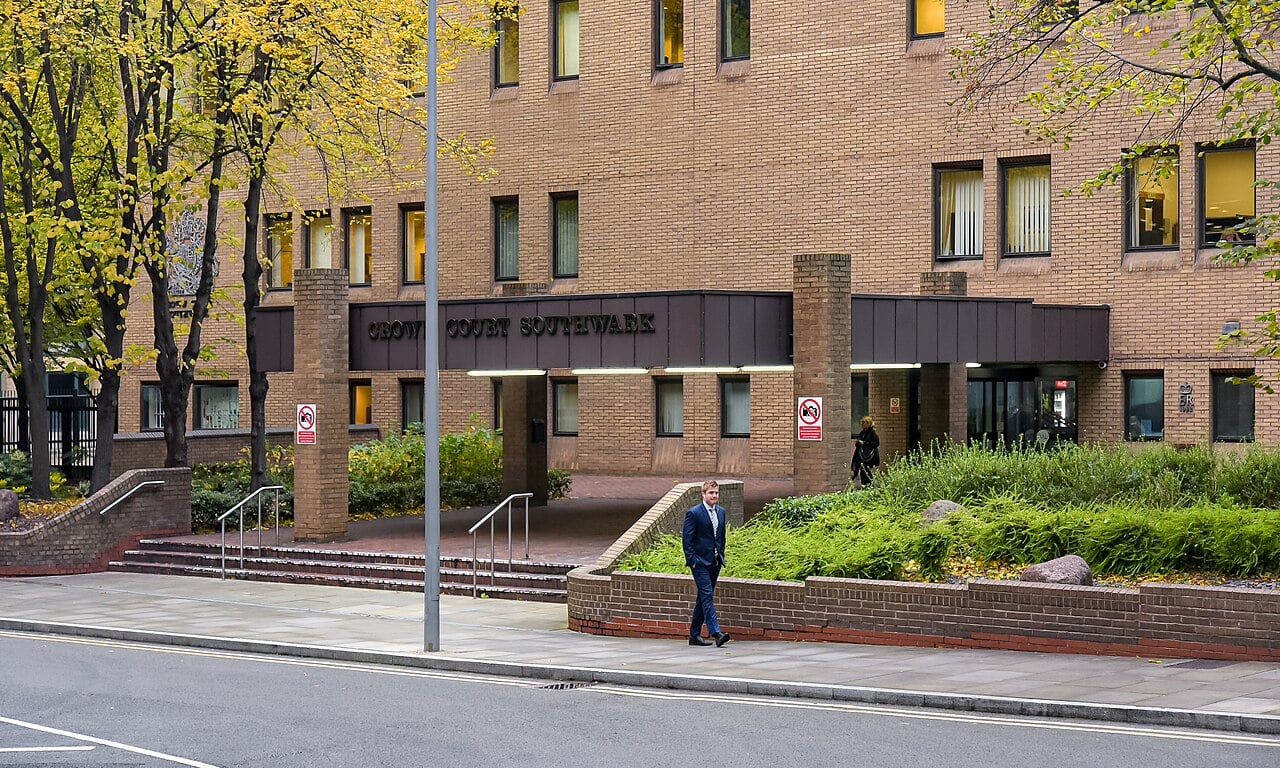
| Court | Southwark Crown Court, London |
| Convicted | David Greenhalgh, 68, of Croydon, and Christos Farmakis, 48, a Greek national |
| Sentences | 16 years each, 32 years in total |
| Charges | Offences under the Export Control Order 2008 |
| Goods | Ex-Soviet fighter aircraft, surface-to-air missile systems, anti-tank missiles, thousands of assault rifles |
| Period | 2009 to 2016 |
| Destinations | Sudan, South Sudan and Libya |
| Method | Forged end-user certificates and deals routed through overseas subsidiaries |
| Investigation | HM Revenue and Customs, prosecuted by the Crown Prosecution Service |
Where the Aeroplanes Came From
The supply side of this trade is the part most aviation enthusiasts have some sense of without quite thinking it through. When the Warsaw Pact dissolved, its air forces were left with thousands of airframes and warehouses of missiles they could neither afford to operate nor easily scrap.
HMRC says Greenhalgh and Farmakis sourced from defence ministries in former Soviet and Soviet-aligned states — naming Ukraine, Belarus, Serbia and the Czech Republic — where ageing stockpiles of missiles, fighter aircraft, battle tanks and small arms were available to anyone with a buyer.
The demand side is what makes it profitable. Because the customers were countries under embargo and desperate for equipment, they were willing to pay vastly inflated prices for hardware that was, in the normal market, close to worthless. Some of the deals ran into tens of millions of dollars.
Airservices
Greenhalgh operated through a group of companies called Airservices, registered across the UK, Greece, North Macedonia and South Sudan. The structure was the point: he routed transactions through overseas subsidiaries in an attempt to put them outside British jurisdiction.
It does not work that way. UK trade controls follow the passport, not the letterhead, and a British national is subject to them wherever in the world he does business. To hide the actual destinations, the pair used forged end-user certificates naming countries that were not under sanction.
The Crown Prosecution Service was blunter about what the evidence showed.
According to the CPS, one document recovered from Farmakis’s device amounted to a blueprint for wholesale evasion of British arms controls.
One Man Is in Prison, the Other Is in Greece
Both men were found guilty at Southwark Crown Court on 11 June 2026 after a nine-week trial. Farmakis was tried in absentia and is thought to be living in Greece; HMRC says it is working with international partners to bring him to the UK.
For aviation, the detail worth holding on to is the airframes. Libya after 2011 was a place where ageing Soviet jets changed hands quietly and turned up in unexpected markings. Prosecutions that reach the brokers rather than the pilots are rare. This is one.
Sources: HM Revenue and Customs press release, 23 September 2026; Crown Prosecution Service; Reuters.
0 Comments