
On a normal Friday, Taiwan’s airports are among the busiest in East Asia. On Friday, 23 October 2026, most of the island simply stopped, and the flights stopped with it.
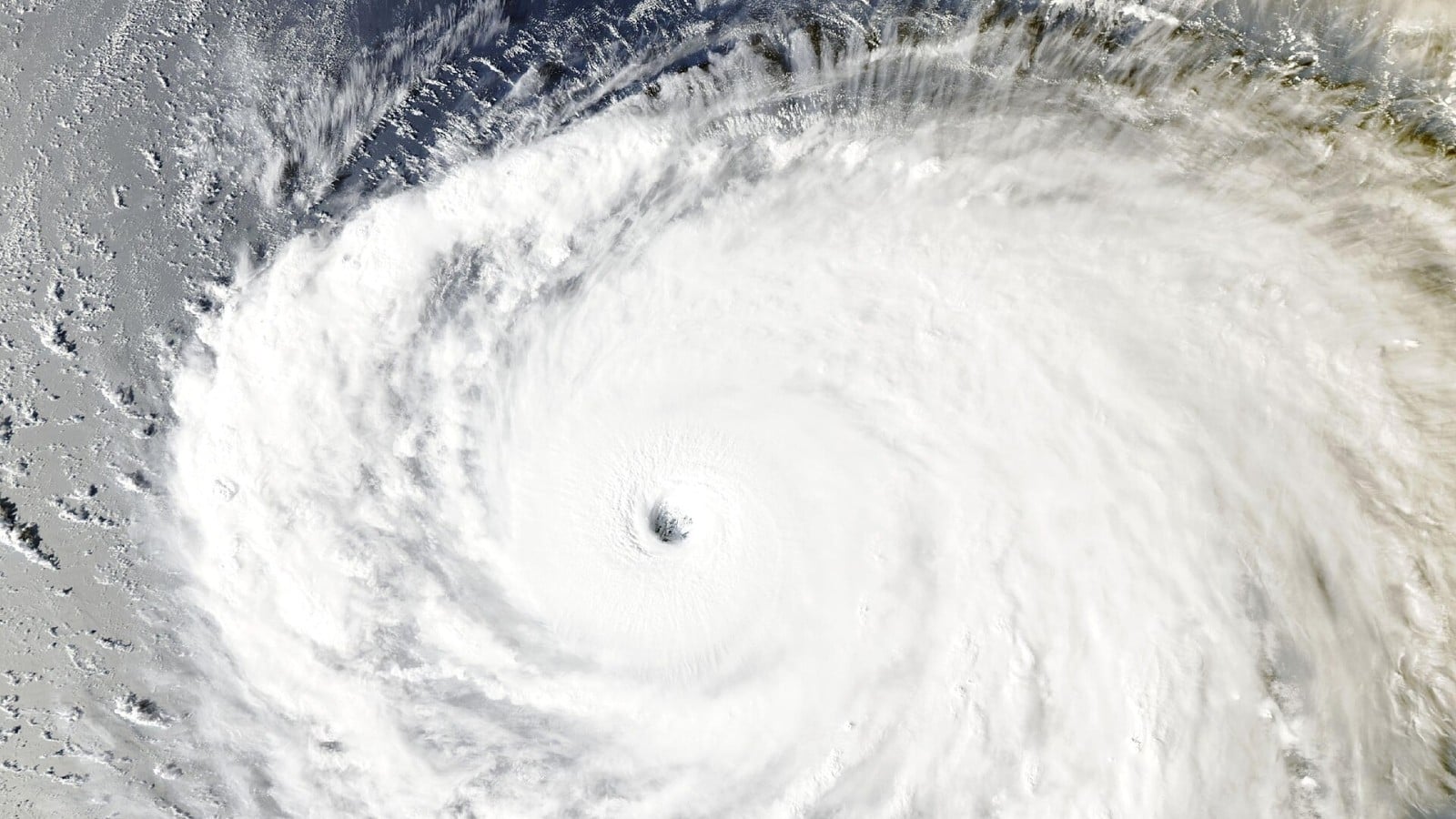
Typhoon Champi, at one point a super typhoon and one of the strongest storms in the Pacific this year, closed schools, offices and financial markets across almost all of Taiwan. Reuters reported that 262 domestic and 717 international flights were cancelled for the day, close to 1,000 in all. An earlier tally published by aeroTELEGRAPH put the international figure at 669, a sign of how fast the numbers kept climbing as airlines pulled more services.
Quick Facts
Storm: Typhoon Champi, earlier a super typhoon
Date: Friday, 23 October 2026
Flights cancelled: 262 domestic and 717 international (Reuters)
Strength: Gusts near the centre around 191 km/h when about 220 km east of Taiwan
Wind radius: About 320 km, among the largest in recent years
Track: Expected to pass just off north-eastern Taiwan, then towards China and southern Japan
Casualties: One dead and 171 injured, per Reuters
A storm too big to dodge
According to Taiwan’s Central Weather Administration, Champi was still producing gusts of about 191 km/h near its centre when it lay roughly 220 km east of the island, with a wind radius of about 320 km. The forecast track took it just off north-eastern Taiwan and then north towards the Chinese coast and southern Japan, passing over Yonaguni in Okinawa on the way. Forecasters expected its effects to last nearly two days.
Liu also warned that a direct landfall could not be ruled out if the storm stalled, looped or wobbled on its approach, and that a slower storm would mean strong winds over Taiwan for longer. Authorities evacuated 2,639 people from mountain areas, phone alerts warned of gusts above 150 km/h, and nearly a metre of rain was forecast for the northern mountains around Taipei.
Typhoon Champi nears Taiwan, causing flight cancellations (Global News).
Why airlines cancel rather than fly through
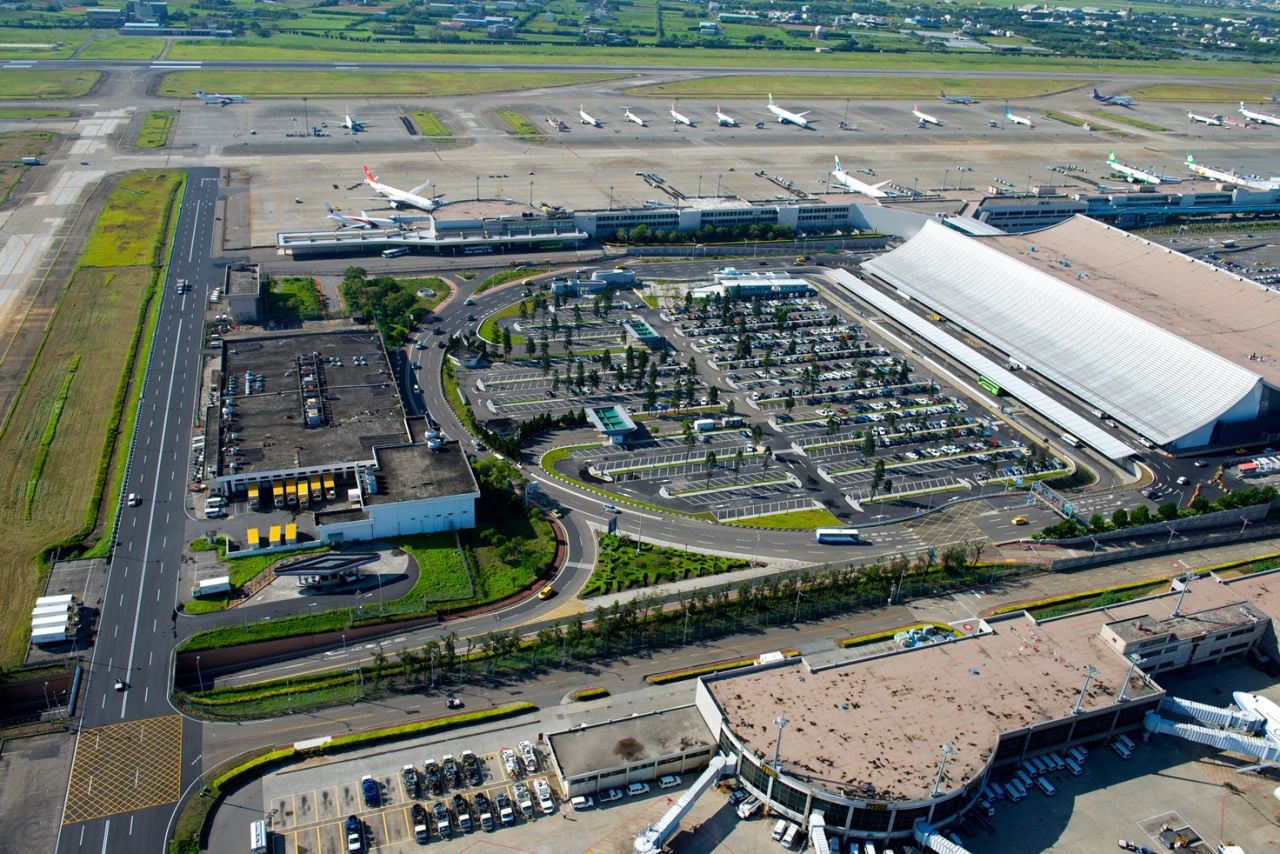
Airliners can cope with a lot of wind once they are airborne. The problem is the bit at either end. Every aircraft type has a demonstrated crosswind limit for take-off and landing, and typhoon gusts swing in strength and direction far faster than a crew can safely follow on short final. Even when the runway is technically usable, the airport around it often is not: ground handlers, fuel trucks, tugs and jet bridges all have wind limits of their own, and staff cannot safely work on an open apron in hurricane-force gusts.
So airlines make the decision early. Aircraft based in the danger zone are typically flown out to airports outside the storm’s path, or towed into hangars and secured, and schedules are rebuilt around the hours when the wind is expected to drop. Thai Airways, for example, cancelled all six of its Friday flights between Bangkok and Taipei and Kaohsiung, according to The Nation.
Taiwan keeps moving, slowly
Not everything stopped. The north-south high-speed rail line ran normally, and the Taipei metro kept running with reduced service, Reuters reported. Only Kinmen, the outlying island near the Chinese coast, kept schools and offices open.
Taipower said more than 77,000 homes lost electricity, though most had been reconnected. Once the winds ease, the airlines face the familiar post-typhoon puzzle: getting aircraft and crews back into position and nearly 1,000 flights’ worth of passengers onto the next available seat.
Sources: Reuters (via Dawn and The Star), aeroTELEGRAPH, Central Weather Administration (Taiwan), The Nation (Thailand), NOAA / NASA Worldview

0 Comments