
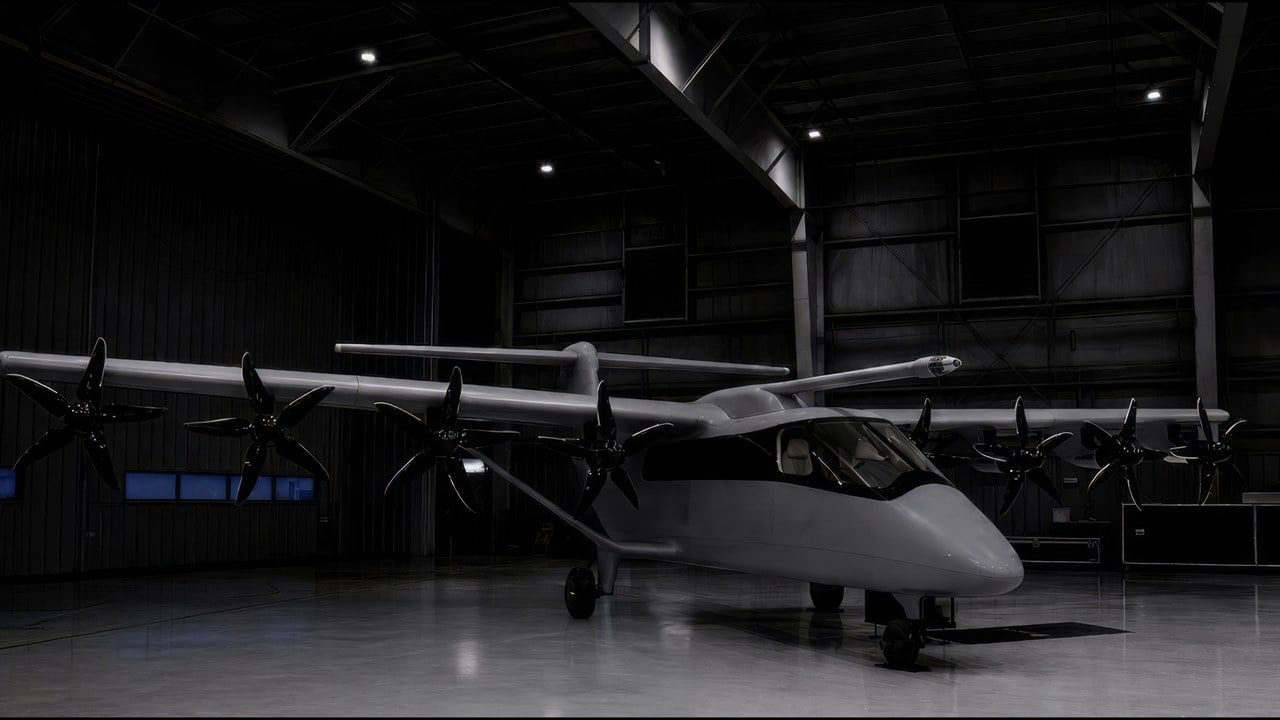
The US Air Force wants to know something very specific about Electra’s nine-seat hybrid-electric transport: how quietly can it sneak in? On Monday 9 November 2026, Electra Defense announced a $4.7 million contract from the Air Force Research Laboratory (AFRL) that pays for ground tests, flight tests and, pointedly, acoustic flight testing of battery-only, low-signature ingress and egress for special operations missions.
In other words: switch off the engine, run on the batteries, and see who hears you coming. That is a long way from the airport-shuttle pitch Electra usually makes for the EL9, and it says a lot about where the Pentagon thinks small, runway-independent aircraft could fit.
The award is an innovative capabilities opening (ICO) contract, and it is the newest step in a relationship with AFRL that goes back years. Electra announced it from its headquarters in Manassas, Virginia, and trade outlets including AVweb, FlightGlobal and Aviation Week reported it the same day.
Quick Facts
- Contract: $4.7 million innovative capabilities opening (ICO) award
- Customer: Air Force Research Laboratory (AFRL)
- Contractor: Electra Defense, unit of Electra.aero, Manassas, Virginia
- Announced: Monday 9 November 2026
- Aircraft: EL9, nine-passenger hybrid-electric Ultra-STOL (preproduction)
- Tests: Ground tests, propulsion verification, battery-only acoustic flight tests
- Takeoff/landing: As little as 150 ft (about 45 m), per Electra
- Earlier AFRL funding: STRATFI award worth up to $85 million (2023)
What the Air Force is buying
Not aircraft. Data. According to Electra, the contract covers verification of key hybrid-electric power and propulsion technologies, extensive ground testing of the EL9 preproduction aircraft, and the acoustic flight tests. Modelling and simulation will then estimate how hybrid-electric ultra-short takeoff and landing (Ultra-STOL) aircraft could operate from more places, disperse people and time-sensitive cargo quickly, and lean less on runways and ground support equipment.
The company says the findings will help inform future Air Force technology development and acquisition decisions. That is the polite way of saying nothing is being bought yet, but somebody is taking notes.
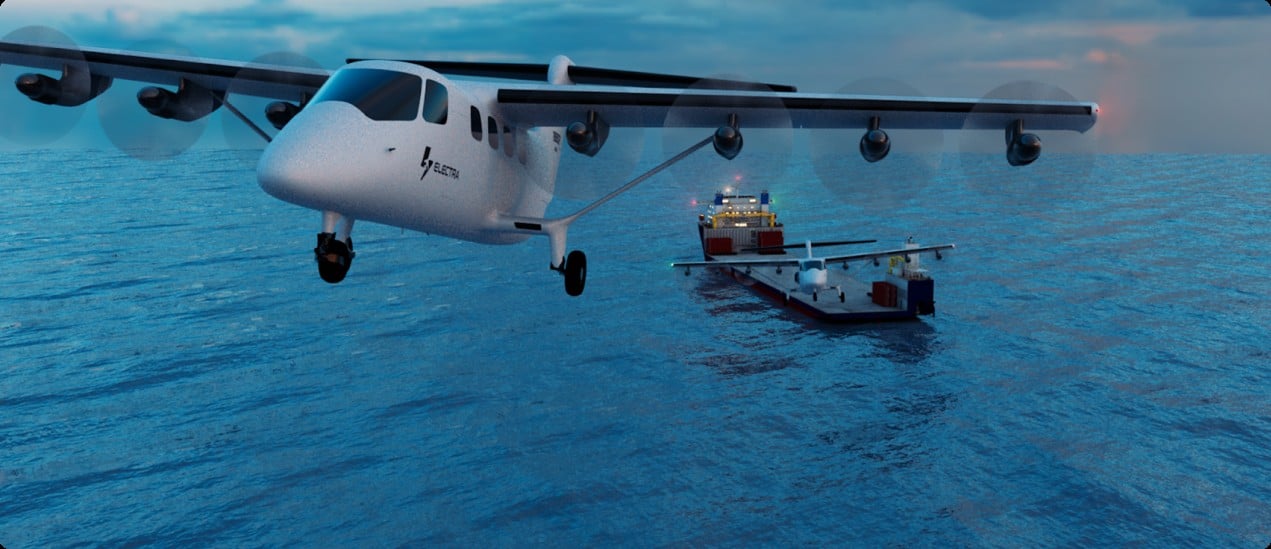
The effort is framed around Agile Combat Employment, the US Air Force doctrine of scattering aircraft and people across many small sites so an enemy cannot knock out a whole wing by hitting one big base. Scattered sites need resupply, and most of them will not have a long runway.
The Electra EL9: a sprinter van with wings
The EL9 is a nine-passenger hybrid-electric design that uses distributed electric propulsion and blown lift: a row of propellers blows air across the wing to generate extra lift at very low speed. Electra says it can take off and land in as little as 150 feet (about 45 metres). AVweb notes the EL9 is still under development, and that Electra has previously outlined plans to begin flight testing it in 2027.
When Electra launched its Electra Defense business unit on 3 December 2025, it claimed the EL9 could carry 1,000 lb over 1,000 nautical miles and generate 600 kW of expeditionary power on the ground. Donn Yates, the unit’s general manager, called it “the sprinter van of the skies”, pitched at the last tactical leg that trucks and helicopters struggle to cover and that big airlifters like the C-17 and C-130 are too precious to waste on.
Electra’s own video on the EL9 and its low noise, the quality the Air Force now wants to measure for battery-only special operations approaches.
The mission list Electra published at that launch reads like a special forces wish list: last-mile logistics, ship-to-shore transport, casualty evacuation, maritime patrol and quiet infiltration and exfiltration. The new contract is the first time the Air Force is paying to measure that last item directly.
Built on the EL2 demonstrator
The evidence so far comes from the EL2, Electra’s two-seat technology demonstrator. During AFRL’s Future Flag 25-3 exercise in September 2025, the EL2 flew an operational logistics scenario, performed a quiet ultra-short takeoff and landing, and used its hybrid-electric system to power up an MQ-9 Reaper drone on the ground.

Before that, in 2023, AFRL gave Electra a Strategic Funding Increase (STRATFI) award worth up to $85 million towards its full-scale preproduction aircraft. On the civil side, the same EL2 took off from and landed at Manhattan’s Downtown Skyport heliport in October 2026. Electra also lists NASA, the US Army and the US Navy among its contracted customers.
None of this makes the EL9 a program of record. It is a $4.7 million test contract for an aircraft that has not yet flown. But the Air Force has now paid for a quiet-approach test, which is not something you fund out of idle curiosity. If the numbers come back good, a battery-powered whisper could turn out to be the EL9’s most useful military feature.
Sources: Electra (press releases, 9 November 2026 and 3 December 2025), AVweb, FlightGlobal, Aviation Week

0 Comments