
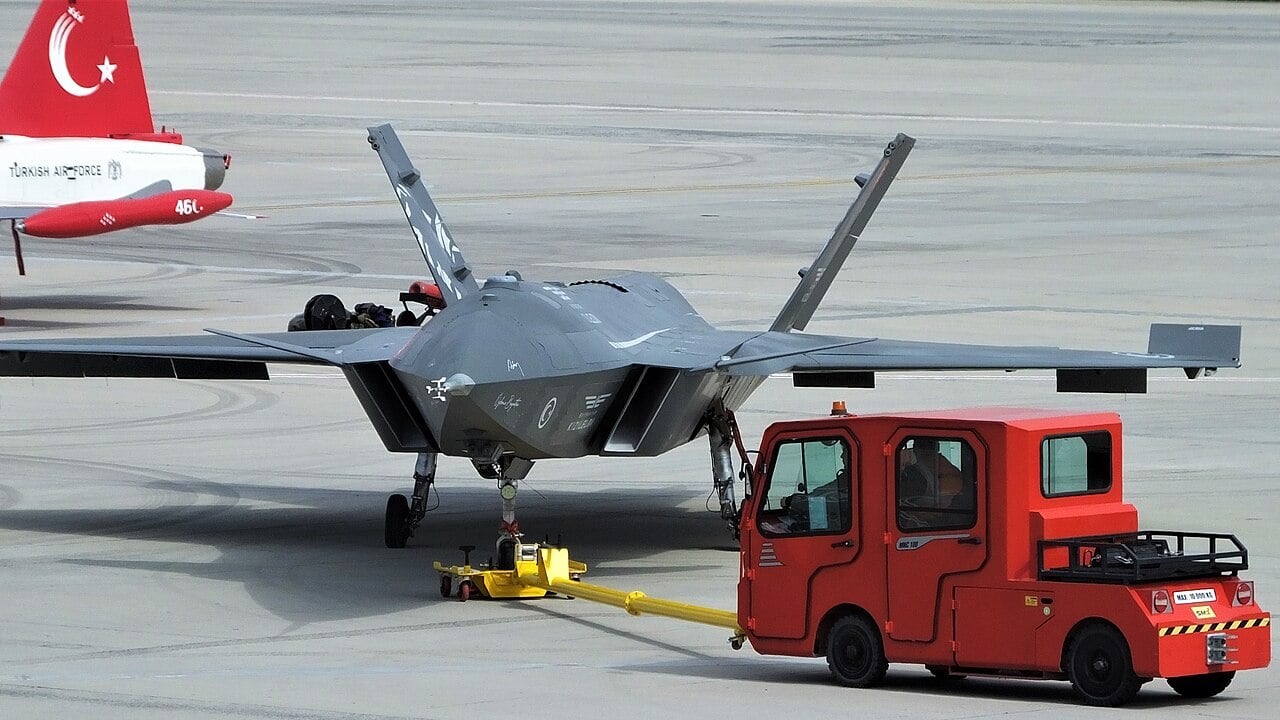
Baykar says it set out to build this dream 20 years ago. Now its most ambitious aircraft has gone operational. On Thursday 19 November 2026, Baykar announced that it had delivered the first three Bayraktar KIZILELMA unmanned fighter jets to Turkish security forces after they completed their acceptance tests.
President Recep Tayyip Erdoğan followed within hours, writing that the jet had entered the inventory of the Turkish Armed Forces “after years of work and great effort.” Baykar says the handover makes Türkiye the first country to put an unmanned fighter jet into its inventory, a milestone the company had been racing towards since the first flight in December 2022.
Neither Baykar nor the presidency said which branch has received the jets. Baykar referred only to “security forces”, and Daily Sabah noted that the company also did not give the exact delivery date.
Quick Facts
- What: First three Bayraktar KIZILELMA unmanned fighter jets delivered
- When: Announced Thursday 19 November 2026
- Builder: Baykar, Türkiye
- Recipient: Turkish “security forces”; branch not specified
- Testing: 600 test and training sorties, per Baykar
- First flight: 14 December 2022, Çorlu
- Payload: 1.5 tonnes in an internal weapons bay
- Export: Framework deal for 12 aircraft for Indonesia, deliveries targeted from 2028
Three jets, 600 sorties
According to Baykar, the test and training campaign behind the delivery had reached 600 sorties by the time the first three aircraft were accepted. The company marked the moment with a post on its official account that also paid tribute to colleagues lost along the way and to its late founder, Özdemir Bayraktar.
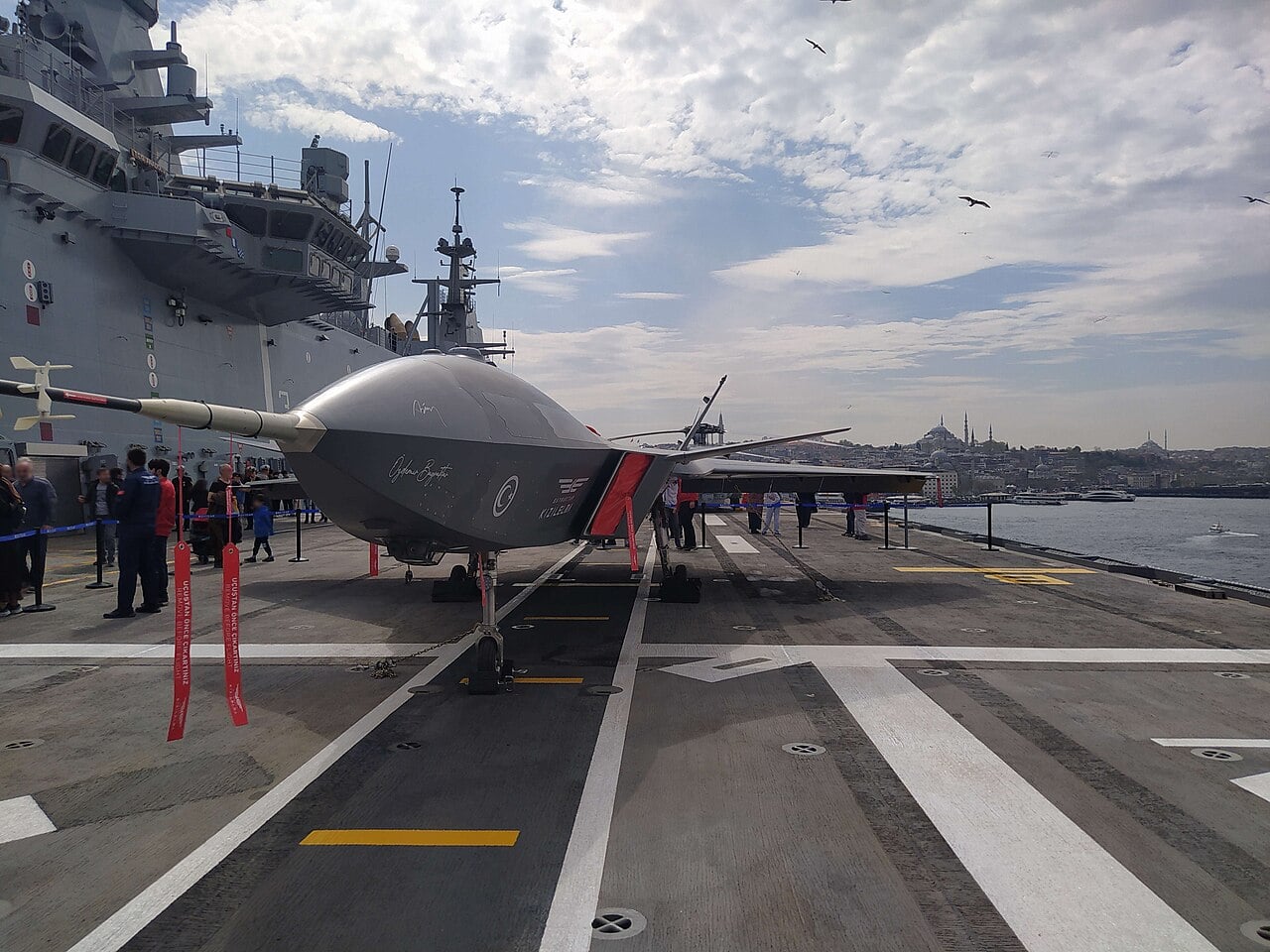
KIZILELMA, Turkish for “Red Apple”, is a single-engine, jet-powered combat drone with a canard-delta layout, twin canted fins and an internal weapons bay. It is built to fly with a low radar signature, carry an ASELSAN MURAD AESA radar, and operate from short runways and, in future, from the amphibious assault ship TCG Anadolu.
Daily Sabah, citing the aircraft’s published figures, gives it a payload of 1.5 tonnes in the internal bay, a top speed of Mach 0.9 and an endurance of more than three hours. In Baykar’s lineup it sits well above the propeller-driven Bayraktar TB2 and AKINCI, the drones that made the company’s name.
From renderings to a missile kill
The programme moved quickly by fighter standards. Baykar released the first concept images in July 2021, the first aircraft entered the production line in March 2022, and KIZILELMA made its maiden flight on 14 December 2022 at Çorlu in Tekirdağ province, ahead of the 2023 target the company had set.
In April 2023 it flew in close formation with an AKINCI, which Baykar called the first close formation flight of two unmanned aircraft. The same spring it appeared at Teknofest in Istanbul alongside the SoloTürk F-16 and the Turkish Stars.
Weapons work accelerated in 2025. In October, KIZILELMA dropped TOLUN and TEBER-82 munitions in its first firing tests, and the TOYGUN electro-optical targeting system followed weeks later. Then, in late November 2025 off Sinop on the Black Sea coast, it fired a GÖKDOĞAN beyond-visual-range missile from TÜBİTAK SAGE at a jet-powered target tracked by its own MURAD radar. Baykar called it the first time an unmanned fighter had hit a jet-powered aerial target with such a missile.
Baykar’s own footage of two KIZILELMAs flying an autonomous close formation, one of the milestones on the way to the November 2026 delivery.
Autonomy and the hidden weapons bay
In December 2025, two KIZILELMAs flew in close formation using what Baykar calls intelligent fleet autonomy, a demonstration the company described as a world first for two unmanned fighters. This year the jet also flew autonomously alongside Italian M-346 trainers under the Leonardo–Baykar K-SWARM teaming work, a step towards crewed and uncrewed jets fighting as one formation. Afterburner covered that test in A Pilot Just Flew a Drone From Another Jet.
In July 2026, KIZILELMA struck a target with Roketsan’s supersonic JET-230 air-to-surface missile. Later that month came a quieter but more important milestone for a stealthy design: the first release of TEBER-82 and TOLUN weapons from the internal bay, which we wrote about in Turkey’s Fighter-Drone Fires From Within.
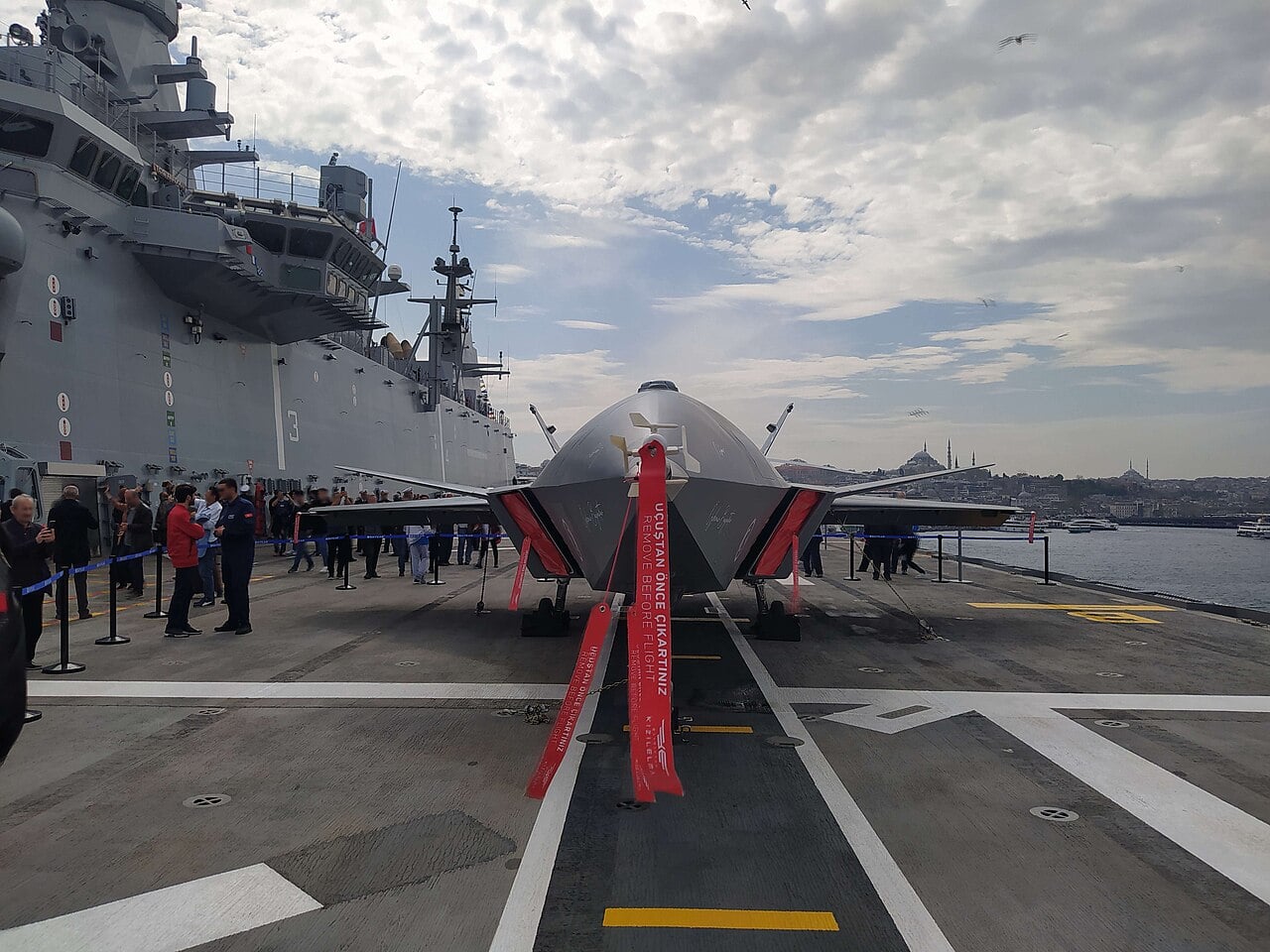
Carrying weapons inside the fuselage matters because pylons and bombs hanging under the wings reflect radar energy. Clearing internal-bay releases was one of the boxes that had to be ticked before a low-observable jet could be handed to an operator.
What comes next
Erdoğan framed the delivery as a national milestone, writing that he believed the armed forces would “achieve victory after victory” with the jet. His communications director, Burhanettin Duran, said the step showed Türkiye’s engineering strength and strategic vision.
KIZILELMA is also Baykar’s next export product. In May 2026, General Manager Haluk Bayraktar announced a framework agreement covering 12 aircraft for Indonesia, with deliveries targeted from 2028 and an option for 48 more. The company reported a record $2.2 billion in exports in 2025 and says it has signed export deals with 40 countries for the TB2 and AKINCI.
For now, the open questions are the ones Baykar left unanswered: which service flies the first three jets, from where, and how fast the fleet grows. But the headline is already written. A jet-powered fighter with no cockpit has moved from the test range into a national inventory, and every air force planning its own loyal wingman will have noticed.
Sources: Baykar, Recep Tayyip Erdoğan on X, Daily Sabah, AeroTime, Wikipedia (Baykar Bayraktar Kızılelma)
Header photo: Erişim / Wikimedia Commons, CC BY 4.0


0 Comments