
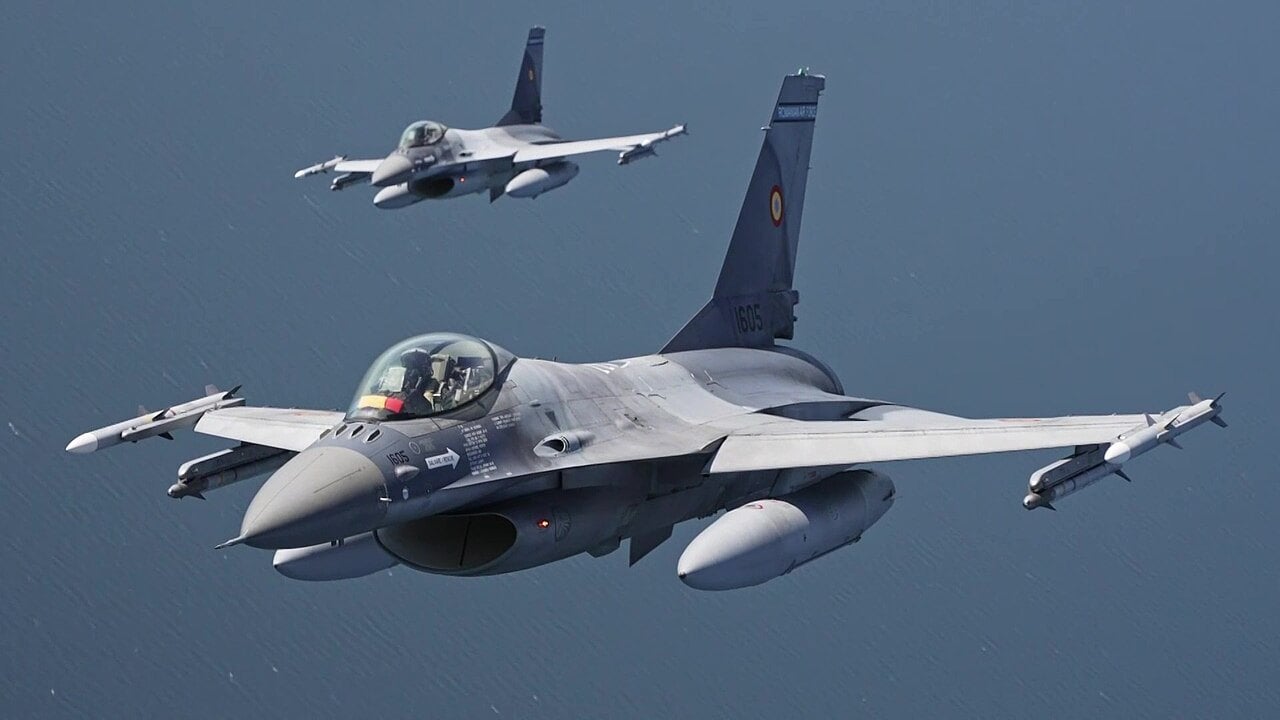
At 02:30 local time on Friday 27 November 2026, phones in Latvia’s eastern Ludza municipality lit up with an orange alert. A drone had crossed the Russian border and, for a short moment, was flying inside Latvian airspace. Within minutes, NATO fighter jets were on their way.
Four hours later, just across the border to the north, it was Estonia’s turn. The Estonian Defence Forces sent a potential air threat warning to six counties in the south and south-east of the country, and NATO jets were again sent into the area. Both alerts were over before breakfast, and no shoot-down was reported.
Quick Facts
- Date: Friday 27 November 2026, overnight and early morning (local time)
- Latvia: Drone briefly inside Latvian airspace; orange alert for Ludza 02:30 to 02:55, then yellow alert for Balvi until about 03:30
- Response in Latvia: NATO Baltic Air Policing fighters activated; Latvian interceptor drone launched and returned to base
- Estonia: Potential air threat warning for six southern and south-eastern counties from 06:41 until shortly before 07:30
- Response in Estonia: Air defence on higher readiness; NATO air policing fighters sent; NATO E-3A Sentry flying in Baltic airspace
- Shoot-down: None reported by either military
- Drone origin: Not confirmed; Ukraine attacked St Petersburg with long-range drones that night
What Latvia’s armed forces said
According to the Latvian National Armed Forces (NBS), its sensors tracked an unmanned aircraft moving right along the state border, and for a brief moment the drone was over Latvian territory. An airspace threat was declared for Ludza municipality at 02:30 and the orange alert was activated.
In response, the NBS said, fighters of NATO’s Baltic Air Policing mission were activated and the armed forces launched one of their own interceptor drones, which returned to its launch site after the flight. Air defence units stood ready to respond. The military did not say that any drone had been engaged or destroyed.
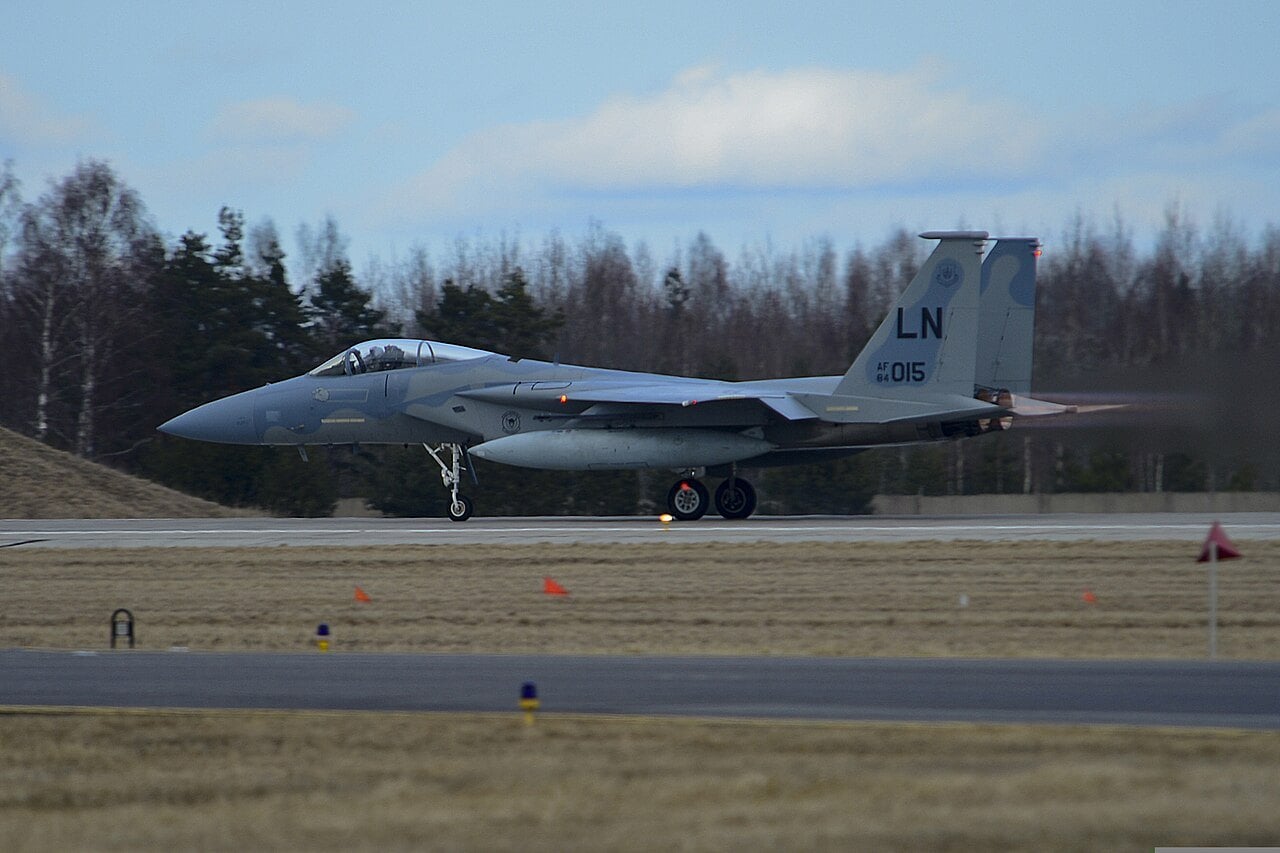
At 02:55 the threat over Ludza ended and the orange alert was lifted. At the same moment, a yellow alert for a possible threat went out for neighbouring Balvi municipality to the north. That one was cancelled at around 03:30. The NBS did not identify the drone or say where it came from.
Estonia: jets and an AWACS overhead
In Estonia, the Defence Forces pushed a potential air threat warning through the EE-ALARM app at 06:41 to Tartu, Jõgeva, Viljandi, Valga, Võru and Põlva counties, telling residents to seek shelter if they spotted a drone. The all-clear came shortly before 07:30.
The Defence Forces told the Estonian public broadcaster ERR that they had detected unmanned aircraft moving close to Estonia’s borders overnight. Air defence units were put on higher readiness, fighters serving on NATO’s air policing mission in the Baltic states were sent to the region, and a NATO Boeing E-3A Sentry airborne early warning aircraft was flying in Baltic airspace to monitor it and help coordinate allied flying.

The Estonian military said the origin of the drones that caused the alert could not be confirmed. It added that Ukraine had launched a large long-range drone attack on St Petersburg that night. The governor of Russia’s Leningrad region, Alexander Drozdenko, claimed that 45 drones were shot down over the region overnight, the Russian news agency TASS reported.
The Bundeswehr’s own film on a German Baltic Air Policing detachment shows how an alpha scramble works. It is not footage of the 27 November alert.
A pattern on NATO’s north-eastern edge
Friday’s alerts were the latest in a long run of drone incidents along the Baltic states’ borders with Russia. ERR noted that Estonia’s previous warning had come early on Saturday 21 November, and that such warnings usually coincide with Ukrainian drone attacks on Russian targets. Kyiv has said its drones can be pushed off course by Russian GPS jamming, while Baltic ministers have repeatedly rejected Moscow’s claim that Ukraine uses their airspace.
NATO’s fighters have been busy. In August, Afterburner reported how NATO jets shot down a drone over Latvia, and in September a drone crossed into Estonia. Earlier this month, NATO fighters fired twice at a drone over Lithuania and missed.
The Baltic Air Policing jets that answered on Friday rotate through the region every few months, flying from Ämari in Estonia and Šiauliai in Lithuania. The NBS said it has reinforced air defence on Latvia’s eastern border with extra units, and warned that while Russia’s war against Ukraine continues, more foreign drones are likely to approach or enter Latvian airspace.
Sources: Latvian National Armed Forces (mil.lv), Estonian Defence Forces via ERR, ERR News, LSM, LBC



0 Comments