
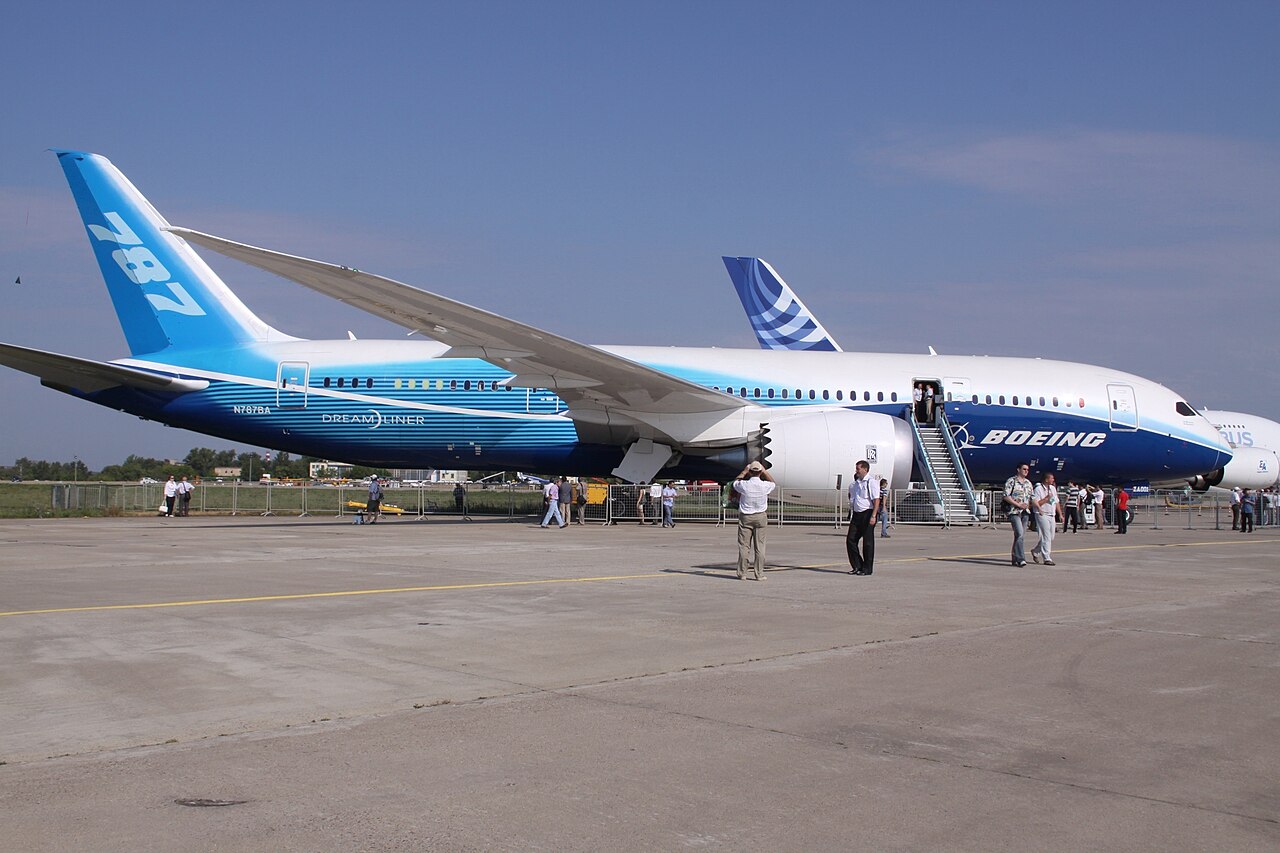
On 26 August 2011, at Boeing’s factory in Everett, Washington, FAA Administrator Randy Babbitt handed a single certificate to the 787’s chief pilot, Mike Carriker, and its chief project engineer, Mike Sinnett. The European Aviation Safety Agency presented its own version at the same ceremony. The Dreamliner had flown for the first time 20 months earlier. The programme had been launched more than seven years before, in April 2004.
That piece of paper was the type certificate, and the years between launch and handover are the honest answer to one of aviation’s most common questions: how long does it take to certify an aeroplane? The short answer is “years, and it depends”. The longer answer is a process with five named stages, a ticking clock written into federal law, and one document that decides when the official test flying can begin.
Quick Facts
- What it is: A type certificate approves an aircraft design (FAA 14 CFR Part 21; EASA Part 21)
- Five FAA stages: Conceptual design, requirements definition, compliance planning, implementation, post-certification (FAA Order 8110.4C)
- Application clock: 5 years for transport category aircraft, 3 years for other type certificates, unless the FAA approves longer (14 CFR 21.17(c))
- Key gate: Type Inspection Authorization (TIA) starts official FAA conformity inspections and flight testing
- Reliability flying: At least 300 hours for aircraft with a turbine engine type not used before in a type-certificated aircraft; at least 150 hours for other aircraft that need it (14 CFR 21.35(f))
- Example: 787: Launched April 2004, first flight December 2009, certified August 2011
- Example: A350: First flight 14 June 2013, EASA type certificate 30 September 2014
A clock that starts with the application
Certification formally begins when a manufacturer files FAA Form 8110-12, the application for a type certificate, together with a three-view drawing of the aircraft and its basic data. That date matters more than any other, because under 14 CFR 21.17 the applicant must meet the airworthiness rules in force on the day of application. The rulebook is effectively frozen for that project.
The freeze does not last forever. The same section says an application for a transport category aircraft is effective for five years, and for any other type certificate three years, unless the FAA agrees at the outset that the product needs longer. Miss the deadline and the applicant must either start again or extend the application and accept newer rules. Europe works the same way: Commission Regulation (EU) No 748/2012, the regulation that contains EASA’s Part 21, as adopted gave large aeroplanes and large rotorcraft five years and other type certificates three.
The detailed choreography sits in FAA Order 8110.4C, Type Certification, the handbook FAA staff work from. The joint FAA and industry Guide to Product Certification sums it up: the Order lists five phases, namely conceptual design, requirements definition, compliance planning, implementation and post-certification.
Stage 1: Conceptual design
The first stage happens before any formal application. The Order encourages a would-be applicant to contact its local FAA certification branch early. The branch runs a “process orientation” for newcomers, and the company gives a familiarisation briefing on the design, especially anything novel. The point is simple: the FAA cannot plan its own workload, or spot a problem early, for an aircraft it has never heard of.
Every applicant must also produce a certification plan. Under the Order it covers the design, the intended operations, the proposed certification basis, how compliance will be shown, the test articles, the designees to be used and a schedule. The Order is blunt that if the plan does not show the FAA that the applicant understands the scope of the job, the application should be rejected.
Stage 2: Requirements definition
With the application filed, the FAA opens a project, assigns a project manager and specialists, and forms the certification team and its Type Certification Board (TCB). A central job at this stage is to fix the certification basis: the exact rules, at their exact amendment levels, that the aircraft must meet.
Where the rules do not fit the design, the paperwork multiplies. Significant problems are worked through issue papers, collected in an issues book. Novel features the rules never anticipated may need special conditions, which the FAA publishes for public comment. A composite fuselage, an unusual engine layout or a new kind of flight control system can each add months here.
Stage 3: Compliance planning
Next the FAA and the applicant agree how each requirement will be shown: by analysis, ground test, flight test, similarity with an earlier design, or inspection. The output is the completed certification plan, which also settles FAA involvement: which findings the agency will make itself and which it will delegate to its designees or to an Organization Designation Authorization (ODA) holder.
Delegation is one of the few levers an applicant has on the schedule. Work handled by qualified designees or an ODA does not have to queue for FAA engineers, which is why large manufacturers invest so heavily in their own delegated organisations.
Boeing’s own look back at the 787’s packed certification test programme.
Stage 4: Implementation, where the years go
Implementation is the long middle of every programme. Prototypes are built and inspected for conformity to the drawings, test airframes are loaded to prove their strength, systems are qualified, and engineers write the compliance reports that prove each rule is met. Only when the FAA is satisfied that the aircraft is expected to meet the regulations does it issue the Type Inspection Authorization (TIA).
The TIA authorises the FAA’s own conformity inspections and its ground and flight tests, and it may be issued in phases so that basic safety is established before the riskier test points. Manufacturers fly their own development and compliance tests before the TIA as well.
Then comes function and reliability flying, which tests whether the aircraft and its systems simply keep working in service-like use. Under 14 CFR 21.35(f) it must include at least 300 hours of operation for an aircraft with turbine engines of a type not previously used in a type-certificated aircraft, and at least 150 hours for all other aircraft that need it. In parallel, the Aircraft Flight Manual is approved and the Instructions for Continued Airworthiness are reviewed.
The stage ends at the final TCB meeting. Outstanding items are reviewed, the applicant submits its statement of compliance, and the FAA issues the type certificate and its type certificate data sheet. For an original type certificate the FAA must also make a noise finding under the Noise Control Act, on top of the Part 36 noise standards.
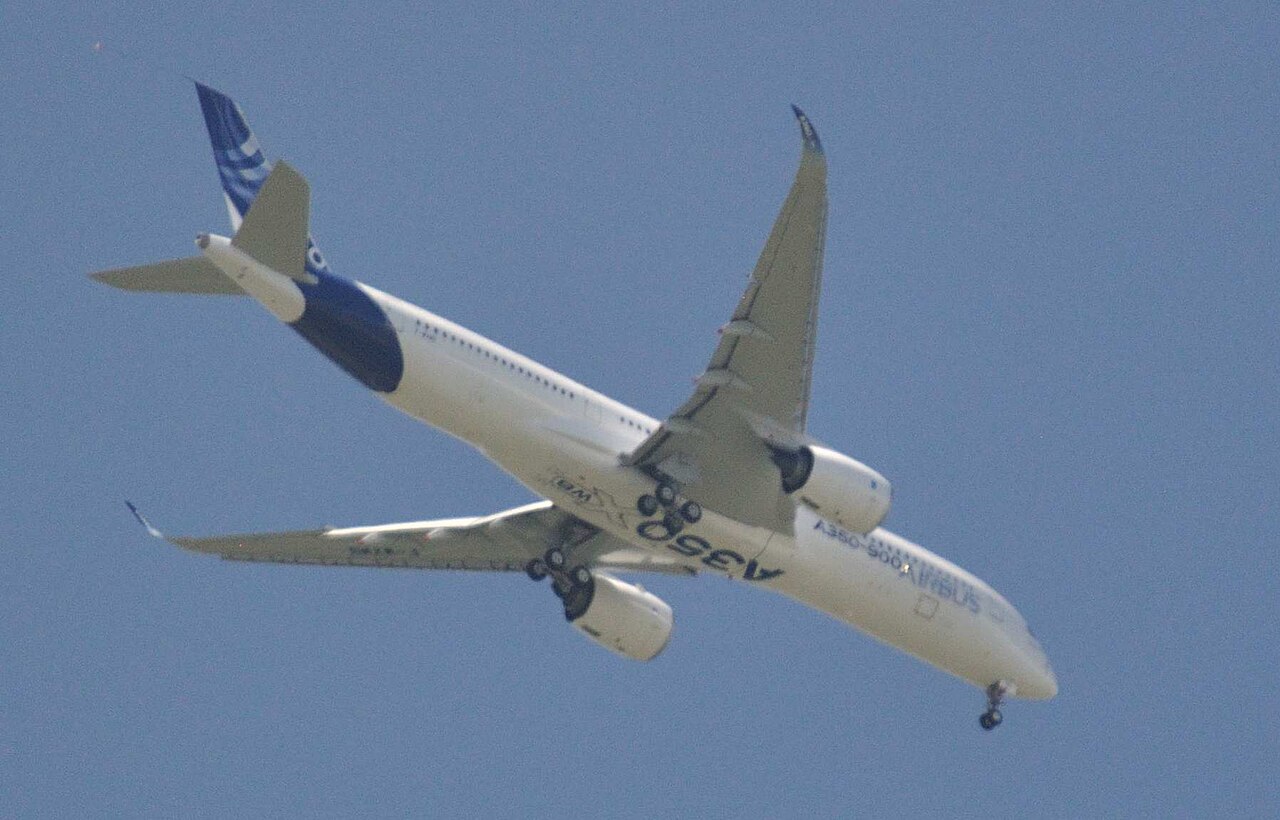
Airbus flight test series: velocity minimum unstick (VMU) tests, one of the demanding test points flown on the way to a type certificate.
Stage 5: Post-certification
A type certificate is not a finish line. The Order’s post-certification stage covers the certification summary report, the type inspection report, data retention and continued airworthiness: tracking service problems and issuing changes for as long as the type flies. Getting a production certificate, which lets a manufacturer build copies of the approved design, is a separate approval; under the Order a company cannot get one before its type certificate is issued.
Later changes follow their own path. The type certificate holder can amend its own certificate, while anyone else who wants to make a major change needs a supplemental type certificate, the system that lets other companies own parts of a Boeing design.
So how long does it actually take?
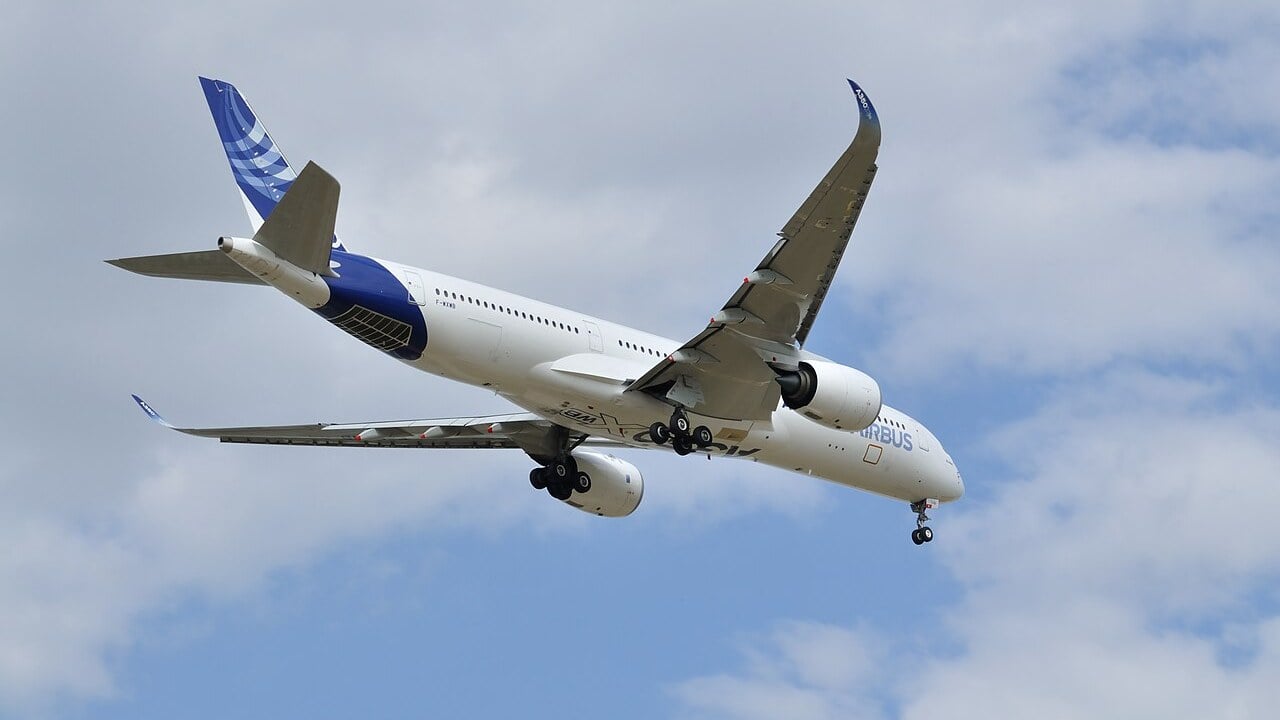
The regulations set deadlines, not durations, so the real answers come from real programmes. The 787 was launched in April 2004, first flew on 15 December 2009 after a series of delays, and was certified in August 2011. The Airbus A350 first flew on 14 June 2013 and received its EASA type certificate on 30 September 2014, with FAA certification following on 12 November 2014. Even for an experienced airliner maker, flight test to certificate took well over a year.
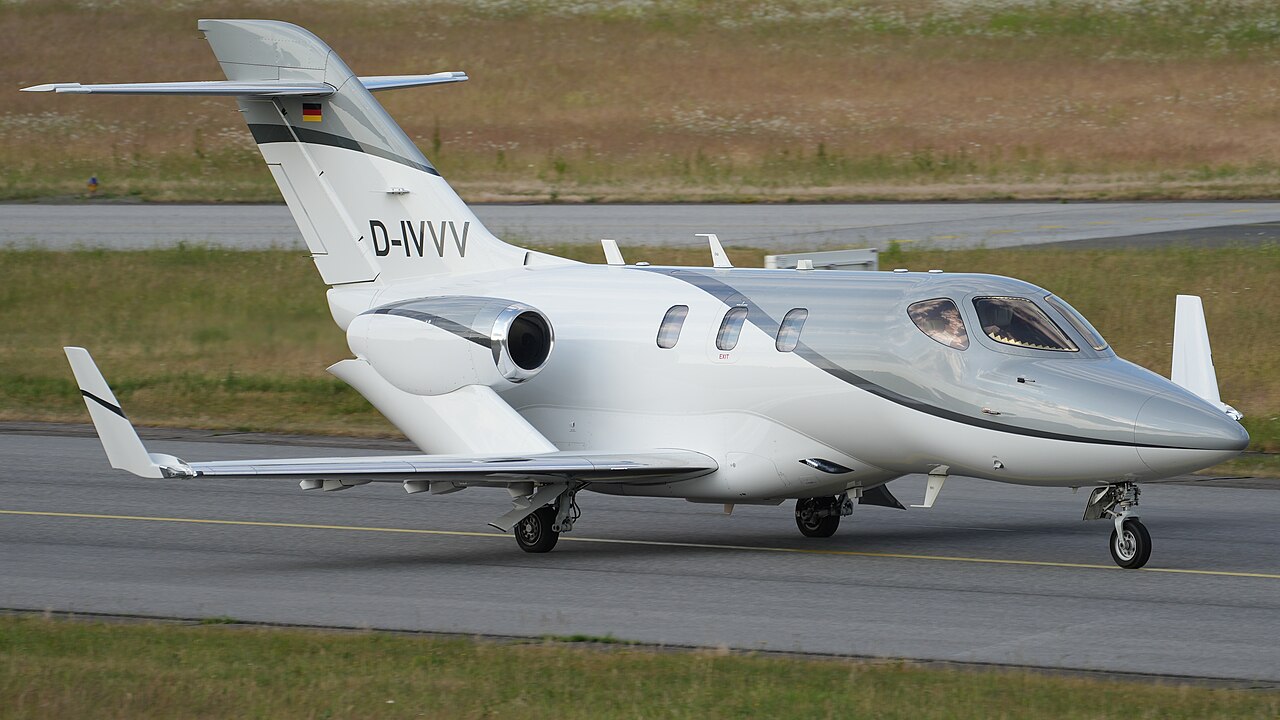
Newcomers can take much longer. The HondaJet first flew as a proof-of-concept aircraft in December 2003, Honda announced it would sell the jet in 2006, and the first FAA-conforming aircraft flew in December 2010. A provisional type certificate came in March 2015 and the full FAA type certificate in December 2015, twelve years after that first flight.
Changes to existing types are no guarantee of speed either. The 737 MAX 10 received its amended type certificate on 20 October 2026, nine years after its launch at the Paris Air Show, as Afterburner reported at the time.
Airbus marks the A350 XWB receiving its type certification in 2014.
The pattern is consistent. The paperwork at either end, application and final TCB meeting, takes months. The middle, proving every one of hundreds of requirements on real hardware, takes years. Any new design feature the rules never imagined adds time. That is why the most accurate answer to “how long does it take to certify an aeroplane?” is still the least satisfying one: as long as it takes to prove, rule by rule, that it is safe.
Sources: FAA Order 8110.4C Change 7 (Type Certification), The FAA and Industry Guide to Product Certification (3rd ed.), 14 CFR 21.17 and 21.35 (eCFR), Commission Regulation (EU) No 748/2012 Annex I (Part 21), Boeing press release (26 August 2011), Airbus, Aerospace Manufacturing and Design
Header photo: Gyrostat / Wikimedia Commons, CC BY-SA 4.0

0 Comments