
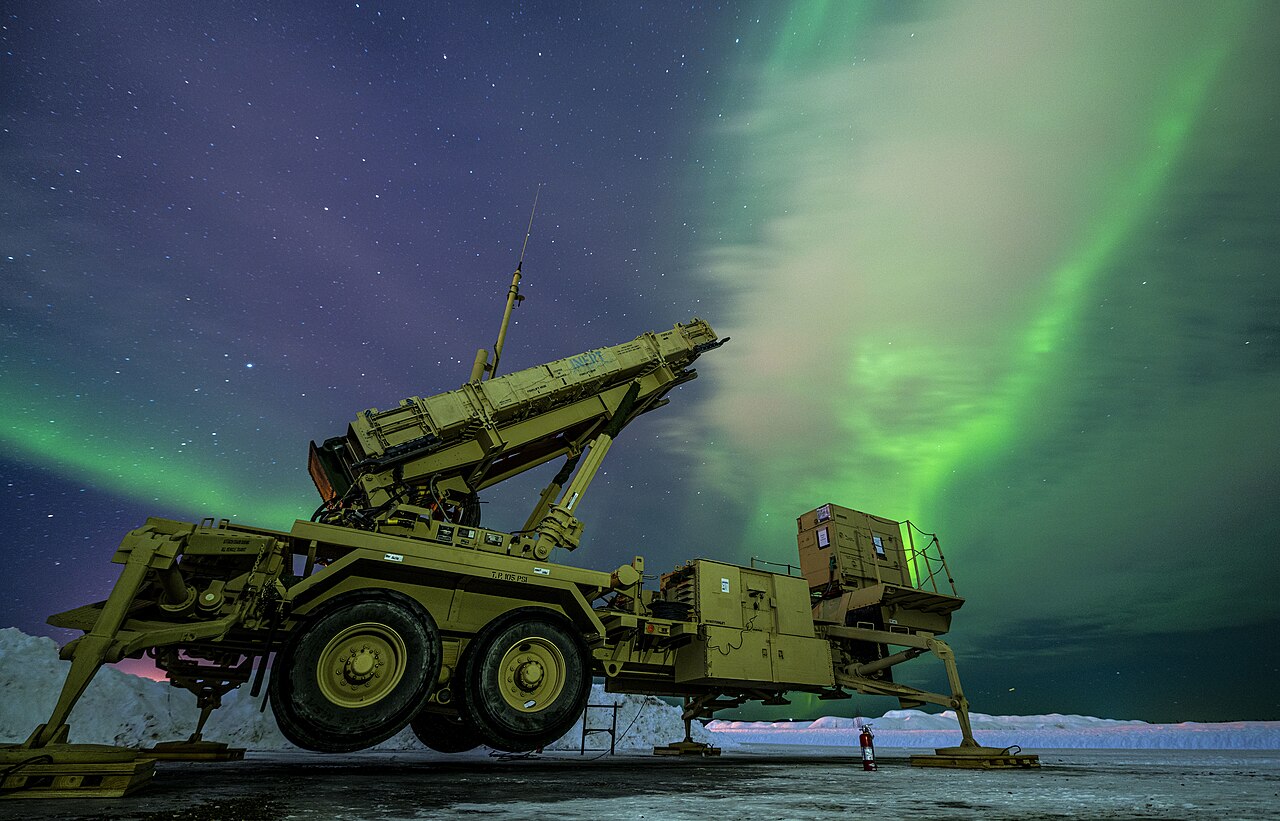
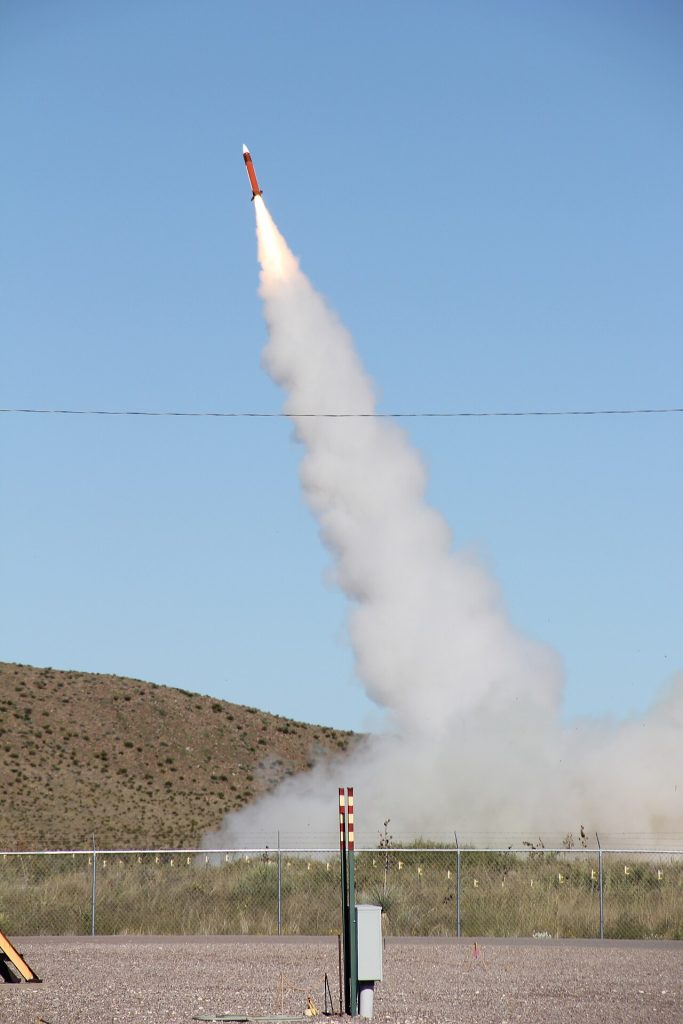
Every PAC-3 interceptor fired by a Patriot battery depends on one component made in Huntsville, Alabama: the radar seeker in its nose. Boeing builds it as a subcontractor to Lockheed Martin, and with Patriot stocks drained by wars in Ukraine and the Middle East, the seeker has become the bottleneck. A post on Instagram lays out Boeing’s plan to triple production. Most of its numbers hold up; two do not, and one is already out of date.
Quick Facts
- Component: Ka-band active radar seeker for PAC-3 and PAC-3 MSE interceptors
- Built by: Boeing, Huntsville, Alabama, as subcontractor to Lockheed Martin
- In production since: 2000
- 2024 output: Over 400 seekers (Axios; Reuters reported over 500)
- 2025 output: About 650
- 2026 plan: About 850
- Target: About 2,000 a year under a seven-year framework
- Built to date: More than 6,000 since 2000
The Seven-Year Framework
On 1 April 2026 Boeing and the Pentagon signed a seven-year framework to roughly triple PAC-3 seeker production, from about 650 in 2025 to about 2,000 a year. It mirrors Lockheed Martin’s own framework, signed on 6 January 2026, to raise PAC-3 MSE missile output from about 600 to about 2,000 a year over the same period. Lockheed delivered 620 PAC-3 MSEs in 2025.
Boeing says it has invested more than $200 million in its Huntsville site since 2024, including a 35,000 sq ft expansion, and that deliveries rose by more than 30 percent in 2025. It plans about 850 seekers in 2026.
The Contract Is No Longer Under Negotiation
In October 2025 Boeing announced about $2.7 billion in multiyear contracts with the US Army and Lockheed Martin, covering more than 3,000 seekers through 2030 at up to 750 a year. The caption says a further contract is under negotiation. That is out of date: on 5 October 2026 Lockheed Martin awarded Boeing a seven-year contract worth about $14.7 billion for PAC-3 MSE seekers under the new framework. It is an undefinitized contract action, meaning the final terms are still being agreed.
What the Viral Post Gets Wrong
The caption says Boeing built “just over 5,000” seekers from 2000 to 2025, and that at the new pace it would match that in two and a half years. Boeing’s own figure, from October 2025, is more than 6,000; the 5,000 figure comes from an older product card. And at 2,000 a year it would take about three years to build 6,000, with 2,000 a year only reached at the end of the seven-year ramp-up. The rest of the caption, from the April framework and the 650 and 850 figures to the Huntsville investment, matches Boeing’s statements.
Why the Seeker Matters
Patriot output can only grow as fast as the seeker line. Japan’s Mitsubishi Heavy Industries, which builds PAC-3s under licence, has said its own expansion is held back by the shortage of US-made seekers. In Europe, the new Patriot missile plant at Schrobenhausen in Germany will build the older PAC-2 GEM-T, not the PAC-3 MSE, although Germany and the United States agreed in September 2026 to pursue German PAC-3 production.
View this post on Instagram
Sources: Boeing (1 April 2026 and 5 October 2026 releases; 14 October 2025 release; PAC-3 seeker product card); Lockheed Martin (6 January 2026 release); Bloomberg; Military Times; Axios (22 July 2026); Reuters; Defense News (6 October 2026 and 23 September 2026); The Defense Post (Japan, 2024); ioplus.nl and Stars and Stripes (Schrobenhausen)

0 Comments