
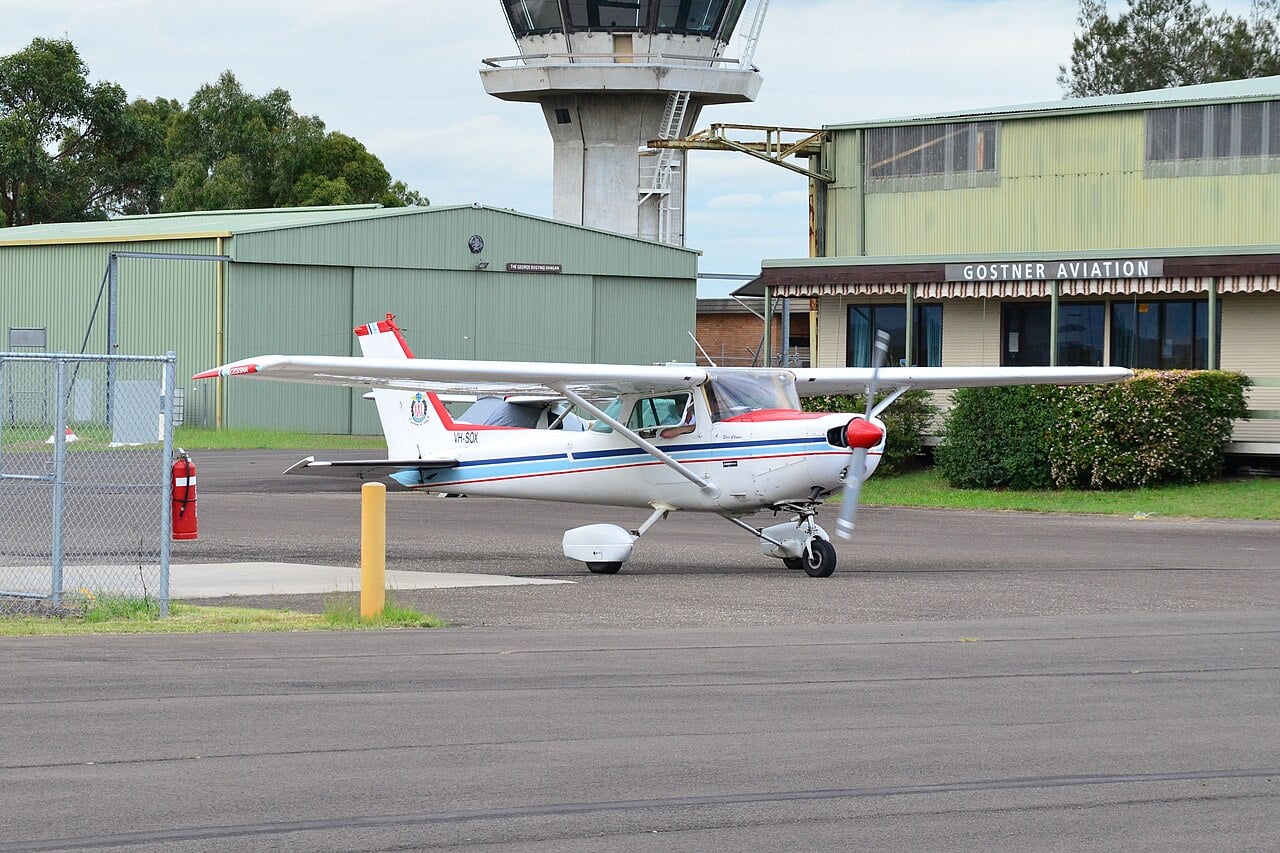
On our numbers, a Cessna 152 that flies 20 hours a year costs its owner about $575 for every hour in the air, once the capital tied up in it is counted. The same aeroplane flown 100 hours costs about $177. Nothing about the airframe changes between those two figures – only the number of hours you spread the hangar, insurance and inspection bills across.
We priced six ways to leave the ground, from a backpack paramotor to a four-seat Cessna 172, using manufacturer fuel-burn data, published TBOs, real listings and November 2026 fuel prices. Every number is shown, and every estimate is labelled.
Quick Facts
- Cheapest to own: Paramotor: about $790 a year at 20 h, $18/h at 100 h (estimate)
- Cessna 152 at 20 h/year: About $575 per flying hour (estimate)
- Cessna 152 at 100 h/year: About $177 per flying hour (estimate)
- Fixed share at 20 h: 87% (Cessna 152) to 92% (LSA)
- 100LL average, US: $7.40/US gal (AirNav, 5 Nov 2026)
- Rotax 912 ULS fuel burn: 18.5 L/h (4.9 US gal/h) at 75% power
- Part 103 limits: Under 254 lb (115 kg) empty, 5 US gal (18.9 L) fuel, 55 kt
- Four-way C152 partnership: About $202/h at 20 h (estimate)
How the sums work
Every aircraft has two price tags. The first is fixed: the bills that arrive whether you fly or not – hangar or tie-down, insurance, the annual inspection, registration, a navigation app, and the money tied up in the machine itself. The second is variable: the costs that scale with the Hobbs meter – fuel burn multiplied by fuel price, oil, an engine reserve (overhaul cost divided by time between overhaul, or TBO) and a maintenance allowance for everything that wears.
The numbers here are mainly US and in US dollars, with a German column for a European microlight in euros. Fuel prices are from 5 November 2026. Where we convert, we use the European Central Bank reference rate of that day: €1 = $1.1224 = £0.83393.
One assumption needs flagging. We charge a capital cost of 5% of the purchase price per year – our estimate of the interest you give up (or pay) by owning instead of investing. We do not add separate depreciation, because used certified aircraft have held their value in recent years; a new kit ultralight or LSA can lose value faster, so treat its figure as a floor. If you bought with cash and do not care about opportunity cost, subtract that column.
The ladder: six ways to leave the ground
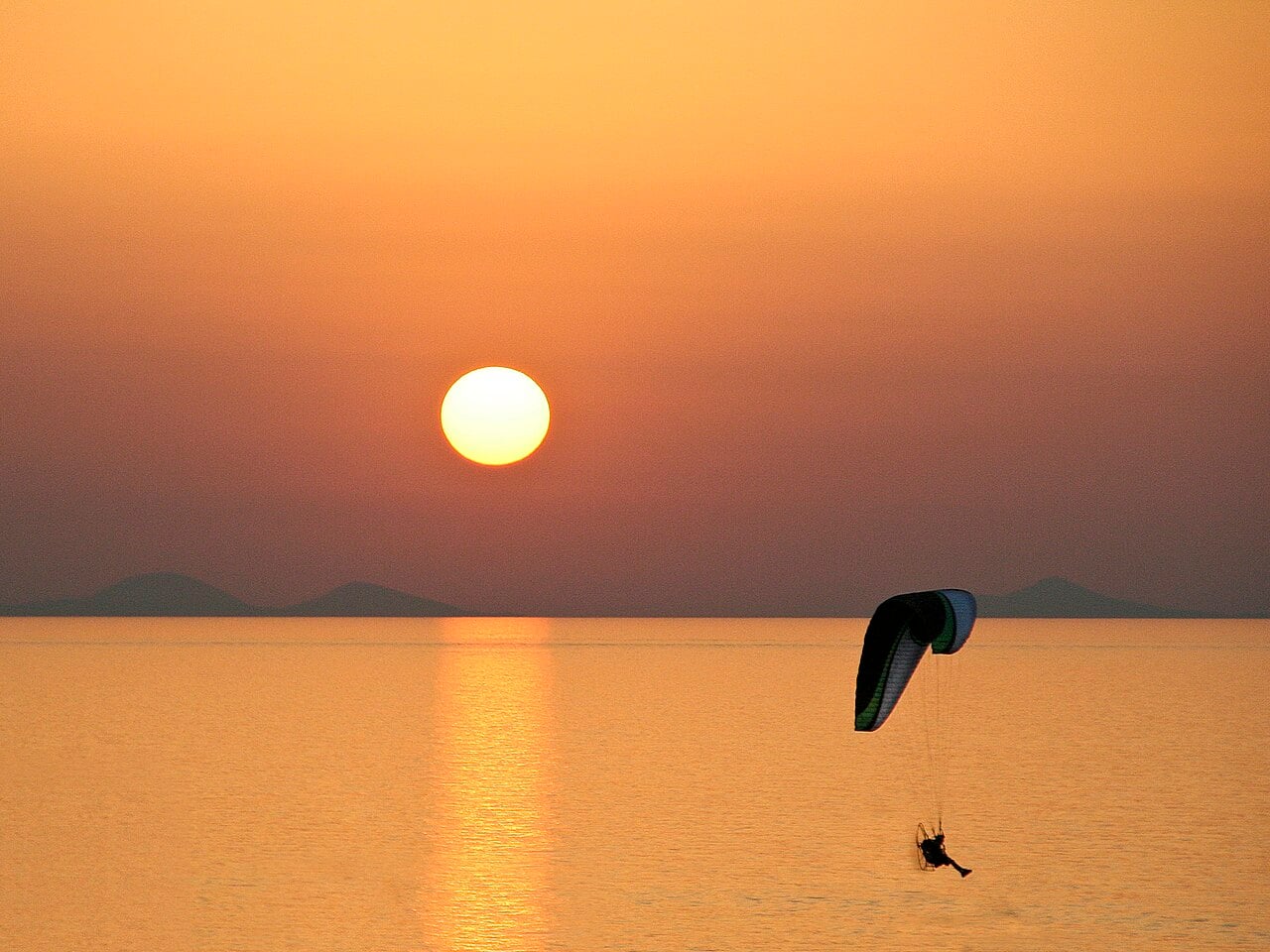
The paramotor. A backpack engine and a paraglider wing, foot-launched from a field. Our example is the Vittorazi Moster 185 Plus, a 184.7 cc two-stroke that Vittorazi rates at 3.0 L/h (0.79 US gal/h) at 30 kg of static thrust. A new unit with that engine was advertised at €5,600 in Kraków in November 2026; add an Ozone Roadster 4 wing at $4,400 from a US dealer and the kit costs about $10,700.
The FAR Part 103 ultralight. Under 14 CFR 103.1, a powered ultralight must be single-seat, weigh under 254 lb (115 kg) empty, carry no more than 5 US gal (18.9 L) of fuel, fly no faster than 55 kt (102 km/h) and stall at 24 kt or less. Section 103.7 removes the pilot certificate, the medical and registration entirely. Our example is the Aerolite 103 with a 28 hp Hirth F-33: U-Fly-It’s kit ($19,450), engine package ($7,404), Culver propeller ($760), analogue instruments ($1,165) and dealer assembly ($4,000) total $32,779 new.
The Light Sport Aircraft. A two-seat Flight Design CT with a Rotax 912 ULS. PlanePHD showed two CTs for sale on 5 November 2026, at $70,000 and $79,000; we use the $74,500 median.
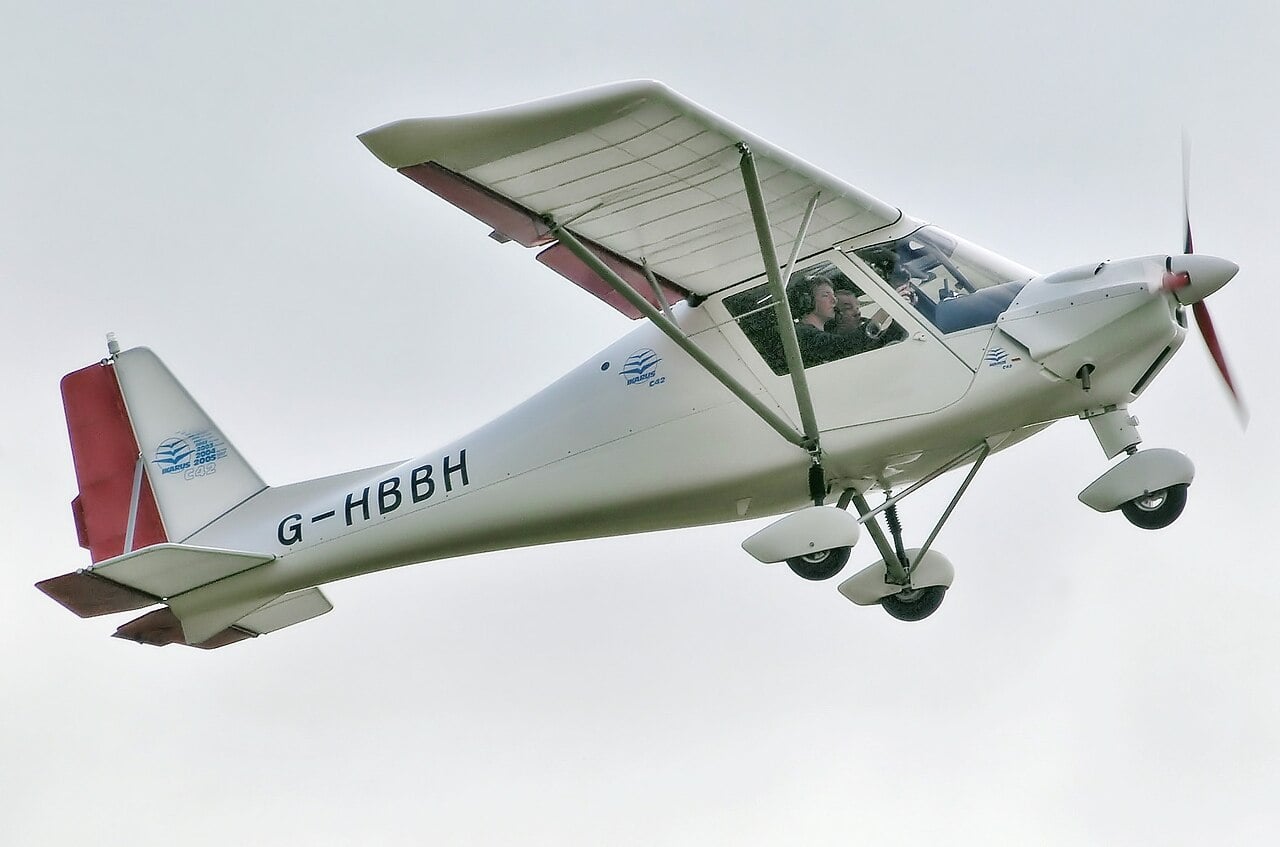
The European microlight. The Comco Ikarus C42 is a German-built two-seater powered by the Rotax 912. New, a C42 B costs €94,187 including VAT (factory list valid from February 2024). We use a 2005 C42 FB100 with a 100 hp 912 ULS advertised in England in August 2026 at £47,850, or about €57,400.
The certified trainer. The Cessna 152, with its 110 hp Lycoming O-235. PlanePHD listed 30 priced examples on 5 November 2026, from $35,000 to $97,500, with a median of $68,500. For the taildragger romantic, PlanePHD put a typical Aeronca 7AC Champ at about $36,000 in May 2026.
The four-seat reference. A Cessna 172N with the 160 hp Lycoming O-320-H2AD. The median of 30 priced 172M, N and P listings on PlanePHD was $135,000 on 4 November 2026.
What every hour costs
Fuel burn comes from the manufacturers. Rotax’s operator manual gives the 912 ULS 18.5 L/h (4.9 US gal/h) at 75% continuous power. The 1979 Cessna 152 handbook shows 6.1 gal/h at 75% power at 4,000 ft; the 1977 172N handbook shows 8.4 gal/h. These are cruise figures, so taxi and climb will push real-world block numbers somewhat higher.
On 5 November 2026 AirNav’s survey of 3,472 FBOs put the nationwide 100LL average at $7.40 per US gallon. AAA’s national average was $4.10 for regular and $5.02 for premium. The Rotax 912 ULS is cleared for unleaded car fuel of at least 91 AKI, so we price the LSA on premium. In Germany, Egelsbach charged €2.91 per litre for UL91 from 1 May 2026.
Engine reserves follow the published TBOs. Lycoming’s Service Instruction 1009BF (20 July 2026) gives 2,400 h for qualifying O-235s and for the O-320-H; Rotax rates the 912 ULS at 2,000 h; SD Planes lists 1,000 h and a €800 overhaul for the Hirth F-33. Vittorazi requires a new piston, roller bearing, clutch and transmission bearings every 150 h on the Moster 185, which we price as Aviator PPG’s $673 kit plus a $145 piston.
Oil and the maintenance allowance are our estimates. For the Cessnas we assume a 7 US qt (6.6 L) change every 50 h plus about 1 qt per 10 h of top-up, at $13.58 a quart for AeroShell W100 Plus. For the two-strokes we price the 2% (50:1) premix oil at $35.15 a litre for Motul 710. For Rotax four-strokes we use about €75 in parts per 50 h oil change, as one owner reported on EuroGA. Maintenance allowances run from $2 an hour for the paramotor to $20 for the 172, to cover tyres, brakes, batteries, and the odd cracked fairing.
| Aircraft (example) | Fuel burn | Fuel price | Fuel per hour | Oil per hour | Engine reserve per hour | Maintenance allowance per hour | Variable cost per hour |
|---|---|---|---|---|---|---|---|
| Paramotor (Vittorazi Moster 185) | 3.0 L/h (0.79 US gal/h) | $4.10/gal regular | $3.25 | $2.11 | $5.45 | $2.00 | $12.81 |
| Part 103 ultralight (Aerolite 103, Hirth F-33) | 2.0 US gal/h (7.6 L/h), estimate | $5.02/gal premium | $10.04 | $5.32 | $0.90 | $5.00 | $21.26 |
| Light Sport Aircraft (Flight Design CT, Rotax 912 ULS) | 4.9 US gal/h (18.5 L/h) | $5.02/gal premium | $24.60 | $1.68 | $11.15 | $10.00 | $47.43 |
| European microlight (Ikarus C42, Rotax 912 ULS), in euros | 18.5 L/h (4.9 US gal/h) | €2.91/L UL91 | €53.84 | €1.50 | €6.50 | €8.00 | €69.84 (about $78.38) |
| Cessna 152 (Lycoming O-235) | 6.1 US gal/h (23.1 L/h) | $7.40/gal 100LL | $45.14 | $3.26 | $14.17 | $15.00 | $77.57 |
| Cessna 172N (Lycoming O-320-H2AD) | 8.4 US gal/h (31.8 L/h) | $7.40/gal 100LL | $62.16 | $3.26 | $16.04 | $20.00 | $101.46 |
Source/notes: Fuel burn: Rotax OM 912 Series Ed.4 Rev.1 (75% continuous, 912 ULS), Cessna 152 POH (1979, 75% at 4,000 ft) and 172N POH (1977, 75% at 4,000 ft), Vittorazi Moster 185 Plus user manual (3.0 L/h at 30 kg static thrust). The Aerolite figure is our estimate inside U-Fly-It’s published 1.75–2.5 gal/h range. Fuel prices: AirNav nationwide 100LL average and AAA national averages, both 5 November 2026; Flugplatz Egelsbach UL91, from 1 May 2026. Engine reserves: Cessnas, overhaul estimate ($29,000 base for the O-235 per eSHOP.AERO, midpoint of Flying411’s $25,000–42,000 for the O-320, plus $5,000 extras) divided by 2,400 h TBO (Lycoming SI 1009BF); Rotax LSA, new 912 ULS at $22,300 (Six Chuter) over 2,000 h; C42, €13,000 overhaul reported on EuroGA over 2,000 h; Hirth, €800 overhaul over 1,000 h (SD Planes); paramotor, $673 maintenance kit plus $145 piston every 150 h (Aviator PPG, Vittorazi manual). Oil and maintenance allowances are our estimates; see text. €1 = $1.1224 (ECB, 5 November 2026).
What the aircraft costs while it sits
Storage is the biggest fixed bill for anything with a fabric or composite wing that should not live outside. Published rates vary: Chandler, Arizona charges $50 a month for a single-engine tie-down and $244 for a small T-hangar; Hayward, California charges $65 and $319; Hagerstown, Maryland charged $296–312 for small T-hangars in its 2026 fiscal year. We assume $300 a month.
Insurance has no public price list, so we use published broker data. BWI’s quote data from June 2025 to June 2026 shows typical Cessna 172 premiums of $700–1,250 for insured values of $50,000–100,000 and $1,200–1,700 for $100,000–200,000. For the 152, BWI’s older February 2020 figures were $850–1,100 for a low-time pilot with a $40,000 hull; with today’s higher values we estimate $1,000. For the LSA we use Aviation Consumer’s owner-survey average of $1,534, rounded to $1,500.
Inspections are easier to pin down. Willamette Aviation in Oregon advertises flat-rate annuals at $1,800 for a 150/152 and $2,300 for a 172; AvSport in Pennsylvania charges $1,500 for a Rotax 912 LSA condition inspection. Squawks are extra. Registration with the FAA costs $5 every seven years, and the cheapest ForeFlight plan is $130 a year.
| Aircraft | Storage | Insurance | Annual inspection | Registration | Subscriptions | Capital cost (5% of price) | Fixed cost per year |
|---|---|---|---|---|---|---|---|
| Paramotor | $0 (garage) | $0 (not required) | $0 (owner) | $0 | $0 | $534 | $534 |
| Part 103 ultralight | $1,200 (estimate) | $0 (not required) | $0 (owner) | $0 | $0 | $1,639 | $2,839 |
| Light Sport Aircraft | $3,600 | $1,500 | $1,500 | $1 | $130 | $3,725 | $10,456 |
| European microlight (C42), in euros | €1,440 | €357 | €1,340 (estimate) | – | €116 | €2,869 | €6,122 (about $6,871) |
| Cessna 152 | $3,600 | $1,000 | $1,800 | $1 | $130 | $3,425 | $9,956 |
| Cessna 172N | $3,600 | $1,450 | $2,300 | $1 | $130 | $6,750 | $14,231 |
Source/notes: Storage: estimate of $300/month for a T-hangar, based on published rates at Hagerstown, Maryland (FY26, $296–312 for small single-engine T-hangars), Chandler, Arizona ($244 small) and Hayward, California ($319 small, from 1 July 2025); Part 103 assumes a third of such a hangar; C42 uses Aero-Club Kehl’s €120/month ground spot (from 1 January 2025). Insurance: Cessna 172, midpoint of BWI’s $1,200–1,700 band for $100,000–200,000 insured value (quotes June 2025 to June 2026); Cessna 152, estimate based on BWI’s February 2020 range of $850–1,100 for a low-time pilot with a $40,000 hull; LSA, Aviation Consumer owner-survey average of $1,534 (2020), rounded; C42, DULV/HDI combined liability (CSL) of €3 million, €357 (form dated 31 January 2023, no hull cover). Inspections: Willamette Aviation flat rates (C152 $1,800, C172 $2,300); AvSport flat rate for Rotax 912 LSA, $1,500 (page updated 1 January 2024); C42 figure is our estimate, the AvSport rate converted. Registration: FAA $5 every seven years. Subscriptions: ForeFlight Starter, $130/year. Capital cost: our assumption, explained in the text.
20 hours versus 100 hours
Put the two tables together and the picture is brutal. At 20 hours a year, the Cessna 152 costs about $11,500, or $575 per flying hour. Fly it 100 hours and the hourly figure falls to $177, even though the annual bill rises to about $17,700. The aircraft did not get cheaper; you simply spread the same $9,956 of fixed costs over five times as many hours.
| Aircraft | Purchase price used | Total cost at 20 h/year | Cost per hour at 20 h | Total cost at 100 h/year | Cost per hour at 100 h | Fixed share at 20 h |
|---|---|---|---|---|---|---|
| Paramotor | $10,685 | $790 | $40 | $1,815 | $18 | 68% |
| Part 103 ultralight | $32,779 (new kit) | $3,264 | $163 | $4,965 | $50 | 87% |
| Light Sport Aircraft | $74,500 | $11,405 | $570 | $15,199 | $152 | 92% |
| European microlight (C42) | €57,379 ($64,402) | €7,519 ($8,439) | €376 ($422) | €13,106 ($14,710) | €131 ($147) | 81% |
| Cessna 152 | $68,500 | $11,507 | $575 | $17,713 | $177 | 87% |
| Cessna 172N | $135,000 | $16,260 | $813 | $24,377 | $244 | 88% |
Source/notes: Totals = fixed cost per year (table 2) plus variable cost per hour (table 1) × hours flown. Purchase prices: paramotor, new Moster 185 Plus unit at €5,600 (paraglidingsecondhand.com listing, Kraków, 3 November 2026) plus an Ozone Roadster 4 wing at $4,400 (Aviator PPG); Aerolite 103, U-Fly-It kit, Hirth F-33, Culver propeller, analogue instruments and contracted assembly; LSA, median asking price of Flight Design CT listings on PlanePHD (5 November 2026, two listings); C42, 2005 Ikarus C42 FB100 at £47,850 (AFORS, August 2026); Cessna 152, PlanePHD median asking price of 30 listings (5 November 2026); Cessna 172N, median of 30 priced 172M/N/P listings on PlanePHD (4 November 2026). €1 = $1.1224 = £0.83393 (ECB, 5 November 2026). All totals are estimates.
At 20 hours, fixed costs make up 87% of the 152’s bill, 88% of the 172’s and 92% of the LSA’s. Even if you strip out our capital charge, the 152 still costs about $8,100 a year, or $404 an hour. For comparison, AOPA’s Flying Clubs Initiative wrote in March 2025 that flight schools charge a “$200 average hourly rate”. A 20-hour owner pays nearly three times what a renter pays.
The LSA result surprises people. On our numbers it is barely cheaper to own than a Cessna 152: at 20 hours the two are within $5 an hour, and at 100 hours the LSA saves about $25. Its fuel bill is about 45% lower, but insurance, a hangar and the capital in a $74,500 aircraft swallow most of the saving. Aviation Consumer came to a similar conclusion in its 2020 comparison: LSAs undercut new certified aircraft, but not comparable legacy ones.
The calendar clock nobody budgets for
There is a hidden trap for low-hour owners. Lycoming’s SI 1009BF says all its engines should be overhauled within 12 calendar years, whatever the hours. At 20 hours a year, an O-235 reaches that limit at 240 hours, not 2,400. If you overhaul on the calendar, the reserve jumps from $14.17 to about $142 an hour.
For private (Part 91) operators, the same document lets an appropriately rated mechanic allow the 12-year limit to be exceeded after inspecting the engine for corrosion and repeating that check every year. But corrosion from long periods of inactivity is exactly what the rule is aimed at, and it is one more reason a lightly used aircraft costs more per hour than the tables suggest.
The European column
In Germany, the C42 sits in a cheaper ecosystem. Aero-Club Kehl rents hangar ground spots for €120 a month. DULV’s group policy with HDI quotes €357 a year for €3 million of combined owner and passenger liability, though aircraft from 500 kg maximum take-off mass need at least €2 million of owner liability cover and the rate excludes hull insurance.
Fuel is where Europe hurts. At the Rotax manual’s 18.5 L/h and €2.91 a litre for UL91, the C42 burns €53.84 of fuel an hour, more than the 152 does at US avgas prices. Owners on EuroGA report 10–15 L/h at economy settings, and Super Plus pump fuel at €2.52 a litre (Schönhagen, June 2026) helps. Even so, at 20 hours the C42 owner pays about €376 an hour. That is far more than Kehl’s club Breezer microlight at €72 an hour plus €300 annual dues.
Ultralights and paramotors: cheap, with conditions
The paramotor is the outright winner: about $790 a year at 20 hours, and just $18 an hour at 100. It needs no hangar or inspection, and in the US it flies under Part 103 with no licence. The trade-offs are physical – foot launches, a single seat and Part 103’s 5-gallon (18.9 L) fuel limit – and the two-stroke maintenance cycle comes round quickly: piston, clutch and bearings every 150 hours.
The Part 103 aircraft is cheap to run at $21 an hour, but its 20-hour figure ($163) is dominated by the capital in a $32,779 new kit and our $1,200 hangar allowance. Two-stroke oil is a real cost: at 50:1 and Motul prices it adds $5.32 an hour, more than half the fuel bill. Insurance is not legally required. The US Ultralight Association and USPPA offer member third-party liability programmes, but no prices are published, so we have left it at zero. Add your quote.
For the full rulebook on flying with no licence, see our guide to FAR Part 103 ultralights. If you need a licence first, read what it actually costs to learn to fly in 2026.
Splitting the bill: partners, syndicates and clubs
Because fixed costs dominate, sharing the aircraft is the most powerful saving there is. Split our Cessna 152 four ways and each partner’s fixed share falls to about $2,490. At 20 hours a year, the cost per hour drops from $575 to about $202; at 100 hours, from $177 to about $102. These are our estimates: they assume partners share every fixed cost equally and each pays the variable cost of their own hours.
The UK syndicate market shows how it works in practice. A two-aircraft syndicate at Manchester Barton advertised shares in 2026 at £9,995, with £66.11 a month covering all fixed costs and the C42 flying at £30 an hour dry. At 20 hours that comes to about £70 an hour before fuel.
Clubs go further. In 2014 AOPA counted about 650 active US flying clubs. One it profiled, the 15-member Sky-Hi Flying Club, charged $4,500 to join (refundable on leaving, based on the aircraft’s value), $84.50 a month in dues and $77 an hour wet for a Cessna 177B Cardinal. AOPA’s current guidance is no more than 10–12 members per aircraft, so everyone still gets to fly.
The verdict
If you want the cheapest powered flight of all, buy a paramotor. If you want a cockpit and wheels with no licence, a Part 103 ultralight is the next step, with variable costs around $21 an hour. Above that, the aircraft barely matters: at 20 hours a year, the LSA, the 152 and the C42 all land between roughly $400 and $600 an hour once fixed costs are counted.
So the real choice is between hours and partners, not between aircraft types. Fly 100 hours a year, or split the aircraft three or four ways, and owning starts to compete with renting. Fly 20 hours alone and a flying club will usually be cheaper. The hangar bill arrives every month, whether the propeller turns or not.
Sources: BRP-Rotax, Lycoming Engines, Cessna Aircraft Company, Vittorazi Motors, U-Fly-It, SD Planes, Comco Ikarus, eCFR (14 CFR Part 103), FAA via AOPA, AOPA, AirNav, AAA, European Central Bank, BWI Aviation Insurance, Aviation Consumer, AvSport, Willamette Aviation, Flying411, eSHOP.AERO, Air Power Inc., Six Chuter, Aviator PPG, PlanePHD, Barnstormers, AFORS, paraglidingsecondhand.com, City of Chandler, City of Hayward, Washington County (Maryland), Aero-Club Kehl, DULV, Flugplatz Egelsbach, Flugplatz Schönhagen, Hannover Airport (Air BP), EuroGA, ForeFlight, Rocket Air Shop, Cycle Gear
Frequently Asked Questions
What is the cheapest aircraft to own and operate?
How much does it cost to own a Cessna 152 per year?
Is a Light Sport Aircraft cheaper to own than a Cessna 152?
Why do fixed costs matter so much for low-hour aircraft owners?
Do you need a pilot licence to fly a Part 103 ultralight?
How much can co-ownership or a flying club save on flying costs?
Related Posts
0 Comments