
On the morning of 20 April 1933, in the Tanezrouft, Bill Lancaster took out a fuel card and wrote what he knew would be his last message. He had been down in the Sahara for eight days. He had no water left.
Exactly one year earlier, to the day, a man called Haden Clarke had died in Lancaster’s Florida home of a gunshot wound to the head, from Lancaster’s gun, beside suicide notes that Lancaster later admitted he had written himself. A jury had acquitted him.
Nobody found Lancaster for twenty-nine years.
Kurzinfo
WHO: Captain William Newton Lancaster, born Birmingham 14 February 1898, died Tanezrouft, Algeria, 20 April 1933, aged 35
Famous for: The 1927–28 England to Australia flight in the Avro Avian Red Rose, with Jessie “Chubbie” Miller — the first England–Australia flight by a woman
The trial: Acquitted in 1932 of the murder of Haden Clarke after five hours of jury deliberation
Letzter Flug: Departed England 11 April 1933 in the Avro Avian Southern Cross Minor, bought from Charles Kingsford Smith, to attack the England–South Africa speed record
Der Absturz: Engine failed less than an hour after leaving Reggane on the evening of 12 April, on a 750-mile night crossing of the Sahara
Überlebt: Eight days
Gefunden: 12 February 1962, by French troops, about 170 miles south of Reggane
Das Flugzeug: Wreck recovered in 1975; now held in storage at the Queensland Museum, Brisbane
The golden couple
Lancaster had a proper aviator’s CV. He emigrated to Australia before the First World War, joined the Australian Army in 1916 and then the Australian Flying Corps, stayed in Britain afterwards and joined the RAF, and served in India through the 1920s.
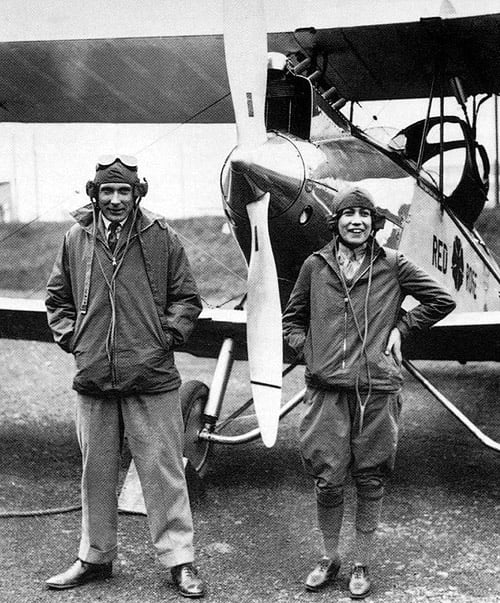
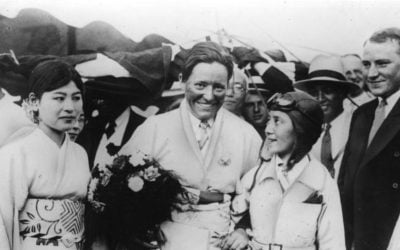
In 1927 he transferred to the RAF Reserve and decided to make his name by flying from England to Australia in an Avro Avian called Red Rose. He took with him an Australian, Jessie “Chubbie” Miller, who helped finance the trip. It was one of the longest flights yet made in an aircraft that small, and it made Miller the first woman to fly from England to Australia — although, in a detail that sums up Lancaster’s luck, they were overtaken en route by Bert Hinkler in another Avian.
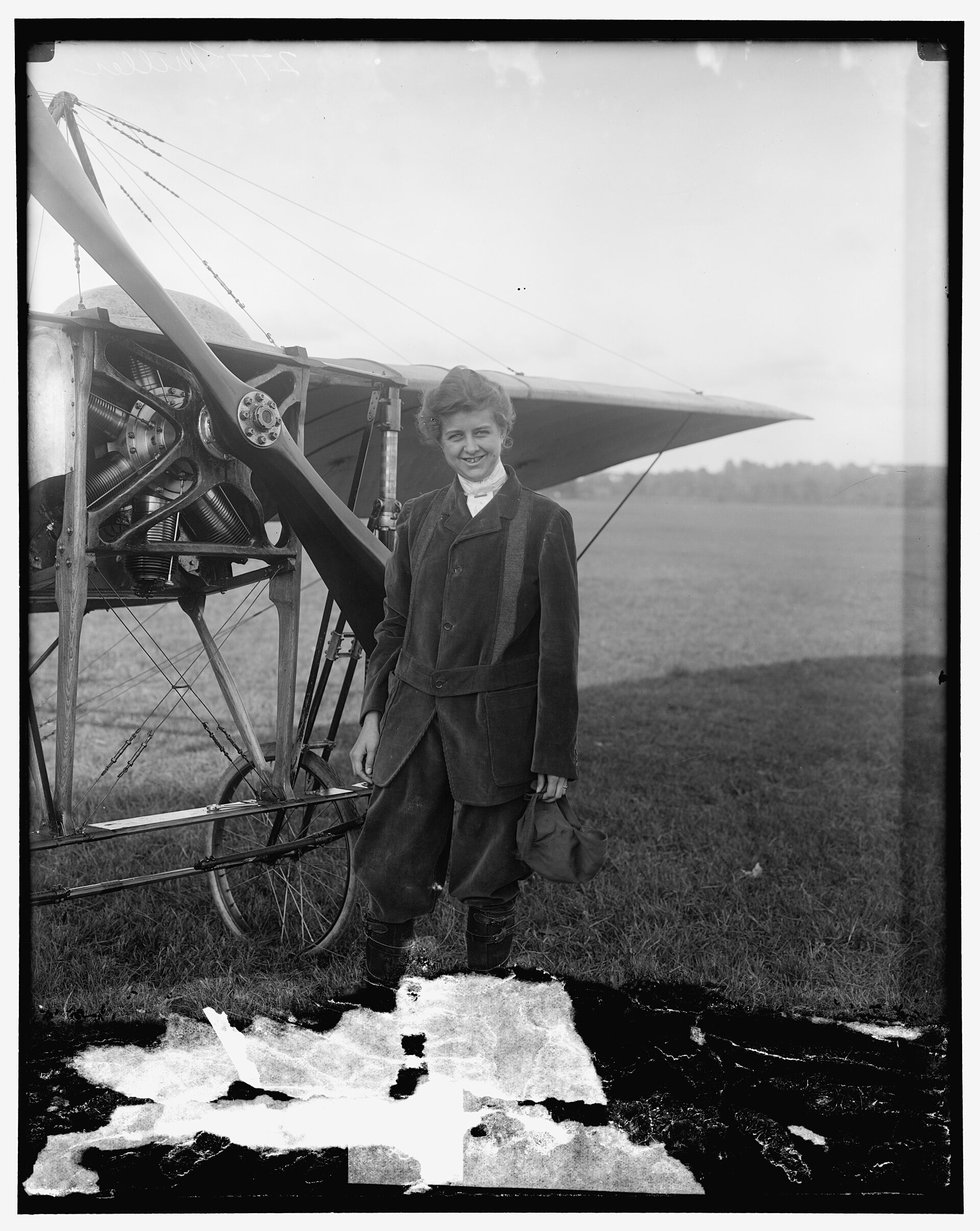
Darwin turned out in enormous numbers to meet them, and so did the rest of Australia on the tour that followed. In 1928 the pair moved to the United States on the promise of a Hollywood film that was never made. Lancaster ended up selling British aero engines for a living. Miller kept flying and competed in the 1929 Powder Puff Derby.
Newsreel of Mrs Miller and Captain Lancaster departing for Australia in 1927.
Miami, 1932
By 1932 Lancaster was in Mexico looking for work. Back at the Florida house he shared with Miller, an American writer named Haden Clarke was living in, helping her write her autobiography. Clarke and Miller began a relationship, and Clarke persuaded her to leave Lancaster and marry him instead. Lancaster was told, and came straight back to Florida.
On 20 April, Clarke died of a gunshot wound to the head.
The case against him, and why it failed
The gun was Lancaster’s. He admitted forging the two suicide notes found at the scene — one addressed to himself, one to Miller. But the prosecution’s forensic evidence confused the jury, while a criminologist named Albert H. Hamilton, whose own past was less than spotless, gave clear and easily understood testimony for the defence. Clarke was painted as depressive, drug-addicted and suicidal. Miller, whose relationship with Lancaster was over, spoke in his defence. The judge summed up in his favour. And Lancaster himself was calm, straightforward and thoroughly gentlemanly in the witness box — which is generally reckoned to have counted for as much as any of the evidence.
The public gallery was so openly on Lancaster’s side that the judge had to stop proceedings to say so.
The jury took five hours and acquitted him.
A full account of the Miami trial and the relationship behind it.
The trial that brought down the golden couple of the skies.
One last record
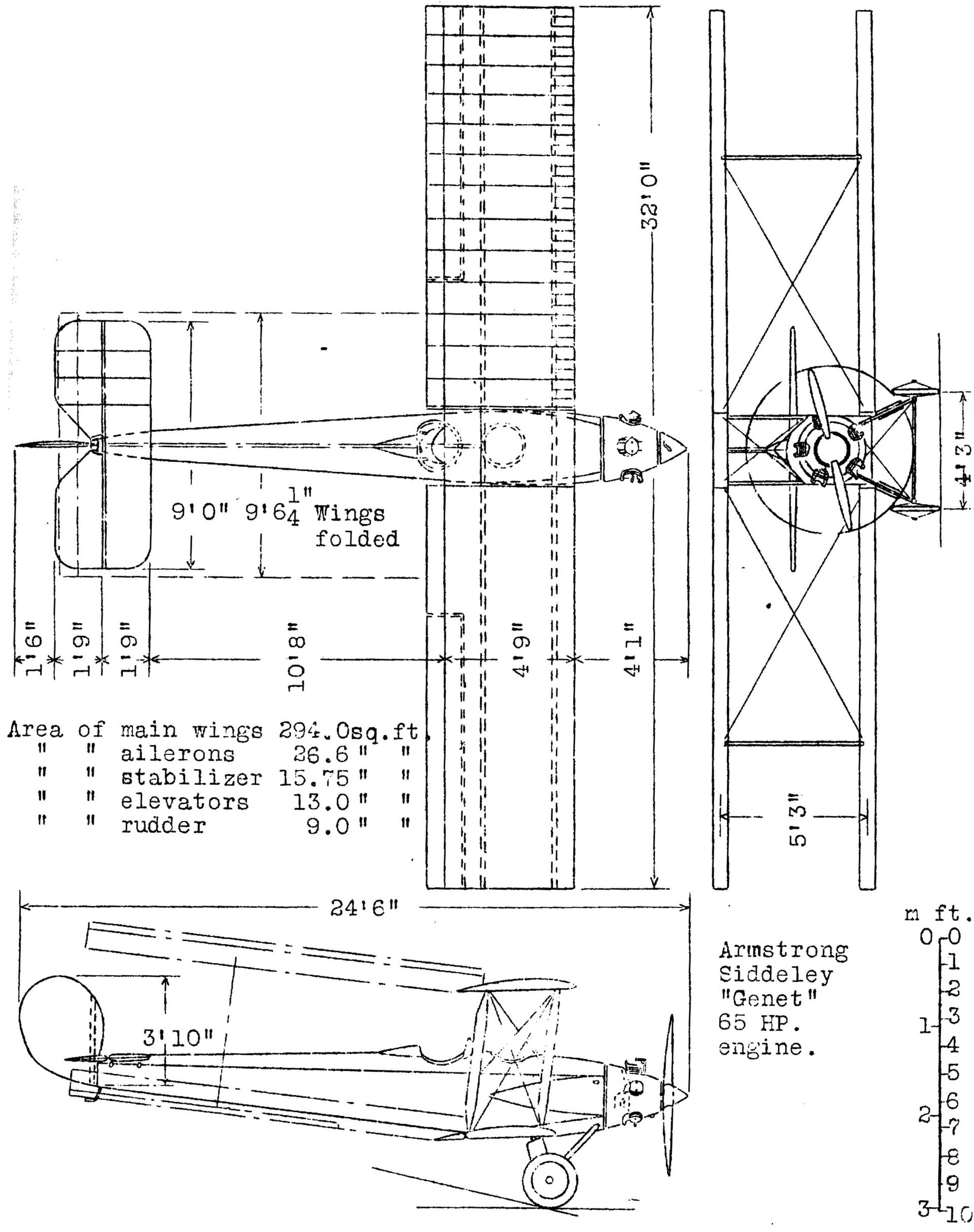
Lancaster and Miller went back to England. He was broke and, by every account, friendless. So he decided to take on the England to South Africa speed record, and bought the Avro Avian Southern Cross Minor from Charles Kingsford Smith to do it.
The problem was arithmetic. The Avian was considerably slower than the aircraft he was competing against, which meant the only way to beat them was to barely stop and barely sleep. He left England on 11 April 1933. By the time he reached Reggane he had got lost several times, had not slept for thirty hours, and was ten hours behind schedule.
He took off on the evening of 12 April to fly 750 miles across the Sahara at night. The engine failed in less than an hour.
He came down far north of where anyone was looking, largely unhurt. He fired flares. Aircraft searched too far south. A car went out from Reggane and found nothing. He lived for eight days.
1962
French troops found the crash site on 12 February 1962, about 170 miles south of Reggane. The desert had mummified Lancaster’s body. His diary and personal effects were intact.
The diary went back to Chubbie Miller, and she allowed it to be published. The Southern Cross Minor was recovered in 1975 and is now at the Queensland Museum in Brisbane, held in storage and not on public display.
What to make of him is genuinely difficult, and that is the point. A jury heard the evidence and acquitted him, and an acquittal is an acquittal. He also forged two suicide notes and never satisfactorily explained why. He then flew a slow aeroplane, exhausted, into the Sahara at night chasing a record he had no realistic chance of setting, and wrote calmly in a notebook for eight days while he died.
His last words were not about Clarke, or the trial, or himself. They were an instruction about paperwork: hope you get my full log.
Häufig gestellte Fragen
Who was Bill Lancaster?
Captain William Newton Lancaster (14 February 1898 – 20 April 1933) was a British aviator, born in Birmingham, who served with the Australian Flying Corps and later the RAF. He is best known for the 1927–28 England to Australia flight in the Avro Avian Red Rose with Jessie “Chubbie” Miller, for his 1932 acquittal on a charge of murder, and for dying in the Sahara in 1933.
Was Bill Lancaster convicted of murder?
No. He was acquitted. Haden Clarke died of a gunshot wound to the head in Lancaster’s Florida home on 20 April 1932, and although the weapon was Lancaster’s and he admitted forging the suicide notes found at the scene, the jury acquitted him after five hours. Confusing prosecution forensics, clear defence testimony, Miller’s support and Lancaster’s composed courtroom manner are all cited as factors.
How did Bill Lancaster die?
He crashed in the Sahara on 12 April 1933 when the engine of his Avro Avian Southern Cross Minor failed less than an hour after he left Reggane on a 750-mile night crossing. He was largely unhurt and survived eight days, firing flares while search aircraft looked too far south. He died on 20 April 1933 — exactly one year after Haden Clarke.
When was Bill Lancaster’s body found?
On 12 February 1962, by French troops, roughly 170 miles south of Reggane in the Tanezrouft region of Algeria — twenty-nine years after his death. His body had been mummified by the desert, and his diary and personal effects had survived intact.
What did Bill Lancaster write in his final diary entry?
On the morning of 20 April 1933 he wrote on a fuel card: “So the beginning of the eighth day has dawned. It is still cool. I have no water. I am waiting patiently. Come soon please. Fever wracked me last night. Hope you get my full log. Bill”. The diary was later returned to Chubbie Miller, who allowed it to be published.
Who was Chubbie Miller?
Jessie “Chubbie” Miller was an Australian who helped finance Lancaster’s England to Australia flight and flew it with him, becoming the first woman to make that journey by air. She went on to fly in her own right, competing in the 1929 Powder Puff Derby, and testified in Lancaster’s defence at his murder trial even though their relationship had ended.
What happened to the Southern Cross Minor?
The Avro Avian, which Lancaster had bought from Charles Kingsford Smith, was recovered from the Sahara in 1975. It now resides at the Queensland Museum in Brisbane, though it is held in storage and no longer on public display.
Sources: Terry Gwynn-Jones, “Bill Lancaster: Lost in the Sahara…”, Luftfahrtgeschichte (January 2000); Pope Brock, “Love is in the air”, The Sunday Times (2004); Colin Evans, A Question of Evidence; The London Gazette; RAF Museum; Queensland Museum.
0 Comments