
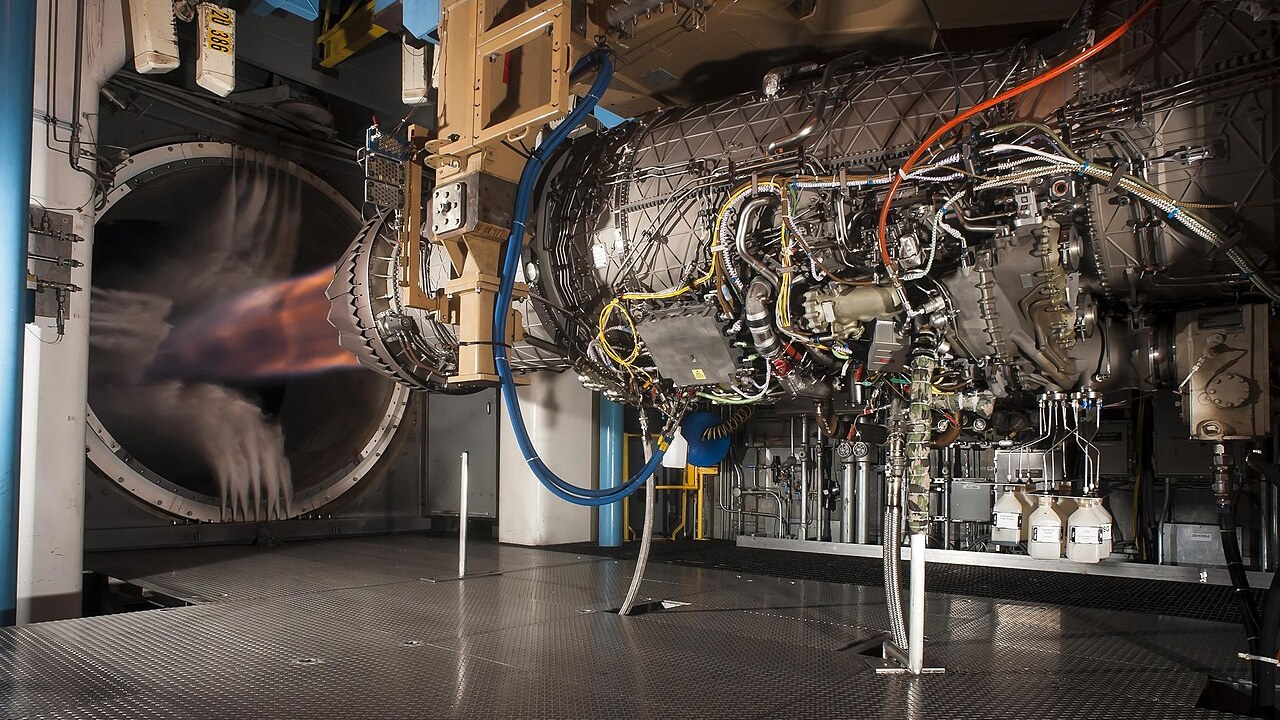
Der F-35’s problem was never thrust. It was electricity, and the heat that comes with it.
On 15 September 2026, Pratt & Whitney announced from East Hartford that it had completed the Risk Reduction Design Review for the F135 Engine Core Upgrade — the milestone that certifies the design is mature enough to start heading toward production. It is the most concrete thing to happen to the programme in months, and it is the quiet precondition for almost everything the F-35 is supposed to do next.
Kurzinfo
Meilenstein: Risk Reduction Design Review (RRDR) completed
Angekündigt: 15 September 2026, East Hartford, Connecticut
What ECU is: A drop-in core upgrade to the existing F135, not a new engine
Applies to: All three F-35 variants, new-build and retrofit
Retrofit route: Incorporated at production, or fitted at F135 depot facilities
F135 fleet: More than 1,500 production engines delivered across 20 allied nations
Zweck: Full engine life, plus the power and thermal management for Block 4 and beyond
Why the engine had to change
Every new capability bolted onto the F-35 — better radar modes, new sensors, more processing, more weapons — costs electrical power and produces waste heat. On a stealth aircraft you cannot simply cut a hole and let the heat out, because holes are what radar sees. The heat goes into the fuel, and the fuel goes into the engine.
Run that loop harder than it was designed for and you do not get a warning light. You get engines wearing out early. That has been the quiet cost of the F-35’s growth for years, and it is the reason the Pentagon had to choose a propulsion path at all.
It chose this one in March 2023. The alternative was the Adaptive Engine Transition Program — a genuinely new engine, technically impressive, and expensive. The deciding argument was not performance. It was that the adaptive engine suited the F-35A, would not fit the F-35B, and would fit the F-35C only with difficulty. The ECU was the cheapest option that worked for everybody. Congress fully funded it in the FY2024 appropriations to move into detailed design.
What the review actually covered
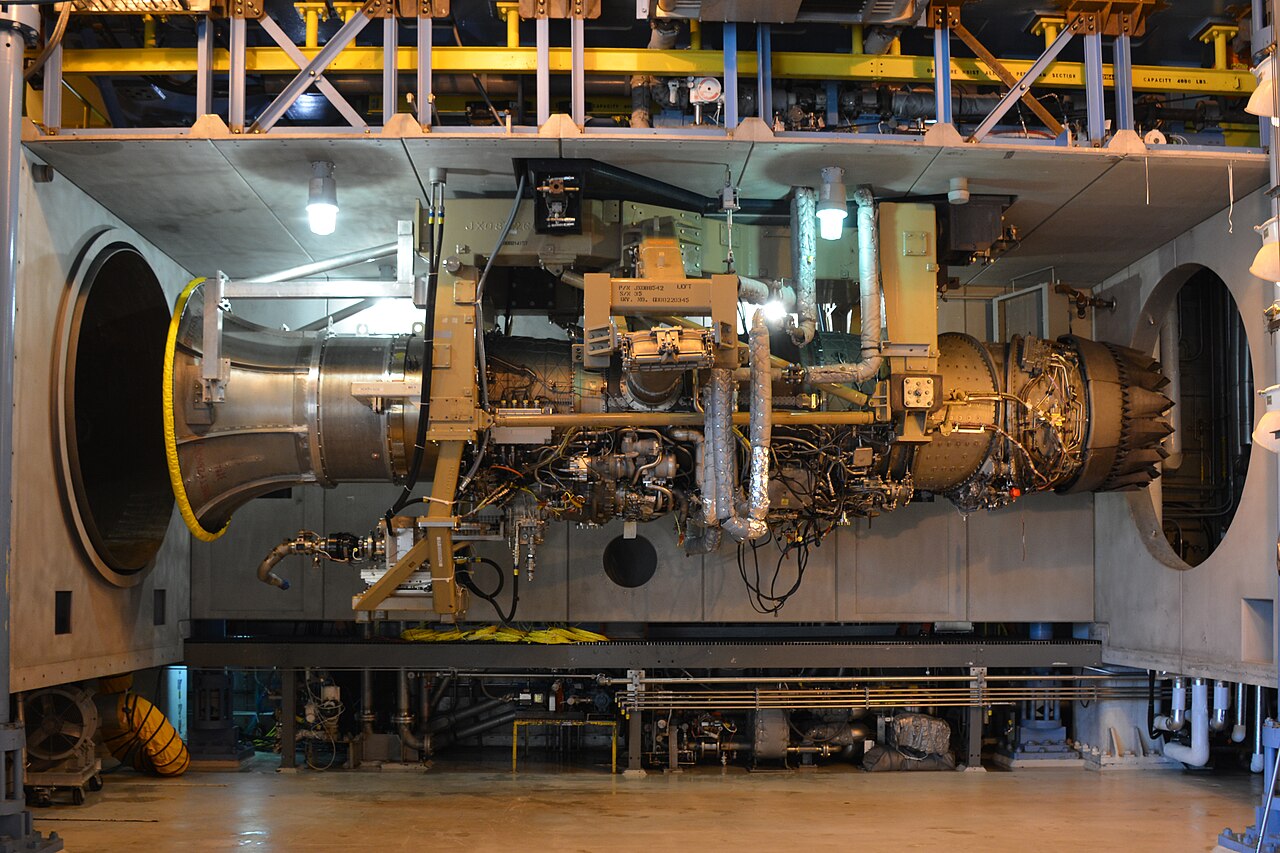
An RRDR is not a ribbon-cutting. Pratt says the review went through the detailed design elements, the propulsion technologies, the integration questions and the risk-reduction work needed to deliver full engine life and the extra power and thermal capacity that Block 4 and beyond demand, across all three variants.
It also did something less glamorous and arguably more important: it assessed whether the industrial base is ready to build and retrofit the thing. Given what senior acquisition officials have been saying this same week about capacity across American defence manufacturing, that line is not boilerplate.
The government side was, if anything, warmer.
The F135 as it exists today: roughly 43,000 lb of thrust in afterburner, which puts it among the most powerful fighter engines ever fielded. Power was never the shortfall.
The half of the problem the engine does not solve
ECU is one of two pieces. The other is the aircraft’s power and thermal management system, where Collins Aerospace and Honeywell have been competing over the enhanced cooling package. Reporting on the combined effect of the upgraded core and the new cooling system points to something in the order of a 7 percent gain in range and thrust and roughly double the cooling capacity — figures that come from the manufacturers rather than from an independent test report, and should be read accordingly.
The commercial logic behind the whole approach is the retrofit. Because ECU is a drop-in that keeps high commonality with the existing engine, it can go into new aircraft on the line or into fielded ones at a depot. With more than 1,500 F135s already delivered to twenty allied air arms, an upgrade that does not require a new engine bay is worth a great deal more than one that does.
None of which has been flown yet. A design review validates a design; it does not validate an engine. But after a decade in which the F-35’s propulsion story has been mostly about arguments and delays, a programme milestone landing where it was supposed to is its own kind of news.
Sources: RTX / Pratt & Whitney; US Department of the Navy; Air & Space Forces Magazine; Defense News; The Aviationist.



0 Comments