
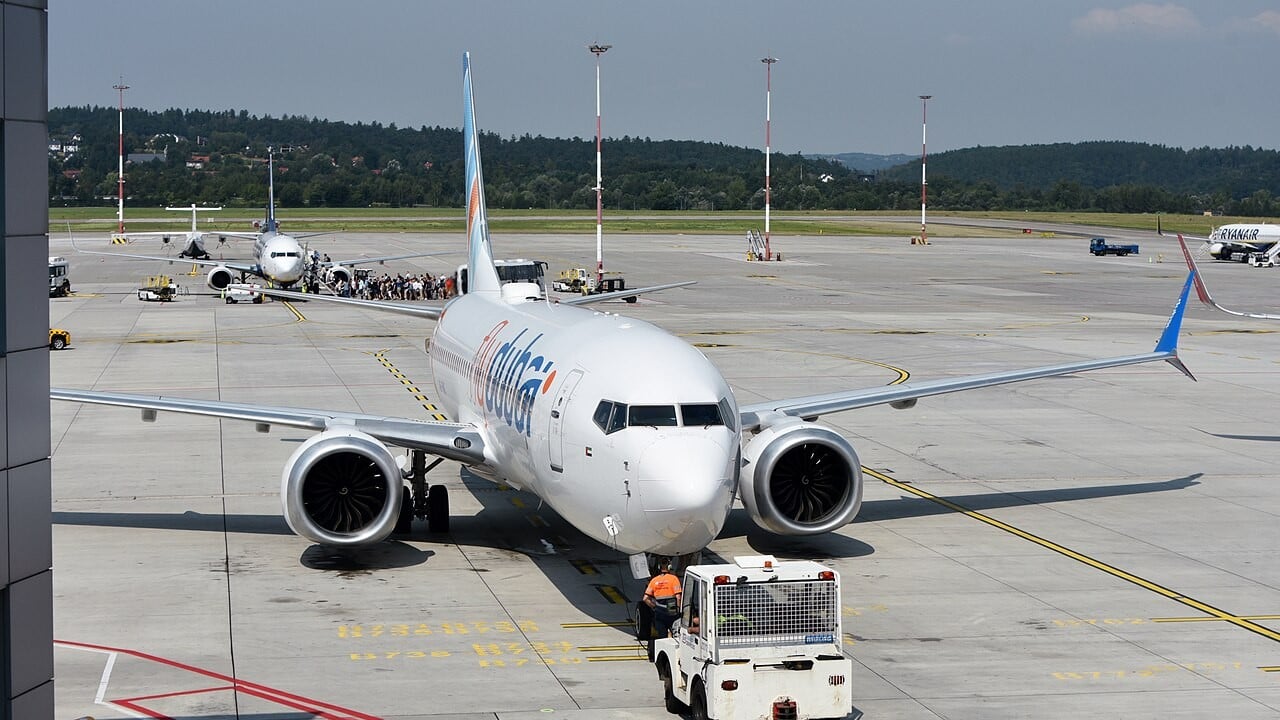
Five days after the cockpit attack on flydubai flight FZ1073, the picture of the man accused of carrying it out has turned darker. According to two Israeli officials who spoke to Reuters, the Omani first officer told UAE interrogators that he planned the attack before flydubai ever hired him.
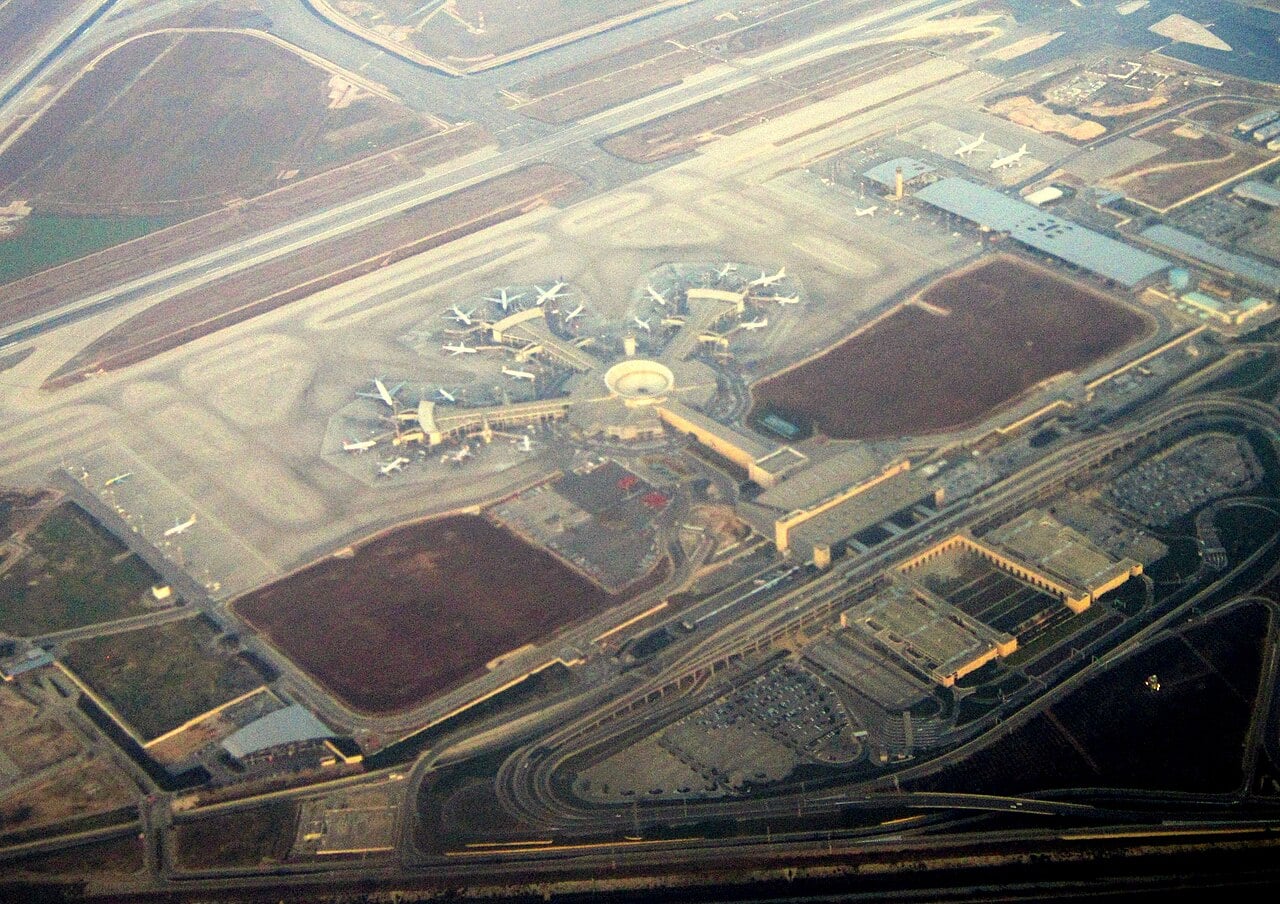
A third source briefed on the investigation told Reuters the target was Ben Gurion airport near Tel Aviv. The same source said he had flown to Tel Aviv once before this year, intending to hijack and crash that aircraft too, and backed out.
Kurzinfo
- Flug: flydubai FZ1073, Dubai to Tel Aviv, Wednesday 30 September 2026
- An Bord: More than 170 passengers and crew, mostly Israeli
- Suspect: The Omani first officer, named by two sources as Hamam al-Hammami
- New claim: He planned the attack before being hired and targeted Ben Gurion airport, according to Israeli officials and a third source
- Ergebnis: Captain Smit Machchhar survived an axe attack; a reserve pilot landed the aircraft in northwestern Saudi Arabia
- Status: Suspect held in the UAE; no formal charges announced
What the Israeli officials say
The new details come from a Reuters report by Alexander Cornwell and Maayan Lubell published on Monday. Two Israeli officials with knowledge of the investigation said the co-pilot told interrogators in the United Arab Emirates that he had searched for airlines that fly to Tel Aviv and then applied for a job at flydubai, the Dubai state-owned low-cost carrier.
A third source said he planned to crash Wednesday's flight into Ben Gurion airport. Two sources identified him as Hamam al-Hammami. Neither flydubai, the UAE nor Israel had commented on the report when it was published, and the suspect has not been formally charged. These are claims from people close to an investigation, not findings of a court.
What happened on board
FZ1073 left Dubai for Tel Aviv on Wednesday, 30 September, with more than 170 people on board, most of them Israeli. During the flight, the first officer attacked Captain Smit Machchhar, an Indian national, with the cockpit's emergency crash axe. The captain survived and managed to get the cockpit door open. A reserve pilot travelling on the flight took control and landed the Boeing 737 at a regional airport in northwestern Saudi Arabia.
Saudi authorities detained the co-pilot and handed him to the UAE on Thursday. The UAE's prosecutor general has called the incident a terrorist attack. In Australia, a multi-agency counter-terrorism unit is looking at his links to the country, where he was enrolled at RMIT University in Melbourne about a decade ago.
The screening question
The most uncomfortable questions are now for the vetting systems. Israel requires airlines to send crew details in advance, and reports from the AP and aeroTELEGRAPH say Israeli authorities had the FZ1073 crew list, including the pilots' names and nationalities, before the flight. Israel's authorities have not said whether he was screened.
Prime Minister Benjamin Netanyahu has ordered a review of foreign airlines flying to Israel, and pointed to a rule that should, on its face, have kept the co-pilot off the route.
If that rule existed and the crew list was in Israeli hands, the obvious question is how an Omani pilot ended up on the flight deck of a Tel Aviv-bound airliner. It is the question every security agency involved is now being asked.
Why it matters beyond one flight
Airline security has spent a quarter of a century hardening the cockpit against people outside it. Locked doors, screening and air marshals all assume the threat comes from the cabin. FZ1073, like Germanwings 9525 in 2015, is a reminder that the hardest threat to stop is the one already sitting in the right-hand seat. This time, a captain who fought back and a reserve pilot on board made the difference.
NDTV reports on Israeli officials' claims that the flydubai co-pilot planned to crash the aircraft into Ben Gurion airport.
Sources: Reuters, Associated Press, aeroTELEGRAPH, The Times of Israel, CBS News



0 Comments