
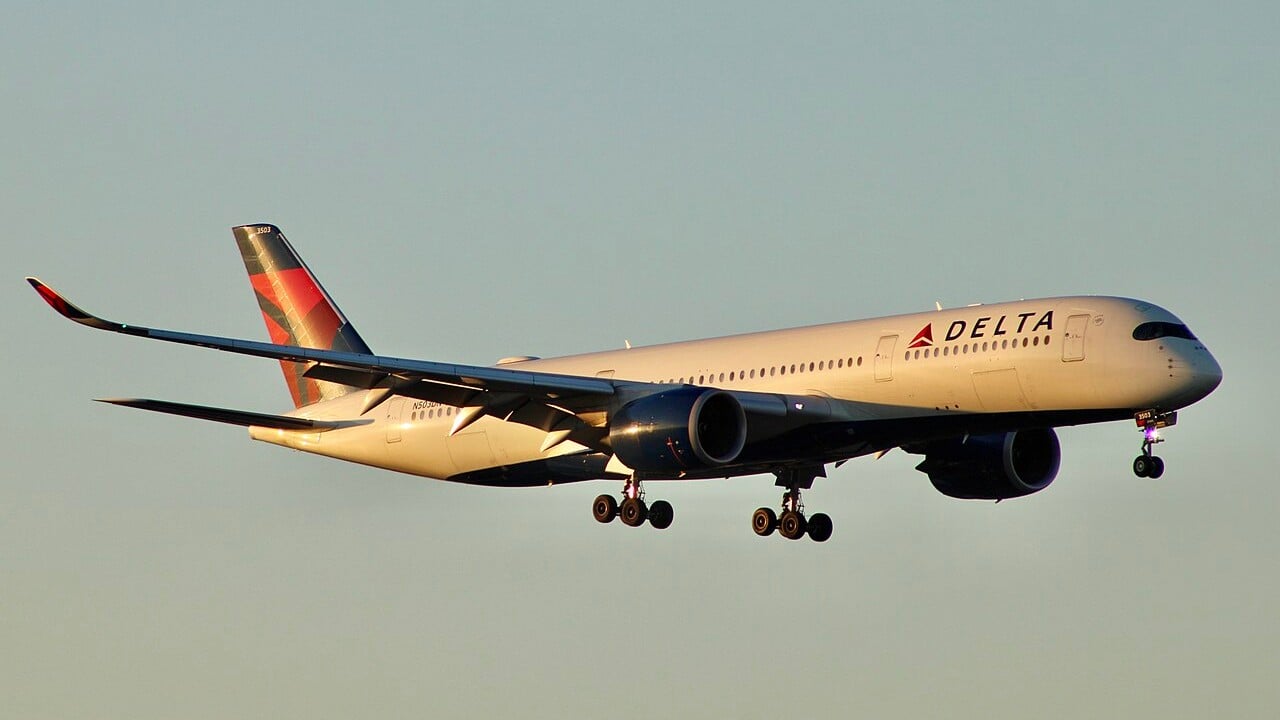
Delta Air Lines was eleven days away from its first ever flight to Saudi Arabia. It is now five months away.
On Monday, 12 October, Delta said it would delay the planned launch of nonstop service between Atlanta and Riyadh, which had been due to start on 23 October, until March 2027. The reason needed little explaining: over the weekend, Houthi missiles hit King Khalid International Airport, the very airport the new route was meant to serve, killing at least 12 people and injuring hundreds.
"The safety and security of our customers and employees always come first," the airline said.
Quick Facts: Delta Atlanta to Riyadh
Route: Atlanta (ATL) to Riyadh King Khalid International (RUH), nonstop
Original start: 23 October 2026
New start: March 2027
Angekündigt: 12 October 2026
Bedeutung: Would be Delta's first passenger service to Saudi Arabia
Partner: Saudia and Riyadh Air
Auslösen: Houthi missile strikes on King Khalid International, 10 and 11 October
Passenger options: Rebooking or refund via Delta's website and app
What Delta Said
Delta's statement was short and careful. It said the airline would "delay the planned launch of its nonstop service between Atlanta and Riyadh, Saudi Arabia," citing "evolving developments in the region." It added that it remains "in close contact with relevant government and aviation partners, including Saudia and Riyadh Air," and that "Saudi Arabia remains an important market for Delta, and we are committed to serving the Kingdom for the long-term."
AirlineGeeks reports that Delta had planned to start the route daily before dropping to three flights a week from 30 October. Chief executive Ed Bastian had told CNBC on Friday that the airline was evaluating its options. Customers booked on the route can choose other arrangements or a refund through Delta's website and app.
Delta is not alone. AeroTime reports that Lufthansa, Air France-KLM and Etihad have cancelled services to Riyadh, and that Saudi authorities extended the airport's closure.
Two Strikes in Two Days
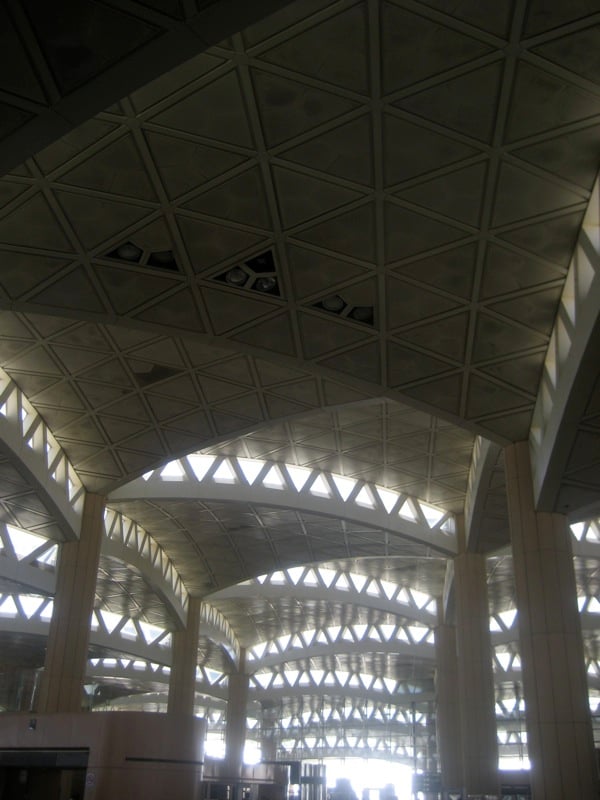
The attack that changed Delta's plans came on Saturday, 10 October, when a Houthi missile struck King Khalid International, including a passenger terminal. Saudi authorities put the toll at 12 dead, with later reports citing 13, and around 300 injured. Afterburner covered the strike as it happened. The next day a second attack on the airport killed one more person and injured about a dozen.
Regulators reacted quickly. On 11 October the US Federal Aviation Administration urged caution for American operators flying to or over Saudi Arabia, covering the Jeddah flight information region until 10 December 2026. The notice does not ban flights. Europe's aviation safety agency, EASA, had already widened its own Saudi airspace warning on 9 October.
For an airline launching a brand-new route, the calculation is simple. Nobody wants a debut flight into an airport that is being shot at.
Why Riyadh Matters to Delta
Saudi Arabia is spending heavily to turn Riyadh into a major hub, with Riyadh Air building a new national airline and the government targeting tourism and business travel. For US carriers, a nonstop link is a prize, and Delta's tie-ups with both Saudia and Riyadh Air give it ready-made connections beyond the capital.
That is why the statement stresses the long term. Delta is not walking away from the market. It is waiting for the shooting to stop.
Whether March 2027 is realistic depends on events no airline controls: the war in Yemen, Saudi air defences, and the wider conflict with Iran. For now, the first Delta jet to Riyadh stays on the ground in Atlanta.
BBC News reports on the second Houthi strike on Riyadh airport in two days.
Sources: Delta Air Lines statement; AirlineGeeks; AeroTime; FlightGlobal; FAA; EASA; BBC News.
0 Comments