
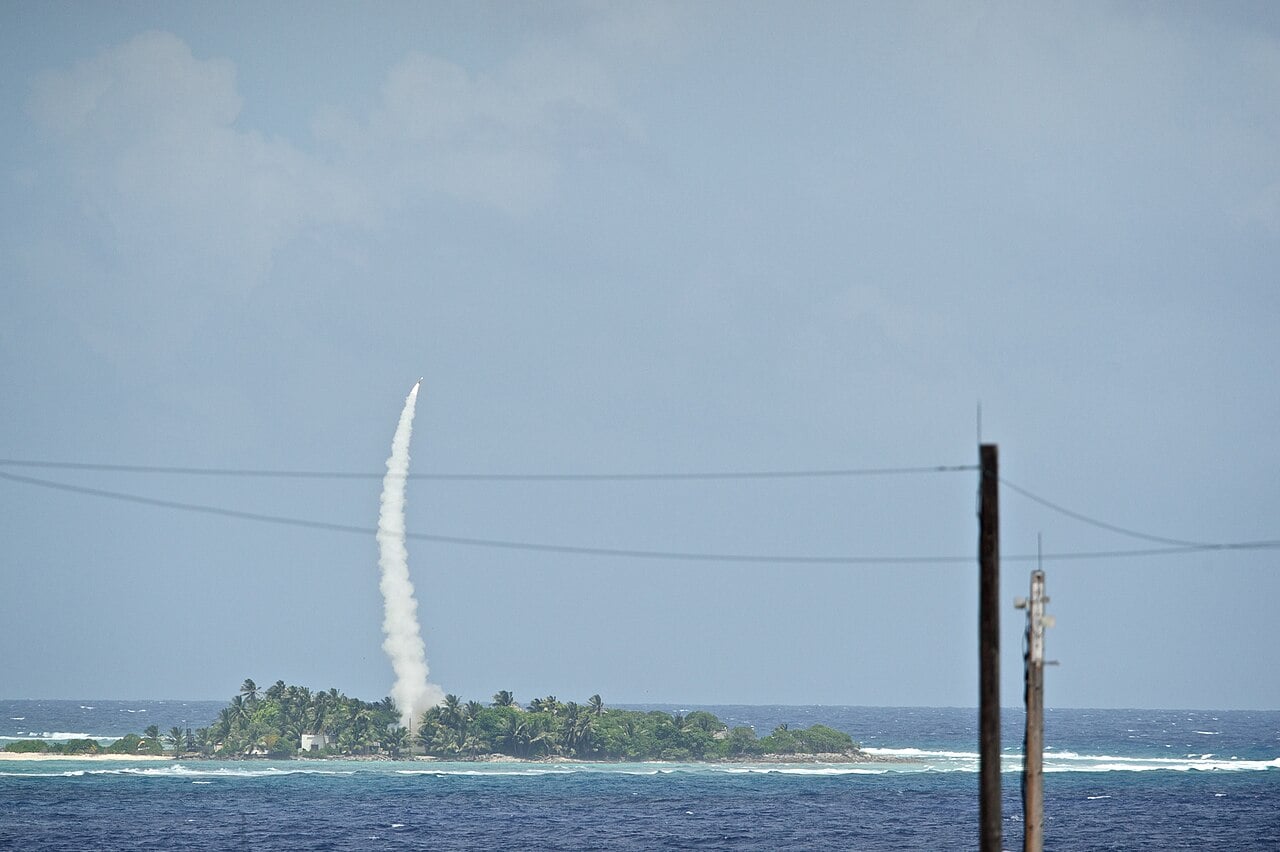
The Patriot is America’s main defence against ballistic missiles, and the war with Iran has used up more of them than any conflict before it. According to estimates by the Center for Strategic and International Studies (CSIS), US forces fired between about 1,060 and 1,430 Patriot interceptors, more than half of the inventory they started with. Replacing them will take at least three years.
The figures come from Mark Cancian, a senior adviser at CSIS and a retired Marine colonel, and his colleague Chris Park, who built them from public budget data, production rates and estimated inventories. The Pentagon has not confirmed them. A figure now circulating on social media, that the US fired “19 years’ worth” of Patriot purchases, does not match CSIS’s own numbers. Here is what the analysis actually says.
Kurzinfo
- Patriot interceptors used: About 1,060 to 1,430 (CSIS estimate)
- Pre-war inventory: About 2,300 to 2,500, depending on the estimate
- Share used: Up to about 61% of the pre-war stock
- Average US purchases: About 225 a year over the past decade
- PAC-3 MSE production: About 650 a year, roughly half for the US
- FY2027 Army request: 3,203 Patriot interceptors; deliveries from May 2029
- Time to rebuild: Three or more years, according to CSIS
- THAAD: About 190 to 290 used, up to about 82% of the pre-war stock
How the Stock Was Spent
Most of the interceptors were fired in the opening 39-day air and missile campaign that began with Operation Epic Fury on 28 February 2026, when Iran answered with waves of ballistic missiles and drones aimed at US bases, Israel and Gulf states. Patriot batteries defended US forces and partner nations across the region, and THAAD batteries engaged the longest-range threats. Some missiles still got through.
In its May analysis, CSIS estimated Patriot use at 1,060 to 1,430 interceptors. By late July, as reported by Military Times, CSIS put the share of the pre-war inventory expended at about 65%, leaving fewer than 1,000. Figures reported by CBS News in October put the pre-war stock entering 2026 at about 2,300, with up to 61% fired. The estimates differ in detail, but they agree on the scale: more than half of America’s Patriot interceptors are gone.
Why Rebuilding Takes Years
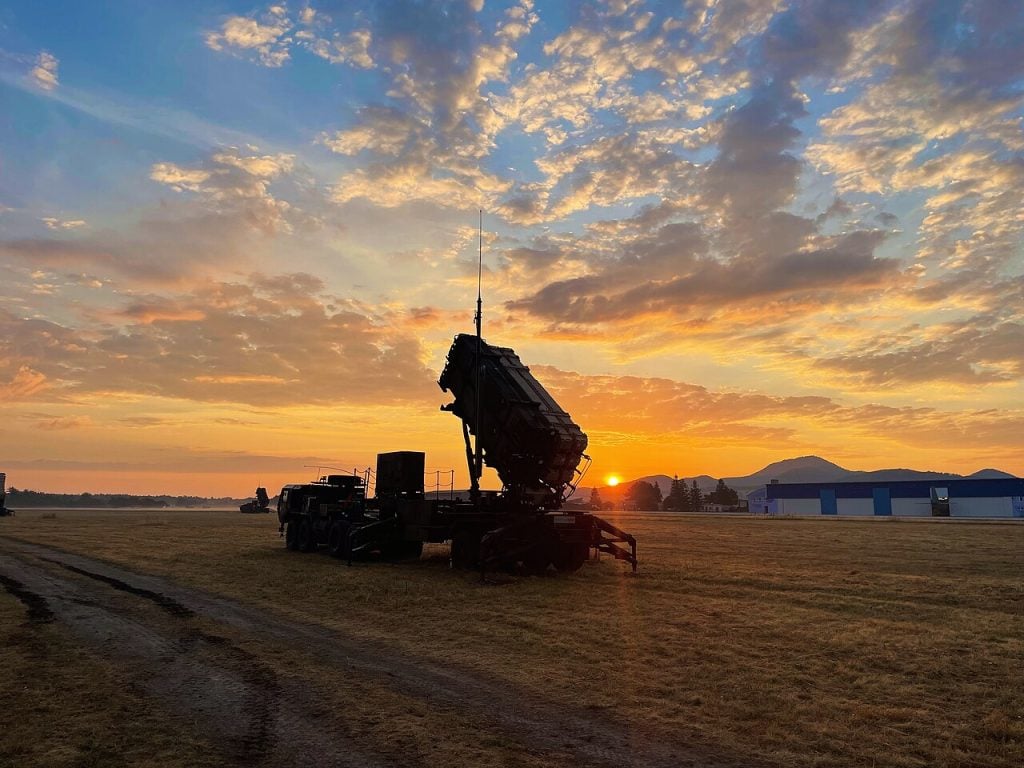
The problem is not only how many were fired but how slowly they are replaced. Over the past decade, the US bought on average only about 225 Patriot interceptors a year. Lockheed Martin’s PAC-3 MSE line currently runs at about 650 a year, and roughly half of those go to allies; the company has committed to a surge rate of 2,000 a year. But money appropriated today becomes missiles years later. Cancian told the BBC that new orders take three to five years to arrive, and that the missiles being delivered now were funded in 2023.
The Army has asked for 3,203 Patriot interceptors in its 2027 budget, with deliveries projected to start in May 2029. CSIS concluded that it will take three or more years to get back to pre-war levels. THAAD is in an even tighter position: up to about 82% of its pre-war interceptors were used, current production is 96 a year, and replacement is not expected to be complete before the end of 2029. The rush to cheaper defences against drones, which we looked at in how cheap drone interceptors work, is partly a response to this arithmetic. So is the push to triple PAC-3 seeker production.
A Warning Before the War
The shortage was foreseen. In December 2025, about two months before the war began, Army Chief of Staff General Randy George warned that the Army was critically short of missile defence interceptors and that Patriot and THAAD stocks would stay strategically low until about 2030, according to US officials who spoke to CBS News. He cited transfers to Ukraine, the defence of Israel and a weakened industrial base. Defense Secretary Pete Hegseth removed George in April. The Pentagon rejects the shortage reports; its chief spokesman, Sean Parnell, has said that claims of US munitions shortages are false.
The Window of Vulnerability
CSIS’s biggest concern is not Iran. It is what happens if a high-intensity war breaks out elsewhere, particularly in the Western Pacific, before stocks are rebuilt. The authors describe a window of vulnerability lasting several years, and note that there are no good alternatives to Patriot and THAAD for ballistic missile defence. One factor they suggest may preserve deterrence in the meantime: China has no recent combat experience, while US forces have just fought an intense air and missile war.
Does “19 Years of Purchases” Add Up?
No. The claim circulating online says the US fired about 19 years’ worth of Patriot purchases. Using CSIS’s own figures, 1,060 to 1,430 interceptors at an average of about 225 a year comes to roughly five to six and a half years of purchases. That is still a remarkable rate of use, but nowhere near 19 years. The same claim also says the stock was spent over about seven months of fighting; in fact most of it went in the first 39 days. The other figures in circulation, including the 225 a year, the production rate of about 650 and the three years to rebuild, do match the CSIS analysis.
Sources: Mark F. Cancian and Chris H. Park, “Rebuilding U.S. Missile Inventory: A Multiyear Project”, Center for Strategic and International Studies (27 May 2026); PBS NewsHour/Associated Press (27 May 2026); The War Zone (28 May 2026); Military Times (30 July 2026); CBS News (15 October 2026).


0 Comments