
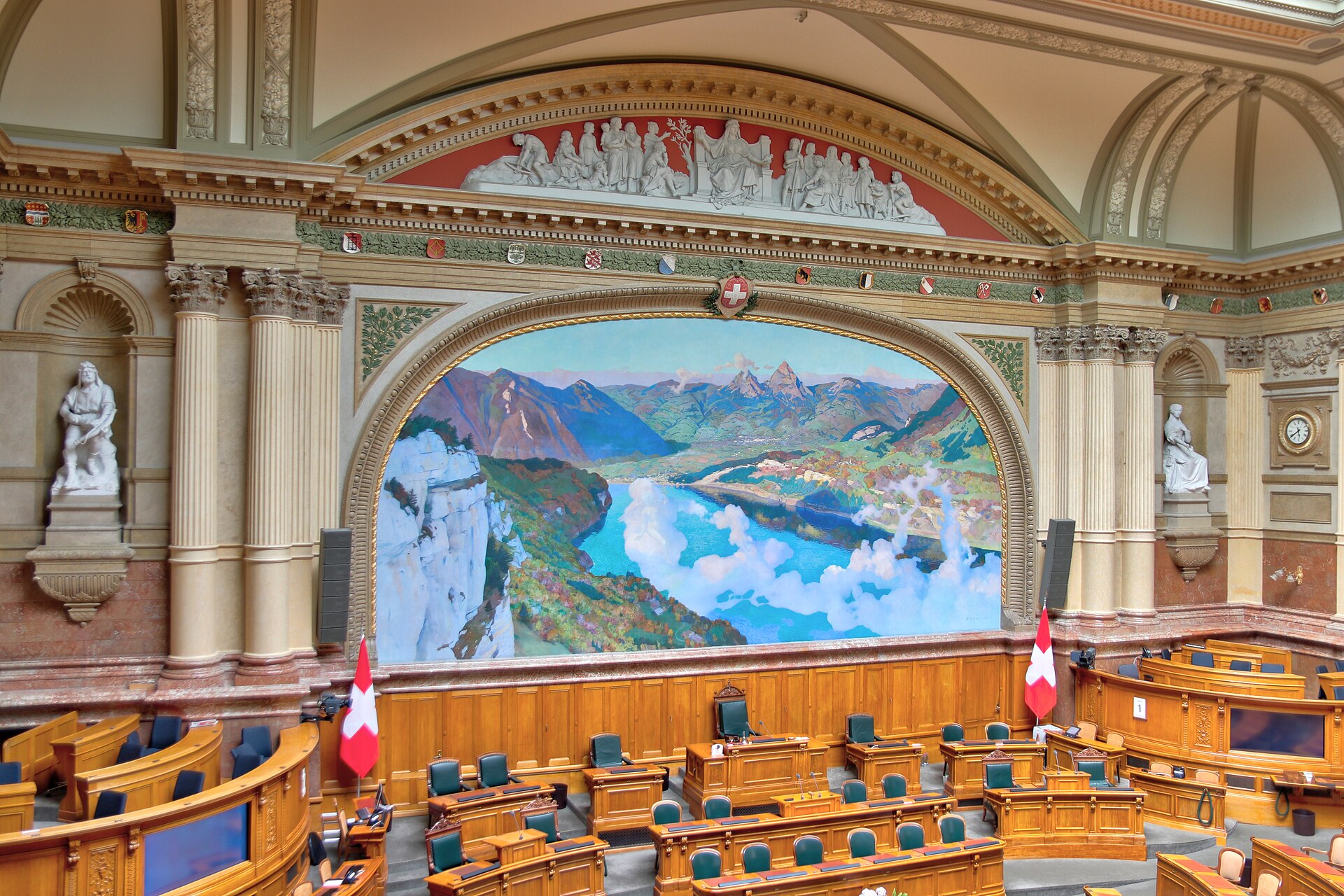
On Tuesday afternoon, four people sat down in front of the Swiss press in Bern and said the thing that everybody in the country had suspected for two years but nobody in government would confirm. There was never a fixed price for the F-35.
The report came from the Geschäftsprüfungskommission of the National Council, the GPK-N, Switzerland’s parliamentary oversight committee. It had been digging since July 2025 into a single question: did Switzerland really negotiate a lump-sum, all-in price with the United States for 36 F-35A Lightning II fighters, the way the defence ministry told Parliament and the public it had? The answer, published on 8 September 2026, runs to a formal finding that no such price was ever agreed.
The reaction from Bern was not measured. Within hours, politicians from the left and the hard right were using words that rarely make it into Swiss defence coverage: Skandal. Sauerei. And, from one member of the security policy committee, the accusation that a former Federal Councillor had lied to Parliament’s face.
Datos rápidos
Report: GPK-N inquiry into the F-35A procurement, published 8 September 2026
Core finding: no lump-sum fixed price was ever agreed with the United States
Original deal: Parliament approved roughly CHF 6 billion in September 2022 for 36 F-35A
First warning signs: armasuisse received indications of extra costs in August 2024
Federal Council informed: March 2025 — after Viola Amherd announced her resignation on 15 January 2025
Supplementary credit: CHF 394 million requested in March 2026, enough for roughly 30 jets
Primeras entregas: from 2027
The price that was never a price
Switzerland voted for new fighters on 27 September 2020 and it was close enough to make your palms sweat: the Air2030 credit passed with 50.14 per cent, a margin of 8,670 votes out of more than three million cast. In June 2021 the Federal Council picked the F-35A. In September 2022 Parliament released the money, and on 19 September 2022 the contract was signed.
Throughout, the selling point was the price. Not an estimate, not a ceiling with caveats — a fixed price. That certainty is a large part of why a narrowly split electorate and a sceptical Parliament went along with it.
The GPK-N now states flatly that no lump-sum fixed price was agreed with the United States, and that against that background the defence ministry’s absolute communication towards Parliament and the public cannot be understood. The committee also found it implausible that Washington would have handed Switzerland a deal that runs against standard US Foreign Military Sales practice in the first place.
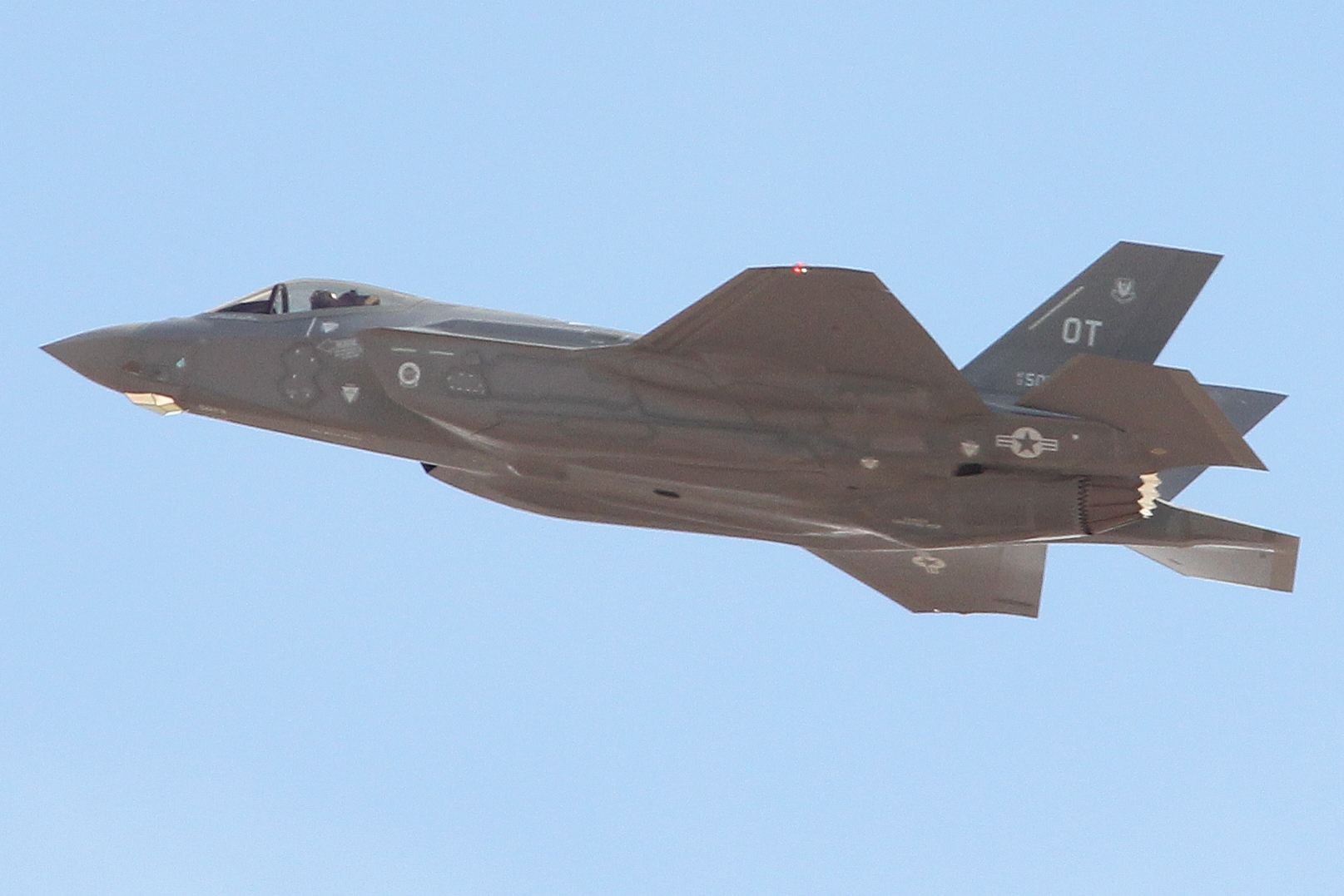
Almost nobody read the contract
The detail that stings hardest is not about money at all. It is about diligence. According to the committee, only a handful of the people involved ever read the contract in full — which meant the negotiated result was never properly stress-tested before Switzerland signed it.
It gets stranger. The GPK-N found that the general secretariat of the defence ministry brought in an external law firm alongside armasuisse, the federal armaments office, with the result that armasuisse’s own legal service was effectively left out of the contract negotiation. The justification, according to subcommittee president David Roth, was that the departmental leadership judged armasuisse’s lawyers not to have the necessary competence — a striking verdict on the very body whose statutory job is federal arms procurement.
The external firm then assessed the paperwork primarily under Swiss law and said openly that it could not judge the documents under US law. It recommended bringing in an American firm. That recommendation, Roth said, was not followed.
Meanwhile the Swiss Federal Audit Office had already raised doubts about the supposed lump-sum price. The committee’s view is blunt: those doubts alone should have triggered a critical review and renegotiation, or at the very least should have put a cost-overrun risk into the risk register. Neither happened.
August 2024, and then silence until March 2025
Here is the timeline that turned a procurement story into a political one. Armasuisse received the first indications of extra costs in August 2024, and Viola Amherd, then head of the defence ministry, was aware of them. She informed the full Federal Council only in March 2025, once the United States had confirmed the additional costs in writing.
By March 2025 Amherd had already announced her resignation — she made that public on 15 January 2025 and left office at the end of March. Her successor, Martin Pfister, was elected on 12 March 2025 and took over the department on 1 April.
«Sauerei»
SVP National Councillor Mauro Tuena sat on the security policy committee from the end of 2021 to the end of 2023 and chaired it. He is not a man with a reflexive grudge against buying fighter jets. He is furious anyway.
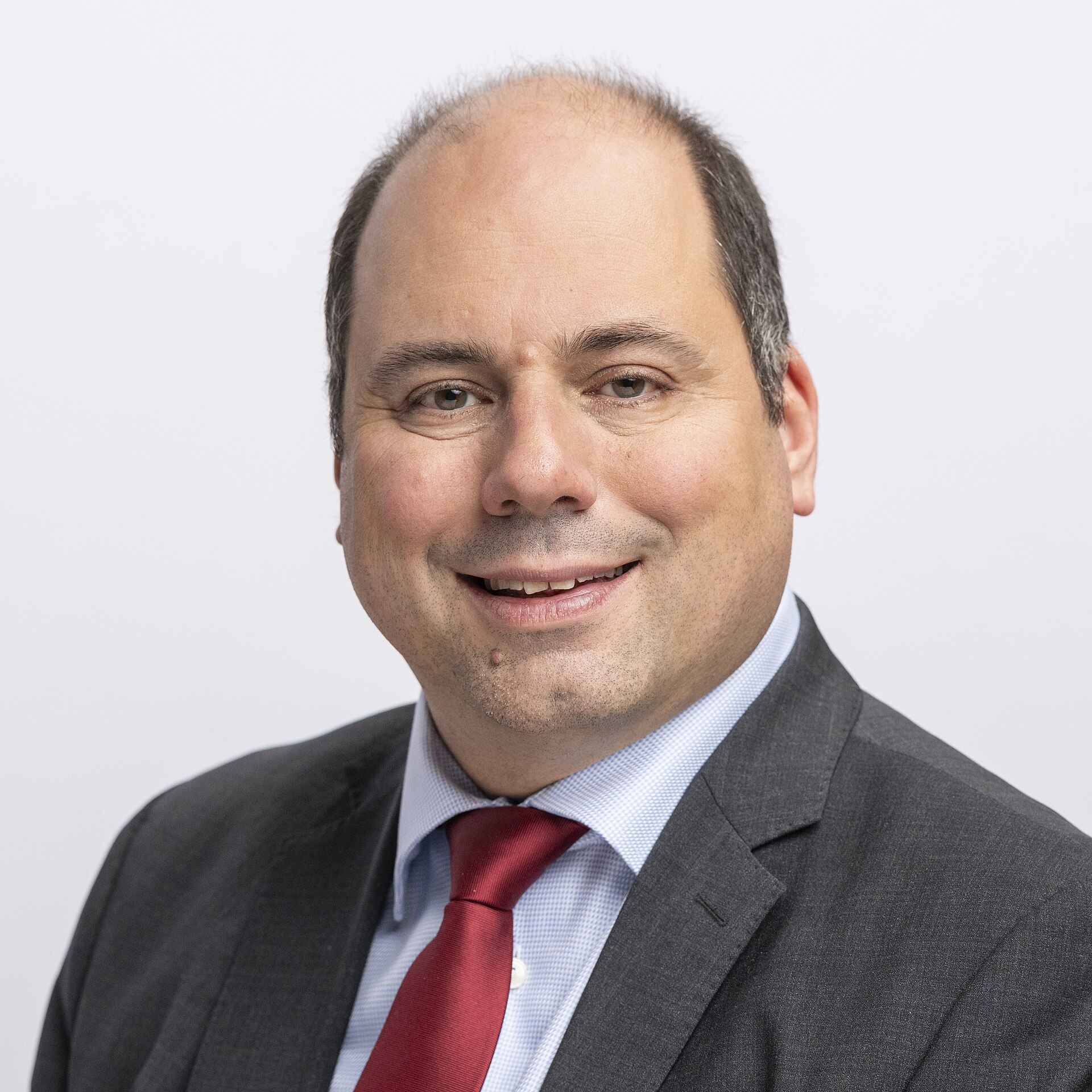
Tuena told 20 Minuten that the committee had repeatedly asked to see the contracts and had repeatedly been refused, on the grounds that such contracts are never shown to committees. That, he says, is over: the committee has told Defence Minister Martin Pfister it wants to see every contract in future, and the Federal Council has agreed. In his words, he will never again approve a single franc before he has seen the contract.
From the other end of the chamber, SP co-president Cédric Wermuth called the report confirmation of what the F-35 procurement was from the beginning and still is — an absolute scandal — and said Parliament and the public had been misled. The SP and the Greens both want the purchase stopped outright; Green National Councillor Gerhard Andrey said in a statement that Parliament and the population had been led astray by the Federal Council.
The parties on the right want the opposite. As we reported on 7 September, the SVP and FDP are pushing to restore the full order of 36 jets rather than settle for the roughly 30 the supplementary credit buys.
A German-language explainer on how the Swiss F-35 cost dispute developed and what it means for other European buyers.
What the committee actually wants
The recommendations are less quotable than the outrage but they are the part that will outlast it. The GPK-N wants the Federal Council to examine measures ensuring that federal staff actually file documents as the rules require — including possible sanctions for former employees, and the archiving of business-relevant Threema messages. It found that some documents had not been filed according to the applicable rules at all, leaving the record incomplete.
It wants armasuisse, not a ministry general secretariat, to lead the legal assessment of arms deals. It wants clearer negotiating mandates, more precise financial forecasts and more transparency on large procurements. And it wants the invoicing and invoice checking in this specific case reviewed.
None of that arrives in time to change the aircraft. Switzerland’s first F-35A is already being built — the fuselage and wing came together at Cameri in Italy in August, and deliveries in the United States are due from 2027. The jets are coming. What the GPK-N has taken away is the story that was told to get them, and the assumption that the next time a Swiss defence minister says the price is fixed, anyone will believe it.
Preguntas frecuentes
Did Switzerland ever agree a fixed price for the F-35?
No. The report published on 8 September 2026 by the GPK-N, the National Council’s oversight committee, found that no lump-sum fixed price was ever agreed with the United States for the 36 F-35A fighters. The committee said the defence ministry’s absolute communication of a fixed price to Parliament and the public could not be understood in that light, and that it was implausible Washington would have granted Switzerland terms running against standard US Foreign Military Sales practice.
What is the GPK-N and what did it investigate?
The GPK-N is the Geschäftsprüfungskommission of the Swiss National Council, Parliament’s oversight committee. It opened its inquiry in July 2025 to establish whether a fixed price for the F-35A had actually been defined as such, and when Swiss authorities first learned that costs were not capped. Its report was published on 8 September 2026.
When did Viola Amherd learn about the F-35 cost overruns?
Armasuisse received the first indications of additional costs in August 2024, and Viola Amherd, then head of the Swiss defence ministry, was aware of them. She informed the full Federal Council only in March 2025, after the United States had confirmed the extra costs in writing. By then she had already announced her resignation, on 15 January 2025, and she left office at the end of March 2025.
How many F-35s will Switzerland actually get?
Parliament approved roughly CHF 6 billion in September 2022 for 36 F-35A. In March 2026 the Federal Council asked for a supplementary credit of CHF 394 million, which on the state of knowledge in February 2026 would buy about 30 aircraft. That figure is not final: it can only be confirmed once the US government has negotiated contracts with the manufacturers for the remaining aircraft and engines from the coming production lots.
What did Swiss politicians say about the report?
SP co-president Cédric Wermuth called the F-35 procurement an absolute scandal and said Parliament and the public had been misled. SVP National Councillor Mauro Tuena, a former chair of the Security Policy Committee, called the findings a disgrace and accused Viola Amherd of lying to the committee. Green National Councillor Gerhard Andrey said Parliament and the population had been led astray. The SP and the Greens want the purchase cancelled; the SVP and FDP want the order restored to 36 jets.
Does this stop the Swiss F-35 purchase?
Not by itself. The GPK-N is an oversight committee: it issues findings and recommendations, not procurement decisions. Switzerland’s first F-35A is already in production, with its fuselage and wing joined at Cameri in Italy in August 2026 and deliveries in the United States due from 2027. Cancelling the purchase would require a separate political decision by Parliament and the Federal Council.
Sources: Geschäftsprüfungskommission des Nationalrats report of 8 September 2026 (via SRF, Tages-Anzeiger, NZZ), 20 Minuten, watson, Blick.
0 Comments