
A hundred nautical miles north of Dutch Harbor is not anywhere. It is grey water, weather that arrives sideways, and the shortest line between the Aleutians and the Russian Far East. This week it has an American and Canadian task force in it, and Alaska-based fighters overhead.
The operation is called TUNDRA MERLIN, and from 18 to 22 September it has been running the Arctic equivalent of a fire drill: find a ship, track it, pass the targeting data, simulate killing it. Do that faster than the last time.
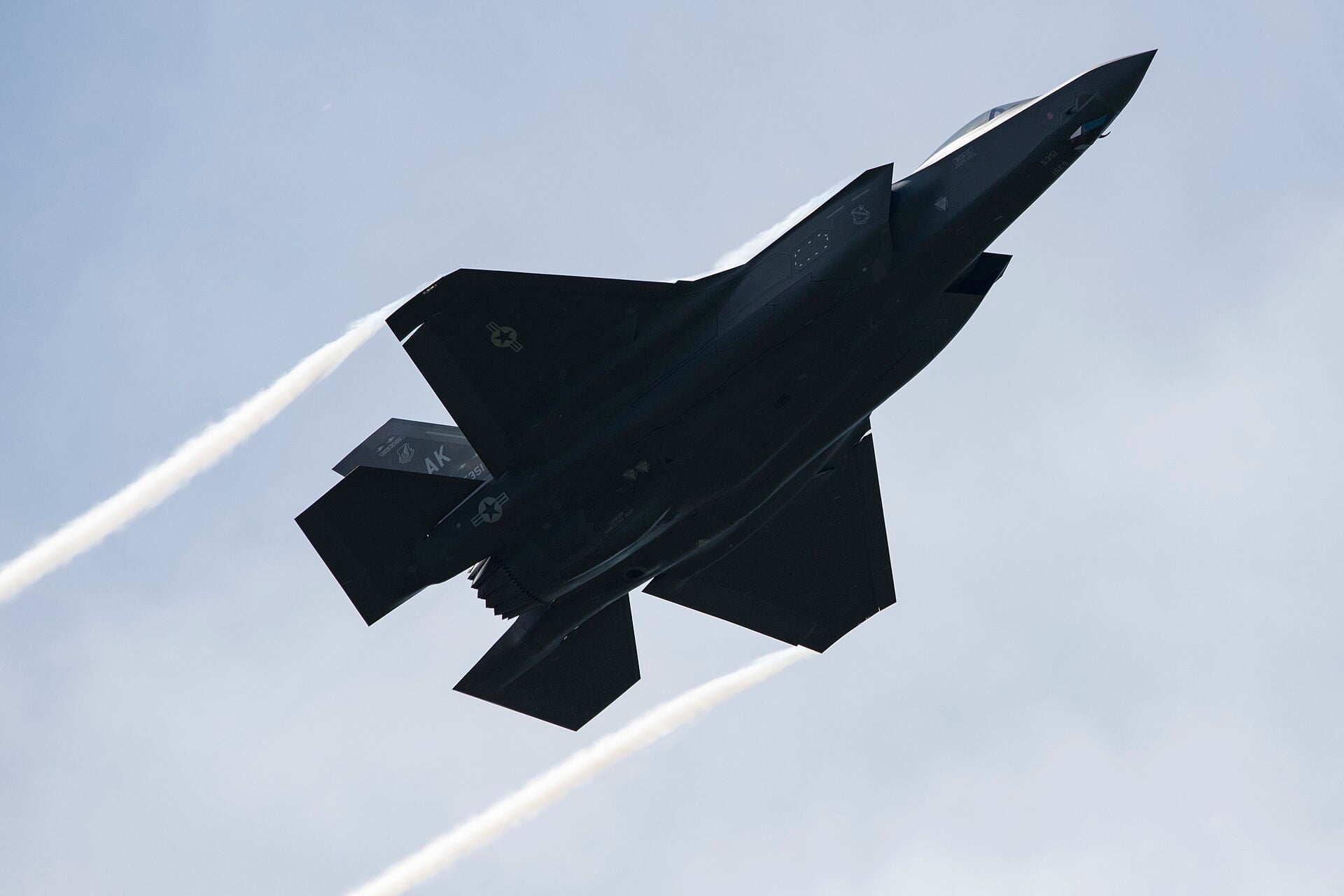
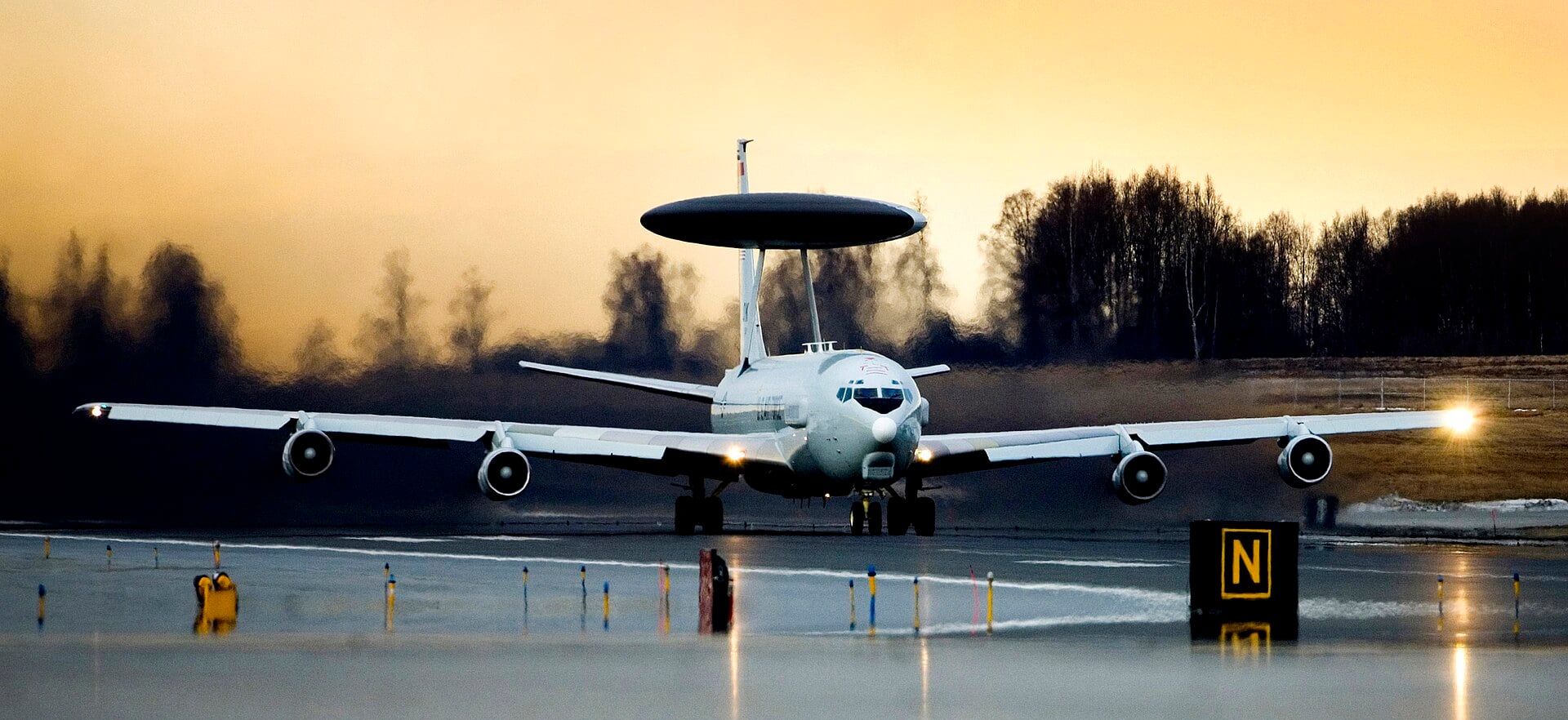
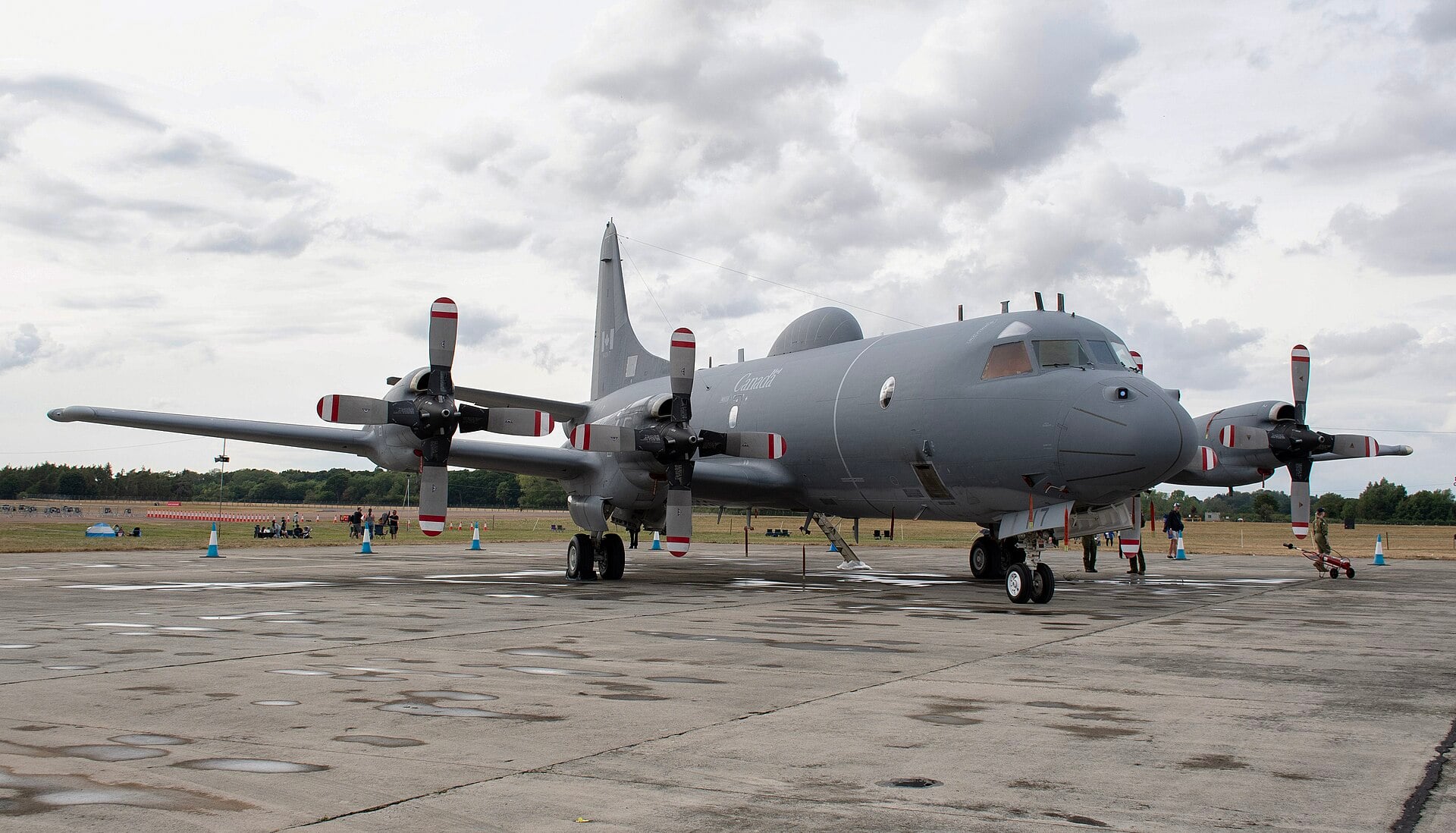
US Coast Guard cutters and Royal Canadian Navy surface and subsurface units are doing the sea half. Royal Canadian Air Force maritime patrol aircraft, US Air Force E-3 Sentries and Alaska-based F-35 are doing the air half. USNORTHCOM and Alaskan Command are holding the whole thing together.
Datos rápidos
- Operación: TUNDRA MERLIN, commanded by US Northern Command and Alaskan Command
- This phase: 18–22 September 2026, Bering Sea, roughly 100 nautical miles north of Dutch Harbor
- Air: Alaska-based USAF F-35s and E-3 Sentry AWACS, plus RCAF maritime patrol and reconnaissance aircraft
- Sea: US Coast Guard and Royal Canadian Navy surface and subsurface vessels
- What they practised: multiple simulated maritime target engagements, validating how targeting information flows between services and nations
- Not a one-off: TUNDRA MERLIN has run across Alaska since the summer, including a HIMARS deployment to Nome and an 800-mile combined Bering Sea and Bering Strait patrol
The Point Is the Plumbing, Not the Missile
“Simulated maritime target engagements” is unglamorous phrasing for something genuinely difficult. A Canadian patrol aircraft finds a contact. That contact has to become a track, the track has to reach whoever can shoot at it, and the shooter has to trust the data enough to act on it — across two air forces, a navy, a coast guard and a combatant command, over a stretch of ocean with no permanent radar coverage and famously hostile weather.
USNORTHCOM’s own framing is that the exercise is about “validating targeting information flow and exercising engagement processes.” That is the kill chain, and the chain is where these things break. Aircraft are easy to buy by comparison.
The man running it is Lieutenant General Robert Davis, who wears three hats at once: commander of Alaskan Command, of the Alaskan NORAD Region, and of Eleventh Air Force.
He also made the point that matters most for an operation with this many flags in it: every TUNDRA MERLIN event, he said, “strengthens command and control, and improves our ability to operate seamlessly across services and nations.” Seamless is doing a lot of work in that sentence, and it is the thing being rehearsed.
Why 100 Miles North of Dutch Harbor
Geography. Dutch Harbor sits on Unalaska in the Aleutian chain, and the water north of it is the entrance to the Bering Sea — the funnel between the Pacific and the Arctic, and the approach to the Bering Strait. Anything transiting between the Russian Pacific coast and the Arctic Ocean goes through there or around a very long way.
It is also close. The Russian mainland lies several hundred miles to the west, and Russian and Chinese naval formations have operated in the North Pacific and near the Aleutians in recent years. Practising a maritime strike chain in exactly that water is not subtle, and is not meant to be.
What makes it work is that the United States keeps fifth-generation fighters at Eielson, within reach of all of it. An F-35 from interior Alaska over the Bering Sea, cued by an E-3 and fed by a Canadian patrol aircraft, is a very different proposition from surging assets north after something has already happened.
Canada Is Not a Guest Here
It is easy to read exercises like this as American with allied decoration. TUNDRA MERLIN is not that. NORAD is a binational command, the only one of its kind, and Canada is inside the decision loop rather than alongside it.
The RCAF is contributing maritime patrol and reconnaissance aircraft — the CP-140 Aurora fleet, Canada’s long-serving development of the Lockheed P-3 Orion — and the Royal Canadian Navy has both surface ships and submarines in the water. Earlier in the operation an RCAF airlifter moved US Army rocket artillery into Nome.
That is the part worth watching. An Arctic kill chain that only works when one nation runs it is not much use, because the Arctic approaches to North America are not divided neatly by border. TUNDRA MERLIN is an argument that the chain works when both of them are holding it.
The operation runs through 22 September. Nobody expects it to produce a headline. That is rather the point — the deterrent value is in a potential adversary reading the press release and doing the arithmetic on how quickly something in the Bering Sea can now be found, tracked and engaged.
Sources: US Northern Command, Alaskan Command Public Affairs, GlobalSecurity.org, DVIDS.


0 Comments