
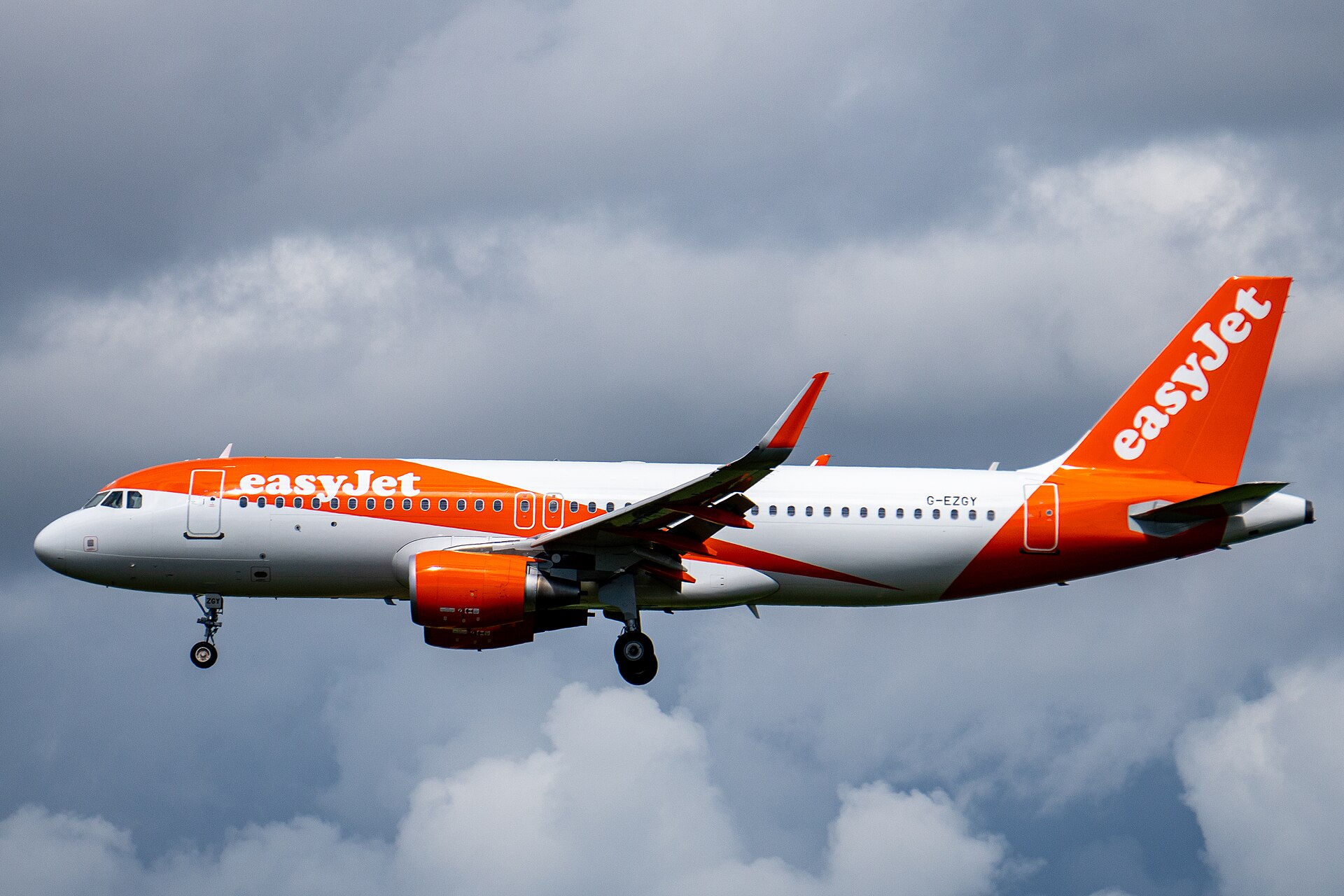
Thirteen days. That is how long British aviation got between one national air traffic control failure and the next.
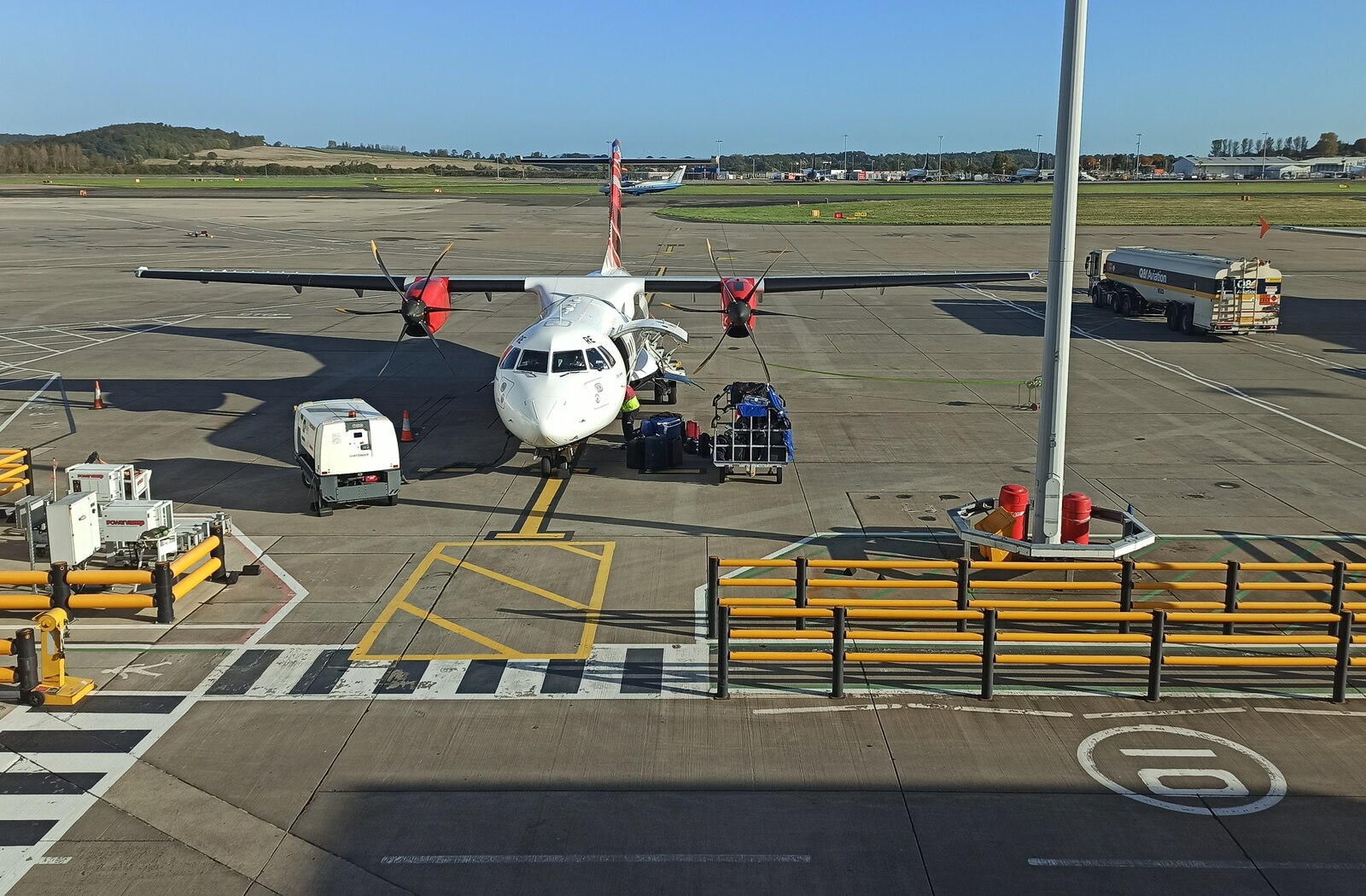
Early on Monday morning a connectivity fault hit the NATS centre at Prestwick, the facility that runs Scottish upper airspace and feeds the transatlantic gates out over the Atlantic. Controllers did the only thing available to them: they applied flow regulations, throttled departures and started stacking inbounds. By mid-morning the fault was fixed. By then Manchester, Edinburgh, Glasgow, Liverpool and both Belfast airports were holding departures, Loganair had grounded inter-island routes, and every airline flying north of Manchester was rebuilding its day.
On 8 September, a legacy software defect at Swanwick had taken down the London Area Control network and disrupted around 2,000 flights nationwide. That one is already the subject of a government inquiry. This one arrived while the inquiry was still taking evidence.
Datos rápidos
| Qué pasó | A connectivity fault in the NATS systems network at Prestwick Centre, Scotland |
| Cuando | Early morning, Monday 21 September 2026; fixed by mid-morning |
| Airspace affected | Scotland, Northern Ireland and northern England |
| Airports hit | Manchester, Liverpool, Edinburgh, Glasgow, Belfast International and Prestwick |
| Airlines affected | British Airways, easyJet, Ryanair and Loganair among others |
| NATS position | Unrelated to the 8 September Swanwick failure |
| Previous outage | 8 September 2026, London Area Control, roughly 2,000 flights disrupted |
| All clear | Around 10:30 local, confirmed by Transport Secretary Heidi Alexander |
What Prestwick actually does
Prestwick Centre is not a regional afterthought. It manages the upper airspace above Scotland and handles the heavy transatlantic flows moving toward the oceanic entry gates, which means a fault there does not stay in Scotland. It propagates down every route that crosses Scottish airspace on its way somewhere else.
NATS described the problem carefully, and the phrasing was doing some work.
“Broadly unaffected” south of Manchester
Early on, NATS drew an unusually precise line through the country: flights south of Manchester were broadly unaffected, while flights heading north and flights departing Scottish airports were subject to delay. It is a useful detail, because it tells you the failure was contained to the Prestwick operation rather than to the national network.
That containment is exactly what redundancy is supposed to buy you. It is also cold comfort if your flight was one of the ones on the wrong side of the line. Ryanair, easyJet and British Airways all warned passengers to expect disruption. Ryanair was the bluntest about where the fault lay.
The Transport Secretary, thirteen days later
Heidi Alexander confirmed the fix at around half past ten in the morning, and the wording acknowledged what everybody was already thinking.
“I know this will be deeply frustrating for passengers after the previous issue,” she added. “There may be some delays as things reset.”
Two failures, two continents, one Monday
Here is the part that should unsettle anyone who thinks about aviation infrastructure for a living. While Prestwick was throttling Scottish departures, the Federal Aviation Administration was ordering ground stops at five airports around New York and Philadelphia, because a primary telecoms circuit had failed and the backup fibre had already been severed by a digger in New Jersey. Two of the busiest, best-funded air navigation systems in the world, both degraded on the same day, both for reasons that had nothing to do with aviation and everything to do with the wires underneath it.
We covered that one separately in Newark Ground Stop: One Cut Cable, Eight Hours, Five Airports. The parallel is not a coincidence. Modern air traffic control is a software and telecommunications business that happens to move aeroplanes, and the parts most likely to fail are the ones nobody photographs.
¿Qué sucede ahora?
ITV News put the tally at more than 200 cancellations. Airlines have spent the days since realigning crews and repositioning aircraft, which is the invisible half of any outage: the delay you see is one day, the recovery is three. Carriers have renewed their criticism of NATS and asked, pointedly, whether the existing backup arrangements are fit for purpose. Passenger groups have pushed the Civil Aviation Authority to accelerate its oversight work.
NATS is right that the two September failures were unrelated. That is the whole problem. One outage is an incident. Two unrelated outages in thirteen days is a pattern, and patterns are what regulators are obliged to take seriously.
ITV News asks why the UK’s air traffic control system keeps breaking.
Sources: NATS, AeroTime, Aviation News Europe, Ryanair, the UK Department for Transport, aeroTELEGRAPH.


0 Comments