
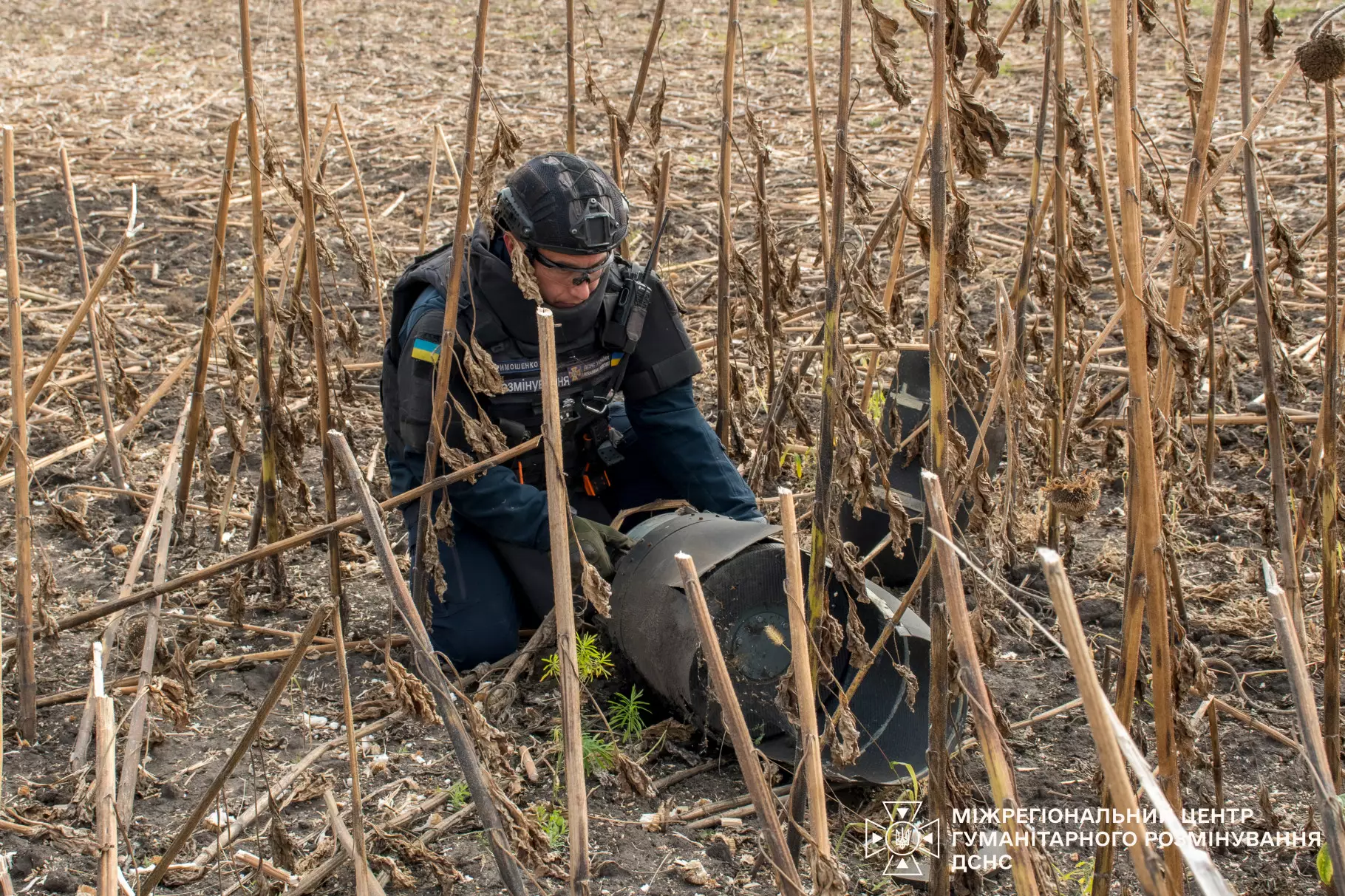
Russia's newest attack drones are fast enough to outrun most of the interceptor drones Ukraine sends up against them. On Monday, 5 October 2026, the Fuerza Aérea de Ucrania said it had found an answer that does not need to fly at all: automated machine-gun turrets, aimed by artificial intelligence, have started shooting down jet-powered Geran-5 drones.
It is the first time Ukraine has publicly claimed turret kills against Russia's jet Shaheds, and it adds a new layer to one of the most intense air defence battles in the world.
Datos rápidos
- Anunciado: 5 October 2026, by Air Force spokesman Yurii Ihnat
- Arma: Automated turrets with machine vision and AI targeting, armed with .50-calibre machine guns
- Objetivo: Russian Geran-5 jet-powered attack drones
- Despliegue: 12 turrets around Kyiv, 8 more planned for Kyiv Oblast (as of 4 October)
- Role: Short-range, last-line defence alongside fighters, Gepards, mobile fire groups and interceptor drones
What the Air Force Said
Air Force spokesman Yurii Ihnat told Ukraine's national telethon on 5 October that the turrets had already scored kills against jet-powered drones, including the Geran-5. The day before, President Volodymyr Zelensky said 12 of the turrets had been installed in areas with heavy jet-drone activity, including around Kyiv. According to the New Voice of Ukraine, eight more are planned for the wider Kyiv region.
The turrets carry US-made Browning .50-calibre heavy machine guns and use machine vision to detect, track and aim at incoming drones. That means a short reach: a machine gun can only defend the ground immediately around it. But it also means a turret can fire continuously at a target too fast for a human gunner to track reliably, at a cost per shot that a missile battery cannot match.

Why Jet Shaheds Are Such a Problem
The original Shahed-136, built in Russia as the Geran-2, is a slow, propeller-driven drone that Ukraine's mobile fire groups and interceptor drones have learned to hunt. The jet-powered versions, including the newer Geran-5, fly considerably faster. Ukrainian officials have complained that many of their interceptor drones simply cannot catch them, which is why every new counter matters.
The Kyiv Independent notes that existing interceptor drones are not fast enough for the job. The New Voice of Ukraine adds that the turrets work alongside fighter jets, Shilka and Gepard self-propelled anti-aircraft guns, mobile fire groups and interceptor drones, and that fighters still play the main role.
A Layer, Not a Silver Bullet
Ukraine has not said how many Geran-5s the turrets have downed. The Air Force spoke of cases, plural, without giving a figure. Turrets defend points, not regions, and a drone that avoids the defended area will never come within range of one.
What the announcement does show is how quickly this war turns ideas into deployed hardware. AI-aimed guns are now part of Kyiv's air defence, firing at jet-powered drones over a capital city.
DW News looks at the turrets and how they work:
Sources: The Kyiv Independent, The New Voice of Ukraine, DW News



0 Comments