
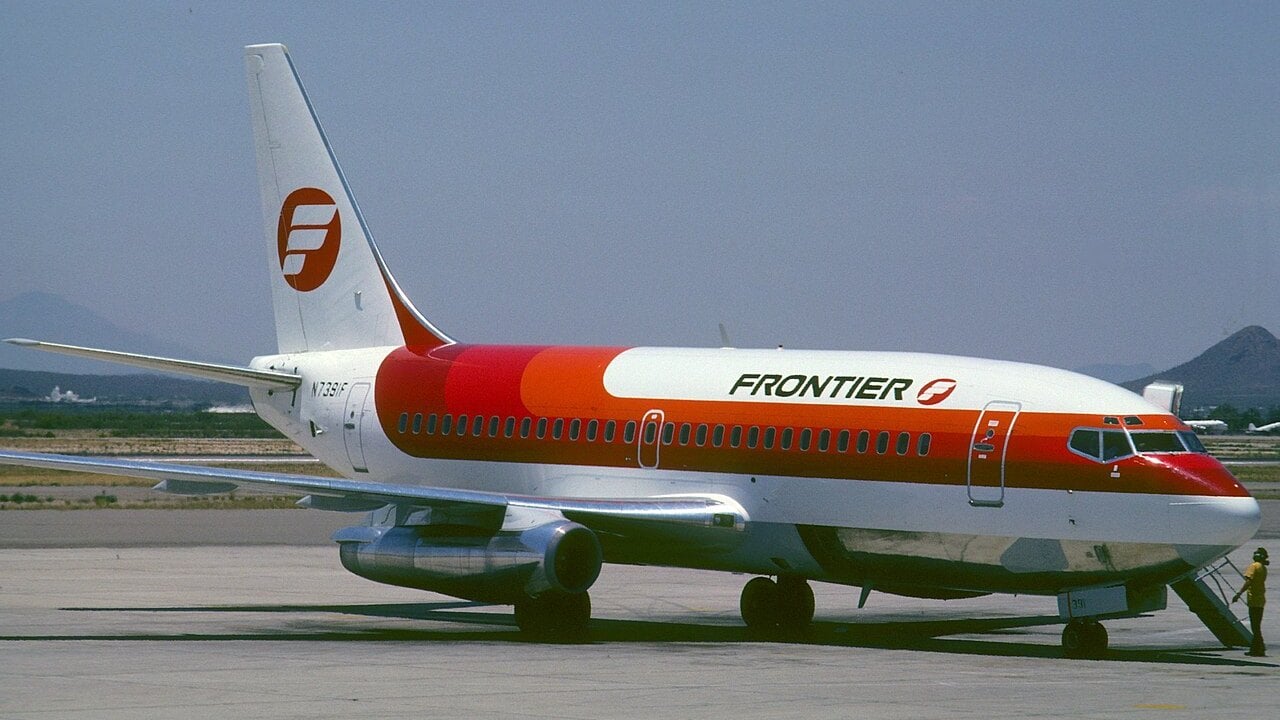
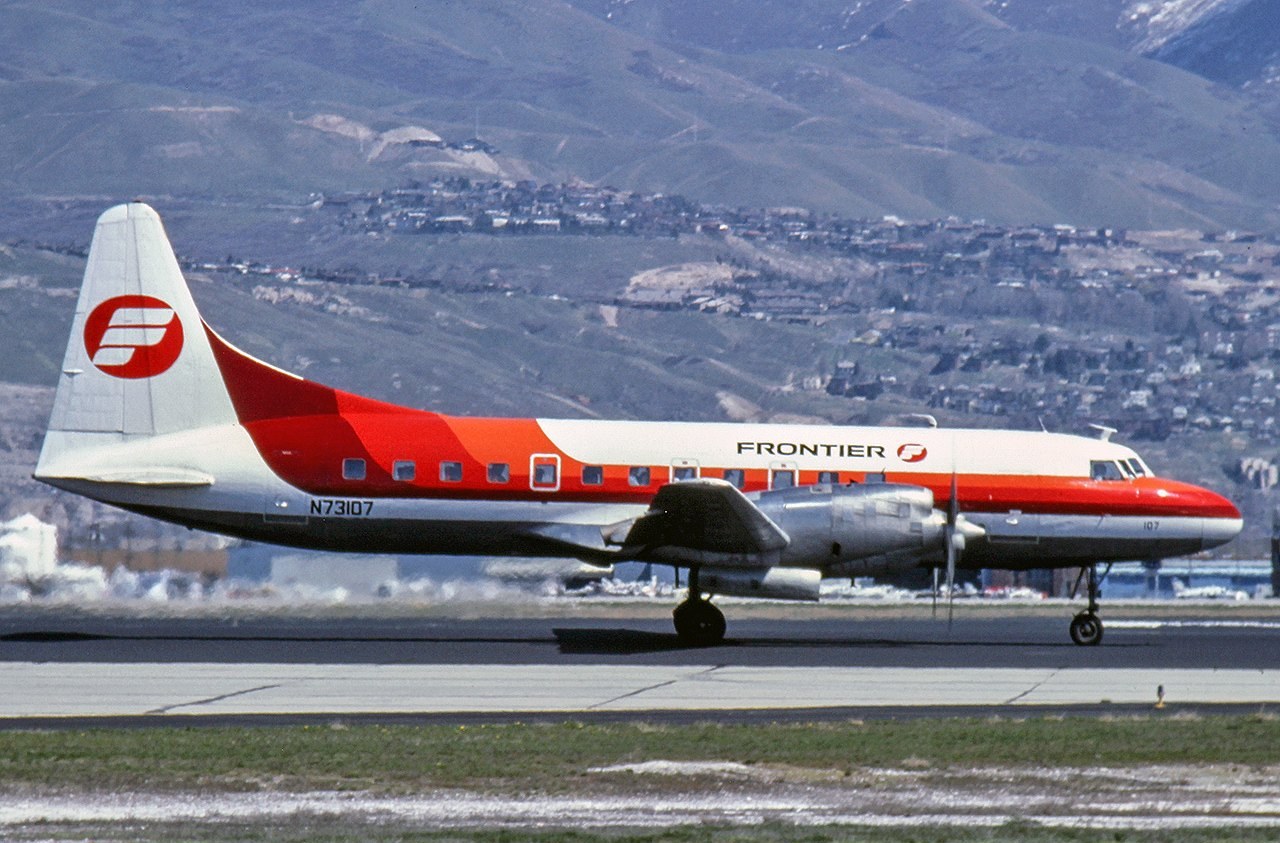
Early in 1973, a young woman from Denver climbed out of a Convair 580 simulator at Frontier Airlines. The check ride was one that even experienced male pilots found tough, and most new hires were not asked to take it at all. She had flown it well.
Across the table sat Frontier’s vice president of flight operations, Ed O’Neil, and Captain Jack Robbins. Her name was Emily Howell Warner. She had more than a decade of flying behind her, she had trained men who were now airline pilots, and she had been turned away for years. This time she was not going to leave without an answer.
Datos rápidos
- Nombre: Emily Howell Warner (1939–2020), born in Denver, Colorado
- First airline job: Hired by Frontier Airlines in 1973 after a Convair 580 simulator check ride
- Capitán: 6 June 1976, the first woman captain at a US airline
- Earlier first: FAA’s first female designated pilot examiner, 1967
- Later career: Continental and UPS; FAA aviation safety inspector from 1990
- Experience: More than 21,000 flight hours and 3,000 check rides
- Honores: National Aviation Hall of Fame 2014; Wright Brothers Master Pilot Award 2015
- Legado: Her uniform is at the National Air and Space Museum
O’Neil hired her. Three years later, Emily Howell Warner became the first woman to captain an aircraft for a US scheduled airline.
A view from the front window
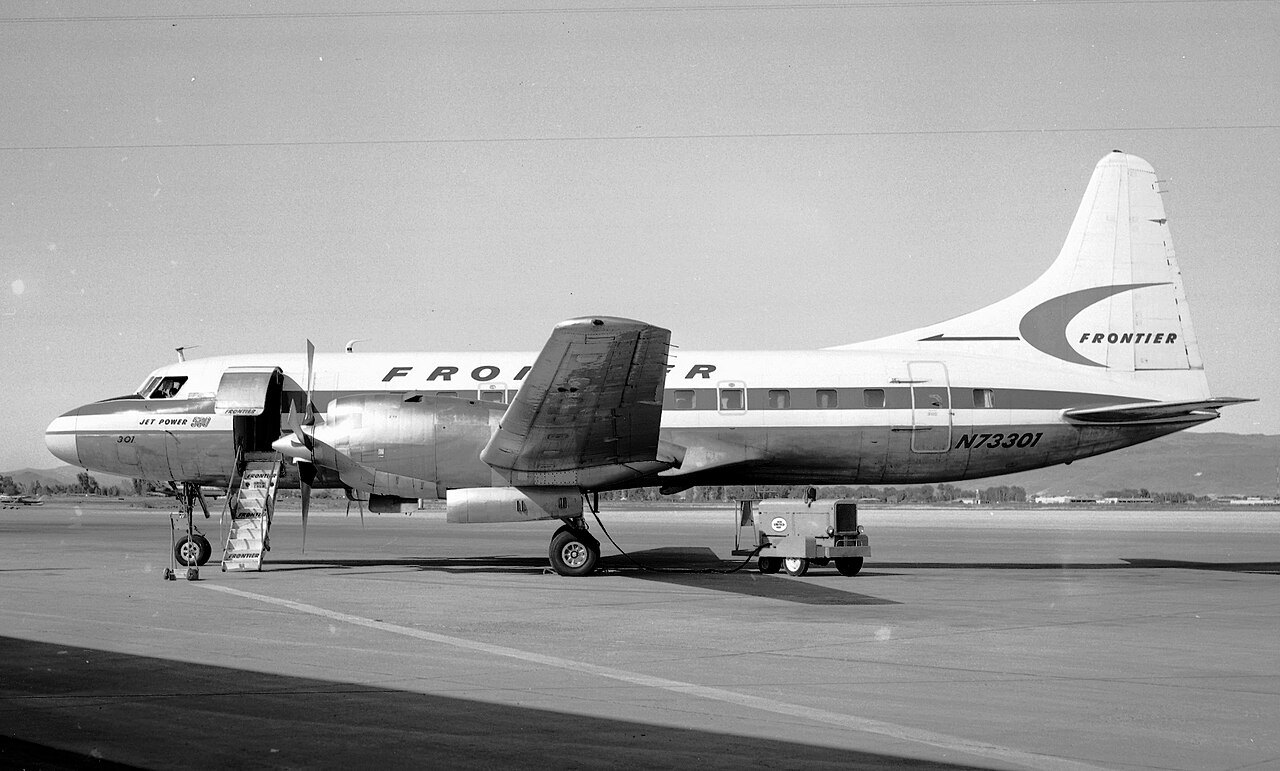
Warner was born in Denver in 1939 and was thinking about a career as a stewardess when, as a teenager, she took her first airline flight, on Frontier to the mountain town of Gunnison. On the way she asked a stewardess if she could see the cockpit. Security was relaxed in those days, and the crew said yes.
One of the pilots noticed her excitement and suggested she take flying lessons. She later recalled her reply: could a girl do that? On her next day off she took the bus to the airport, found the Clinton Aviation Company and signed up.
The lessons cost $13 a week, out of a paycheck of $38. With her parents’ blessing she kept at it, earned her private pilot licence within a year and took a job as a flying traffic reporter.
She built up her ratings one by one, became a certified flight instructor at 21 and went on to manage Clinton Aviation’s flight school in Denver. In 1967, at the age of 28, she became the FAA’s first female designated pilot examiner, the person who tests other pilots for their certificates.
Five years of no
From the late 1960s, Warner applied to airlines again and again. She had commercial, instrument, multi-engine and instructor ratings and thousands of hours. According to her National Aviation Hall of Fame biography, the fact that less qualified male students she was instructing were being hired by the airlines was not lost on her.
She also worried that she would soon be considered too old to start an airline career. In 1973, passed over once more by Frontier, she went to the company’s office and secured the interview that changed her life. Frontier hired her that year, making her, in the words of the National Women’s Hall of Fame, the first permanent female pilot hired by a US commercial airline.
Emily Howell Warner tells the story of the interview that landed her the Frontier job, from the National Women’s Hall of Fame.
“Don’t touch anything”
Not everyone on the flight deck was pleased. On her second flight, the captain told her to sit there and not touch anything. Warner did not argue. Donna Miller, an airline pilot Warner later mentored, described what happened next: she simply folded her hands in her lap, and after landing walked up to the captain and told him it had been very nice flying with him.
That grace under pressure won people over. Her fellow Frontier pilot Billy Walker summed up the change.
On 6 June 1976, Warner was promoted to captain, the first woman to reach that rank at a US airline. Her flight uniform was later given to the Smithsonian, and it is displayed at the National Air and Space Museum in Washington.
Captain, examiner, pioneer
Warner flew on after Frontier. At Continental she commanded the airline’s first all-women crew in 1986, and she also flew for UPS. In 1990 she joined the FAA as an aviation safety inspector, ending up as the Denver office’s aircrew program manager for United Airlines’ Boeing 737 fleet.
By the end of a 42-year career she had logged more than 21,000 flight hours and carried out more than 3,000 check rides and evaluations. Along the way she collected the Amelia Earhart Award as outstanding woman in US aviation, a place in the Colorado Aviation Hall of Fame in 1983 and the National Women’s Hall of Fame in 2001. She was inducted into the National Aviation Hall of Fame in 2014 and received the FAA’s Wright Brothers Master Pilot Award in 2015. She liked to quote Eleanor Roosevelt to friends: a woman is like a tea bag, and you cannot tell how strong she is until you put her in hot water.
The FAA’s America 250 tribute to Captain Emily Howell Warner.
She never saw herself as the end of the story. After she was hired, she said, another airline hired a woman, and soon others followed. “There’s a lot of women pilots now. We’re taking over,” she told Denver7 with a smile in 2018.
Emily Howell Warner died in Littleton, Colorado, on 3 July 2020, at the age of 80. Tributes came from across aviation, including from the state where she had first looked out of a cockpit window.
Today the airfield at Granby in Grand County, Colorado, is home to the Emily Warner Field Aviation Museum. Her biography, and her headstone, carry the same three words: Weaving the Winds. She spent five years being told no, and the rest of her life making sure the next woman would hear yes.
NBC’s TODAY remembers Emily Howell Warner after her death in 2020.
Sources: Federal Aviation Administration, AOPA, Denver7, Colorado Women’s Hall of Fame, National Aviation Hall of Fame, The Denver Post, National Air and Space Museum, Ann Lewis Cooper (Weaving the Winds, 2003)
0 Comments