
Around lunchtime on Tuesday 8 September, the software that turns filed flight plans into something British air traffic controllers can work with stopped doing it properly. Everything downstream of that failure is the story: roughly 2,000 cancelled flights, a week-long deadline from the government, a summons to the Transport Secretary's office, and an airline chief executive publicly demanding the head of the man who runs the system.
Nothing was unsafe. Aircraft in the air were fine. When flight data processing degrades, the response is to reduce the number of aeroplanes in the system until humans can handle the workload by hand, and that is exactly what happened. It is also why the disruption did not end when the fault was fixed.
This is the second major NATS failure in three years, and that is the number doing the real damage.
Informations clés
| Date of failure | Tuesday 8 September 2026, from around midday |
| System affected | NATS flight data processing |
| Flights cancelled | At least 2,000, according to aviation analytics firm Cirium |
| Worst-hit airports | Heathrow, Gatwick, Manchester, Birmingham |
| Ryanair | 260 flights cancelled, 48,000 passengers affected, losses put at a minimum of £3 million |
| British Airways | Nearly 200 flights cancelled since the outage |
| Cyber attack | Ruled out |
| Investigation | NATS given one week by government; the Civil Aviation Authority to run an independent review |
| Previous failure | 28 August 2023, a separate system and, according to NATS, a different cause |
What flight data processing actually does
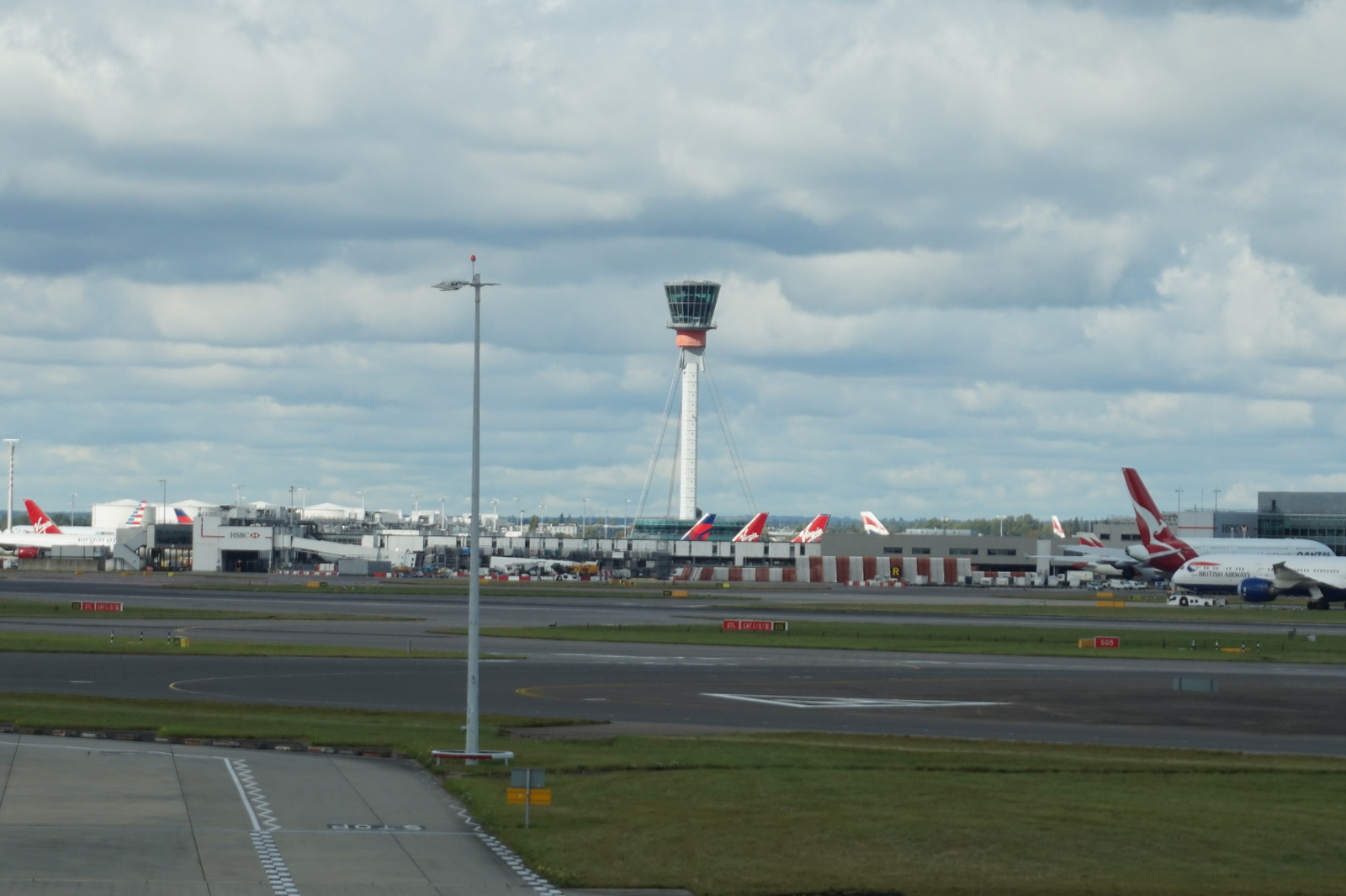
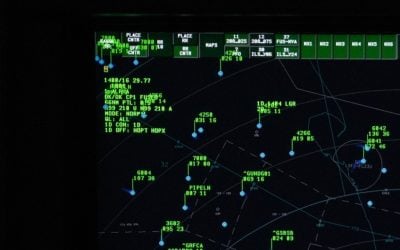
Before an aeroplane enters British airspace, its flight plan has already been through a machine. The system takes the filed route, works out where the aircraft will cross into UK-controlled airspace and where it will leave, and produces the electronic strip a controller works from. Do that for several thousand flights a day and you have a functioning national airspace.
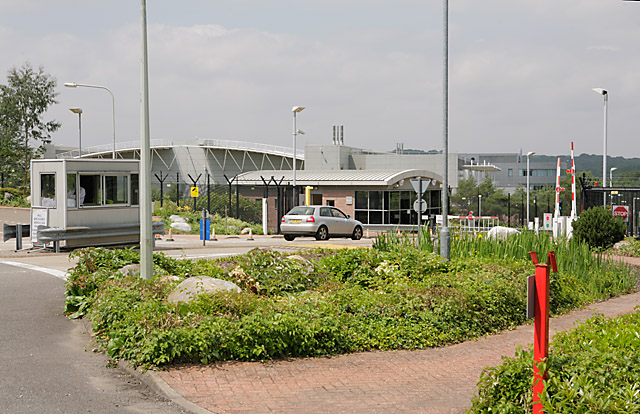
Take it away and controllers must build that picture by hand. Manual processing is entirely safe and desperately slow, so the only lever available is to cut the number of aircraft in the system. That is why an IT fault at a building in Hampshire empties departure lounges in Manchester.
The fault was fixed by Wednesday. The disruption was not, because by then aircraft and crews were in the wrong cities and the rosters underneath them had run out of legal hours. Airlines reported losses in the millions.
Westminster loses patience
Secretary of State for Transport Heidi Alexander summoned NATS chief executive Martin Rolfe to explain what had happened, then told Parliament something rather stronger than the usual expression of concern.
She also said she did not believe the issue was unavoidable, which in the careful vocabulary of transport ministers is close to an accusation. NATS has been given one week to investigate, and has ruled out a cyber attack.
Ryanair's Michael O'Leary, who is not known for careful vocabulary, called for Rolfe to step down and described the outage as an absolute re-run of 2023. Wizz Air's UK chief told Sky News he was beyond angry about what he characterised as systemic failures.
Is it really a re-run of 2023?
NATS says no, and on the technical facts it has a point worth hearing before it is shouted down.
The 28 August 2023 failure was traced to a different sub-system, the Flight Plan Reception Suite Automated, known as FPRSA-R. A single flight plan contained two separate waypoints outside UK airspace that happened to share an identical name. The software found the UK entry point, searched backwards for the exit point, failed to find it in the section it was looking at, and raised a critical exception. Both the primary system and its backup dropped into fail-safe, and manual processing began. The Civil Aviation Authority's independent review of that incident eventually produced 34 recommendations spread across NATS, the regulator, airports, airlines and government.
A NATS spokesperson has said the September 2026 event is not the same issue, and that it affected the flight data system rather than FPRSA-R. That may well be technically correct and it is also, from a passenger's seat in a terminal, entirely beside the point. Twice in three years, a single software fault has taken a substantial share of European airspace capacity offline for a day.
The CAA review will establish the cause. The harder question is the one Alexander gestured at in the Commons: whether a system that fails this way, this often, is one that anybody should still describe as resilient.
Foire aux questions
What caused the NATS failure in September 2026?
How many flights were cancelled in the September 2026 UK air traffic control outage?
Was the 2026 NATS outage the same as the 2023 one?
Why do flights get cancelled when the computers fail rather than just delayed?
Was anyone in danger during the outage?
Can passengers claim compensation for the NATS cancellations?
Sources: Reuters; ABC News; Cirium; AirlineGeeks; Sky News; UK Civil Aviation Authority NATS Major Incident Investigation Final Report.


0 Comments