
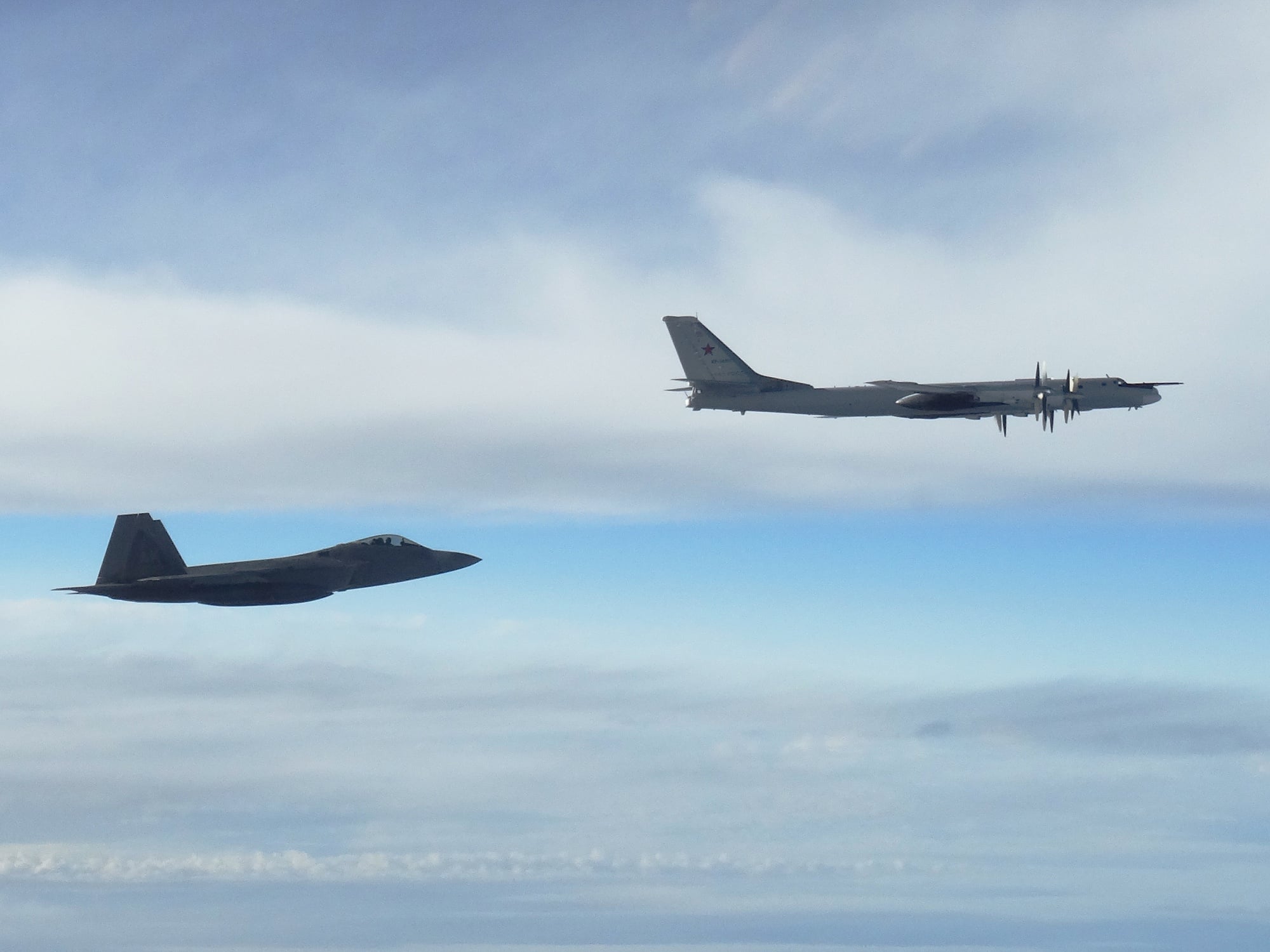
Russia stopped building the Tupolev Tu-95 in 1992 and scrapped the tooling three years later. That single fact is what makes the satellite imagery coming out of Engels-2 worth paying attention to.
On the night of Friday 28 August, Ukraine’s SBU struck the strategic bomber base in the Saratov region, roughly 800 km from Ukrainian-held territory, using a MICH-2000 long-range drone. Imagery published in the days that followed by the OSINT account Exilenova+ and by AviVector showed a Tu-95MS with a large section of its right wing gone.
It was the second Bear photographed damaged at Engels in six weeks. A mid-July strike left another with its tail section severed, documented in Planet Labs imagery published by RFE/RL’s Schemes project on 19 July.
Informations clés
Strike: Night of 28 August 2026, Engels-2 air base, Saratov region, Russia
Attaquant: SBU Special Operations Centre “Alpha”, using a MICH-2000 long-range drone
Dommage: Outer right wing torn away, reportedly outboard of the fourth engine
Statut: Damaged. Assessed by some analysts as likely beyond repair, not officially confirmed
Previous strike: Mid-July 2026, a second Tu-95MS with its tail section severed
Russian acknowledgement: Aucun
Production: Ended 1992. The production line was dismantled in 1995
Remaining Tu-95MS fleet: Contested. Ukrainian intelligence says 38 in service; RUSI estimates 20 to 30, possibly fewer
Ce qui est réellement établi
The strike happened and the wing damage is real and photographed. Beyond that, care is required, because the claim that has travelled furthest is the one with the thinnest support.
The Institute for the Study of War, writing on 28 August, described imagery “purportedly” of Engels-2 showing damage to the right wing of a Tu-95MS. The assessment that the aircraft is permanently written off traces back to a Telegraph report of 9 September citing analysts, and it is not universally shared. Defense Express, which has been among the more technically careful outlets on this war, pointed out that the Operation Spiderweb strikes of June 2025 hit wing roots, whereas this one took the outer wing behind the fourth engine, and that a write-off is therefore likely rather than certain. Their published position is that it would be premature to call the damage necessarily beyond repair.
Russia has said nothing. There has been no Ministry of Defence statement and no comment from the Saratov governor about aircraft damage.
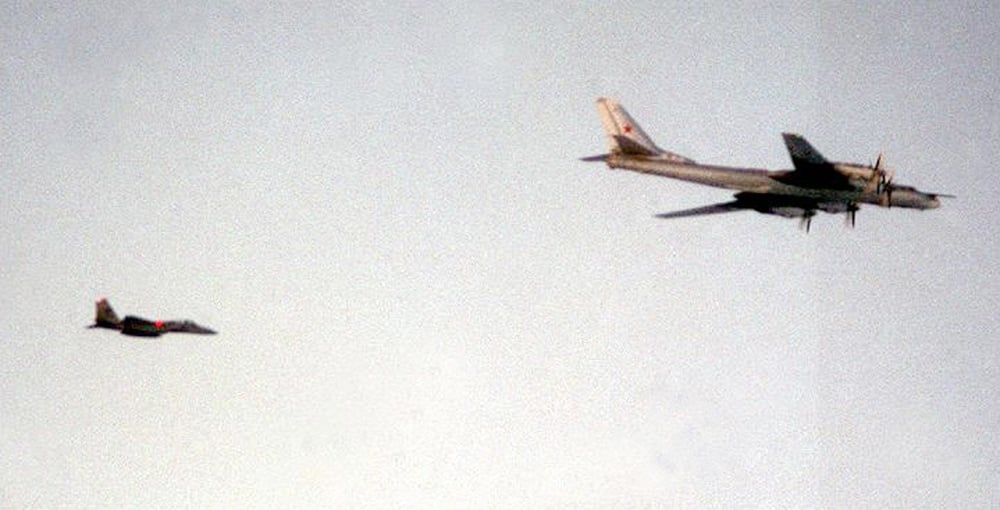
Why a damaged wing matters strategically
The Tu-95MS and the Tu-160 are the only Russian aircraft capable of launching the Kh-101 cruise missile, the weapon at the centre of the long-range strike campaign against Ukrainian cities and infrastructure. Reduce the number of available launch platforms and you reduce the size of the salvo that can be put into the air on any given night.
How many are left is genuinely disputed. Ukrainian defence intelligence put the figure at 38 Tu-95MS in service in late August, alongside 13 Tu-160s. Defense Express counts 47 on paper with around ten not mission capable. Justin Bronk’s colleague at RUSI, Robert Tollast, has suggested the real operational number may be between 20 and 30, possibly fewer. Take any single figure with caution; nobody outside Russia has a clean count.
The cumulative tally is equally messy. Oryx, which only records visually confirmed losses, lists at least ten Tu-95 losses before the two Engels aircraft. Operation Spiderweb, the June 2025 drone attack on multiple Russian bases, accounts for roughly eight or nine of those. At Engels specifically, two aircraft have now been photographed damaged.
A Tu-95MS starting up and taking off. The contra-rotating propellers make it one of the loudest aircraft ever built, and reportedly detectable by submarine sonar.
The repair bottleneck
Even if the aircraft is repairable, repairing it is not simple. Only the 360th Aircraft Repair Plant at Ryazan and the Beriev facility at Taganrog can perform heavy work on the type, and both have finite throughput. Every Bear pulled out of the line for structural repair is a Bear not flying missions, which produces much the same operational effect as a write-off for as long as the work takes.
That is the quieter point behind the headline. Ukraine does not need to destroy Russia’s strategic bomber fleet. It needs only to keep putting aircraft into a repair queue that cannot be expanded, attached to a production line that no longer exists.
Sources: aeroTELEGRAPH; The Telegraph via UNITED24 Media; Institute for the Study of War; Defense Express; Militarnyi; Defence Blog; Exilenova+; RFE/RL Schemes.

0 Comments