
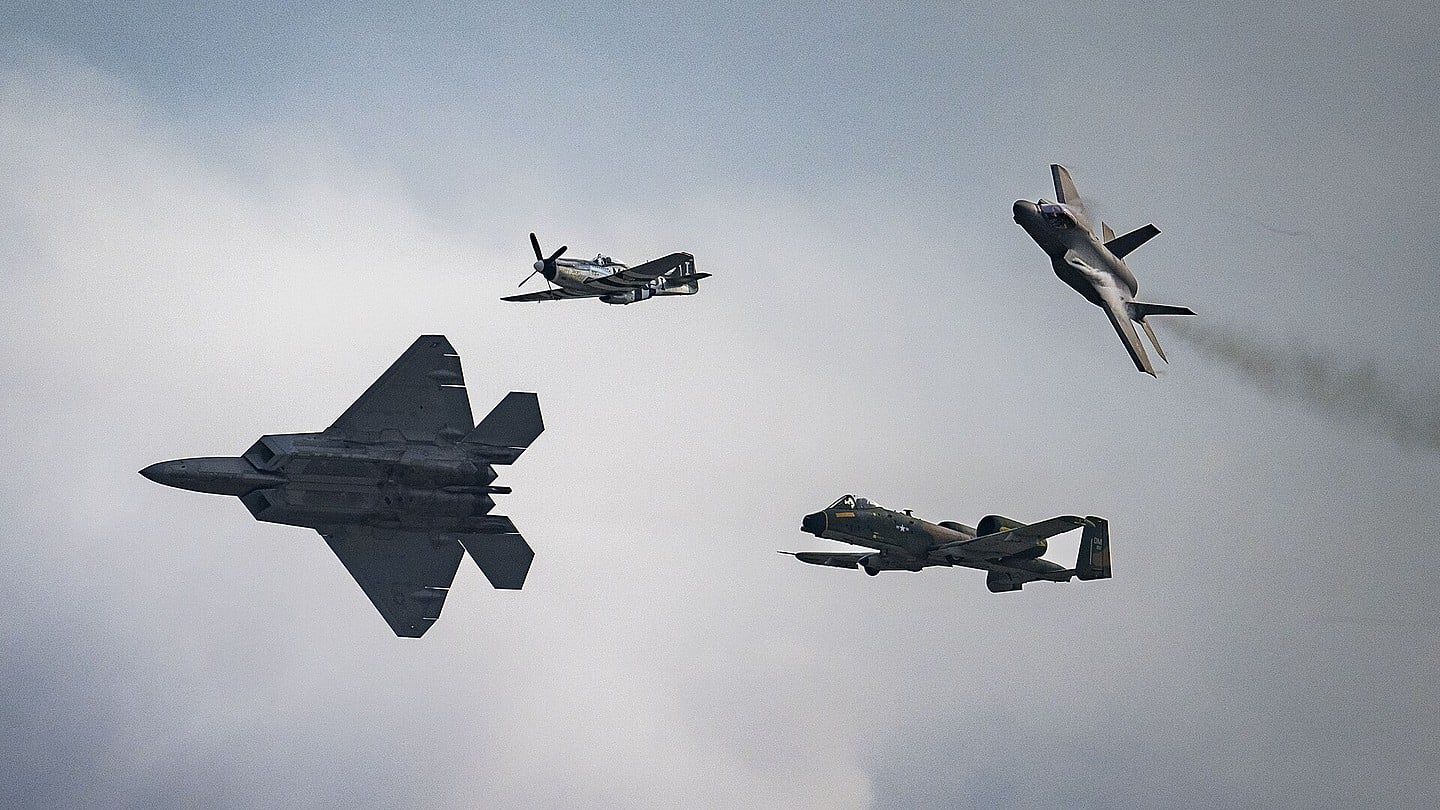
Seventy-nine years ago today, the United States stopped treating air power as something the Army did on the side.
On 18 September 1947 the National Security Act came into force and the United States Air Force became a service in its own right, with its own secretary, its own budget and its own seat at the table. It had taken four decades of argument to get there.
Informations clés
| Date of independence | 18 September 1947 |
| Legislation | National Security Act of 1947, signed by President Harry S. Truman on 26 July 1947 |
| First Secretary of the Air Force | W. Stuart Symington, sworn in 18 September 1947 |
| First Chief of Staff | General Carl A. Spaatz, from 26 September 1947 |
| Previous identity | United States Army Air Forces |
| Also created by the same Act | The Department of Defense, the CIA and the National Security Council |
| Age today | 79 |
Written into law in one sentence
The job description the new service was given is worth reading, because it is still on the statute book. Section 208(f) of the Act is remarkably terse about what an air force is for.
Two words in there did the real work. Prompt et sustained. Prompt means you do not wait for a ground commander to ask. Sustained means you keep doing it for as long as the war lasts. Between them they describe an independent service rather than an aerial support arm, and that is precisely what the Army had spent thirty years resisting.
The Act that created almost everything
The National Security Act of 1947 is one of the most consequential pieces of American peacetime legislation ever passed, and the Air Force was only part of it. The same law created what became the Department of Defense, established the Central Intelligence Agency, and set up the National Security Council.
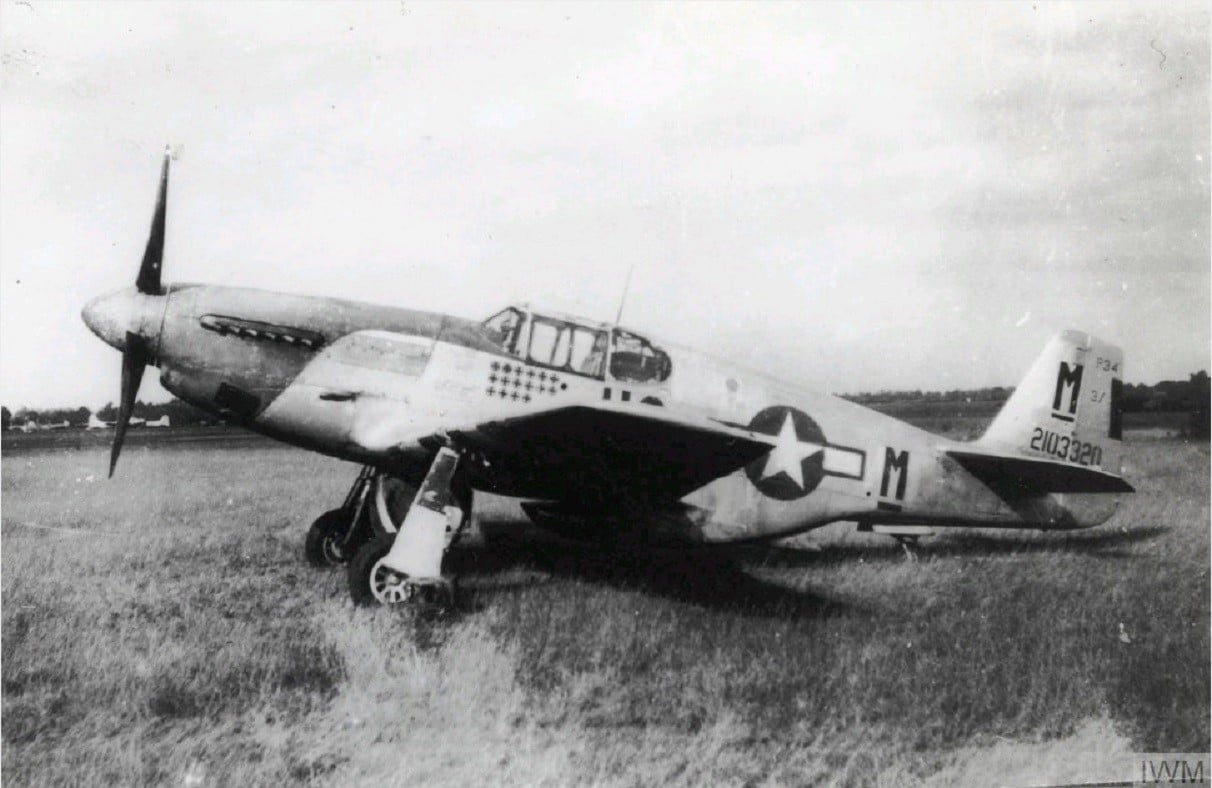
Truman signed it on 26 July 1947. The Air Force itself came into existence when the Act took effect on 18 September, the day W. Stuart Symington was sworn in as its first Secretary. Symington had been Assistant Secretary of War for Air and had driven the unification fight through Congress.
General Carl Spaatz, who had commanded the strategic bombing campaign against Germany, became the first Chief of Staff eight days later, on 26 September.
Seventy-nine years in one photograph
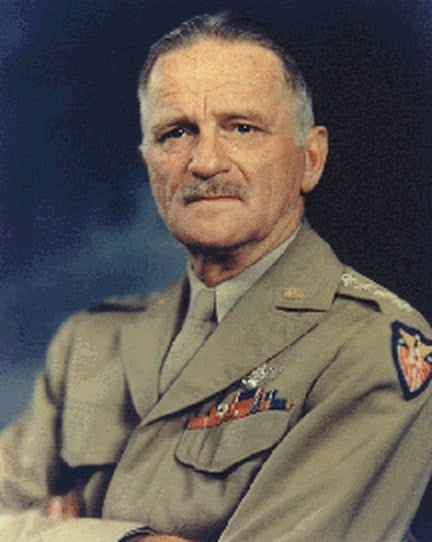
The service that exists today would be barely recognisable to the men who stood up in 1947, and completely recognisable at the same time. The aircraft changed beyond imagining. The argument did not.
The USAF spent the 1950s building a nuclear bomber force, the 1960s discovering that it had forgotten how to dogfight, the 1970s building the F-15 et F-16 in response, the 1990s learning what stealth was worth, and the last two decades arguing about whether the next fighter should have a pilot in it at all.
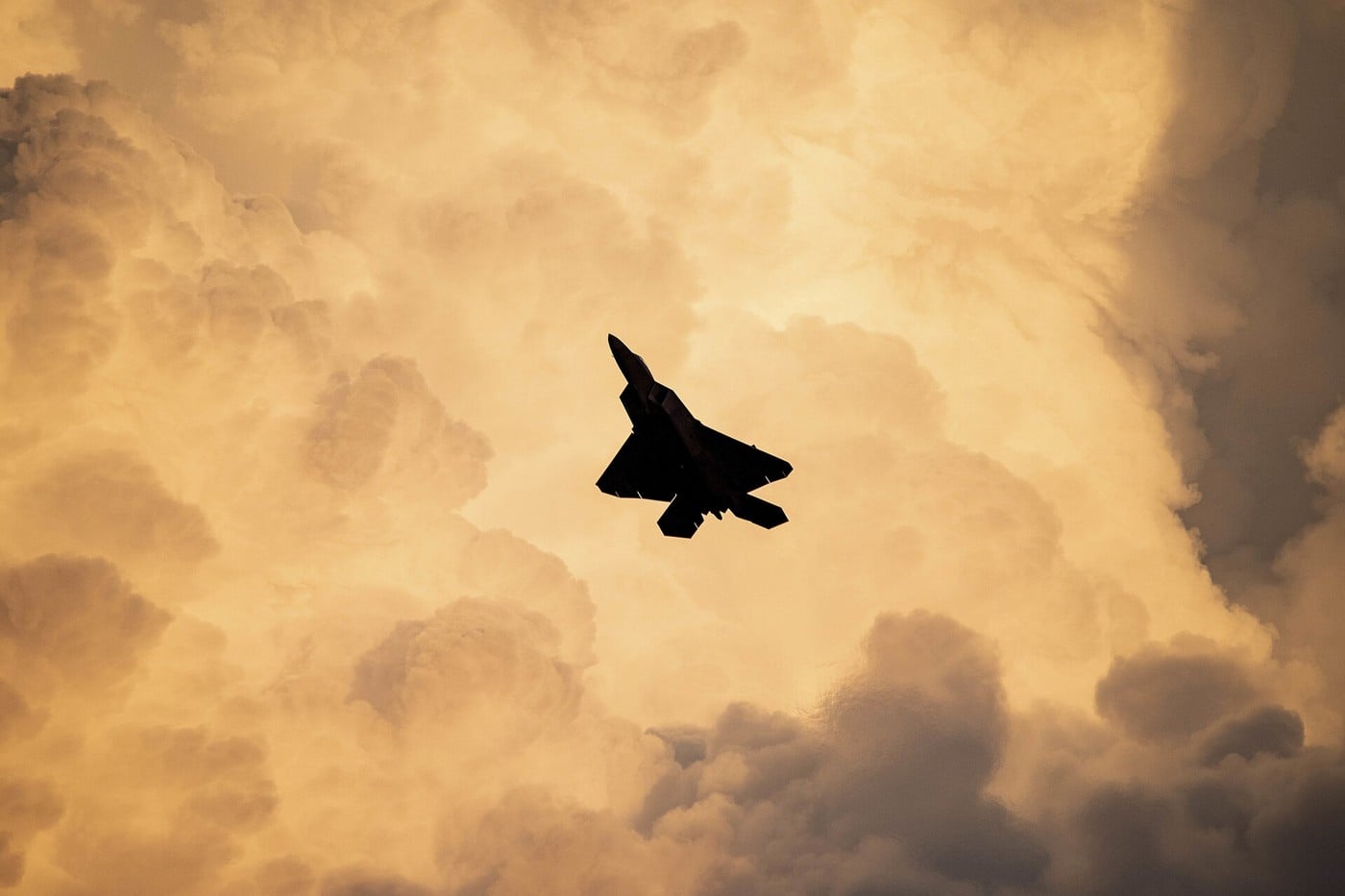
That last argument is live right now. This same week the service has been talking about buying a thousand uncrewed fighters, restarting F-16 production, and putting a date on a trainer replacement. Seventy-nine years on, the Air Force is still doing the thing it was created to do: fight for the shape of the next war before anyone knows what it looks like.
A period US Air Force film tracing the service’s first twenty years, 1947 to 1967.
The argument that never ended
Independence was never really about organisation charts. It was about whether air power is a supporting weapon or a decisive one, and that question has never been settled to anyone’s satisfaction. Every generation of airmen has re-fought it with different aircraft.
Which is, in a way, the point. A service founded on a contested idea is obliged to keep proving it. Seventy-nine years in, the United States Air Force is still making the case, and still flying the Mustang alongside the Raptor at airshows to remind everyone where it came from.
Sources: National Security Act of 1947 (Public Law 80-253); 10 U.S.C. § 9062; Air Force Historical Support Division; Air & Space Forces Magazine.
0 Comments