
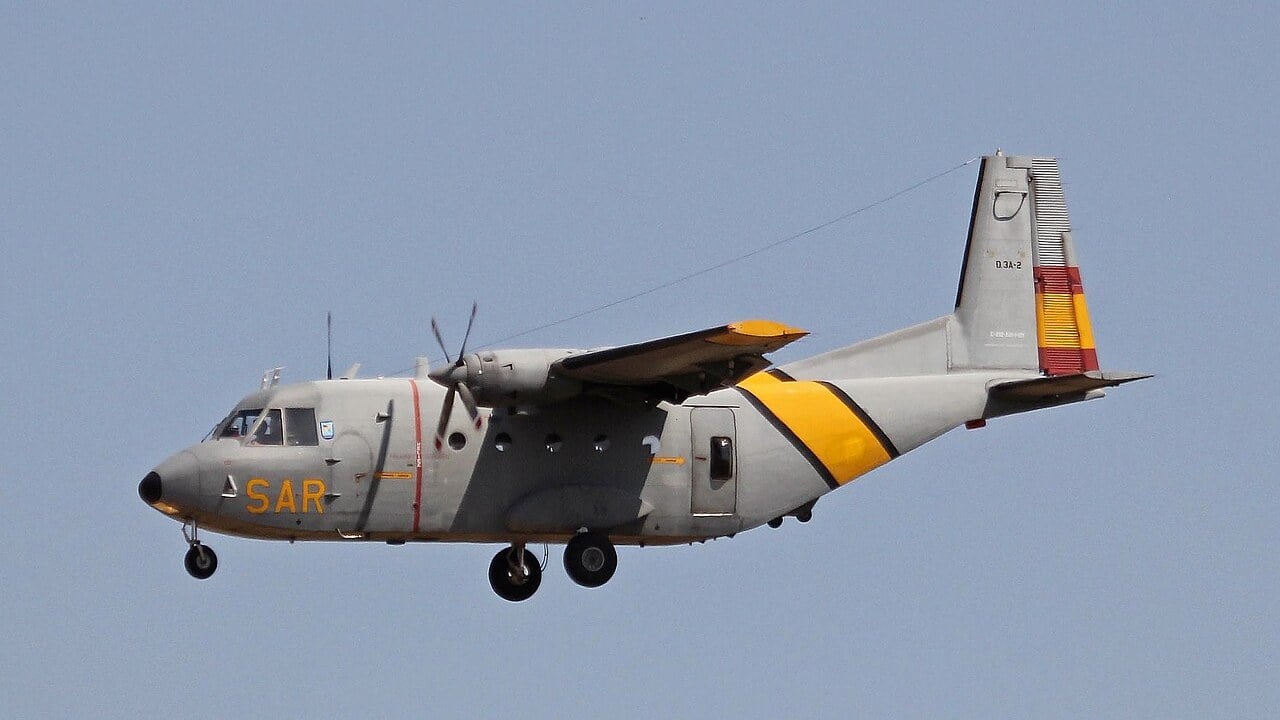
At the end of December 2004, two bright red-and-white twin turboprops on skis crossed 3,400 kilometres of the Southern Ocean from Hobart and touched down on the ice in Antarctica. Their names were Ginger and Gadget, after two of explorer Douglas Mawson’s dogs, and they were about to become Australia’s first dedicated Antarctic aircraft.
They were not purpose-built polar machines. They were CASA C-212 Aviocars, a boxy little Spanish transport designed in the late 1960s to replace ageing piston aircraft in the Spanish Air Force. By then, the type had already flown paratroopers, airline passengers, cargo, surveillance radars and skydivers on every continent. Antarctica just completed the set.
Informations clés
- Taper: CASA C-212 Aviocar, twin-turboprop STOL light transport
- Premier vol : 26 March 1971
- Premières livraisons : Portuguese and Spanish air forces, October 1974
- Moteurs : Two Garrett (later Honeywell) TPE331 turboprops
- Mise en page: High wing, unpressurised box fuselage, fixed tricycle gear, rear ramp
- Built in Spain: 477 for 92 operators; last delivered 28 December 2012
- Licence production: IPTN / PT Dirgantara Indonesia, Bandung (NC212); now sole producer
- In service (2012): 290 aircraft in 40 countries
Spain builds its own airlifter
Construcciones Aeronáuticas SA, better known as CASA, was founded in 1923 and spent much of its early life building other people’s designs under licence: Breguet biplanes, Bücker trainers and, from 1940, the Merlin-engined CASA 2.111 version of the Heinkel He 111. Le C-212 Aviocar was its chance to sell a home-grown product to the world, and it became the company’s biggest sales success. The brief was simple: a small, tough, twin-engined transport that could carry troops, cargo, stretchers or paratroopers and fly from short, rough strips.
The answer looked like a flying shoebox. It had a high wing, a square-section fuselage, a conventional tail, fixed tricycle landing gear and, crucially, a rear loading ramp under the upswept tail. Two Garrett TPE331 turboprops provided the power. The cabin was not pressurised, which kept it simple and kept it low, typically below 10,000 feet.
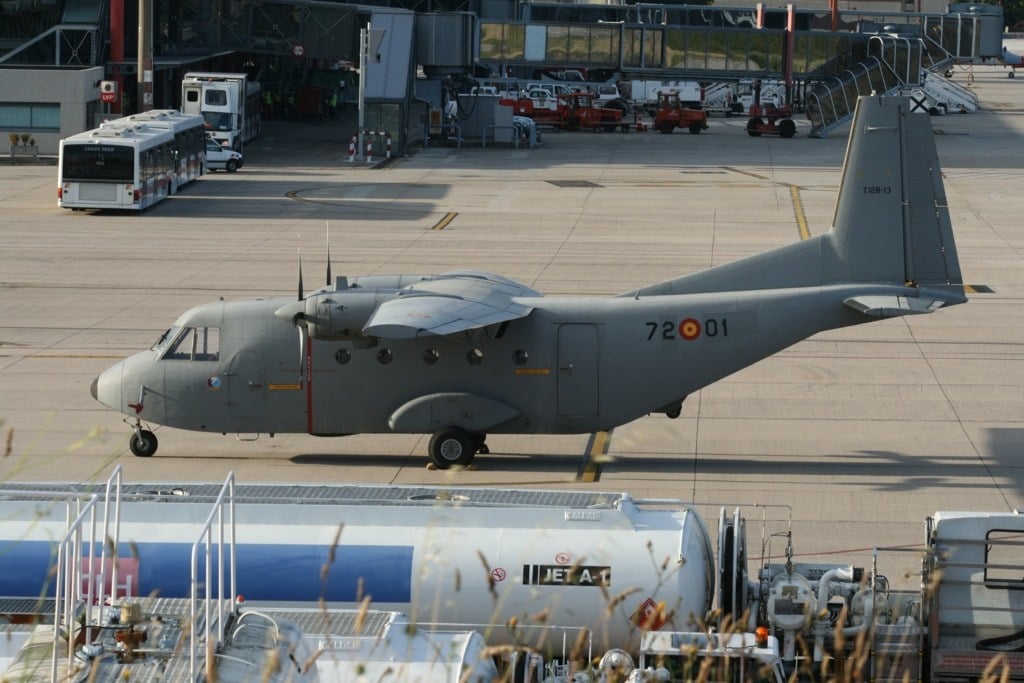
The first prototype flew on 26 March 1971. The first deliveries went to the Portuguese Air Force and the Spanish Air Force in October 1974, and the Spanish Air Force went on to use the type for transport, medical evacuation, navigation training, photo reconnaissance and maritime patrol.
Each role got its own Spanish designation. Transports were T.12s, medical evacuation and search and rescue aircraft were D.3As, the photo-reconnaissance conversions TR.12As and the navigation trainers TE.12Bs. The same basic airframe did all of it, which was exactly the point: one simple, cheap-to-run aircraft that could be reconfigured rather than a fleet of specialists.
Archive cockpit footage of a CASA C-212 Aviocar taking off, flying and landing, from the Asociación Amigos del Museo del Aire.
Robust, simple and everywhere
Airlines and other operators followed the military customers. CASA developed a civil version, then a stretched 200 series, a 300 series with winglets and a reshaped nose, and finally the C-212-400 with a glass cockpit, which first flew in 1997. The 300 series also gained winglets, a larger fin and a nose baggage compartment that gave it a more streamlined profile, while the 400 moved its avionics up into the nose. Each step kept the same basic formula: short take-off and landing performance, rugged gear and a cabin you could load from the back.
By the time production ended in Spain, the numbers spoke for themselves. When the last Spanish-assembled aircraft, a C212-400 for the Vietnam Marine Police, was handed over on 28 December 2012, the Seville line had produced 477 aircraft for 92 operators over 42 years. According to Airbus Military, 290 were still in service in 40 countries, led by Indonesia with 70, the United States with 37 and Spain with 26.
Airbus Military’s farewell release summed up the range of jobs the type had done, from plain transport to rain-making, sophisticated surveillance and search and rescue, in every corner of the planet including the Antarctic ice cap. The Seville line itself did not go quiet: it switched its attention to the larger C295 and CN235 and to work on the A400M.
Made in Bandung
Indonesia was the C-212’s most important foreign partner. In the mid-1970s, the Indonesian manufacturer IPTN, today PT Dirgantara Indonesia, obtained a licence to build the aircraft in Bandung, with CASA sending technicians to help set up the line. The simple design made the transfer easier, and the Indonesian-built NC212 became a workhorse for the country’s armed forces and domestic operators across thousands of islands.
Indonesian Aerospace’s own film of the NC212 maritime patrol version, built under the licence that began in Bandung in the 1970s.
The relationship grew deeper. When Airbus Military ended assembly in Seville, production of the type moved entirely to Indonesia, where improved versions are still built under the NC212 name. The partnership also produced a bigger sibling, the CN-235, which in turn led to the C295.
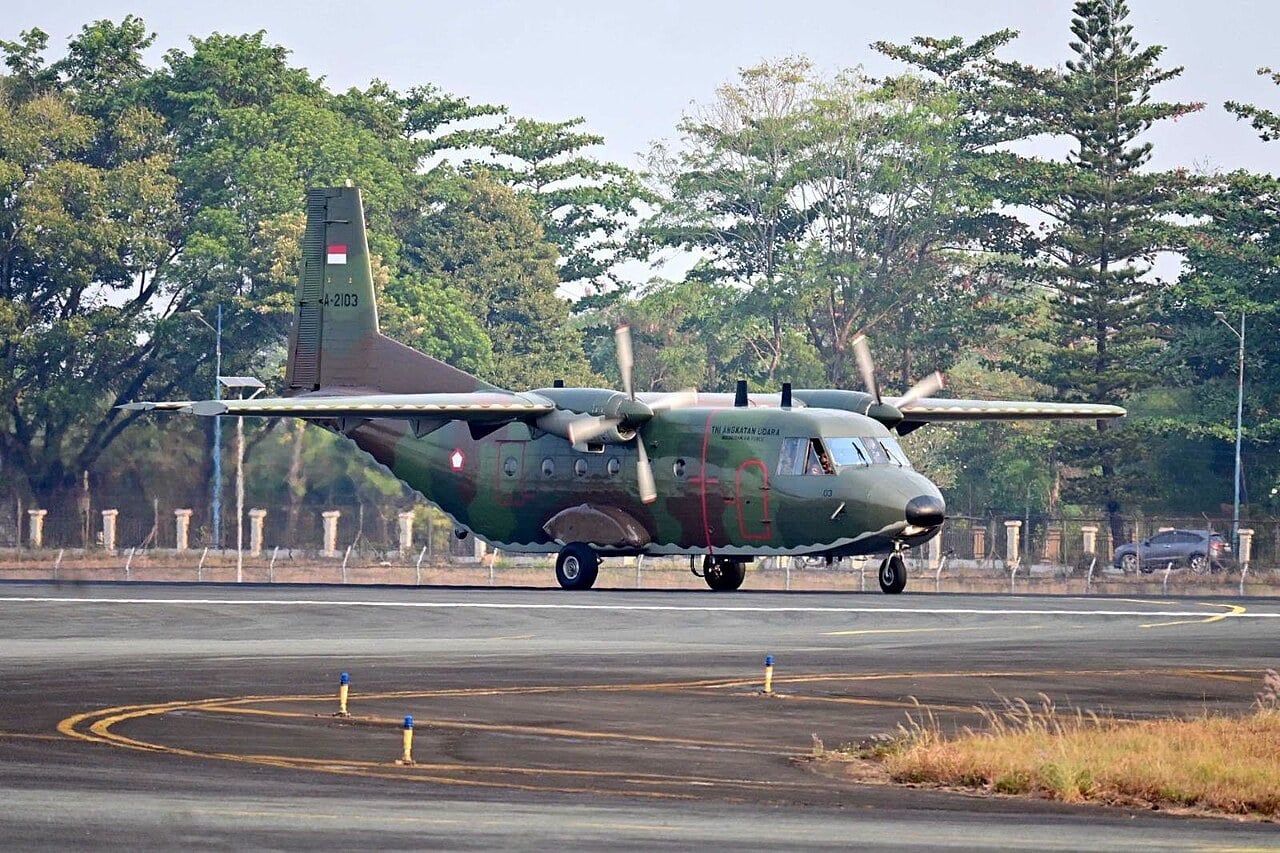
The C-212 also flies some unusual missions in Indonesia. Airbus Military listed rain-making among the type’s roles, and in August 2026 an Indonesian Air Force NC212 was photographed in South Kalimantan preparing for a weather modification operation in response to forest fires.
Ice, skis and the Southern Ocean
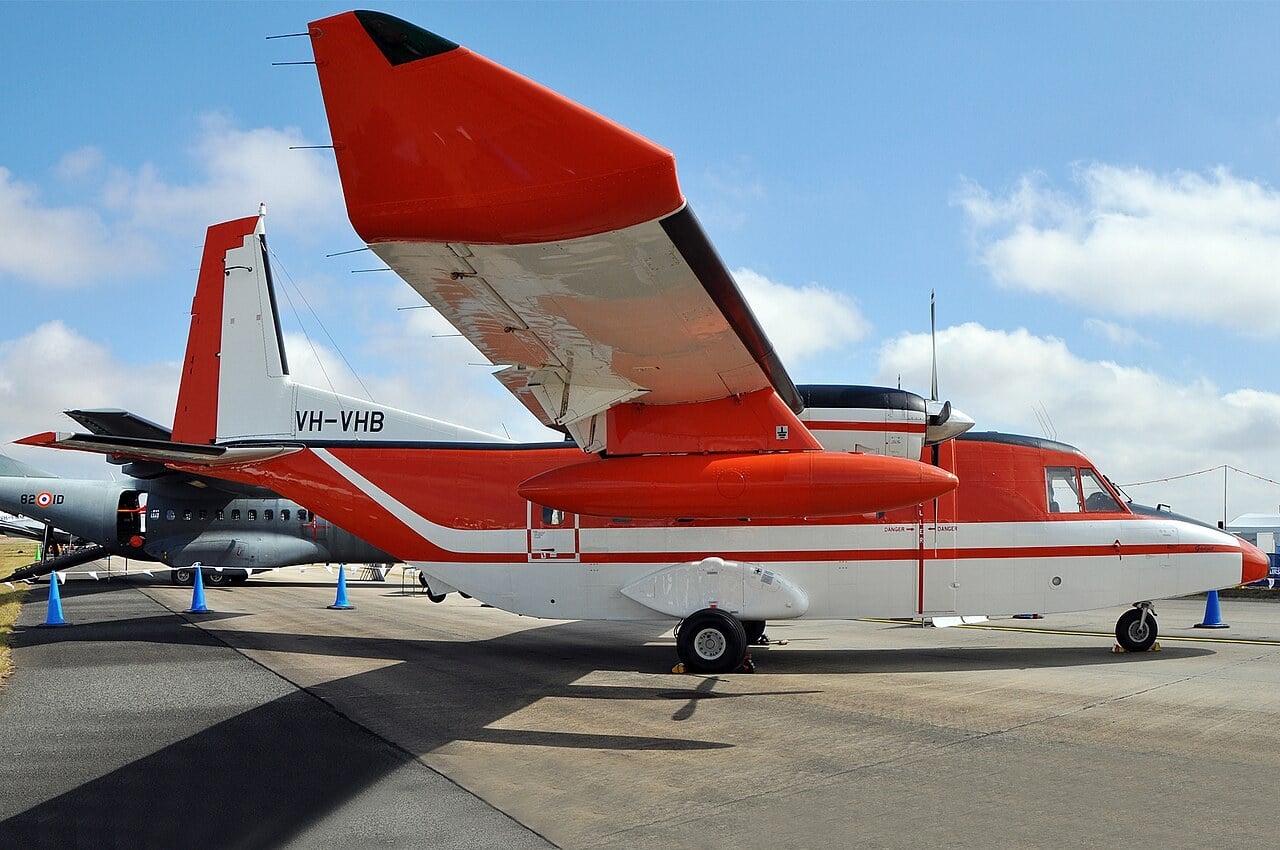
In June 2003, the Australian Antarctic Division signed a 12-year contract with Sydney-based Skytraders to operate two ski-equipped C-212-400s. Their first season, in 2004 and 2005, took scientists and equipment to unprepared snow and ice skiways at deep-field sites up to 500 kilometres inland and linked Australia’s stations at Davis, Casey and Mawson.
The Antarctic Division noted that the C-212 was the first new large ski-equipped aircraft to begin operations in Antarctica in more than 30 years. Its greater payload and range made moving people and equipment much more efficient than with the aircraft used before. The longest flight inside the continent that first season was Casey to Davis, 1,400 kilometres in five and a half hours.
The skydivers’ favourite
Back in warmer skies, the same rear ramp made the C-212 a legend among skydivers. Instead of squeezing out of a side door one by one, a whole group can run off the tailgate together, which opens up big formation jumps. Skydive Paraclete XP in North Carolina describes its C-212 as the “gold standard” of skydiving aircraft, with room for 28 jumpers.
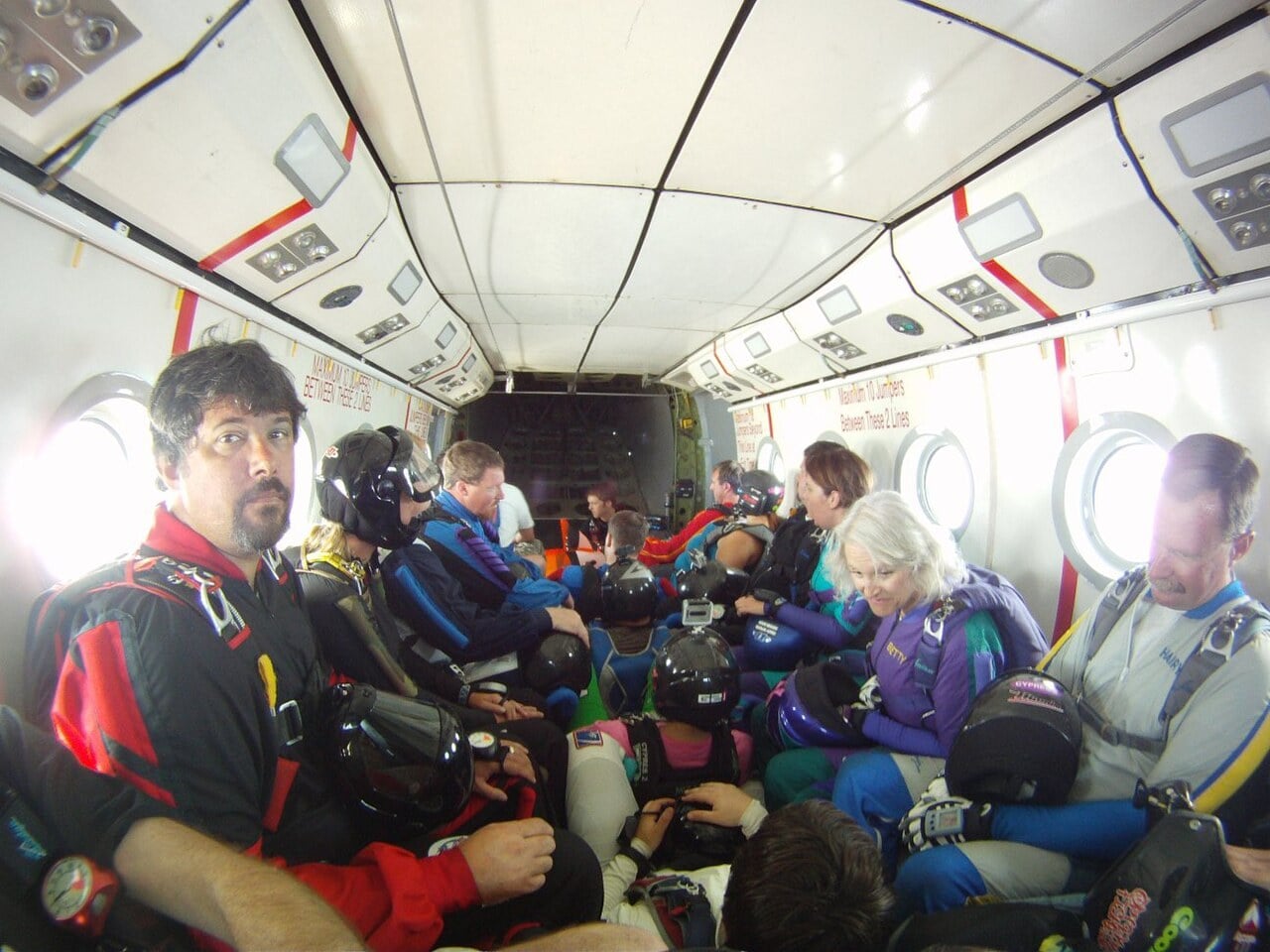
Fifty-five years after its first flight, the Aviocar is still working: hauling cargo to island airstrips, flying maritime patrols, dropping skydivers and, in Indonesia, still being built. It was never fast or glamorous. But for a country building its first home-grown transport, Spain got the box exactly right.
A skydiving group running off the rear ramp of a CASA C-212, the exit that made the type a dropzone favourite.
Sources: Airbus Military (via SLDinfo), AIN, Australian Antarctic Division, Skydive Paraclete XP, Indonesian Aerospace, Wikipedia (CASA C-212 Aviocar)
Header photo: Ken Fielding / Wikimedia Commons, CC BY-SA 3.0
0 Comments