
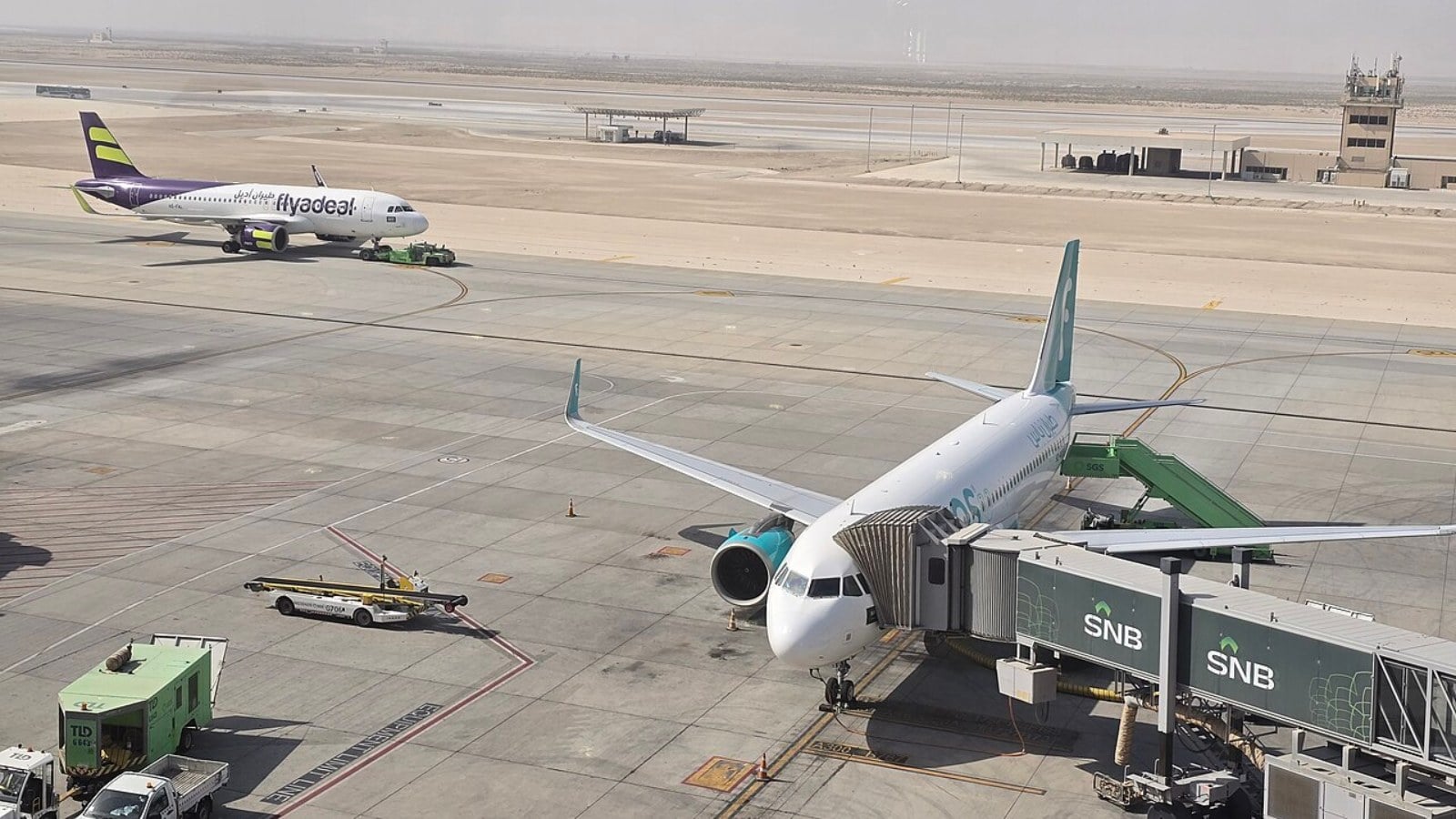
Airports are built for the most ordinary moments in a life: a worker flying home on leave, a family waiting at arrivals, a farewell at the security line. On the evening of 21 October 2026, an attack on King Fahd International Airport in Dammam turned those moments into a casualty count.
Saudi Arabia’s General Authority of Civil Aviation (GACA) first reported one person killed and eight injured in the Dammam airport attack. By Thursday it had revised the toll to two dead — a Saudi citizen and an Indian resident — with injuries ranging from minor to critical. Flights have since resumed. The fear will take longer to clear.
On the same day, Washington ordered non-emergency US government staff and their families out of Saudi Arabia. In the kingdom’s airports, the war is no longer something that happens to other people.
Informations clés
Quand: Evening of Wednesday, 21 October 2026
Où: King Fahd International Airport (DMM), Dammam, Eastern Province
Victimes: 2 killed, 8 injured (GACA, revised from an initial 1 killed)
Arme: Not specified by Saudi authorities
Réclamer: No verified claim at time of writing
Vols : Operations resumed; GACA says traffic returned to normal
US response: Ordered departure of non-emergency staff and families, 21 October
Two dead, eight hurt, and a revised count
GACA’s first statement, carried by the Saudi Press Agency in the early hours of 22 October, said one resident had been killed and eight people injured, all taken to hospital. It added that “the attack also caused property damage, the extent of which is currently being assessed.”
A follow-up statement raised the death toll to two. Gulf News, Khaleej Times and This is Beirut report the same breakdown of the wounded: one Saudi citizen, two Indian residents, two Yemeni residents, two Bangladeshi residents and one Nepali resident. Early reports differed, with some outlets running one death and others two, a sign of how fast the figure moved overnight.
Read that list again and the human shape of this war comes into focus. Most of the people hurt at Dammam were not soldiers or officials. They were expatriate workers and their families, the people who keep the Eastern Province’s refineries, hospitals and shops running, and for whom the airport is the only road home.
Who fired, and with what?
Saudi authorities have not said what weapon was used in the Dammam airport attack. The Saudi-led coalition’s spokesman, Maj. Gen. Turki al-Malki, said four drones were intercepted and destroyed over the Eastern Province overnight, but did not link them to Dammam. At the time of writing, Afterburner could not find a verifiable claim of responsibility for the 21 October strike.
Hours earlier, a drone aimed at Aramco’s Shaybah oilfield was intercepted. Saudi Arabia’s energy ministry said falling debris killed two people, a Filipino and a Nepali, and injured two others. It did not say who launched the drone.
The context points one way. Dammam was already hit once this month: on 11 October, the Houthis claimed a strike on the same airport, and GACA confirmed damage assessments were under way. The Iran-backed group has turned Saudi airports into a front line since a Saudi-backed Yemeni government offensive began in early October.
An airport war
Riyadh’s King Khalid International has suffered the most. Saudi authorities said a strike there on 10 October killed at least 12 people and injured more than 300, according to The National and Al Jazeera. Jazan, Najran and Abha airports in the south were hit in the first week of the month.
Airlines have voted with their schedules. Al Jazeera reported suspensions by carriers including Lufthansa, Air France-KLM, Etihad, Delta and Qatar Airways. According to Gulf News, Lufthansa and Air France have cancelled flights through mid-November, and Riyadh’s airport has only partially reopened, with Saudia and flynas flying.
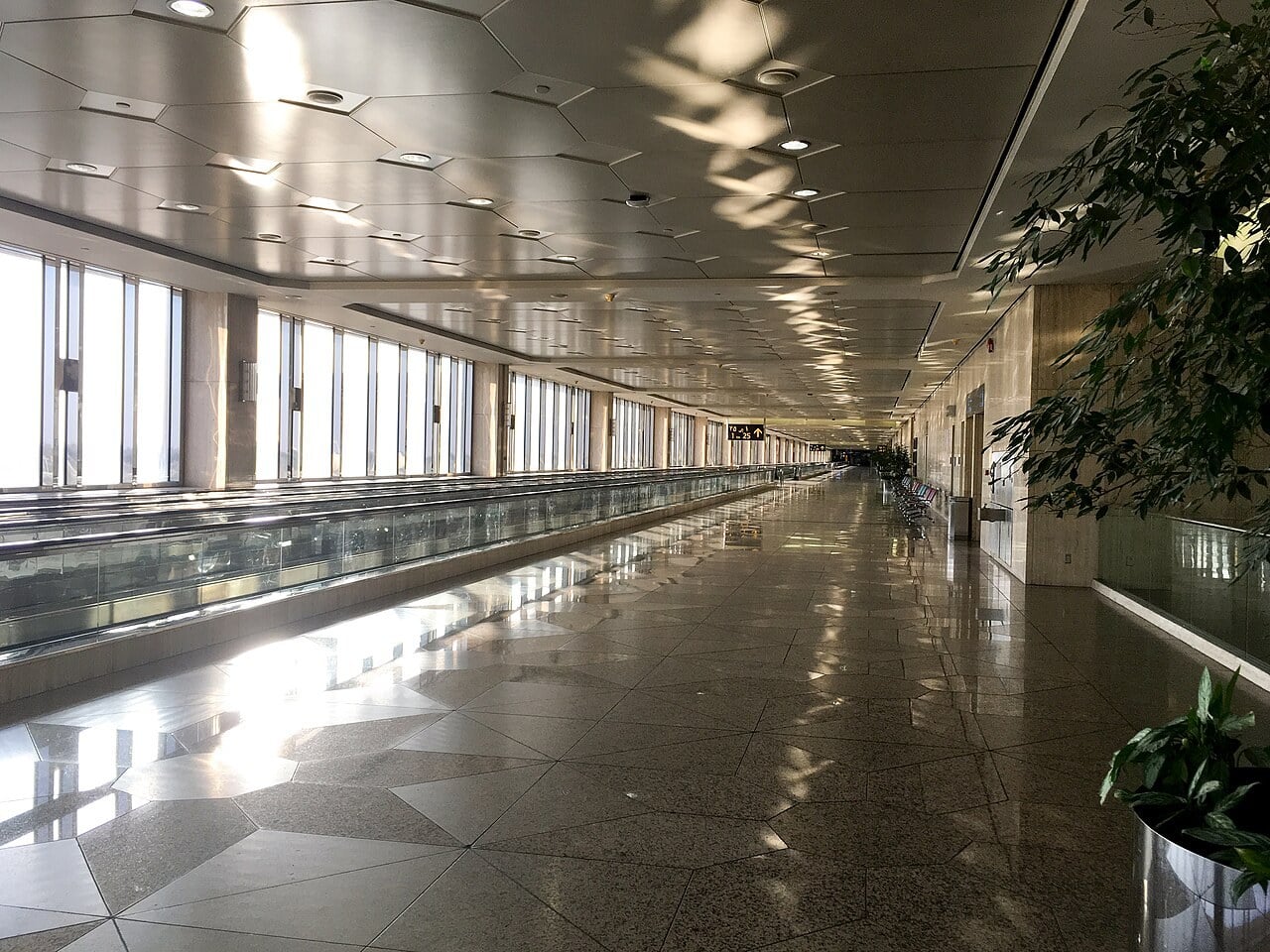
Against that backdrop, GACA’s announcement that operations at Dammam had resumed and air traffic was back to normal is both reassurance and defiance. King Fahd International is the Eastern Province’s gateway and the largest airport in the world by land area. Shutting it for long is not an option the kingdom wants to consider.
Washington pulls families out
The US State Department’s spokesman, Tommy Pigott, confirmed the order on X on 21 October, rejecting reports that it covered the whole Gulf. It applies to non-emergency government employees and their family members in Saudi Arabia — according to the Associated Press, at the embassy in Riyadh and the US consulates in the kingdom. Pigott cited what he called “Iranian-supported Houthis” and their growing attacks on Saudi Arabia.
For the people inside those missions, an ordered departure is not optional. It is mandatory, and for families it means packing up a life at short notice and leaving through the same airports the war has put in its sights.
The Dammam airport attack shows what the war has become: a contest fought partly in departure halls. Each strike tests whether air defences can protect places built for crowds, and whether passengers will keep coming back.
For the expatriate workers who make up so much of the Eastern Province, there is no ordered departure and no embassy flight. There is only the next booking, and the hope that the sky above the terminal stays empty.
Sources: General Authority of Civil Aviation (via Saudi Press Agency), Gulf News, Khaleej Times, This is Beirut, Al Arabiya, The Jerusalem Post, Al Jazeera, The National, Anadolu Agency, Yemen Monitor, US Department of State, Wikipedia
0 Comments