
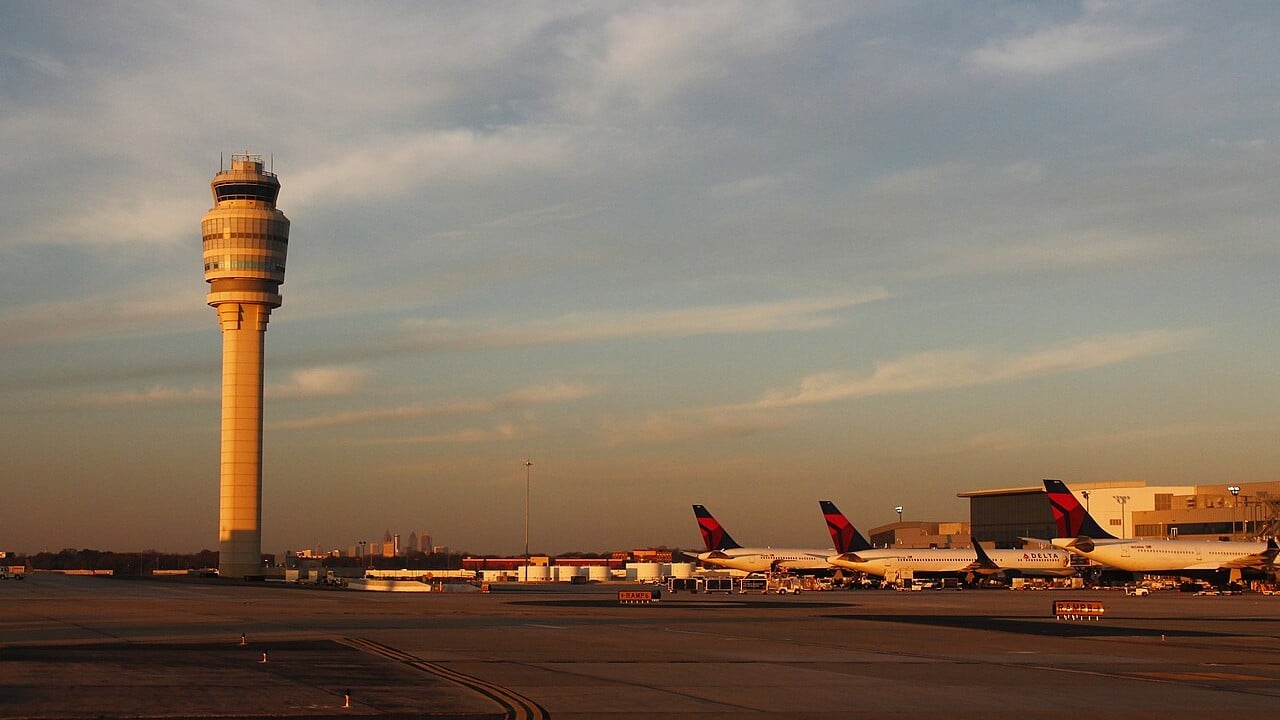
America's air traffic controllers are finally getting the raise Congress approved for them in April. On Friday, 16 October, the US Department of Transportation and the National Air Traffic Controllers Association (NATCA) announced a deal that releases a 2.8 percent pay increase, backdated to the start of the year.
The money comes with strings. In return, controllers will badge in and out of their facilities, shifts will be built around forecast workload, and reassignments will target the facilities where staffing is thinnest. It ends a stand-off that had left an overstretched workforce waiting months for money lawmakers had already voted for.
Informations clés
- Raise: 2.8 percent
- Takes effect: 18 October 2026, retroactive to the start of the year
- Annoncé : 16 October 2026 by the Department of Transportation
- Parties: FAA and the National Air Traffic Controllers Association (NATCA)
- Approved by Congress: Avril 2026
- Conditions: Badge-in and badge-out, workload-based shift guidelines, reassignments to understaffed facilities
What controllers agreed to
According to the Transportation Department, controllers will now be required to badge in and badge out of their facilities. Local managers and union representatives will draw up shift guidelines based on forecast workload and operational needs, to maximise coverage at peak traffic hours. Controller reassignments will focus on the locations where staffing needs are most severe.
The department says the changes will improve controllers' quality of life, maximise coverage and make better use of the FAA's existing workforce. NATCA president Nick Daniels said in a news release that the increase reflects the vital role controllers play in keeping the nation's skies safe, and that fair pay and better working conditions are essential to keeping an experienced workforce.

Why the raise took so long
The legislation Congress passed in April gave the FAA administrator sole discretion over releasing the money once he judged that certain scheduling and staffing improvements had been made. Bedford used that discretion to hold out for a broader deal. In September, two Democratic senators urged the FAA to stop withholding the raise, arguing that the conditions in the law did not set a high bar, and lawmakers pressed Bedford on why the increase had not been paid.
Bloomberg reported that the talks covered ideas such as staggering shifts to create more overlap at busy times and limiting leave on historically high-traffic days, and that Bedford had previously said he wanted controllers to spend five hours of an eight-hour shift actively working traffic, up from four. The announced deal does not mention a specific on-position target.
The delay landed on a workforce already under strain. Controllers have worked through recurring government shutdowns, a long-standing staffing shortage and outages blamed on ageing equipment that the FAA and the Transportation Department are now trying to replace. The raise will not fix any of that on its own. But for the people who keep American airliners apart, it is at least one argument settled.
Business Insider's look at what it takes to work as a controller at Atlanta Hartsfield-Jackson, the world's busiest airport.
Sources: US Department of Transportation (16 October 2026), FLYING Magazine, Bloomberg (via The Spokesman-Review), NATCA

0 Comments