
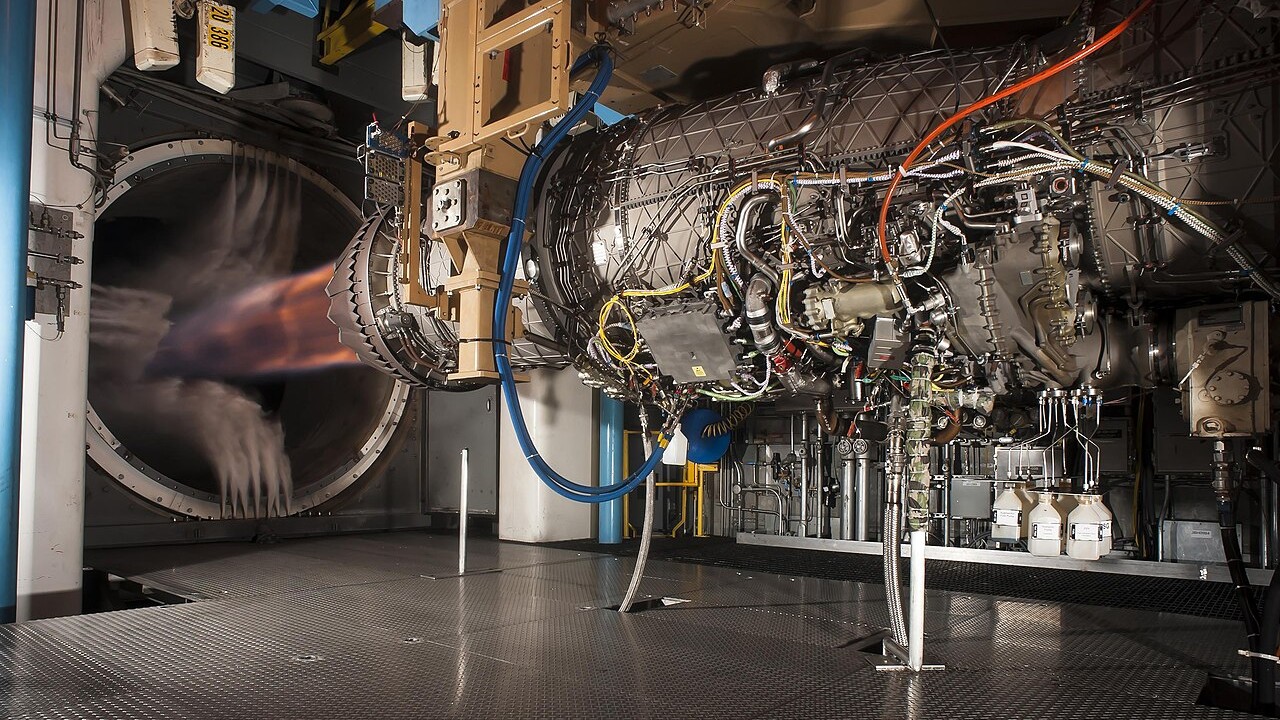
Fifty-eight companies spent the weekend thinking they had won a seat on a $16.1 billion engine contract. On Monday 23 November 2026, the US Air Force told them, and everyone else, that the announcement should never have been posted.
An Air Force spokesperson confirmed to Breaking Defense that the 20 November award notice for the Advanced Propulsion Acquisition Contract, or APAC, was published in error. The Pentagon then noted the correction in its 23 November list of contract announcements. The award has not been made. The Air Force says it still intends to make it.
For three days, a $16.1 billion engine contract existed on the Pentagon’s own contracts page, was picked up by trade outlets and was analysed by Afterburner. Then it quietly stopped existing, at least for now.
Informations clés
- Contracter: Advanced Propulsion Acquisition Contract (APAC), US Air Force
- Plafond: Up to $16.1 billion, IDIQ, through 2041
- Annoncé : 20 November 2026 in the Pentagon’s daily contracts list
- Retiré: 23 November 2026: Air Force says the notice was posted in error; Pentagon noted the correction
- Statut: Not yet awarded; the Air Force says it still plans to award it
- Vendors: 58 planned for selection so far, according to the Air Force
- Initial payment: $1,000 each, to support a post-award orientation conference (once awarded)
What was announced, and what was withdrawn
On Friday 20 November, the Pentagon’s daily contracts roundup listed a multiple-award contract for advanced propulsion work with a ceiling of $16.1 billion, running to 2041, and named 58 companies, from start-ups to the big engine primes. Each was to receive a token $1,000. Afterburner reported that announcement on 21 November, as did Breaking Defense and other outlets.
That announcement has now been withdrawn. To be clear about our own earlier story: the details we reported were what the Pentagon published on 20 November, but according to the Air Force, that publication was a mistake, and APAC has not yet been awarded.
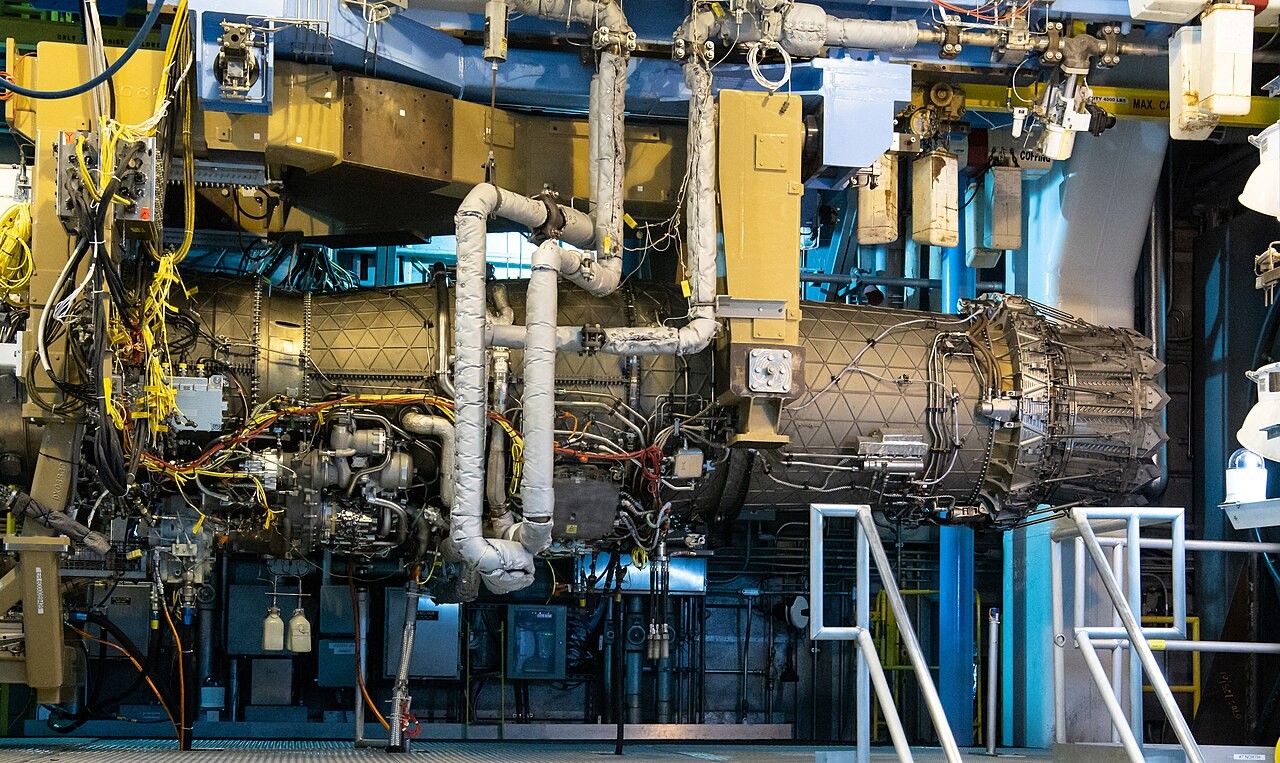
The Air Force did not walk back the plan itself. The spokesperson told Breaking Defense that 58 vendors “so far” are planned for selection, and that the $1,000 each will receive is meant to support their participation in a post-award orientation conference for the winners. The statement, as reported, did not say how the notice came to be posted early or when the real award will be made.
A hunting licence, not a pay cheque
APAC is an indefinite-delivery, indefinite-quantity (IDIQ) contract. That means the $16.1 billion figure is a ceiling, not a promise: the Air Force is not obliged to spend anything like the full amount. The companies in the pool get the right to compete for individual orders as needs arise and money is found.
The service’s statement spells that out. Orders will be competed among the vendor pool once requirements are validated and funded, and the platforms, funding, contract type and pricing will be settled order by order. In other words, nothing in APAC itself commits a dollar to any specific engine.
As we noted on 21 November, the March 2026 solicitation from the propulsion directorate of the Air Force Life Cycle Management Center said the effort had no dedicated funding yet, according to Air & Space Forces Magazine. Whether that has changed is still unclear.
The Air Force Life Cycle Management Center’s own Leadership Log on its propulsion directorate’s work on advanced manufacturing.
Why the engine pool still matters
Engines have become one of the tightest bottlenecks in US airpower planning. The Air Force wants small, cheap powerplants for drone wingmen and missiles, and Breaking Defense notes it is also developing an advanced engine that could power future platforms such as the F-47 stealth fighter. Existing fleets, including the F-35 Lightning II and its F135 engine, need upgrades and sustainment for decades.
APAC is designed to be a fast lane for all of that, covering science and technology, development, testing, production, sustainment and modernisation under one vehicle. When it is finally awarded, it will likely look very much like what was posted on 20 November. For now, though, the 58 companies hold an expectation rather than a contract.
So the 58 companies are back where they were last Thursday: lined up on the grid, engines warm, waiting for a green light that has so far flashed only once, and by accident.
Sources: Breaking Defense, US Department of War contracts announcements (20 and 23 Nov 2026), Air & Space Forces Magazine

0 Comments