
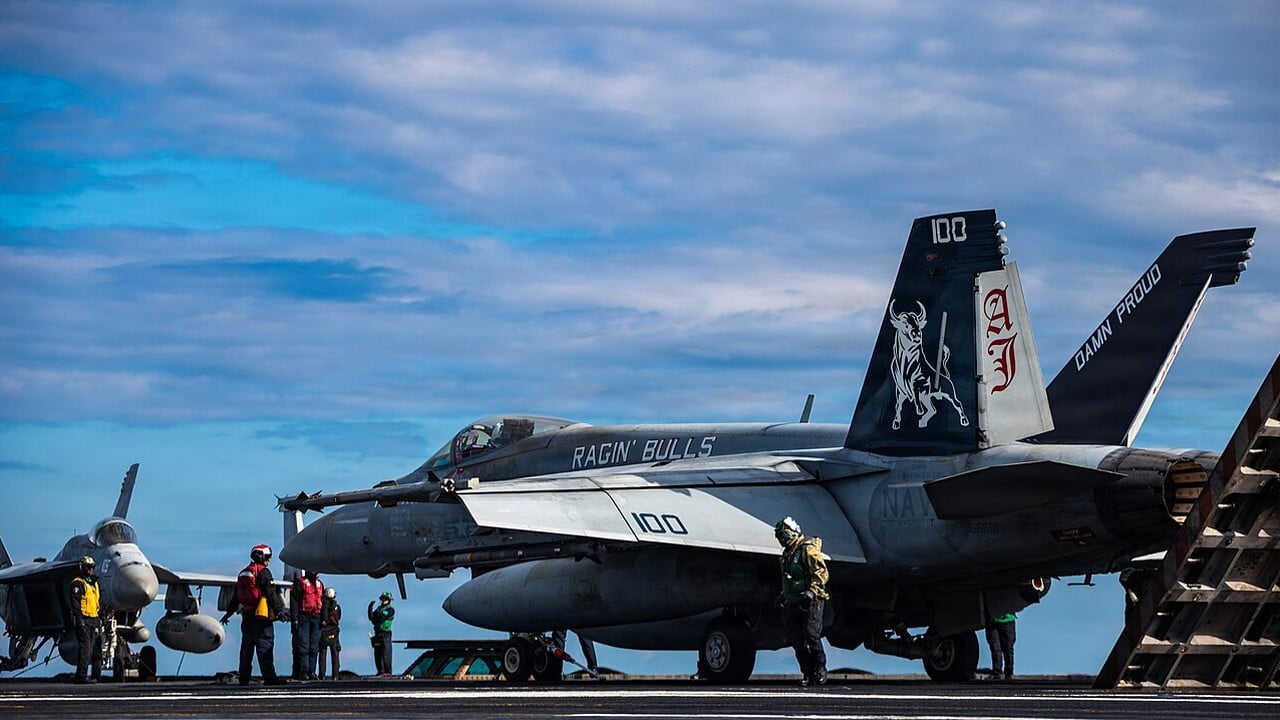
Three months after President Donald Trump ordered the Navy to plan a return to steam, the Republican who chairs the Senate Armed Services Committee has given his answer in a single word: no.
“Secretary Cao, returning to steam is a non-starter, and everybody needs to understand that,” Senator Roger Wicker of Mississippi said on Tuesday 17 November 2026, during the confirmation hearing of Hung Cao to become Secretary of the Navy. Cao has led the Navy in an acting capacity since April.
Informations clés
- Statement: Steam catapults a “non-starter”, said SASC chairman Sen. Roger Wicker (R-Miss.)
- Quand: 17 November 2026, confirmation hearing of Navy Secretary nominee Hung Cao
- Trump order: Memorandum of 13 August 2026 directing a plan to replace EMALS with steam and hydraulic systems
- Ships affected: Future Ford-class carriers such as the future USS Doris Miller
- Appropriators: Senate Appropriations Committee statement of 16 November warns against the redesign and demands a report within 90 days of enactment
- Ford class status: Only Gerald R. Ford in service; John F. Kennedy, Entreprise et Doris Miller behind schedule
What Trump ordered in August
The target of Wicker’s remark is a presidential memorandum released on 13 August 2026. As Senator Tim Kaine summarised it at the hearing, it directs the Secretary of Defense and the Secretary of the Navy to provide a plan for replacing the electromagnetic launch system on aircraft carriers with steam and hydraulic systems. Afterburner covered the order at the time: Trump ordonne à la marine de reprendre du service..
According to Breaking Defense, the directive would apply to Ford-class ships such as the future USS Doris Miller, under construction at HII’s Newport News Shipbuilding. The memo argued that overly complex ship designs and repeated changes had driven up shipbuilding costs and delays, and called for “proven, reliable, and affordable technologies and ship designs.”
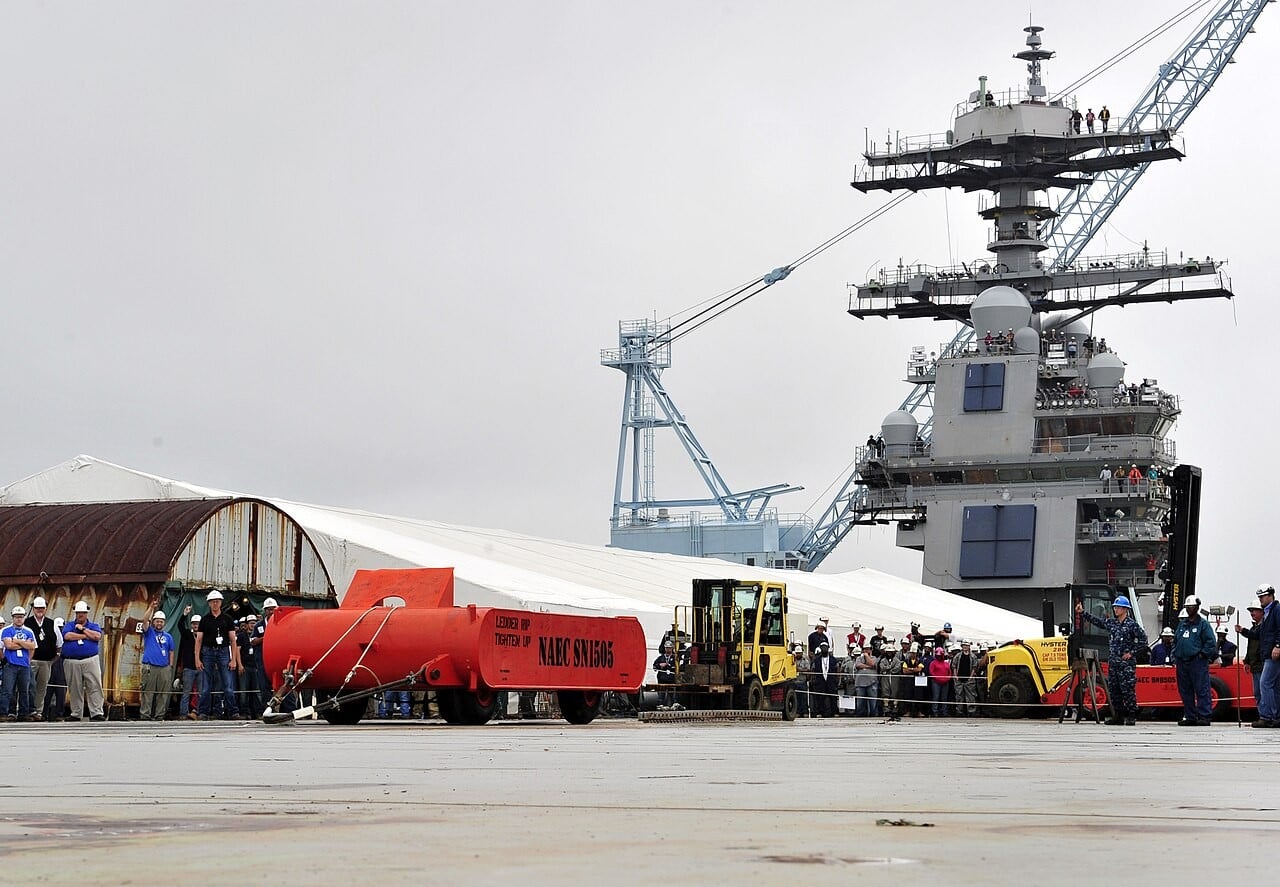
The Ford class was designed around the Electromagnetic Aircraft Launch System (EMALS), the Advanced Arresting Gear and Advanced Weapons Elevators. Those systems have had well-documented reliability problems, but the Navy has consistently argued they are worth the investment because they support higher sortie rates than the steam catapults on the older Nimitz-class carriers. Afterburner explained how the system works in EMALS, AAG et la catapulte qui a réinventé le porte-avions.
The US Navy’s explainer on the Electromagnetic Aircraft Launch System that the Ford class was designed around.
The exchange in the hearing room
Wicker’s comment followed questioning from Kaine, a Virginia Democrat, who said he had recently visited USS Gerald R. Ford and spoken to flight deck sailors who had worked with both steam catapults and EMALS. He said they were “very complimentary” of the electromagnetic system.
Asked whether the US should return to steam, Cao answered by pointing to carrier delays. According to TWZ’s transcript, he said the problems with EMALS and the electromagnetic elevators were delaying carriers by seven years and that the Navy faced a five-year period with only nine carriers. When Kaine asked directly whether that meant he was considering a return to steam, Cao began “No, no” before turning to the elevators, and Kaine interrupted. TWZ notes it is not entirely clear whether Cao meant to voice his own opposition.
Appropriators push back too
Wicker is not alone. A day earlier, on Monday 16 November, the Senate Appropriations Committee released an explanatory statement with its draft fiscal 2027 defense spending bill that took aim at the same plan, TWZ reports.
The committee directs the Navy Secretary to report within 90 days of the bill becoming law, comparing sortie generation rates for steam and electromagnetic catapults, the manned and unmanned aircraft each can launch, the cost of redesigning aircraft not built for the harsher loads of legacy catapults, and the impact on the cost and schedule of Ford-class construction. TWZ points out that EMALS can be tuned more finely than steam, which matters for lighter drones such as the MQ-25 Stingray tanker the Navy plans to fly from its carriers.
A carrier class already behind schedule
Gerald R. Ford is currently the only ship of its class in operational service, and TWZ reports that it flew operations against Iran in March 2026 from a deck fitted with EMALS. The Navy announced the preliminary acceptance of the future USS John F. Kennedy in September, the future USS Entreprise is under construction and a contract has been awarded for Doris Miller. All three are running late.
Redesigning them for steam would mean new piping, different power demands and changes to the ship’s core structure, changes that TWZ and the appropriators warn would add years and billions of dollars. With the chairman of the Senate Armed Services Committee and the appropriators now on record against it, the President’s steam order faces a Congress that controls the money.
PBS NewsHour’s video of Senator Roger Wicker’s opening statement at Hung Cao’s confirmation hearing on 17 November 2026.
Whether the Navy still delivers the plan the President asked for is now a question for Hung Cao, if he is confirmed. The flight deck, for now, stays electric.
Sources: TWZ, Breaking Defense, USNI News, Senate Appropriations Committee explanatory statement (via TWZ), US Navy
Header photo: US Navy / Wikimedia Commons, public domain



0 Comments