
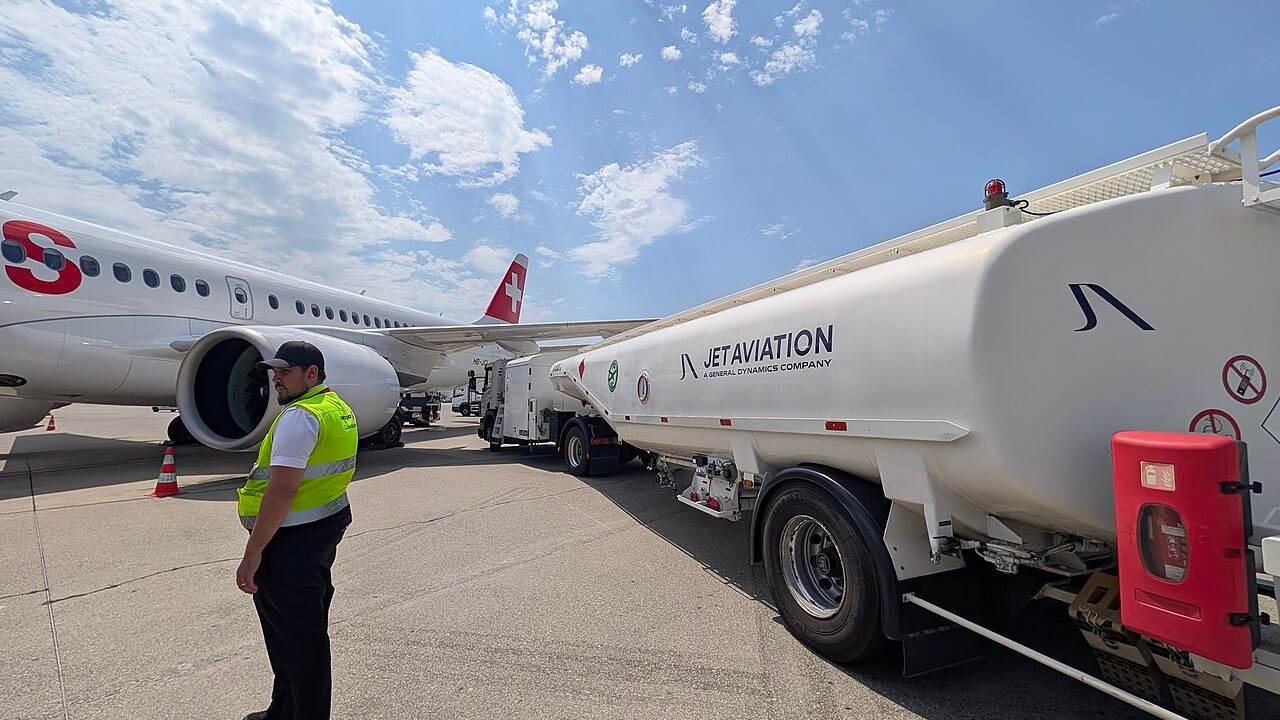
Most passengers assume an airliner fills up before every flight with just enough fuel for the trip plus reserves. Very often, that is not what happens. On a large share of short and medium-haul flights, airlines deliberately load extra fuel at the departure airport so they need less, or none, at the destination. The practice is called tankering.
This week it made headlines because Lufthansa told crews to tanker fuel into Frankfurt during a supply squeeze. Usually, though, the reason is money, and the cost is extra carbon dioxide. Here is how it works and why Europe now limits it.
Quick Facts
- Definition: Carrying more fuel than a flight needs, to reduce or avoid refuelling at the destination
- Main reason: Fuel price differences between airports
- Other reasons: Supply shortages, short turnarounds, poor fuel availability or quality
- Flights able to tanker (Europe): About 16.5% fully and 4.5% partly (EUROCONTROL, 2019)
- Extra CO2 in Europe: About 901,000 tonnes a year (EUROCONTROL, 2019)
- EU limit: ReFuelEU: about 90% of required fuel must be uplifted at each EU airport, yearly average, since 2025
Why Carry Fuel You Do Not Need?
The logic is simple arithmetic. If jet fuel at airport A is much cheaper than at airport B, a flight from A to B can load enough for the return leg as well. The aircraft burns some extra fuel carrying that weight, but if the price gap is wide enough, the airline still saves money overall.
Money is not the only reason. Airlines also tanker when fuel at the destination is scarce, as at Frankfurt this October, when a quick turnaround leaves no time to refuel, or when the destination's fuel supply is unreliable. Each case is different, but the trade is the same: more weight now in exchange for less refuelling later.
PILOTCLIMB explains fuel tankering and whether airliners really refuel after every flight.
The Hidden Cost: Weight
Heavier aircraft burn more fuel. Every extra tonne loaded at the start has to be lifted, carried and landed, so part of the tankered fuel is burned just to carry the rest. EUROCONTROL's 2019 study put the extra burn at about 2.2 per cent on a 300-nautical-mile trip and about 4.7 per cent on a 600-mile trip, which is why tankering makes the most sense on short sectors.
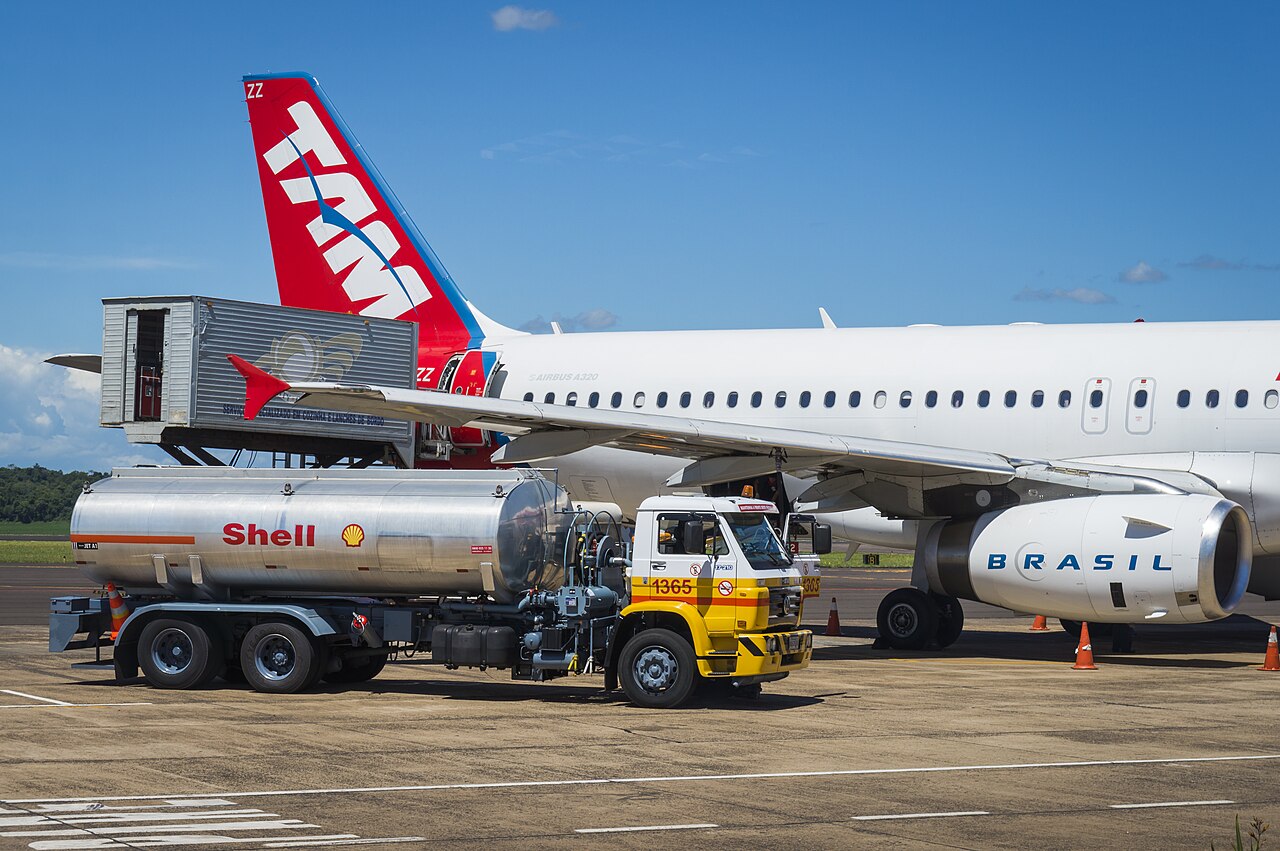
There are physical limits too. An aircraft cannot land heavier than its maximum landing weight, so on short hops the fuel that can be tankered is capped. In the Frankfurt case, Bild reported a limit of eight tonnes of extra fuel for the A320 family.
How Big Is It?
EUROCONTROL estimated that around 16.5 per cent of flights in Europe could tanker all the fuel they needed and another 4.5 per cent could do so partially. Across the region, that meant about 286,000 extra tonnes of fuel burned and 901,000 extra tonnes of CO2 a year, for a net saving to airlines of about 265 million euros.
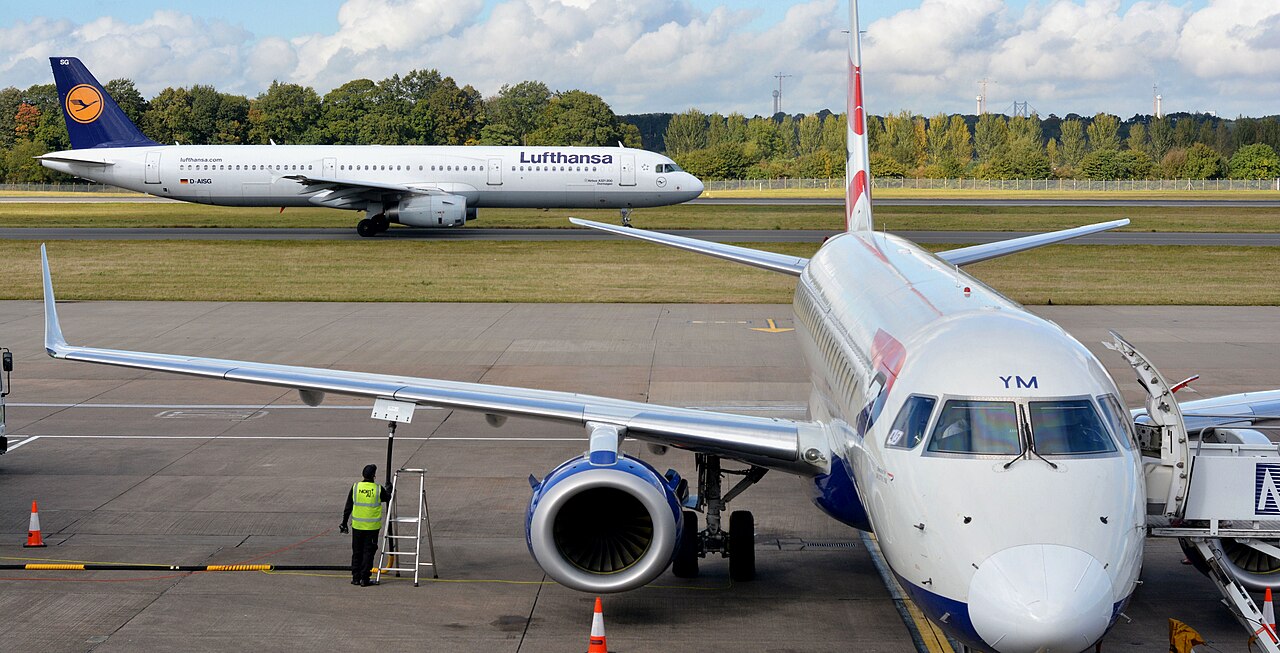
That trade-off between airline savings and extra emissions is why Europe acted. Under the ReFuelEU Aviation regulation, large commercial operators must uplift on average about 90 per cent of the fuel required for their flights from each covered EU airport at that airport. Compliance is measured over a calendar year, and exemptions must be justified, for example on safety grounds.
So When Do Pilots Do It?
In practice, the dispatch and flight planning teams usually make the decision, using software that compares fuel prices, weights, routes and limits for each flight. The captain checks the fuel figure as always and can add more for safety. Tankering does not reduce safety reserves; the extra fuel sits on top of them.
Captain Joe on why airliners do not always refuel at every stop.
Sky News on the jet fuel supply chain, told through a single tanker ship.
Sources: EUROCONTROL Aviation Intelligence Unit (2019); OPSGROUP on ReFuelEU Aviation; Bild via aeroTELEGRAPH; Lufthansa


0 Comments