

On the morning of 11 September 2001, four pilots of the District of Columbia Air National Guard ran to their F-16s at Andrews without waiting for live weapons to be loaded. One of them, Lt. Heather Penney, had never scrambled an aircraft before. She had never even trained to.
Twenty-five years later, three of the jets those pilots flew that day have been pulled back from the edge of destruction. Two of them were already in the queue to be shot down over the Gulf of Mexico.
This week, on the 25th anniversary of the attacks, the National Guard Bureau confirmed that the three aircraft will be retired and preserved as museum pieces rather than expended. It is a small decision with a long tail, and the reason it needed making at all is the uncomfortable part of the story.
Quick Facts
The unit: 121st Fighter Squadron, 113th Wing, District of Columbia Air National Guard — the “Capital Guardians”
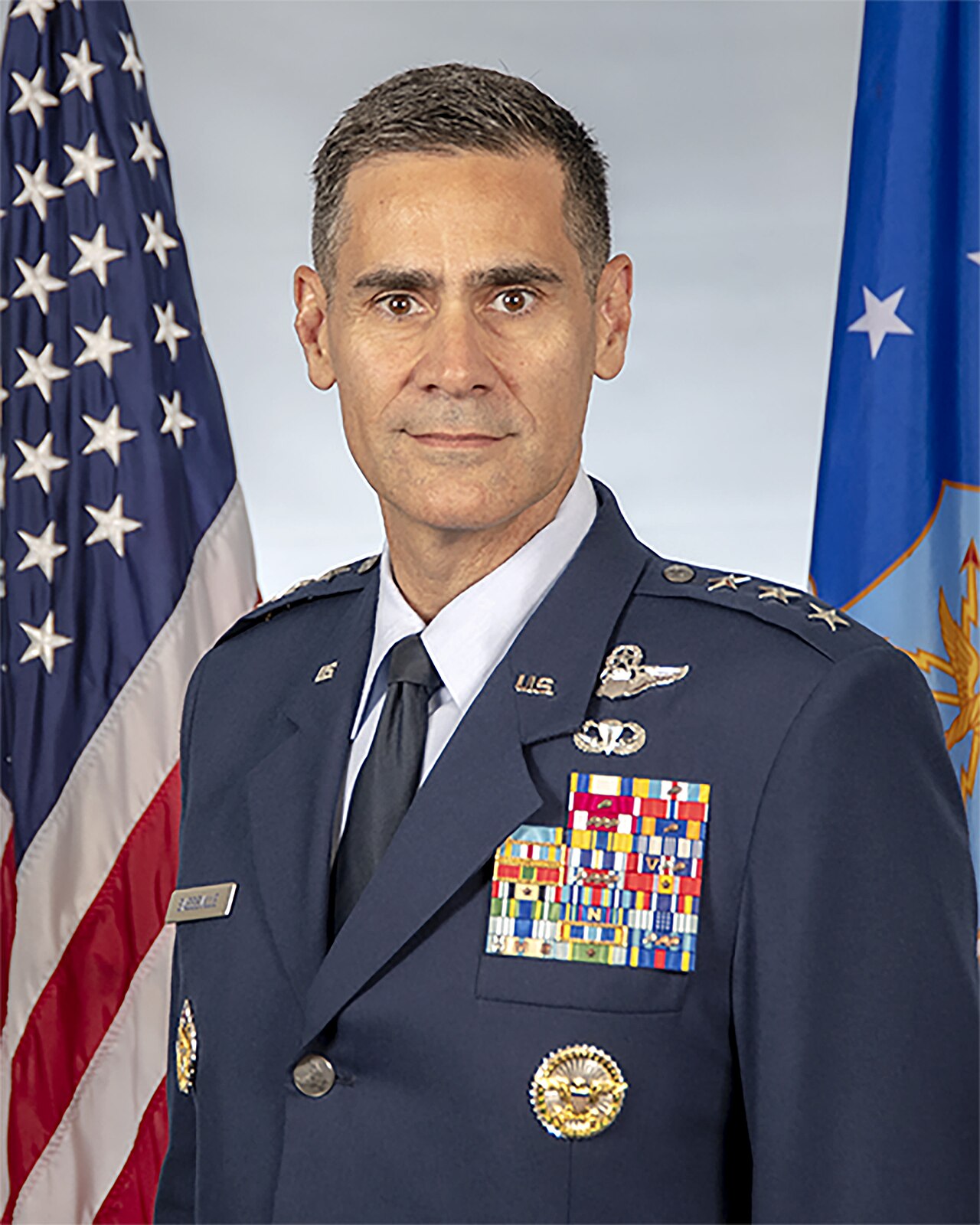
85-1438: flown by then-Maj. Dan Caine, now the 22nd Chairman of the Joint Chiefs of Staff. Bound for the National Museum of the U.S. Air Force, Dayton, Ohio
85-1461: flown by then-Maj. Marc Sasseville as escort for Air Force One later that day. Bound for static display at Joint Base Andrews
86-0255: flown by then-Lt. Heather Penney, second to scramble. Bound for the American Heritage Museum, Hudson, Massachusetts
The near miss: three other 9/11 jets were converted into QF-16 target drones. One has already been destroyed in a missile test
Conversion cost: roughly $5 million per QF-16; the last of 127 was delivered by Boeing in April 2025
A Hasty, Quickly Constructed Gameplan
Caine was a major and the wing’s weapons officer, running the flying programme that morning. When the second airliner hit the World Trade Center on the television in front of him, the ambiguity evaporated. “It was clear that the United States was at war,” he recalled in a National Guard Bureau video made for the anniversary.
He called for live weapons to be readied on the flightline. Loading them takes time, and there was none. The White House called, telling the wing to get airborne. Caine, Sasseville — the wing’s operations director — and two junior pilots, Penney and Brandon “Igor” Rasmussen, put together what Caine described as “a hasty, quickly constructed gameplan”.
They waited on the authority to launch. When it came, the weapons still were not ready. On the way to the aircraft, Sasseville told Penney what the plan actually was: they would have to ram the airliner.
On the flightline they skipped the routine pre-flight check entirely, climbing straight into the cockpits and trusting their maintainers to have done everything right. They took off without clear rules of engagement; those were sorted out once they were already in the air. Then they turned up the Potomac, hunting for the airliner that would become known as Flight 93.
It had already gone down in a field near Shanksville, Pennsylvania, brought down by its own passengers storming the cockpit. Nobody airborne over Washington knew that yet.
That was Penney, asked why she had been the one chosen to go. Sasseville’s memory of the mood is shorter still: everyone was running on adrenaline, and “no one asked any questions”.
The Jets Were Being Turned Into Targets
Here is where the preservation story gets its edge. Of the D.C. Guard F-16s flown on 9/11, only one has stayed in normal service — Caine’s jet, still flying with the Air National Guard’s 162nd Wing at Tucson, Arizona. Three others had already been converted into QF-16 Full Scale Aerial Targets: real fighters, stripped of their pilots, flown by remote control so that missiles can be tested against something that manoeuvres like a fighter.
One of those three was the aircraft Sasseville actually scrambled in that morning. It was destroyed at the end of its flying life in a missile test. The remaining two were heading the same way.

Paperwork, Then Phone Calls
Saving them started with archive work. Members of the wing began digging more than a year ago, hunting down old paperwork to establish who had signed out which aircraft on 9/11, and then tracing where each of those tail numbers had ended up. Working with the National Guard Association of the United States, they took the case to the Air Force, the Air National Guard and the White House, proposing preservation under the National Museum of the United States Air Force Heritage Program.
The obstacle was not sentiment but arithmetic. QF-16s are a finite resource. Each conversion costs around $5 million, and the last of 127 was handed over by Boeing in April 2025, according to Air & Space Forces Magazine’s 2026 almanac. Once a QF-16 has used up its available flying hours it becomes useful for destructive live-ordnance testing — and there is a queue for that. The AIM-260 Joint Advanced Tactical Missile, the Air Force’s programme to push air-to-air engagement ranges well beyond visual range, is exactly the kind of effort that needs targets to shoot at.
The compromise was neat: let the two aircraft fly out the rest of their allotted hours as drones, and when the clock runs down, hand them over for preservation instead of sending them out to be destroyed.
In the National Guard Bureau’s anniversary video, Caine and his fellow pilots go back through that morning in their own words:
Frequently Asked Questions
Which F-16s that defended Washington on 9/11 are being preserved?
Did the F-16 pilots who scrambled on 9/11 take off unarmed?
Were any of the 9/11 F-16s destroyed?
What is a QF-16?
Who were the pilots that defended Washington on 9/11?
How were the aircraft saved from being used as targets?
Sources: Air & Space Forces Magazine (Tobias Naegele), National Guard Bureau, National Guard Association of the United States, National Museum of the United States Air Force Heritage Program.


0 Comments