
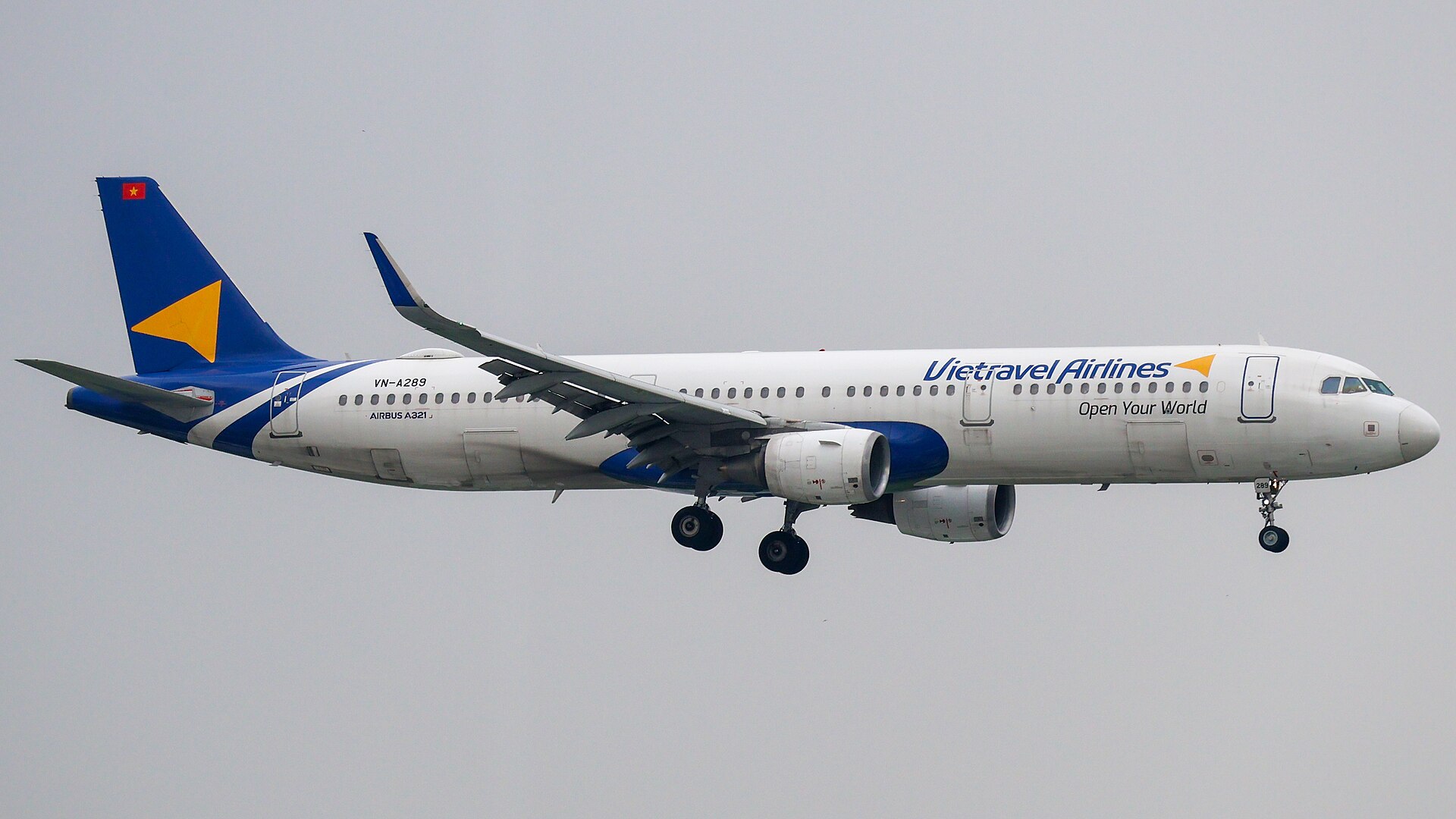
Vietravel Airlines has been building its own fleet for about fifteen months. It owns a small handful of Airbus A321s. Its international network consists of two routes.
On 10 September 2026, in the Salon at the Élysée Palace and in front of the French president, it signed a letter of intent for fifty Airbus aircraft.
That is not a fleet plan. That is a statement of intent about what kind of airline Vietnam wants to have.
Informazioni rapide
Compagnia aerea: Vietravel Airlines of Vietnam, part of the T&T Group since late 2024
What was signed: a letter of intent — not a firm order, and not yet booked by Airbus as one
Quantity: 50 aircraft — 20 Airbus A220s and 30 from the A321 family, expected to mix A321neo and A321XLR. The split has not been disclosed
Where and when: Paris, 10 September 2026, at the Élysée Palace during General Secretary and President Tô Lâm’s visit to France, with President Emmanuel Macron present
Signatories present: Đỗ Quang Hiển, founder and executive chairman of T&T Group; Đỗ Vinh Quang, chairman of Vietravel Airlines; and Wouter van Wersch, Airbus International president
Consegne: from 2029
Current operation: a small owned fleet begun with its first A321 in June 2025; scheduled international service to Bangkok and Shenzhen
Stated ambition: T&T Group has previously talked about roughly 50 aircraft by 2030
On the same trip: Vietnam Airlines signed a memorandum of understanding for five more A350-900s, for delivery in 2033 and 2034
Read the words “letter of intent” carefully
This matters, and headlines tend to blur it. A letter of intent is a statement that both parties would like to do a deal. It is not a contract, it does not lock in delivery slots on the terms discussed, and Airbus has not recorded it as a firm order.
Plenty of letters of intent become firm orders. Plenty quietly do not. Until it converts, the honest description of this is an ambition with a signing ceremony attached.
The ceremony is the other half of the story. This was signed at a head-of-state visit, alongside a Vietnam Airlines widebody memorandum, during a French presidential photo opportunity. Large aircraft agreements have long been part of the currency of state visits, and being announced at the Élysée is a political fact as much as a commercial one.
Why an A220 and not just more A321s
The genuinely interesting choice here is the twenty A220s, because it introduces a type Vietravel has never operated and a second pilot and engineering pipeline to support.
An airline does not take on that cost casually. It does it because the A220 does something an A321 cannot: it makes thin routes work. Around 130 to 160 seats instead of 180 to 240 means a route with modest demand can be flown daily and profitably rather than three times a week and badly.
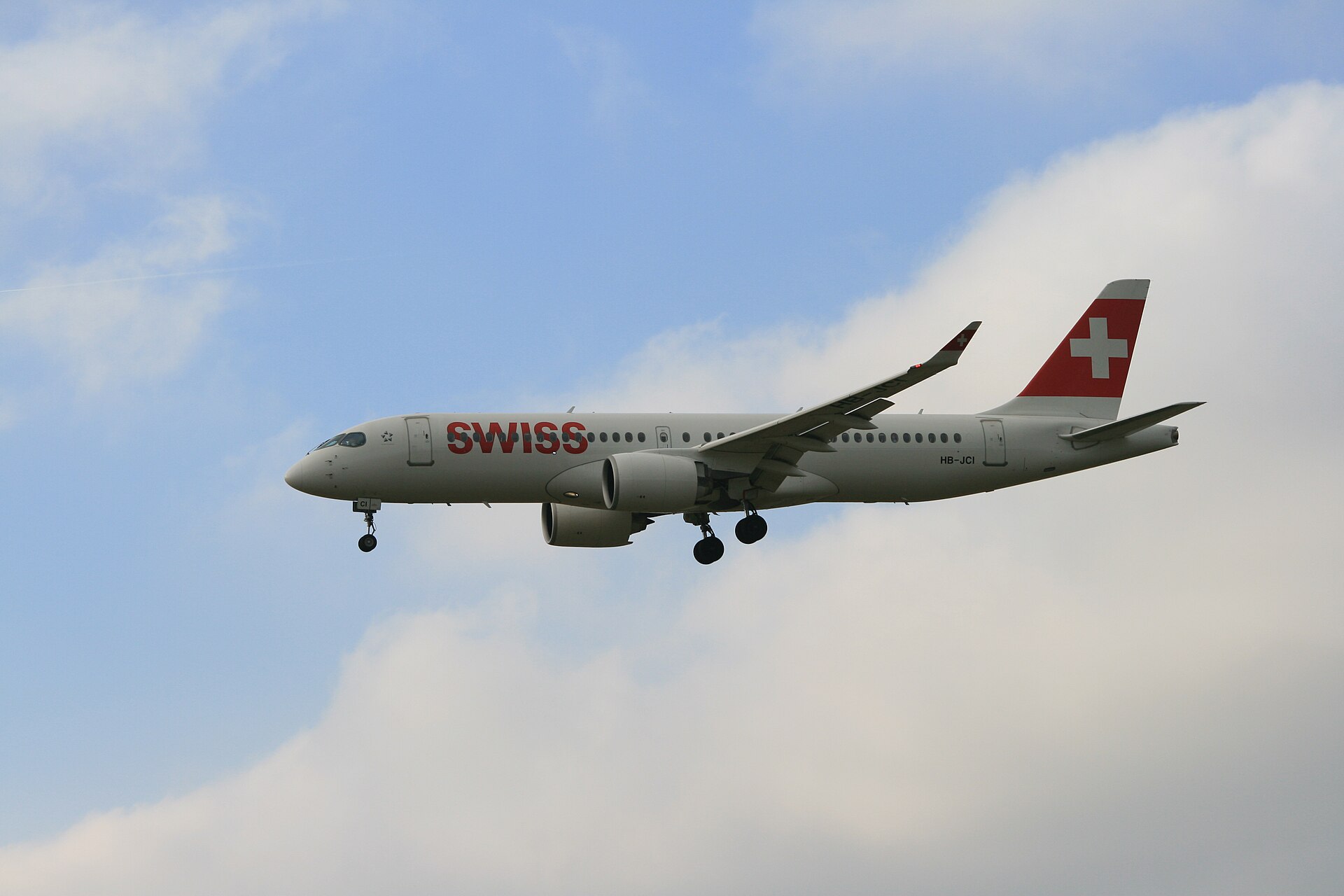
Vietravel’s own account of the plan is explicit about that role.
Chairman Đỗ Vinh Quang has framed the reasoning more bluntly, describing fleet size and structure as the factors that decide an airline’s competitiveness and efficiency. The A321s, meanwhile, are meant for the denser routes, with the XLR opening the option of reaching South Asia, Central Asia and parts of the Middle East on a narrowbody.
A crowded Vietnamese sky
Vietravel is the fourth airline in a market already contested by Vietnam Airlines, the low-cost giant VietJet and Bamboo Airways. It started life as the in-house carrier of a tour operator, which is an unusual foundation for a scheduled airline and a difficult one to scale from.
Joining the T&T Group changed the arithmetic, because T&T is a conglomerate with interests across infrastructure and logistics and the balance sheet to fund aircraft. The 50-aircraft agreement is the clearest signal yet of what it intends to do with that.
The risk is the obvious one. Deliveries begin in 2029 and run for years afterwards. Growing from a handful of aircraft to fifty means hiring and training pilots, engineers and cabin crew at a pace that has broken larger and better-capitalised airlines than this one. Vietravel expects to be running somewhere around 80 to 100 flights a day by the end of this year; fifty aircraft implies several times that.
Announcing an aeroplane order is the easy part. The next real milestone is not a ceremony at a palace; it is the day the letter of intent turns into a contract.
A look inside the Airbus A220 cabin and why the type has become popular with airlines opening new routes.
Sources: Vietravel Airlines and T&T Group statements, Bloomberg, FlightGlobal, Air Data News, ch-aviation, AeroTime, aeroTELEGRAPH, VietnamNet.

0 Comments