

Continue for the runway. Four words, issued thousands of times a day at airports all over the United States, and on 15 September at Newark they put a 300-tonne airliner on an active runway that nobody had cleared it to enter.
The aircraft was a Turkish Airlines Airbus A350-900 operating TK30 to Istanbul. Air traffic control told the crew to continue toward runway 4L. The crew understood that as permission to taxi onto it, and did.
Nothing happened. The controller saw the aircraft on the runway, told the crew to get off it, and gave them a phone number to call. That is the entire incident, and it is worth several thousand words because of how ordinary it is.
Informazioni rapide
| L'incidente | Turkish Airlines flight TK30, an Airbus A350-900, entered active runway 4L without clearance |
| Where and when | Newark Liberty International Airport, 15 September 2026 |
| The phrase | Air traffic control told the crew to “continue for the runway” |
| What the crew did | Taxied onto the runway, apparently reading that as permission to enter |
| Risultato | The controller spotted it and instructed the crew to vacate; the crew was given a phone number to call |
| Follow-up | No FAA investigation has been announced |
| US runway incursions, January 2026 | 97 reported — 56 pilot deviations, 22 vehicle or pedestrian, 17 operational errors |
| Hot spots | More than 150 US airports carry designated runway incursion hot spots; 453 individual spots as of March 2026 |
The gap between toward and onto
Aviation English is designed to be unambiguous, which is not the same as being intuitive. Instructions that move an aircraft toward a runway are deliberately different from instructions that put it on one. Entering an active runway needs an explicit clearance: line up and wait, or a takeoff clearance, or a specific instruction to cross.
Continue is a taxi instruction. It means keep moving in that direction. It is not permission to arrive.
That distinction is obvious in a classroom and considerably less obvious at the end of a long taxi in a busy airport with a departure slot approaching, when the runway is right there and the only thing between you and it is a painted line.
The controller audio from the Newark event itself, published five days ago.
How common this is
In January 2026 alone the FAA recorded 97 runway incursions in the United States. Fifty-six were pilot deviations, twenty-two were vehicle or pedestrian deviations and seventeen were operational errors on the controller side.
The trend is downward — January 2025 produced 133, January 2024 produced 118 — but the slope is shallow. This is not a problem that is being solved. It is a problem that is being managed.
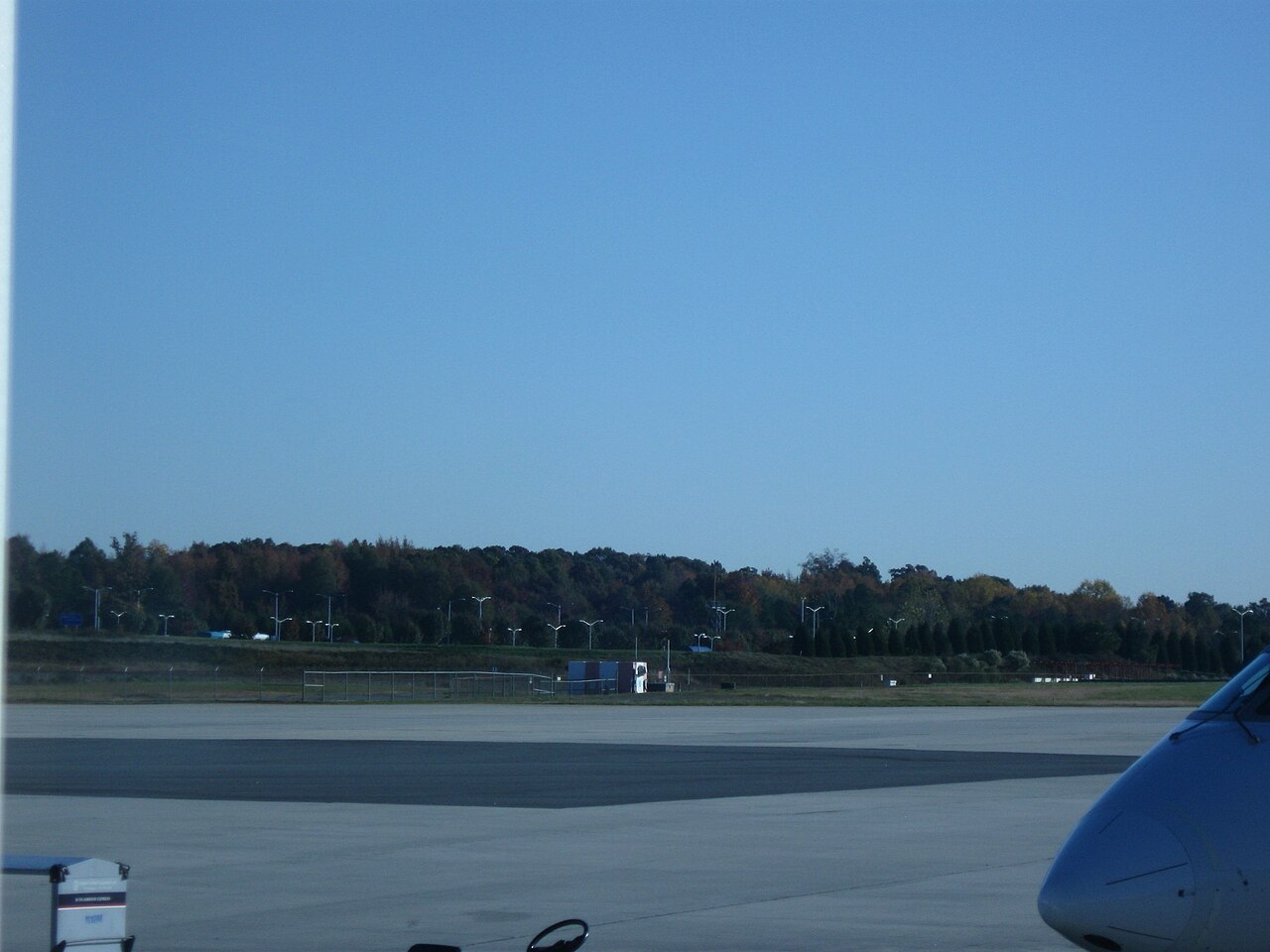
By the FAA’s own severity scale, the Newark event sits well below the categories that keep investigators awake. No conflicting traffic was reported and no evasive action was described. It was an error that the system caught, which is what the system is designed to do.
The ones that were not caught
The reason a benign incursion is still news is the tail of the distribution.
VASAviation’s recording of a JFK incursion, watched more than a million times, is the standard reference for what the same error sounds like when it involves conflicting traffic and a controller who has run out of patience.
The Department of Transportation’s Inspector General audited the FAA on exactly this in March 2025, and its conclusion was in the title.
Hot spots and the phone number
The FAA now designates runway incursion hot spots — places on an airfield where the geometry, the traffic or the history makes an error more likely. As of March 2026 there were 453 of them across more than 150 US airports. They are printed on charts so that crews can see the trap before they taxi into it.
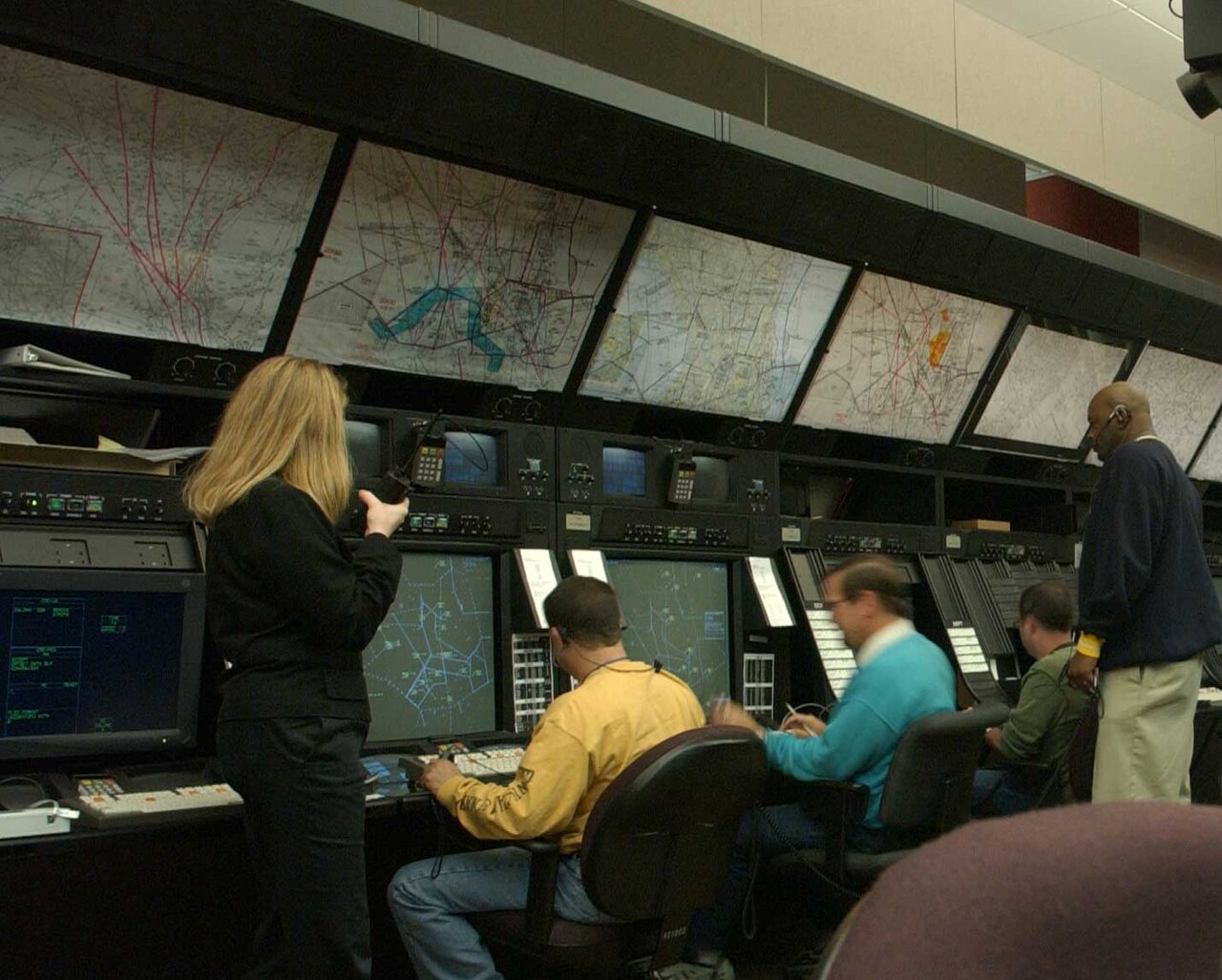
And then there is the phone number. Being told to copy a number is how an American controller opens a possible pilot deviation file. The crew calls the facility, the event gets written down, and the FAA decides whether anything follows. Most of the time nothing does. The number exists so that the error becomes data rather than folklore.
The FAA’s own explanation of why the phrasing is built the way it is.
Whether TK30 attracts a formal investigation is unknown. The more useful outcome would be for a few thousand crews to notice that continue and cleared are not synonyms, and that the difference is measured in painted lines.
Sources: aeroTELEGRAPH; Federal Aviation Administration runway safety statistics and hot spot data; US Department of Transportation Office of Inspector General, March 2025; NASA Aviation Safety Reporting System CALLBACK.

0 Comments