
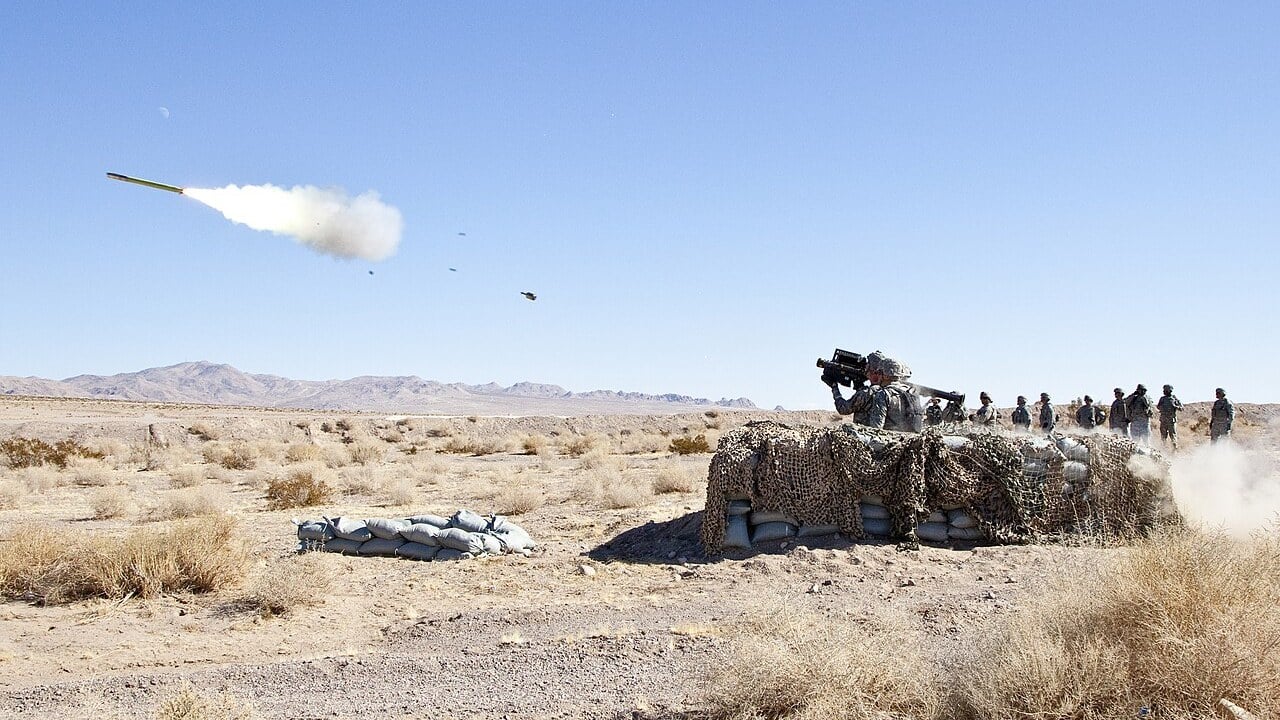
The US Army has put a price tag on the missile it wants to replace the Stinger: less than $200,000 a round, and less than $200,000 for each launcher. The figure sits in a Call for Solutions that Army Contracting Command at Redstone Arsenal, Alabama, posted on SAM.gov on Friday 20 November 2026.
The document, numbered MOSAIC-26-04, invites industry to offer a ready-made “alternate interceptor” for the Next Generation Short Range Interceptor (NGSRI) programme. That would put a potential third contender next to the two designs the Army has been funding since 2023, from Lockheed Martin and Raytheon.
Informazioni rapide
- Programma: Next Generation Short Range Interceptor (NGSRI) Alternate Interceptor
- Notice: Call for Solutions MOSAIC-26-04, posted 20 November 2026
- Issued by: Army Contracting Command, Redstone Arsenal, for the SHIELD project office
- Cost goal: Less than $200,000 per missile and $200,000 per launcher
- Planned production: At least 11,000 missiles and 2,200 launchers over ten years (basis for cost estimates)
- Demonstrations: Planned May-June 2027; pass/fail intercepts at 5,000-8,000 m
- Prototype award: Estimated September 2027
- Briefs due: 20 December 2026
What the Army is asking for
The call comes from the Short and Intermediate Effectors for Layered Defense (SHIELD) project office. It wants a soldier-portable, fire-and-forget, day-and-night missile that can kill helicopters, fixed-wing aircraft and Group 2 and 3 drones, and that is backwards compatible with today’s FIM-92 Stinger launchers.
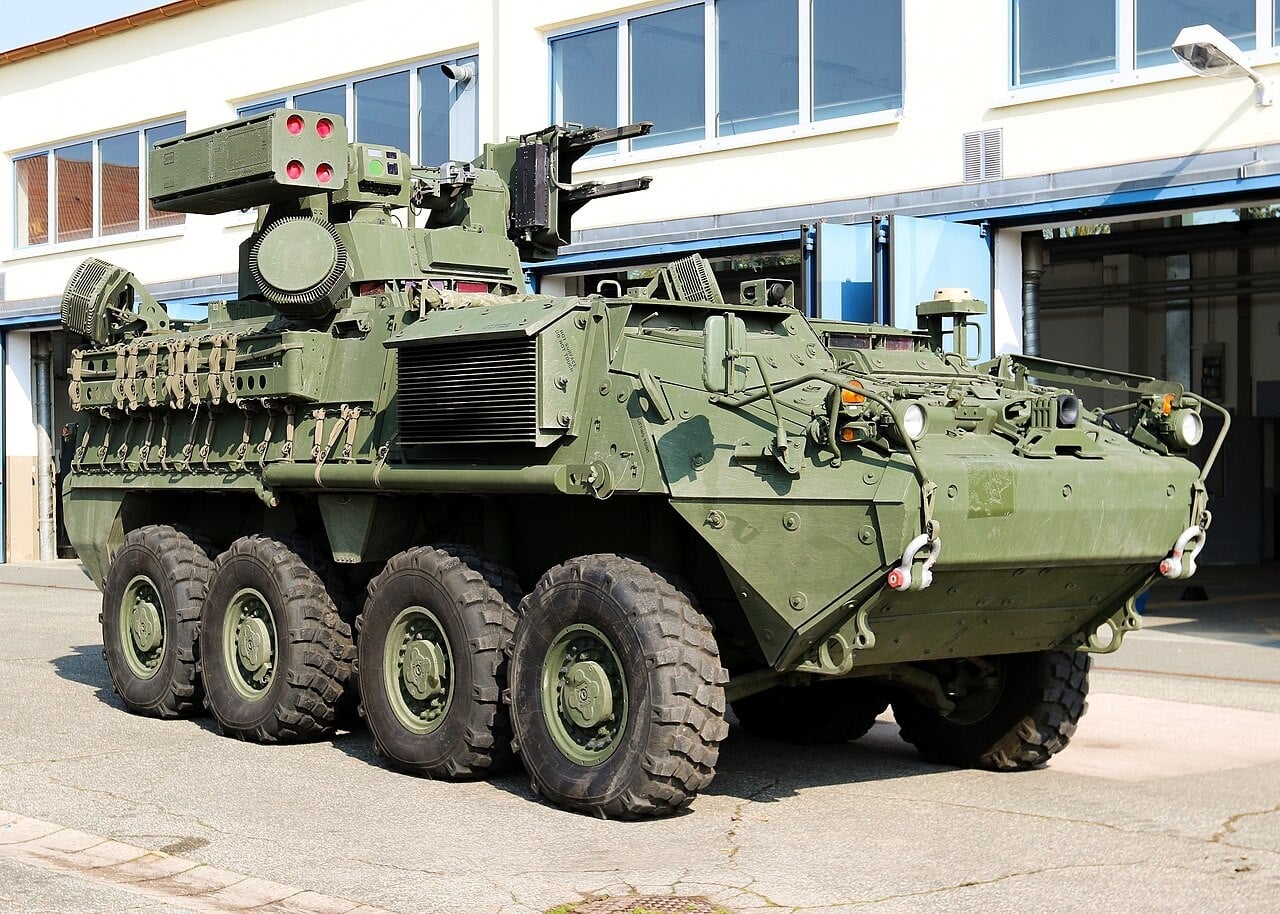
That compatibility clause matters. The Army names the SGT STOUT air defence vehicle and the Marine Air Defense Integrated System (MADIS) as legacy Stinger platforms the new missile must work with, so units would not need a new family of vehicles to field it.
Hit a drone at eight kilometres, or go home
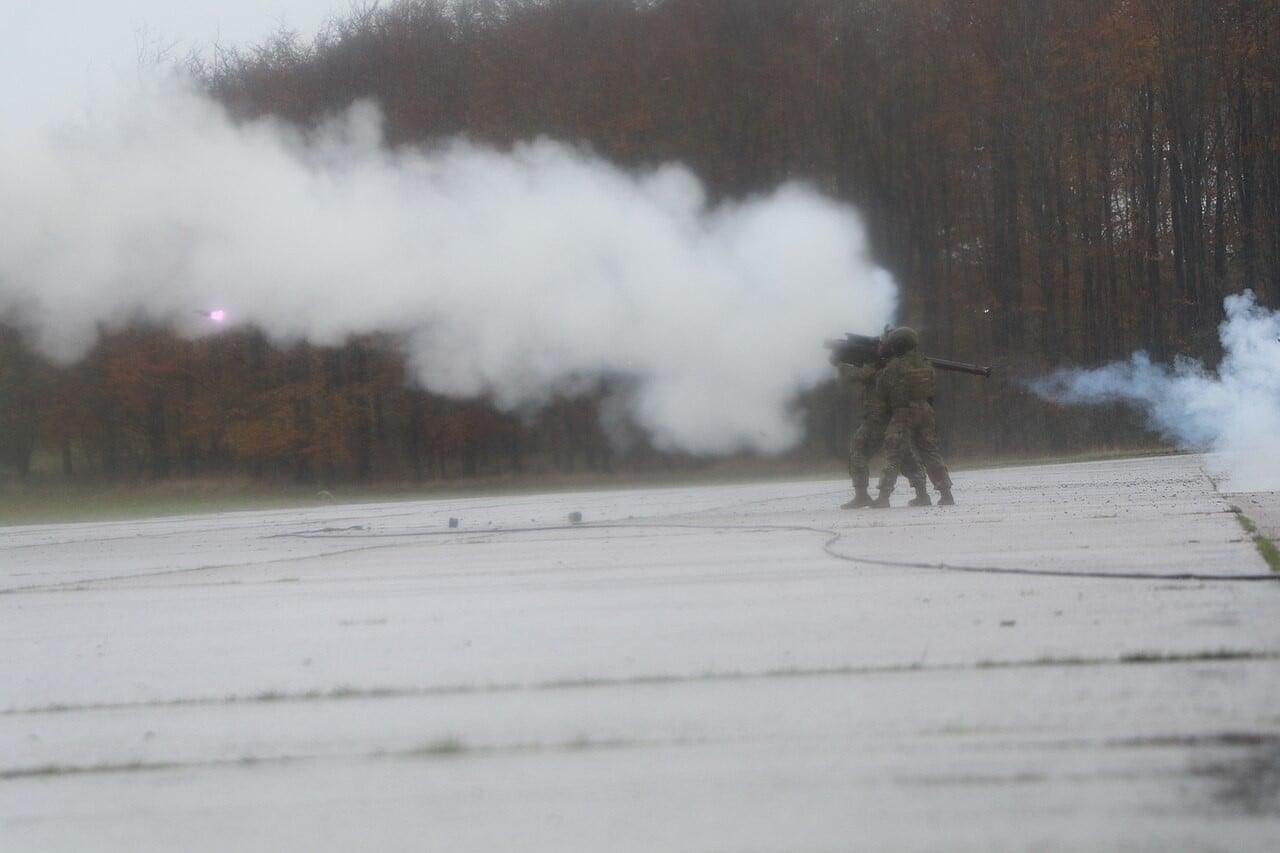
Companies whose solution briefs impress the evaluators may be invited to a live-fire demonstration, planned for May and June 2027. Each must fire from a soldier-portable launcher with at least one warhead round and one telemetered round, and the three mandatory tests are all pass/fail.
The first is a “Hot Plate” target hung at least 25 metres above the ground at a range of 6,000 metres. The other two are Group 3 unmanned aircraft, engaged head-on and from a 90-degree beam aspect, at ranges between 5,000 and 8,000 metres.
Task & Purpose explains why the Army is replacing the Stinger and what the NGSRI programme is meant to deliver.
The winners would then have to deliver at least 50 developmental test missiles and six launchers within three months of the live fire. The Army estimates the prototype agreement award for September 2027, with a period of performance of up to 12 months.
The $200,000 line
Cost is written into the selection criteria for that award. Offerors must “meet unit cost affordability goals of less than $200,000 per missile and $200,000 per launcher”, and their cost section has to look beyond prototypes to a production run of at least 11,000 missiles and 2,200 launchers over ten years.
The successful design must also be able to enter low-rate initial production no later than the fourth quarter of fiscal year 2028. That production contract would be a separate effort from the prototype deal.
Eligibility is limited to US companies, or foreign companies with US partners, able to handle SECRET information and hardware. Questions are due by 30 November, and solution briefs by 4 p.m. Central Time on 20 December 2026.
Lockheed and Raytheon are already in the race
Lockheed Martin and Raytheon have been building competing NGSRI prototypes since the Army picked them in 2023, and both have announced test milestones in 2026. In April, Lockheed showed the Army a full-scale final assembly line for its missile at its Grand Prairie, Texas, facility.
The call does not say that anything is wrong with either incumbent design. What it does make clear is that the Stinger replacement will be judged on price as well as performance, and that the Army wants more than two companies able to compete on both.
The Army first signalled in August 2026 that it wanted to identify additional sources for NGSRI and run a demonstration in spring 2027. The 20 November call turns that intent into a formal competition with hard numbers attached. Whoever meets them gets a shot at one of the largest man-portable missile buys in decades, and the job of retiring a weapon that has been in US service since the early 1980s.
Sources: SAM.gov (Call for Solutions MOSAIC-26-04, Army Contracting Command Redstone Arsenal, 20 Nov 2026), Lockheed Martin, The War Zone, Defense Daily, Army Technology, Defence Blog
Header photo: Casey Slusser, U.S. Army / Wikimedia Commons, public domain



0 Comments