
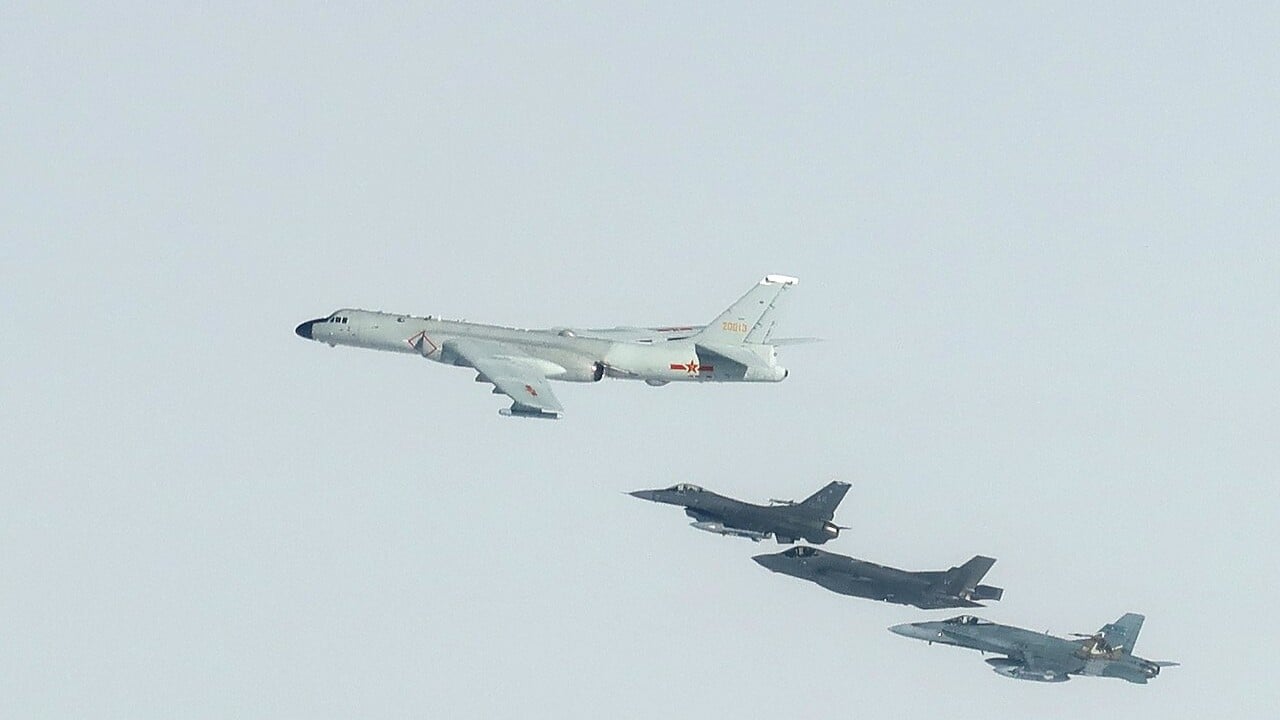
Allies usually save the blunt talk for closed rooms. On Monday 23 November 2026, the Pentagon put it on a web page. In a document it called a fact sheet on US-Canada defense relations, the Department of War accused Canada of falling short as a partner in defending North America, and took direct aim at Ottawa’s long review of its F-35 purchase.
Axios first reported the contents on Sunday 22 November. By Monday the document was public, and the Associated Press, the Canadian Press and CBC were all quoting from it. The tone was, in the AP’s words, unusually blunt.
Informazioni rapide
- Che cosa: Pentagon (Department of War) fact sheet on US-Canada defense relations
- Quando: Reported by Axios on Sunday 22 November 2026; posted publicly Monday 23 November
- Key charge: Canada falling short as a credible partner in defending North America
- Readiness cited: RCAF fleet 41.9% serviceable in 2025-26; navy 53.9%; army 48% (per the fact sheet, via AP)
- F-35: Criticises Canada’s review of its planned 88-jet F-35 buy; warns a mixed fleet could worsen personnel shortages
- Canada’s position: 16 F-35s committed; remaining jets under review, with the Gripen examined as an alternative
- Ottawa’s response: No substantive reply by Monday evening; McGuinty earlier called ties “business as usual”
“Speak for themselves”
The fact sheet’s central charge is that Canada has not made the hard choices needed to modernise its military and meet its NATO pledges, leaving American taxpayers to carry the weight of continental defense. It backs that up with readiness numbers: according to the AP, only 41.9 per cent of the Royal Canadian Air Force’s fleet was serviceable in the 2025-26 fiscal year, against 53.9 per cent of the naval fleet and 48 per cent army operational readiness.
The document also says Canada “has yet to articulate a resourced path” to NATO’s target of five per cent of GDP for defense-related spending by 2035, and accuses Ottawa of deferring the largest increases until after the 2029 federal election, CBC reports. It calls out the submarine fleet, where only one of four boats is operational.
The F-35 line
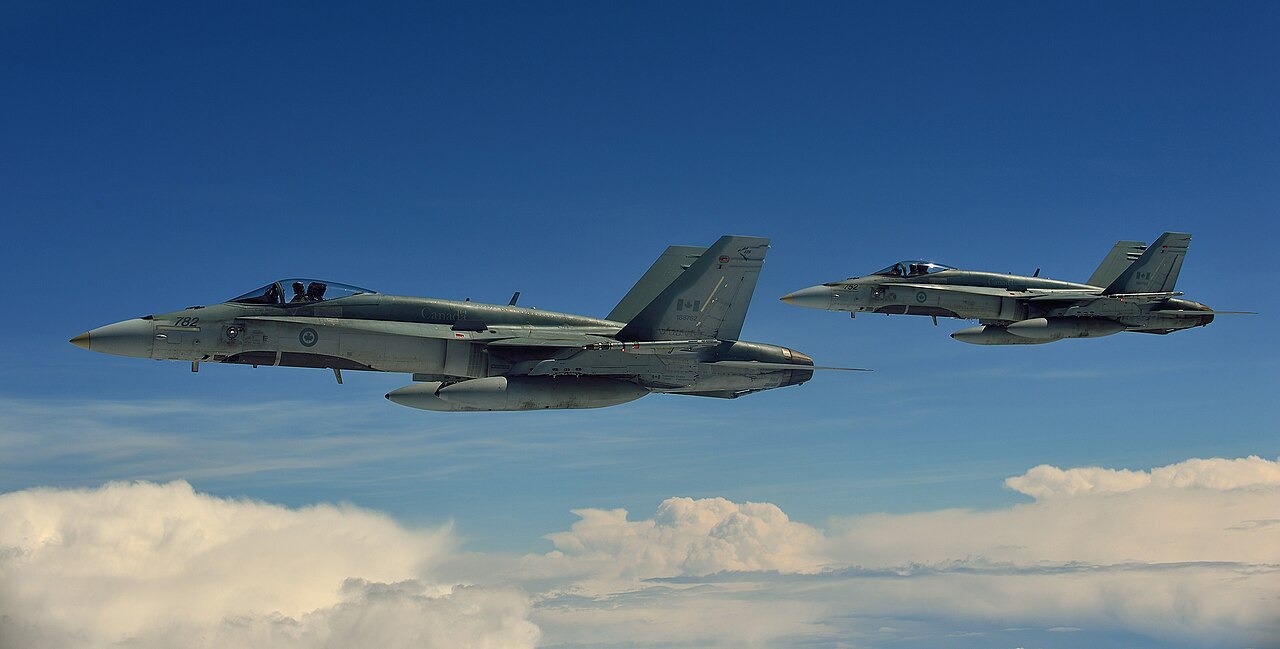
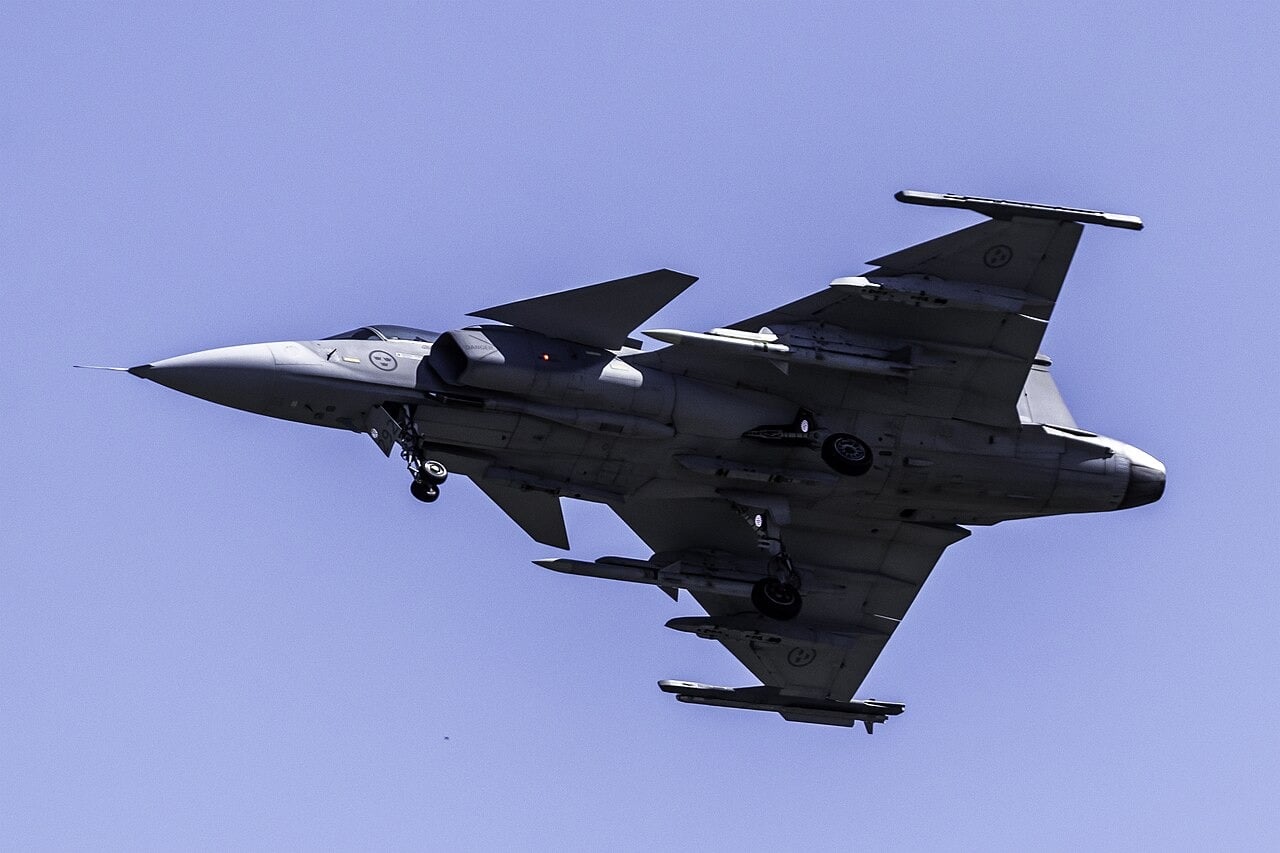
The sharpest passage concerns fighters. Canada confirmed in January 2023 that it would buy 88 F-35As to replace its CF-18 Hornets. In March 2025, amid Donald Trump’s tariffs and annexation talk, Prime Minister Mark Carney ordered the deal reviewed. Canada is committed to the first 16 jets; the rest are being weighed against alternatives, above all the Swedish Saab Gripen, which could bring manufacturing jobs to Canada.
The Pentagon does not like that. According to the AP, the fact sheet warns that a mixed fighter fleet could worsen Canada’s personnel shortages, and accuses Canadian leaders of putting domestic economic interests ahead of military effectiveness. CBC quotes the line directly: “Ottawa’s prioritization of parochial economic and commercial interests over military optimization introduces further uncertainty for NORAD and will further burden our Joint Force and the American taxpayer.”
Its advice was equally pointed. Canada, it said, “can maximize its limited but growing defence funds by prioritizing missions important for its homeland defence and meeting NORAD and NATO obligations by committing to the best military platforms.” Nobody needed a decoder ring for that last phrase.
CBC News: The National on the Pentagon fact sheet criticising Canada’s military readiness and defence spending.
Canada’s side of the ledger
Ottawa did not rush to reply. Defence Minister David McGuinty’s office had not responded to requests for comment by Monday evening, according to the Canadian Press and CBC, and the AP said Canada’s military had not provided a substantive response. Speaking at the Halifax International Security Forum on Saturday, McGuinty had called relations between the two militaries “business as usual.”
Canada does have numbers of its own. It spent C$63.4 billion on national defence in 2025, meeting NATO’s two per cent target for the first time, the Canadian Press reports. The latest federal budget projects combined defence and security spending of 4.1 per cent of GDP by 2027-28, though core defence spending only reaches 2.6 per cent, according to the AP. And the RCAF took delivery of its first two CF-35A fighters at Luke Air Force Base, Arizona, in October, as Afterburner segnalato.
A relationship under strain
The fact sheet lands days after a classified directive from Secretary of War Pete Hegseth that, according to Republican Senator Mike Rounds, largely restricts US officials from Canadian think-tank events and social engagements. Rounds told the Halifax forum it would not affect joint military operations or intelligence sharing. Earlier, the Pentagon had paused the Permanent Joint Board on Defense, an advisory body dating from 1940.
Carney has made no secret of his direction of travel. “We should no longer send three-quarters of our defense capital spending to America,” he said in June, as quoted by the AP. The Pentagon’s fact sheet is, in effect, Washington’s reply. Whether Ottawa answers with 88 F-35s, 16 and a Swedish alternative, or something in between, is the decision the whole document is really about.
Sources: Associated Press, The Canadian Press, CBC News, Axios


0 Comments