
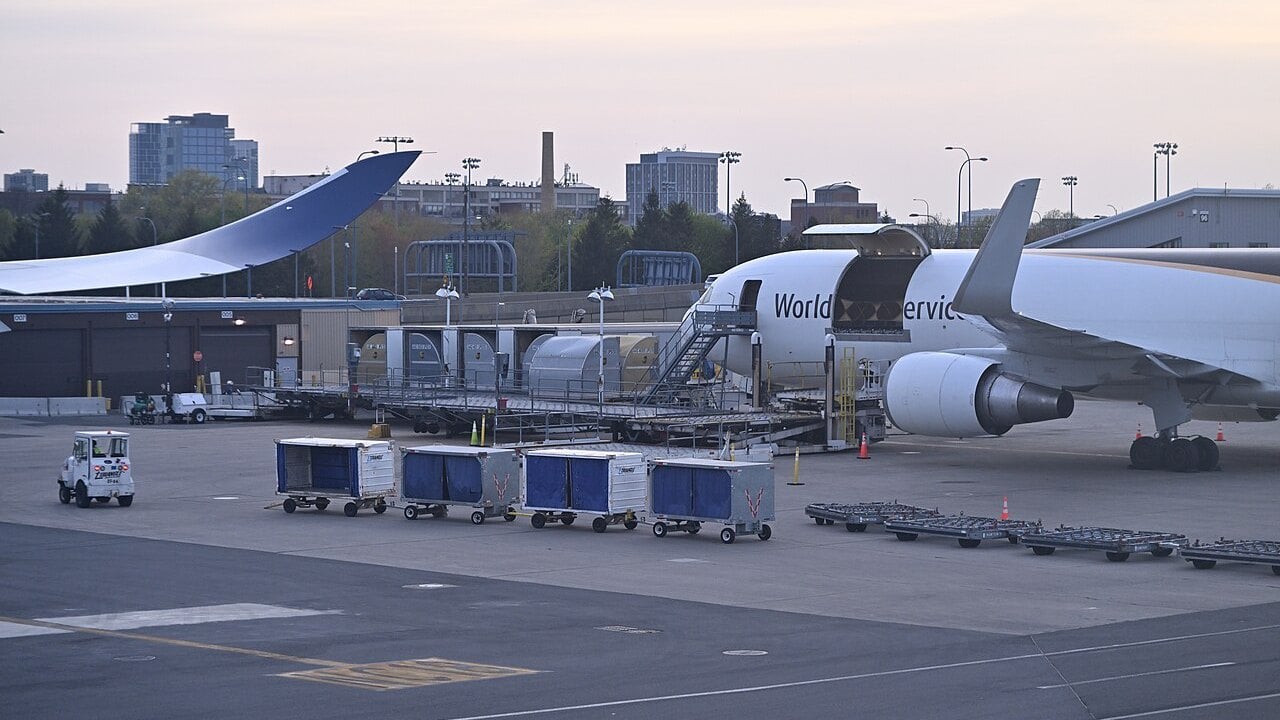
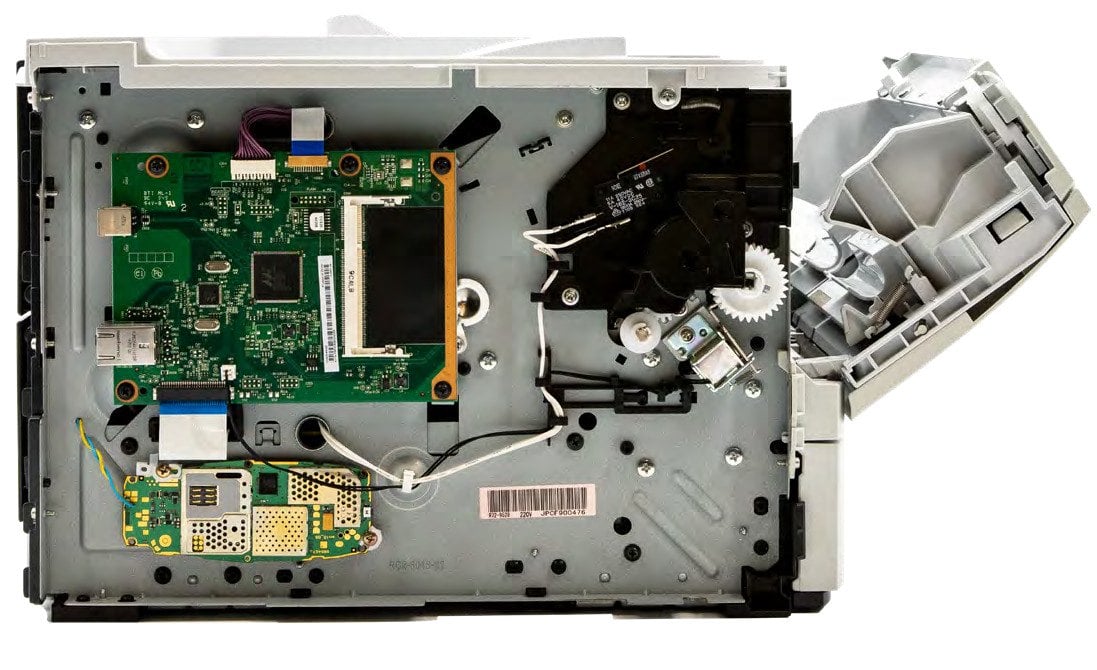
In the early hours of Friday 29 October 2010, British police boarded a UPS cargo jet that had landed at East Midlands Airport on its way from Cologne to Chicago. Inside a package from Yemen they found a desktop laser printer. Its toner cartridge had been packed with explosive. A second, similar device was already sitting in Dubai, in a FedEx shipment that had flown there on passenger flights.
Neither bomb was caught by a scanner. Both were found because intelligence services told the authorities exactly where to look. That single fact explains most of what modern air cargo screening has become: less a checkpoint at the airport, more a chain of trust that starts in the factory where the box is packed.
Informazioni rapide
- Who screens: Airlines, certified shippers, freight forwarders and independent screening facilities
- US law: 9/11 Commission Act of 2007: 100% of cargo on passenger aircraft to be screened
- US deadline: 3 August 2010 (met for domestically loaded cargo; inbound international cargo took longer)
- US programme: Certified Cargo Screening Program (49 CFR part 1549)
- EU system: Known consignors and regulated agents; all cargo screened or from a secure supply chain
- Inbound to EU: ACC3 designation required since 2012; validation mandatory since 1 July 2014
- Inbound to US: Air Cargo Advance Screening (ACAS): data before loading, mandatory since 12 June 2018
- Evento scatenante: 29 October 2010 printer-cartridge bombs from Yemen, found on intelligence
The box you never see
When you fly on an airliner, you are rarely alone with the passengers and their bags. Below your feet, the lower hold usually carries freight as well: parcels, mail, pharmaceuticals, electronics, fresh fish, machine parts. Much of it travels in the aluminium containers described in our explainer on unit load devices, right next to the checked bags.
Your suitcase goes through an explosives-detection machine because you are a stranger to the airline. A pallet of shrink-wrapped goods is a different problem. It may be several metres long, built hours earlier by a freight forwarder, and dense enough to defeat a baggage X-ray. Breaking down every pallet at the airport to look inside would bring global trade to a standstill.
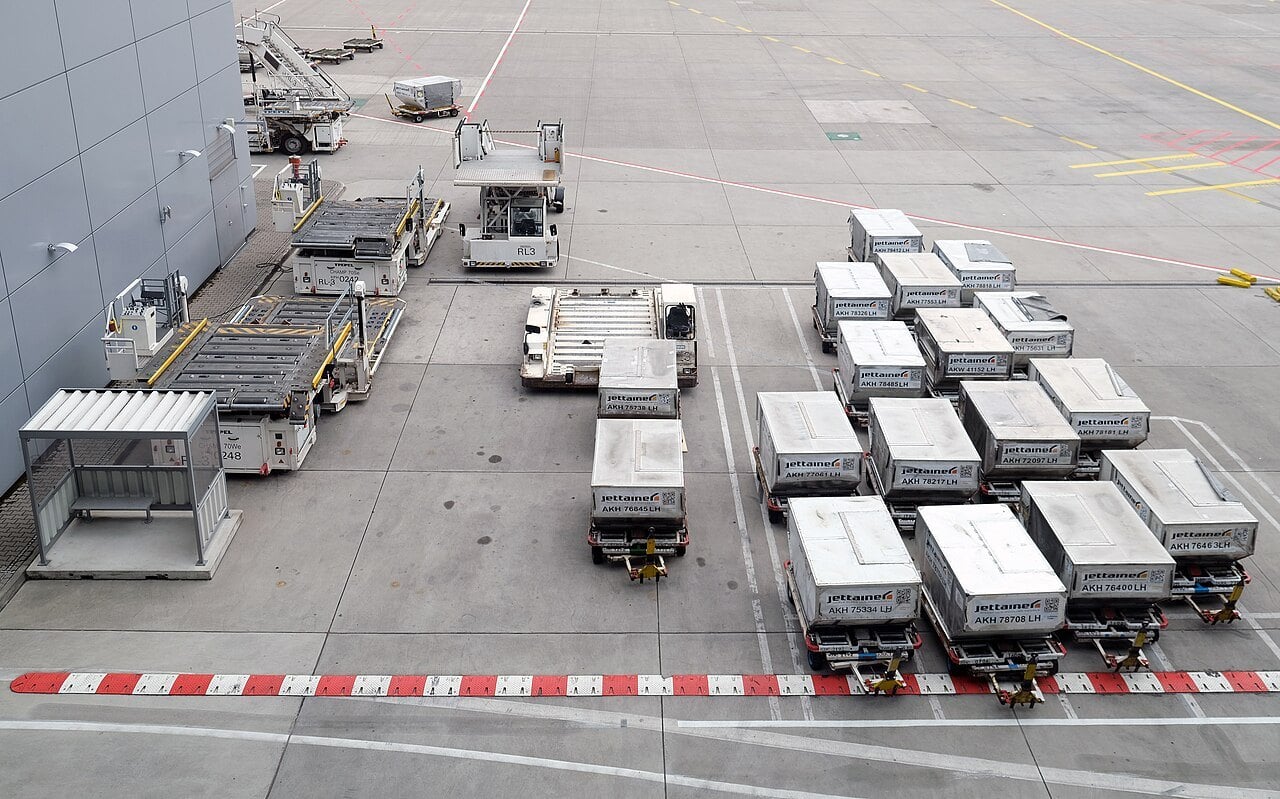
So regulators settled on a different idea. If you know who packed the cargo, and you can prove nobody tampered with it afterwards, you can screen it earlier, somewhere more practical, and keep it sealed until it reaches the aircraft.
Known shippers and the chain of custody
In the United States, the foundation is the known shipper. Airlines, foreign carriers and freight forwarders, which the TSA calls indirect air carriers, must run known shipper programmes approved by the agency. Only shippers who qualify for known status may send cargo on passenger aircraft.
The big change came with the Implementing Recommendations of the 9/11 Commission Act of 2007. Congress ordered the Department of Homeland Security to establish a system to screen 100 percent of cargo carried on passenger aircraft no later than 3 August 2010, at a level of security commensurate with checked baggage.
The TSA on the work of its cargo transportation security inspectors, who check that shippers and forwarders follow the rules.
The TSA’s answer was the Certified Cargo Screening Program. Instead of funnelling everything through airport warehouses, the agency certifies manufacturers, warehouses, distribution centres, freight forwarders and independent facilities to screen cargo themselves, before it is handed to an airline. Each Certified Cargo Screening Facility must follow a TSA-approved security programme, use TSA-approved methods, and keep the cargo secured from the moment it is screened until it is loaded.
The methods are more varied than most travellers imagine. The TSA keeps a list of qualified screening technology, including X-ray and explosives trace detection, and certifies explosives-detection dog teams for cargo. For smaller shippers the cheapest approved method is often a physical search, carried out as the goods are packed. The Federal Register notes that many certified facilities do exactly that.
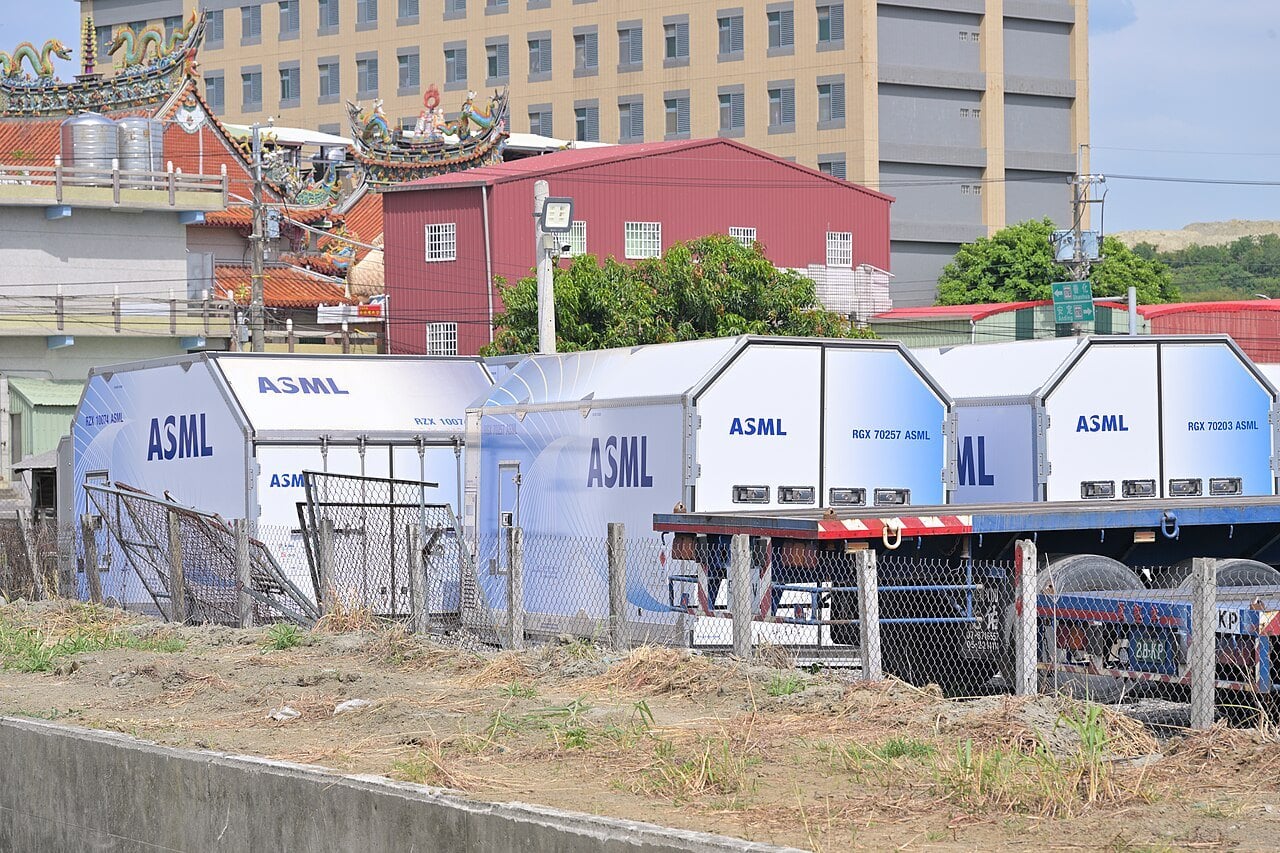
Europe uses the same logic under different names. According to the European Commission, all cargo and mail must be physically screened or come from a secure supply chain before it is loaded. Known consignors, usually the manufacturers, originate secure cargo; regulated agents, which can be airlines, handling agents or freight forwarders, screen and forward it. Only a regulated agent may carry out physical screening.
The plot that went around the system
The 2010 plot exposed the weak point: cargo that started its journey outside these regimes. The packages were posted in Yemen, addressed to synagogues in Chicago, and passed through hubs in Germany, Qatar and the UAE. One of them flew on two Qatar Airways passenger flights, via Doha, before it was found in Dubai.
The devices, concealed in printer cartridges, were found only after intelligence agencies in several countries raised the alarm. Scientific American reported that the bomb found at East Midlands held 400 grams of PETN and the one in Dubai about 300 grams, both far more than the 80 grams hidden in the underwear of the would-be Detroit bomber the previous Christmas.
The airline caught in the middle pushed back. In an interview with Al Jazeera, Qatar Airways chief executive Akbar Al Baker argued that the box should have been inspected at its point of origin, and that responsibility lay with regulators and governments.
Al Jazeera’s Inside Story on the 2010 cargo plane bomb plot and the weaknesses it exposed.
Screening the data before the box
The lasting answer was not a bigger scanner. In December 2010, US Customs and Border Protection and the TSA launched the Air Cargo Advance Screening pilot, known as ACAS. Carriers and forwarders sent shipment data to a joint CBP-TSA targeting team as early as possible in the supply chain, so suspicious consignments could be flagged before they were loaded.
ACAS became mandatory on 12 June 2018. The data must now arrive no later than before the cargo is loaded on an aircraft bound for the United States. If the analysis points to an immediate threat, CBP can issue a Do-Not-Load instruction; if the paperwork is vague, it can demand more information or extra screening first.
Europe tightened its own border at the same time. Since 1 February 2012, airlines flying cargo into the EU from non-EU airports have had to meet EU standards before loading, and since 1 July 2014 each such carrier must be designated an ACC3 and validated at every departure airport, with cargo either physically screened or drawn from a validated secure supply chain.
The TSA explains the Air Cargo Advance Screening pilot that CBP and the TSA launched after the 2010 plot.
A threat that keeps changing
The system is still evolving. In July 2024, incendiary devices caused fires at several air cargo facilities in Europe. CBP said that if they had ignited in flight, the fires could have caused the catastrophic loss of an aircraft. On 21 November 2025, it responded by expanding ACAS to require additional data elements for cargo heading to the United States.
That is the real shape of air cargo security today. A pallet in the belly of your next flight may have been searched by hand in a warehouse hundreds of kilometres away, sealed, tracked, and checked again as a line of data before a single box was lifted onto the aircraft. The airport is no longer the first line of defence. It is the last.
Sources: Transportation Security Administration, Federal Register (TSA Air Cargo Screening final rule, 18 August 2011; CBP Enhanced ACAS interim final rule, 21 November 2025), US Customs and Border Protection, European Commission (DG MOVE), UK Home Office, Al Jazeera, Scientific American

0 Comments